
Struggling with damaged goods or customs delays1 in your international shipments2? This costly problem can ruin your reputation. The right export packaging is the key to protecting your products and business.
Export packaging3 is a specialized measure designed to protect goods from damage during global transportation. It involves using the right materials, labels, and certified standards to prevent damage, comply with international regulations, and ensure your products arrive safely at their destination, no matter how long the journey.
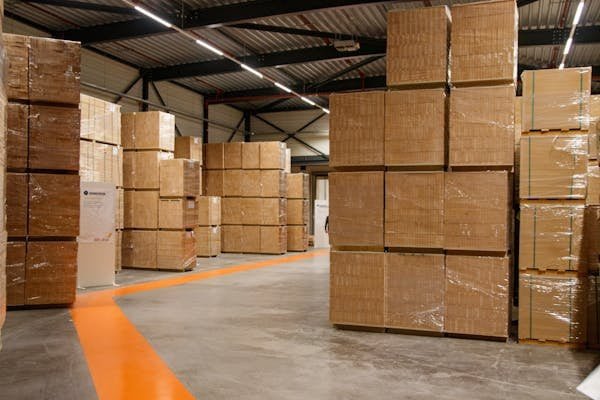
I once sent a large order of fragile goods4 to Europe using standard domestic boxes. It was a disaster. Many items arrived broken, and the customer was furious. That expensive mistake taught me that export packaging isn't just a suggestion; it's a critical part of international business. Let's break down everything you need to know to avoid the same costly errors I made.
Why is the Importance of Export Packaging so crucial?
Do you think your standard domestic box is strong enough for an international journey? That common assumption can lead to broken products, lost revenue, and very unhappy customers.
Proper export packaging is vital because it protects your products from damage during long and rough transit. It ensures you comply with international laws, preventing costly customs delays, and upholds your brand’s reputation by delivering goods to customers in perfect condition.
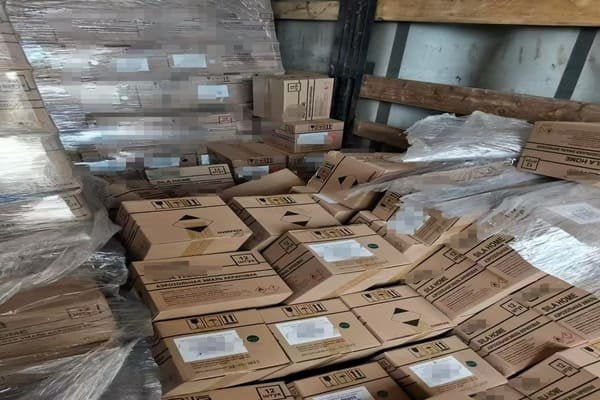
The journey for an exported product is much harder than a domestic one. Your package will be handled by many people, loaded by machines, and stacked under other heavy cargo. It has to endure vibrations on trucks, potential turbulence in planes, and even rocking motions on a ship for weeks at a time. It also faces extreme temperature and humidity changes. Good packaging is your product's first and only line of defense. I see it as an investment, not a cost. The price of a stronger box or extra cushioning is tiny compared to the cost of replacing a damaged product, paying for return shipping, and potentially losing a customer forever. A well-packaged item also tells your customer that you care about quality from start to finish. I remember a customer in Japan specifically emailed me to praise our secure packaging. That small detail built a huge amount of trust and led to repeat business.
| Reason | Impact on Your Business |
|---|---|
| Product Protection | Prevents financial loss from damaged goods and returns. |
| Cost Savings | Reduces expenses related to replacements, claims, and lost sales. |
| Regulatory Compliance | Avoids fines, seizures, and delays at international borders. |
| Customer Satisfaction | Builds brand loyalty and a reputation for quality and care. |
What are the different Types of Export Packaging?
Are you confused by all the different boxes, crates, and wraps available for shipping? Choosing the wrong one can mean your product arrives broken, spoiled, or completely unusable.
Export packaging is organized into three main levels. Primary packaging directly holds the product. Secondary packaging groups multiple primary units together. Tertiary packaging is the outer layer used for bulk handling and shipping, like a pallet wrapped in film.
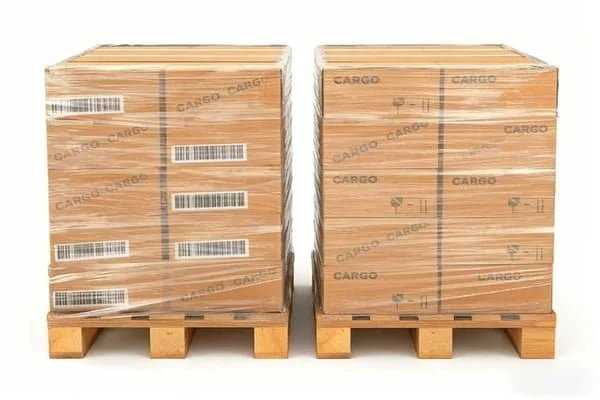
Thinking about packaging in these three layers helps me plan my shipping strategy5. Each level has a different job, and they all have to work together to protect the product until it reaches the final customer.
-
Primary Packaging This is the layer that is in direct contact with your product. It's what the end consumer sees and handles. For example, the bottle that holds a drink, the plastic wrapper on a candy bar, or the fancy box a new smartphone comes in. Its main job is to contain and protect the individual item, but it is also a huge part of your branding and marketing.
-
Secondary Packaging This layer groups a set of primary-packaged products together. Think of the cardboard box that holds 12 cans of soda or the larger carton that holds 10 smartphone boxes. Its purpose is logistical. It makes it easier for retailers to handle, stock, and display products. It adds another layer of protection but is not usually designed to withstand the rigors of international shipping on its own.
-
Tertiary Packaging This is the heavy lifter of export shipping. It’s the outermost layer used to protect goods in bulk during transit. Examples include a large wooden crate, a pallet stacked with boxes and secured with shrink wrap, or steel drums. When I ship heavy machine parts, the custom-built wooden crate is the tertiary packaging6. This is the layer that faces forklifts, container stacking, and long journeys at sea. It is absolutely essential for safe global shipping.
How are Packaging Materials Classified?
Do you know if you should use wood, plastic, or cardboard for your next shipment? Using the wrong material can lead to products being crushed, damaged by moisture, or rejected by customs.
Packaging materials are selected based on the product’s weight, fragility, and shipping environment7. Wood provides strength for heavy items. Corrugated cardboard is a versatile and cost-effective choice. Plastics offer moisture protection8, while metal provides maximum security for high-value or hazardous goods.
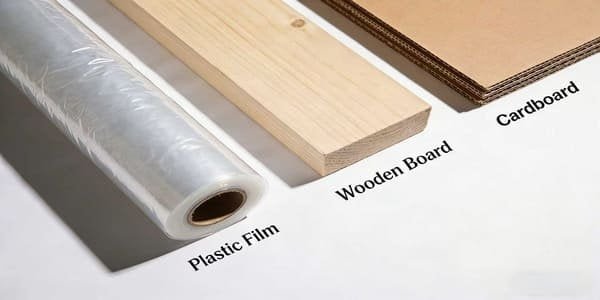
Choosing the right material is a balancing act between protection, cost, and weight. Over the years, I've learned which materials work best for different situations. For example, for fragile ceramic items, I always use a double-walled corrugated box with custom foam inserts. I then place that box inside an even larger, stronger box with cushioning material in between. This box-in-box method provides excellent shock absorption. It's about creating layers of protection tailored to the product.
Here is a simple breakdown of the most common materials I use:
| Material | Best For | Pros | Cons |
|---|---|---|---|
| Wood | Heavy, high-value, or bulky items. | Extremely strong, stackable, reusable. | Heavy, more expensive, requires ISPM 159 treatment. |
| Corrugated Fiberboard | General consumer goods, electronics. | Lightweight, low-cost, recyclable, easily customized. | Can be crushed, weakens in high humidity. |
| Plastic | Items needing moisture protection, liquids. | Waterproof, lightweight, flexible (e.g., shrink wrap). | Environmental concerns, can be punctured. |
| Metal | Hazardous materials, high-security items. | Highest strength, secure, reusable. | Very heavy, expensive, can rust if not treated. |
What are the Packaging Requirements by Region/Country?
Are you worried that your shipment will get stuck at customs in another country? Different regions have unique and strict packaging rules that can stop your goods right at the border.
Many regions have specific packaging laws. The EU, for example, has strict rules on recycling and waste. Most countries, including the US, Canada, and Australia, legally require all wood packaging to be ISPM 15 treated to prevent the international spread of pests.

I learned this lesson the hard way. Early in my career, I sent a shipment on a wooden pallet to Australia without the proper ISPM 15 stamp. The entire shipment was quarantined. I had two choices: pay a huge fee to have the goods fumigated and repacked there, or have the entire shipment destroyed. It was a massive financial hit and a huge delay for my customer. Now, I double-check the requirements for every destination country. It’s a critical step you cannot skip.
Here are some of the most common regional requirements to be aware of:
- ISPM 15: This is a global standard for wood packaging material (WPM), including pallets and crates. It requires the wood to be treated with heat (HT) or fumigated with methyl bromide (MB) to kill insects and pests. The wood must then be stamped with an official mark. This is non-negotiable for most countries.
- European Union (EU): The EU focuses heavily on environmental impact. The "Green Dot" symbol on packaging indicates that a fee has been paid to fund recycling. There are also restrictions on the use of certain materials and strict rules about labeling for recycling.
- North America (USA & Canada): Besides ISPM 15, there are specific requirements from the FDA for food and drug packaging. You also need clear country-of-origin labeling.
- Australia & New Zealand: These countries have some of the strictest biosecurity laws in the world. They are extremely vigilant about ISPM 15 and may inspect cargo for any signs of contamination, including dirt or plant matter. Always use clean, new packaging.
What Packaging Labels and Markings are required?
Are your packages covered in a confusing mix of symbols, codes, and addresses? The wrong label or a missing mark can easily get your shipment lost, mishandled, or rejected by customs.
Essential markings include the recipient's address, country of origin, and universal handling symbols like "Fragile" or "This Way Up." For hazardous materials10, specific UN numbers and hazard class labels are a legal requirement to ensure safe handling and transport.
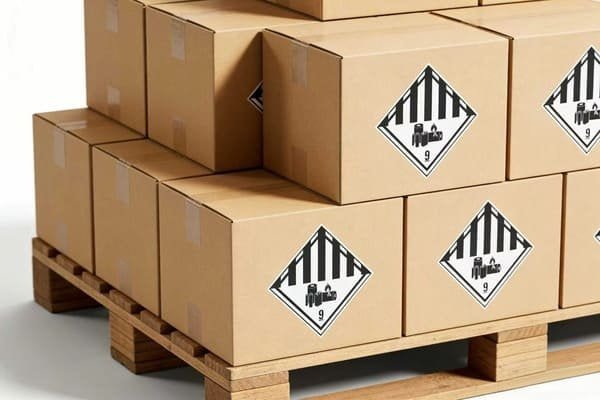
Think of labels and markings as the language of your package. They communicate vital information to every person who handles your box, from the warehouse worker to the customs agent. Clear, correct markings prevent confusion and ensure your package is treated correctly. I once had to delay a shipment for a full day just to get the right flammable liquid label printed and applied. It's a small detail, but getting it wrong has big consequences.
Here's a breakdown of the key markings your export packages need:
- Shipping Marks: This is the core information for getting the package to its destination. It should include the consignee's name and address, the port of destination, and the package number (e.g., "Box 3 of 10").
- Handling Marks: These are the universal, pictorial symbols that overcome language barriers. They tell handlers how to treat the package. Common examples include a wine glass for "Fragile," two arrows pointing up for "This Way Up," and an umbrella for "Keep Dry."
- Informative Marks: This includes helpful information for customs officials, such as the country of origin ("Made in China"), the gross and net weight of the box, and its dimensions.
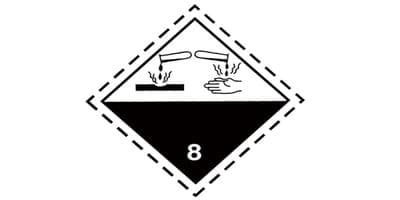
- Hazardous Materials (Hazmat) Markings: If you are shipping dangerous goods, this is the most critical part. You must display the UN number, the proper shipping name, and the correct diamond-shaped hazard label. These are strictly regulated, and failure to comply can result in huge fines and legal trouble.
What are the key Packaging Standard Certifications?
Do you know if your packaging meets international standards for safety and quality? Without the right certification, your shipment could be rejected at the border or be considered unsafe for transport.
Key certifications prove your packaging meets global standards. ISPM 15 is mandatory for all international wood packaging. UN Certification is legally required for shipping dangerous goods, and ISO 9001 demonstrates a commitment to quality management in your packaging processes.
Certifications are not just about following rules; they are about proving to the world that you are a serious, professional shipper. They provide peace of mind for you, your shipping carrier, and your customer. When we decided to start shipping a new line of products containing lithium batteries, the first thing we did was source UN-certified boxes. We test all our new packaging designs to ISTA standards before they ever carry a real product. It's a proactive step that saves us from potential disasters down the road.
Here are the certifications you absolutely need to know:
- ISPM 15: As mentioned before, this is a standard for treating wood packaging. The certification mark on the wood proves it has been treated by an approved facility and is safe to cross borders without carrying invasive pests.
- UN Certification for Dangerous Goods (DG): This is not a suggestion; it's the law. Packaging for hazardous materials must pass a series of rigorous tests, including drop tests, stacking tests, and pressure tests. The "UN" symbol in a circle on the box is proof that it is certified to carry dangerous goods safely.
- ISO 9001: This certification applies to your company's quality management system. While not specific to the package itself, having an ISO 9001 certification shows your customers and partners that you have reliable and repeatable processes for everything you do, including your packaging operations.
- ISTA (International Safe Transit Association): ISTA provides a series of test procedures that simulate the real-world shipping environment. Having your packaged product ISTA-certified gives you confidence that it can survive the journey.
What is the Impact of Different Transportation Methods on Packaging?
Do you use the exact same packaging for air freight as you do for ocean freight? That could be a very costly mistake, because each mode of transport has its own unique set of challenges.
Transportation methods require different packaging strategies. Air freight needs lightweight packaging to control costs. Ocean freight demands robust protection against moisture and extreme stacking pressure. Road and rail transport must be able to withstand constant vibration and shocks.

The journey your product takes determines the kind of protection it needs. I learned to tailor my packaging specifically to the transport method. For sea shipments to humid climates like Southeast Asia, I always add extra desiccant packs inside the boxes and use a VCI (vapor corrosion inhibitor) plastic liner to protect metal parts from rust. Moisture is the silent killer of electronics and machinery during a long sea voyage. For air freight, every gram counts, so we use lighter-weight materials but engineer the inner cushioning to be more eff
Learn effective strategies to prevent customs delays and ensure timely delivery of your products. ↩
Explore the complexities of international shipments to better prepare for potential issues like customs delays and damaged goods. ↩
Understanding export packaging is crucial for protecting goods during international shipping and ensuring compliance with regulations. ↩
Discover the best practices for packaging fragile goods to prevent damage during international shipping. ↩
Learn how to create a comprehensive shipping strategy that incorporates effective packaging solutions. ↩
Understand the role of tertiary packaging in bulk handling and its importance for safe global shipping. ↩
Learn about the various shipping environment factors that influence packaging decisions for optimal protection. ↩
Learn effective moisture protection techniques to safeguard your products during transit. ↩
Learn about ISPM 15 standards to ensure your wood packaging meets international requirements. ↩
Explore the strict packaging requirements for hazardous materials to ensure safe transport and compliance. ↩