
Are you confused by shipping acronyms? Choosing the wrong term can lead to unexpected costs and angry customers. Let's clarify the difference between DDP and POE for you.
DDP (Delivered Duty Paid) is a trade rule where the seller handles all costs and risks until the goods reach the buyer's final destination. In contrast, a POE (Port of Entry) is simply the physical location, like a seaport or airport, where goods officially enter a country.
It's easy to mix these two up, but they represent completely different parts of the shipping process. One is a set of responsibilities, and the other is a geographical point. Understanding how they relate is key to managing your international shipments effectively. In my years of experience, I've seen this confusion cause major issues. Let's dive deeper to make sure that doesn't happen to you.
What is DDP1?
Are you looking for a completely hands-off shipping solution for your buyer? Managing customs, duties, and final delivery is complex. DDP solves this by making the seller responsible for everything.
DDP, or Delivered Duty Paid, is an Incoterm2 that places maximum responsibility on the seller. The seller must cover all costs and risks to transport the goods to the buyer's named destination, including import duties3 and taxes. The buyer just has to receive the goods.
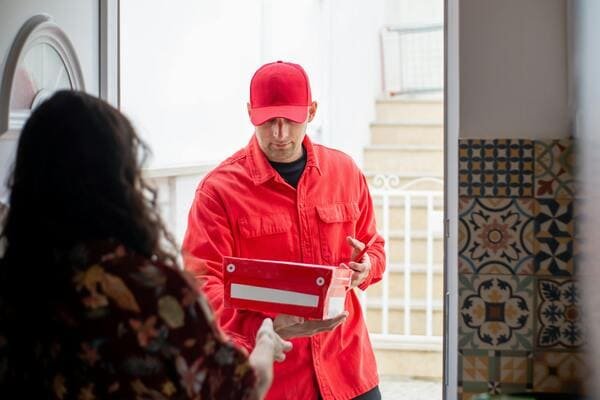
When you choose DDP, you are offering your customer a seamless, door-to-door service. As the seller, you (or your logistics partner4 like us at DeepLinker) arrange for carriage, handle export and import clearance, and pay any required duties and taxes. The risk only transfers to the buyer once the goods are at their final destination and ready for unloading. This is the ultimate white-glove service in international trade. It’s perfect for e-commerce sellers or when you want to provide the best possible experience for a new client. However, it requires deep knowledge of the destination country’s import regulations. If you, as the seller, cannot handle import clearance in a country like Germany or Brazil, DDP is a very risky choice. You must have a reliable partner on the ground who can manage these complex steps for you.
What is POE5?
Ever wonder where your shipment officially enters a new country? Not knowing this location can leave you in the dark about customs and potential delays. The POE is this critical entry point.
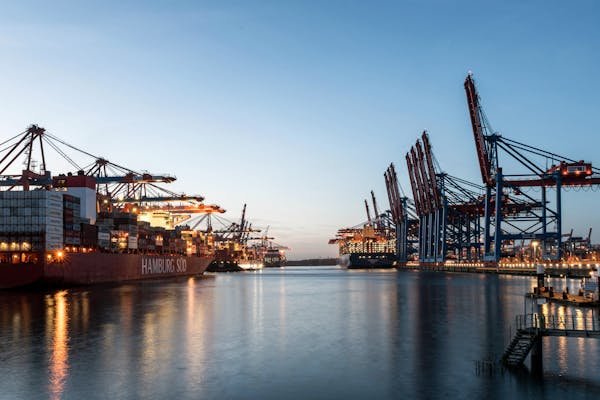
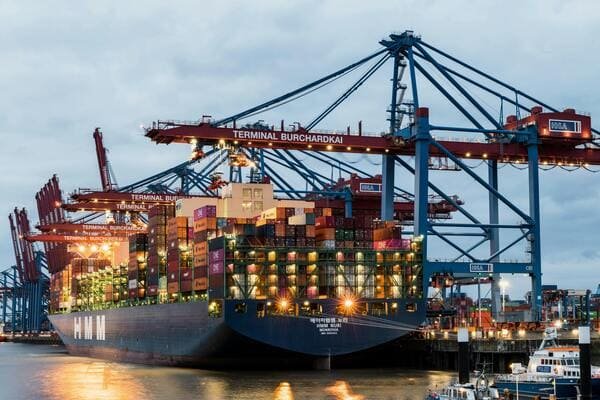
A POE, or Port of Entry, is any official location where goods and people can lawfully enter a country. This can be a seaport, airport, or land border crossing. It is where customs authorities inspect shipments and collect duties before they are released for domestic transit.
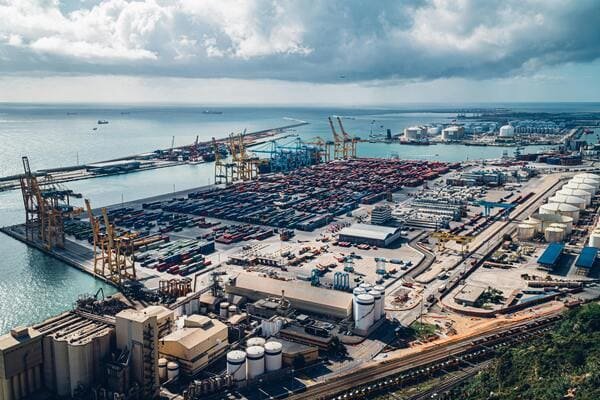
The Port of Entry is a physical place, not a rule or a contract term. Every international shipment must pass through a POE in the destination country. For example, if you are shipping from Shenzhen to the United States, your POE might be the Port of Los Angeles or JFK Airport. At the POE, customs officials will check your cargo against the documents you provided. They ensure your goods are compliant and calculate the duties and taxes owed. The key thing to remember is that what happens at the POE is determined by the Incoterm you use. The POE itself is just a checkpoint. Who is responsible for the activities at this checkpoint—the seller or the buyer—is defined by terms like DDP, DAP, or FOB. It is a mandatory stop on the journey, not the journey itself.
Different by Nature: A Logistics Node vs. A Trade Term
Do you find yourself comparing DDP and POE as if they are two similar options? This common mistake can completely derail your logistics planning. They are fundamentally different things you can't compare.
The core difference is that DDP is a contractual trade term that defines responsibilities and costs. A POE is a physical location, a node in the logistics network6. You choose a trade term, but you don't choose a POE in the same way; it's determined by the route.
Let's use an analogy to make this clear. Think of shipping goods like planning a road trip. The Incoterm, like DDP, is your travel plan. It decides who drives, who pays for gas, who pays for tolls, and who is responsible if the car breaks down. The Port of Entry, on the other hand, is like a major city or a border crossing on your map. It's a point you must pass through to get to your destination. You cannot compare the travel plan (DDP) with the city (POE). They serve completely different functions. DDP is a rule from the International Chamber of Commerce that governs the entire journey. The POE is just one important stop along that journey. Understanding this distinction is the first step to mastering your supply chain7 and avoiding costly confusion.
Customs Clearance Responsibility: Who Handles the Customs?
Worried about your shipment getting stuck in customs? A documentation error can cause long delays and fees. Deciding who handles customs clearance8 is one of the most critical parts of shipping.
Under the DDP term, the seller is fully responsible for handling and paying for customs clearance in the destination country. At the POE, the responsibility for customs depends entirely on the Incoterm chosen for the shipment, not the location itself.
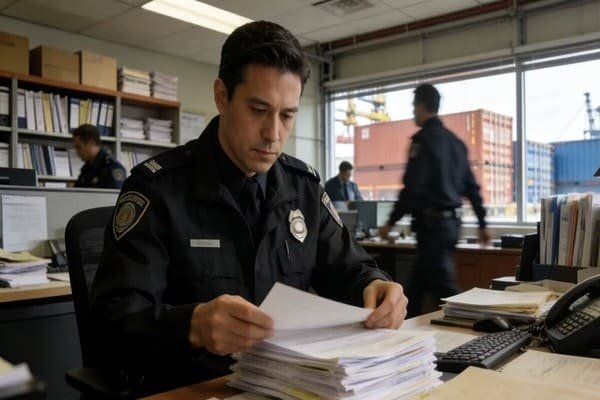
With DDP, the burden is entirely on the seller. We, as your logistics partner, would prepare all the necessary import declarations, work with customs brokers in the destination country, and ensure all duties and taxes are paid before the goods are delivered. Your buyer doesn't have to do anything. This is a huge advantage for them.
However, if you use a different Incoterm, the story changes. For example, under Delivered at Place (DAP), the seller is responsible for getting the goods to the destination, but the buyer is responsible for import clearance and paying duties. In this case, the shipment arrives at the POE, and the buyer's customs broker must take over. If the buyer is inexperienced or unprepared, the shipment will sit at the port, racking up storage fees. The POE is where clearance happens, but DDP dictates who does the work there.
Risk Transfer Point: When Does the Seller’s Liability End?
Are you concerned about who is responsible if your cargo gets damaged during transit? Knowing exactly when that risk transfer9s from you to your buyer is essential for protecting your business.
With DDP, the seller bears all risk until the goods are delivered to the buyer's final destination and are ready for unloading. The POE is often just a milestone in this process, not the point where risk transfers.
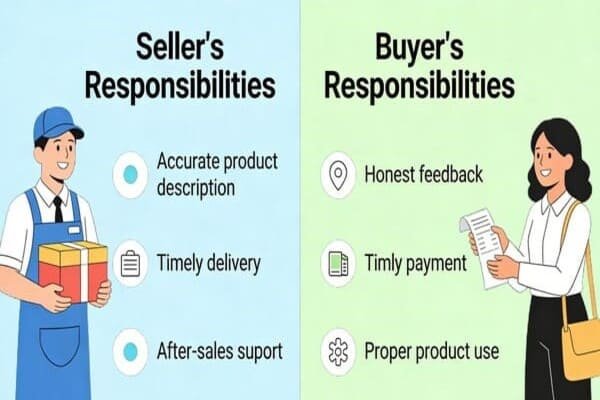
Imagine you are shipping fragile outdoor equipment from China to a retail store in Germany. If you use DDP, you are responsible for that equipment's safety for the entire journey. This includes the ocean voyage, unloading at the Port of Hamburg (the POE), customs clearance, and the final truck journey to the store. If the container is dropped by a crane at the port, it's the seller's loss. The risk only transfers to the German buyer when the truck arrives at their warehouse.
In contrast, with other terms like Free on Board (FOB), the risk transfers to the buyer much earlier, once the goods are loaded onto the ship at the port of origin. In that scenario, any damage that occurs at the destination POE would be the buyer's problem. The POE is a high-risk point for damage or loss, so knowing who holds the liability there is critical.
Impact on Customer Experience & Supply Chain Control
Do you want to provide a seamless, Amazon-like experience for your customers? Or do you need to give them more control over the final leg of the delivery? This choice defines your relationship.
DDP offers the best customer experience by removing all logistics burdens from the buyer. However, it requires the seller to have complete control and expertise over the entire supply chain, especially within the destination country.
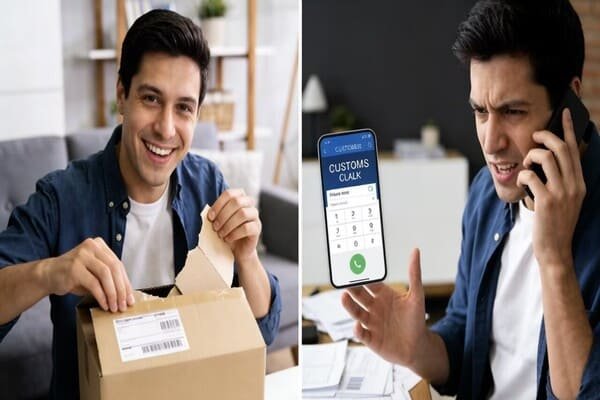
For the end customer, especially in e-commerce or for buyers who are not logistics experts, DDP is perfect. They place an order and it arrives at their door. They don't have to worry about customs, taxes, or arranging local delivery. This simplicity can be a powerful competitive advantage for you.
But this simplicity for the buyer means complexity for the seller. To offer DDP, you must have a deep understanding of the regulations at the destination POE and beyond. You need a reliable network to handle customs and final delivery. This is where a partner like DeepLinker becomes essential. We have that global network and expertise. If you lack this control, DDP is a gamble. You could face unexpected customs hurdles or high fees that destroy your profit margin. Opting for a term that ends at the POE gives the buyer control, but also the responsibility.
Comparison Summary
Feeling overwhelmed by the details? How can you quickly compare DDP against the events that happen at a POE? Let's put it all into a simple, clear table.
Here is a quick summary. DDP is a comprehensive rule covering the entire process, while the POE is a physical point where specific actions, dictated by the Incoterm, take place. This table breaks down the key differences we've discussed.
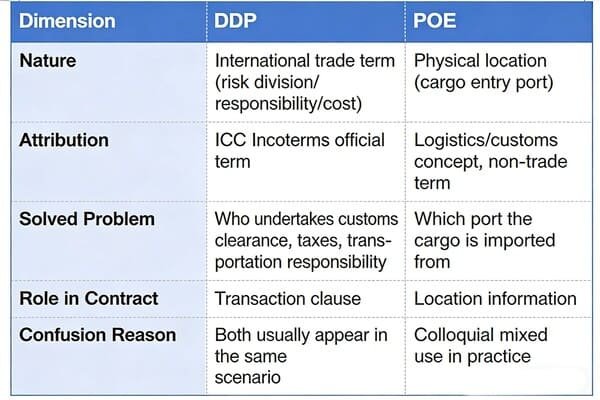
To make it easy to remember the key differences, I've created this summary table. It directly compares the responsibilities under the DDP term against what generally happens at the Port of Entry under different scenarios. This should serve as a useful reference when you are deciding which shipping arrangement best suits your needs and the capabilities of your buyer. Choosing correctly is fundamental to managing your costs, risks, and, most importantly, keeping your customers happy.
| Feature | DDP (Delivered Duty Paid) | Actions at the POE (Port of Entry) |
|---|---|---|
| What is it? | An Incoterm (a rule) defining the seller's maximum obligation. | A physical location (a place) where goods enter a country. |
| Cost Responsibility | Seller pays for everything, including import duties and taxes. | Depends on the Incoterm. For DDP, seller pays. For others, buyer may pay. |
| Risk | Seller holds risk until the goods are at the buyer's final door. | A high-risk point. Liability here depends on the chosen Incoterm. |
| Customs Clearance | Seller's responsibility. | The physical location where clearance happens. Responsibility depends on the Incoterm. |
| Buyer's Experience | Simple and hands-off. The buyer just receives the goods. | Can be complex if the buyer is responsible for clearance and onward transport. |
| Seller's Control | Seller needs total control and expertise in the destination country. | Seller's control often ends here if not using DDP. |
Conclusion
In summary, DDP is a comprehensive service rule, while the POE is a physical checkpoint. Choose based on your control over destination logistics and your buyer's capabilities.
Understanding DDP is crucial for sellers to manage costs and responsibilities effectively. ↩
Understanding Incoterms is essential for defining shipping responsibilities and costs. ↩
Understanding import duties helps sellers manage costs and avoid surprises. ↩
Choosing the right logistics partner is crucial for successful international shipping. ↩
Learn about POE to grasp where goods officially enter a country and its implications. ↩
A strong logistics network is essential for efficient international shipping. ↩
Optimizing your supply chain can lead to cost savings and improved efficiency. ↩
Learn about customs clearance to avoid delays and ensure smooth delivery. ↩
Understanding risk transfer helps sellers protect their interests during shipping. ↩