
The world of logistics is changing fast, making it hard to plan. This uncertainty can hurt your business. Understanding the key trends for 2026 will give you an edge.
By 2026, global logistics will be defined by ongoing disruptions, the rise of new trade hubs like Southeast Asia, and the essential role of AI1. Success will depend on building flexible, tech-driven supply chains2 that can adapt to constant change and unpredictable costs.

I've been in this industry for over 20 years, and I've never seen a period of such rapid change. It feels like the rulebook is being rewritten every few months. For business owners like you, this can be incredibly stressful. But I've also seen that those who face these changes head-on don't just survive; they thrive. The key is to stop waiting for things to go "back to normal" and start building a business that's ready for anything. Let's break down what the future holds and how you can prepare for it.
Are Supply Chain Disruptions Becoming the New Normal?
Constant disruptions are destroying your shipping schedules. This costs you time, money, and the trust of your customers. The best approach is to accept this and build a stronger strategy.
Yes, disruptions from geopolitical events3, climate change, and labor issues4 are now a regular part of logistics. Businesses must stop waiting for stability and start building resilience and agility directly into their supply chains to succeed.
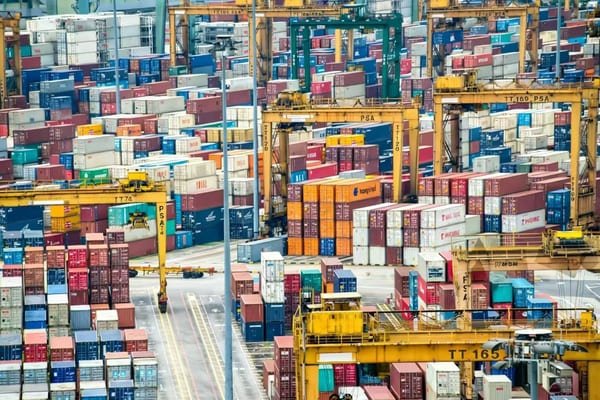
For a long time, we could plan shipments months in advance with a high degree of certainty. Those days are over. We must now treat disruptions as a standard operational factor, not a rare exception. I remember a client last year whose cargo of high-value electronics was stuck due to a sudden port strike. The old way was to wait it out. The new way, which we executed, was to immediately work on a multi-modal solution, trucking the cargo to a different port and getting it on the next available vessel. It required quick thinking and a flexible network. This is the new reality. To navigate it, you need to understand the main sources of these issues.
Key Disruption Categories
| Disruption Type | Examples | Impact on Your Business |
|---|---|---|
| Geopolitical | Red Sea conflict, trade tariffs, wars | Route changes, longer transit times, increased insurance costs. |
| Climate-Related | Low water levels in canals, extreme weather | Port closures, vessel delays, capacity shortages5. |
| Labor & Economic | Port strikes, driver shortages, inflation | Congestion, increased labor costs, unpredictable service. |
Building resilience means having backup plans. This includes qualifying secondary suppliers in different regions and working with a logistics partner who has access to multiple carriers and shipping modes.
Is Ocean Freight Capacity Increasing but Rates Remain Unpredictable?
You see reports of new ships, but your freight quotes are still a mess. This volatility makes it impossible to budget accurately for your shipments and protect your profit margins.
Yes, many new vessels are entering service, which theoretically increases capacity. However, carriers use blank sailings, slow steaming, and route diversions to manage supply. This means freight rates will likely stay volatile and unpredictable through 2026.
It’s a confusing situation for many exporters. The news says global fleet capacity is growing, so you expect rates to go down. But they don't, or they swing wildly from week to week. The reason is that ocean carriers have become masters at managing capacity to match demand. If bookings are low, they will cancel a sailing (a "blank sailing") to keep the ships they do send full and the rates high. We also see this with route changes. The diversions around Africa to avoid the Red Sea, for example, add 10-14 days to a voyage. This absorbs a huge amount of capacity because ships are at sea longer, effectively reducing the number of available vessels at any given time.
Factors Keeping Rates Volatile
- Carrier Alliances: Major shipping lines work together to manage routes and capacity, giving them significant control over pricing.
- Blank Sailings: Carriers strategically cancel sailings to prevent rates from falling when demand is weak.
- Port Congestion: Bottlenecks at major ports can tie up vessels for days or weeks, removing them from circulation and creating artificial shortages.
- Fuel & Geopolitics: Fluctuating oil prices and geopolitical tensions add surcharges and risk premiums that change constantly.
Your strategy should be to work with a partner like us who can offer a mix of short-term spot rates and long-term contracts to balance cost and stability.
Are Southeast Asia and India Becoming Key Trade Hubs?
Relying only on China for your manufacturing has become a big risk. A single policy change or lockdown there could shut down your entire supply chain and halt your business.
Absolutely. The "China+1" diversification strategy is no longer just a concept; it's a reality. Countries like Vietnam, India, Indonesia, and Mexico are rapidly growing as manufacturing and sourcing hubs, becoming essential to global trade.

The shift away from a single-source dependency on China is one of the biggest trends I've seen. Companies are actively looking for alternatives to de-risk their supply chains. This "China+1" strategy means they keep a significant portion of their manufacturing in China but add a second or even third source country. This has fueled massive investment and growth in other regions. For example, we are now handling a huge volume of electronics from Vietnam and textiles from India for clients who, just five years ago, sourced 100% from China. While these new hubs offer great opportunities, they also come with their own logistics challenges, such as less-developed infrastructure or complex customs procedures.
Comparing Emerging Sourcing Hubs
| Region | Key Industries | Primary Logistics Advantage |
|---|---|---|
| Vietnam | Electronics, Furniture, Apparel | Proximity to China for raw materials, established sea routes. |
| India | Pharmaceuticals, Textiles, Chemicals | Large labor pool, growing domestic market, strategic location. |
| Mexico | Automotive, Electronics, Medical Devices | Proximity to the U.S. market (USMCA benefits), mature road/rail network. |
Success in 2026 will involve building a sourcing map6 that includes these new powerhouses. It requires a logistics partner with on-the-ground expertise in these specific regions.
Are AI and Digitalization Transforming Logistics Operations?
You are tired of manual processes, endless paperwork, and a lack of visibility. This old way of working slows you down and makes you feel like you have no control over your cargo.
Yes, AI and digitalization7 are fundamentally changing logistics. By 2026, they will be essential tools for real-time tracking, predictive analytics, and process automation. This technology provides the visibility and efficiency needed to manage a modern supply chain.

For years, "digitalization" was a buzzword. Now, it's a practical tool we use every day. AI is no longer science fiction; it's helping us make better decisions. For instance, instead of just tracking a ship, AI platforms can now analyze weather patterns, port congestion8 data, and vessel schedules to predict potential delays before they happen. This allows us to proactively alert a client and start working on a solution. I had a case where AI predicted a two-week delay at the Port of Los Angeles. We were able to reroute the containers to a less congested port and arrange for trucking to the final destination, saving the client from a costly stockout. Digital platforms bring all this information into one place, so you're not chasing down emails or calling different agents for updates.
Practical Applications of Technology in Logistics
- Predictive Analytics: AI algorithms forecast demand, predict delays, and suggest optimal inventory levels.
- Real-Time Visibility: GPS and IoT sensors on containers provide end-to-end tracking, from the factory floor to the final destination.
- Process Automation: Software automates booking, documentation, and customs clearance, reducing human error and saving time.
- Route Optimization: AI analyzes fuel costs, transit times, and risks to find the most efficient route for every shipment.
Adopting these tools is no longer optional. They are critical for anyone who wants to operate an efficient and predictable supply chain.
Will Cost Control and Flexibility Define Successful Exporters in 2026?
Your logistics costs keep rising and eating into your profits. At the same time, rigid, outdated plans mean you can't react quickly when the market or your supply chain changes.
Definitely. In the unpredictable landscape of 2026, the most successful exporters will be masters of both cost control and flexibility. The key is to build a nimble supply chain that can pivot quickly without incurring unnecessary expenses.

Many people think that flexibility9 is expensive. They believe locking into one low-cost route is the best way to save money. But in today's world, that rigidity is a liability. A cheap route can become incredibly expensive if it gets disrupted and your goods are stuck for a month. True cost control10 in 2026 will come from having options. It’s about creating a supply chain that can bend without breaking. This requires a strategic, not just a transactional, approach to logistics. It's less about finding the cheapest price for one shipment and more about designing a system that delivers value and reliability over the long term.
How to Build a Flexible, Cost-Effective Supply Chain
1. Diversify Your Shipping Modes
Don't rely solely on ocean freight11. For urgent stock, a partial air freight shipment might be worth the cost to avoid a stockout. For inland transit, compare rail and trucking options. A good logistics partner can help you create a multi-modal strategy that balances speed and budget.
2. Create an Agile Sourcing and Distribution Network
Instead of shipping everything from one factory to one warehouse, explore your options. Can you use regional distribution centers closer to your end customers? Can you source from both Vietnam and Mexico to serve different markets? This reduces transit times and risks.
3. Partner with a Strategic Logistics Provider
This is where we at Deeplinker come in. A true partner does more than just move boxes. We help you analyze your entire supply chain, identify risks, and build the flexible network you need. With our expertise in complex cargo and our global network, we provide the options and advice that allow you to be both cost-conscious and incredibly resilient.
Conclusion
To succeed in 2026, you must embrace change. The winners will be those who stay flexible, adopt new technology, and diversify their supply chains. Start preparing now to lead the pack.
Discover how AI is revolutionizing logistics, enhancing efficiency, and providing real-time tracking capabilities. ↩
Learn strategies for creating flexible supply chains that can adapt to disruptions and changing market conditions. ↩
Find out how geopolitical tensions can disrupt logistics and what businesses can do to prepare. ↩
Explore the impact of labor shortages and strikes on logistics operations and supply chains. ↩
Learn about the factors leading to capacity shortages and how they affect shipping and logistics. ↩
Learn how to develop a sourcing map that includes emerging trade hubs for better supply chain management. ↩
Discover the impact of digitalization on logistics processes and how it can streamline operations. ↩
Understand the factors contributing to port congestion and its effects on shipping schedules. ↩
Understand the significance of flexibility in logistics and how it can lead to better cost control. ↩
Learn effective strategies for managing logistics costs while maintaining service quality. ↩
Get insights into the complexities of ocean freight rates and how to navigate this volatile market. ↩