


Worried about shipping lithium batteries1? The rules are complex and mistakes are costly. I'll show you the essential steps to ensure your batteries arrive safely and without any issues.
To ship lithium batteries safely, you must correctly classify them, use UN-spec packaging2, apply proper labels, and complete accurate documentation. Each step is critical for compliance and preventing incidents like fires during transit. We handle this precision for you, ensuring a smooth process.
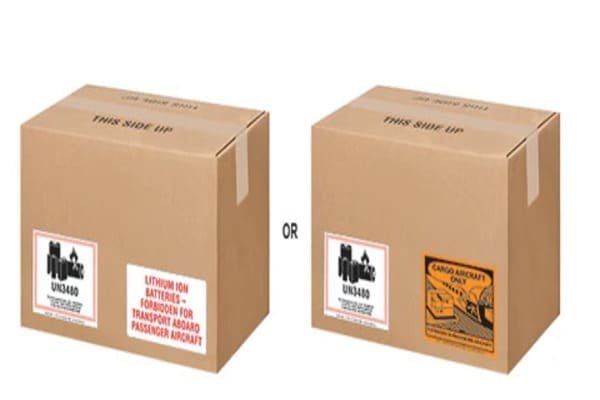
Following these steps is crucial. But to really get it right, we need to look closer at the details. Let's break down why these batteries are so tricky in the first place. This knowledge will help you avoid common pitfalls and keep your shipments moving smoothly from origin to destination.
Why Are Lithium Batteries So Challenging to Ship?
Lithium batteries seem harmless, but they hide a real fire risk3. A small mistake in shipping can lead to disaster. Let's look at why they are regulated so strictly.
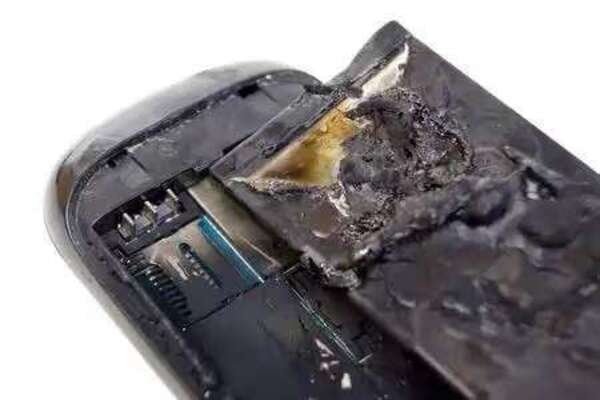
Lithium batteries are challenging because they contain high energy and flammable electrolytes. If damaged or short-circuited, they can overheat in a process called thermal runaway4. This can cause fires or explosions that are very difficult to extinguish, posing a significant risk during transport.
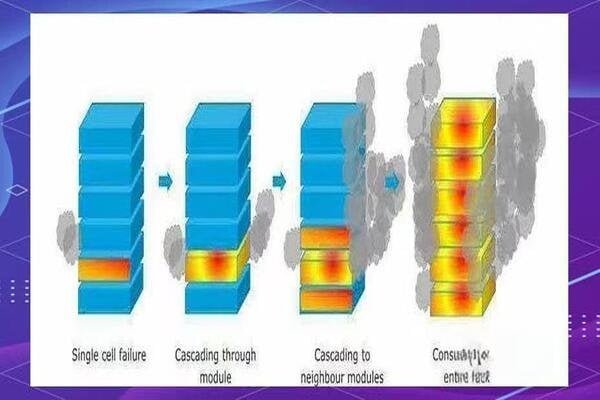
The Risk of Thermal Runaway
The main danger with lithium batteries is something called thermal runaway. This is a chain reaction that can happen if a battery is damaged, short-circuited, or exposed to high heat. The internal temperature of the battery rises, causing it to release flammable gases. This heat can spread to other battery cells nearby, creating a domino effect. The result can be a fire or even an explosion. I remember a case where a poorly packed pallet of used laptop batteries started smoking in a warehouse. The quick response of the staff prevented a major fire, but it highlighted the hidden danger. These fires are especially hard to put out with traditional fire extinguishers, making them a huge concern, especially on an airplane. This is why we treat every battery shipment with extreme care.
Why They Are Regulated as Dangerous Goods
Because of the risk of thermal runaway, international transport authorities5 classify all lithium batteries as Class 9 Dangerous Goods. This isn't just a label; it means they are subject to very specific rules. These regulations are designed to minimize risk during transit. For example, pressure changes in an aircraft's cargo hold can put stress on battery casings. Physical impacts from rough handling can cause internal damage that isn't visible from the outside. The regulations force shippers to package batteries in a way that protects them from these real-world conditions. My team and I focus on ensuring that every package not only meets but exceeds these standards. It's the only way to guarantee safety.
| Risk Factor | Standard Alkaline Battery | Lithium-Ion Battery |
|---|---|---|
| Energy Density | Low | Very High |
| Flammability | Low (can leak corrosive fluid) | High (flammable electrolyte) |
| Key Risk | Leaking | Thermal Runaway (Fire/Explosion) |
| Regulation | Not regulated as Dangerous Goods | Regulated as Class 9 Dangerous Goods |
How Are Lithium Batteries Classified for Shipping?
Getting the classification wrong is a common, costly mistake. It can get your shipment stopped cold. Let's clarify the system so you can get it right every time.
Lithium batteries are classified by their type (ion or metal) and how they are packed. The main UN numbers are UN3480 (batteries alone), UN3481 (packed with equipment), UN3090 (metal batteries alone), and UN3091 (metal batteries packed with equipment). Watt-hour ratings6 are also critical.

Understanding the UN Numbers
The first step in shipping lithium batteries is to identify the correct UN number. This code tells carriers exactly what they are dealing with. The classification depends on two things: the battery chemistry and whether the batteries are shipped by themselves or with a device.
- UN3480: This is for lithium-ion batteries shipped by themselves. These are the rechargeable batteries found in laptops and smartphones.
- UN3481: This is for lithium-ion batteries that are packed with or contained in equipment. A new phone in its box is a perfect example.
- UN3090: This is for lithium-metal batteries shipped by themselves. These are typically non-rechargeable batteries, like the coin cells in a watch or car key fob.
- UN3091: This is for lithium-metal batteries that are packed with or contained in equipment.
I've seen many clients confused about this. They think all batteries are the same. We always start by asking for the battery's specification sheet. This document is essential.
The Importance of Watt-hours (Wh) and Lithium Content
The size of the battery matters a lot. Smaller batteries have fewer restrictions than larger ones. For lithium-ion batteries, the key metric is the Watt-hour (Wh) rating. For lithium-metal batteries, it's the total lithium content7 in grams. The regulations have important thresholds:
- 100Wh for lithium-ion cells/batteries.
- 2g lithium content for lithium-metal cells/batteries.
Shipments with batteries below these thresholds often qualify for simpler shipping provisions, known as "Section II". Shipments with batteries exceeding these limits fall under stricter rules ("Section I"), which require full dangerous goods8 handling, including a Shipper's Declaration9. I always tell my clients that finding the Watt-hour rating on the spec sheet is the most important first step to compliance. It dictates everything that follows, from packaging to documentation.
How Do You Prepare Lithium Batteries for Shipping?
You've classified your batteries, but now what? Proper packaging is your first line of defense against accidents. One wrong move can compromise the entire shipment's safety.
You must use UN-specification packaging that has been tested for strength. Each battery needs protection from short circuits10, often with non-conductive tape on terminals or individual bags. Strong outer boxes and correct hazard labels11 are mandatory to complete the preparation.
Step 1: Preventing Short Circuits
The absolute top priority when packing is to prevent short circuits. If battery terminals touch each other or a conductive surface like metal, it can trigger thermal runaway. We prevent this in several ways. First, we cover all exposed terminals with non-conductive tape. Second, we place each battery in its own fully-enclosed inner packaging, like a small plastic bag or a separate cardboard partition. This stops them from touching. Third, we add filler material like bubble wrap to ensure the batteries cannot move or shift around inside the box during transit. I've seen firsthand how a single loose battery can cause chaos, so we are meticulous about making sure every battery is secure and isolated before the box is sealed. It's a non-negotiable part of our process.
Step 2: Using UN-Specification Packaging
You cannot use just any cardboard box. The regulations require the use of UN-specification packaging. These boxes have been designed and tested to withstand the rigors of transport, including drop tests, stacking pressure tests, and vibration tests. You can identify this packaging by the "UN" mark printed on the side of the box. This mark indicates that the box meets international standards. A client once tried shipping batteries in a regular box to save money. The shipment was immediately rejected at the cargo terminal. We had to rush to the airport, retrieve the goods, and repackage the entire shipment in proper UN-rated boxes. This caused a two-day delay and extra costs. It's a clear lesson in not cutting corners on safety.
Step 3: Labeling and Documentation
Once the batteries are securely packed in a UN-rated box, the final step is to apply the correct labels and prepare the documentation. The labels communicate the hazard to everyone who handles the package. The required markings typically include:
- Class 9 Hazard Label: The black-and-white striped diamond that signals miscellaneous dangerous goods.
- Lithium Battery Mark: A rectangular mark that includes the UN number and a contact phone number.
- Cargo Aircraft Only (CAO) Label: This is mandatory for certain battery shipments that are forbidden on passenger aircraft.
In addition to labels, most shipments require a Shipper's Declaration for Dangerous Goods. This is a formal document where I, as the shipper, declare exactly what is in the box and confirm that it has been packed according to regulations. Accuracy here is critical, as any error can lead to rejections.
Shipping by Air vs. Ocean, Road, or Rail: What Changes?
Think your battery shipment is ready for any transport? The rules change depending on the mode. What's okay for a truck might be forbidden on a plane.
Air transport (IATA) has the strictest rules, especially for standalone batteries (UN3480/UN3090), which are often banned on passenger aircraft. Ocean (IMDG), road (ADR), and rail (RID) are generally more flexible but still require full compliance with packaging, labeling, and documentation standards.

Air Freight (IATA DGR) - The Strictest Rules
Shipping batteries by air is governed by the IATA Dangerous Goods Regulations (DGR), and they are the most restrictive. The biggest rule to know is that standalone lithium-ion batteries (UN3480) are strictly forbidden as cargo on passenger aircraft. They must be shipped on "Cargo Aircraft Only" (CAO) flights. This is because of the extreme difficulty of fighting an in-flight fire. The rules also impose stricter limits on the number of batteries and the total net weight allowed per package compared to other transport modes. I always double-check the latest IATA regulations before preparing any air shipment, as the rules are updated annually. For urgent shipments that must fly, we ensure every detail, from the state of charge to the specific labeling, is met to the letter.
Ocean, Road, and Rail (IMDG, ADR, RID)
Shipping by ocean, road, or rail is generally more flexible. The regulations—IMDG Code for ocean, ADR for road, and RID for rail—are more harmonized and often allow for larger quantities of batteries to be shipped in a single container or truck. While a fire is still a serious risk, it is more manageable on a ship or on the ground than it is at 35,000 feet. For large-volume shipments, ocean freight12 is often the best choice. For sea shipments, we must ensure the shipping container itself is properly placarded on all four sides to warn port and vessel staff of the contents. We often advise clients to use ocean freight for their large battery stock movements if time allows. It's not only more cost-effective but also navigates fewer quantity restrictions than air freight.
| Transport Mode | Governing Body | Key Restriction Example |
|---|---|---|
| Air | IATA (DGR) | Standalone lithium-ion batteries (UN3480) are forbidden on passenger aircraft. |
| Ocean | IMO (IMDG Code) | Requires container placarding for large shipments. Less restrictive on quantities per package. |
| Road | UNECE (ADR) | More flexible, with exemptions for small "Limited Quantities" (LQ) shipments. |
| Rail | OTIF (RID) | Rules are very similar to road transport (ADR). |
Conclusion
Shipping lithium batteries is complex but manageable with precision. By focusing on correct classification, packaging, and labeling, your shipments will move safely from origin to destination.
Understanding the regulations is crucial for safe shipping and compliance. ↩
Learn about the importance of using UN-spec packaging to ensure safety during transport. ↩
Learn about the fire risks to take necessary precautions during shipping. ↩
Explore the risks of thermal runaway and how to prevent it during shipping. ↩
Explore how transport authorities regulate lithium battery shipping for safety. ↩
Discover how Watt-hour ratings impact shipping regulations and compliance. ↩
Understand how lithium content affects shipping regulations and safety measures. ↩
Get informed about dangerous goods classifications to avoid costly shipping mistakes. ↩
Understand the importance of accurate documentation in shipping lithium batteries. ↩
Learn effective methods to prevent short circuits and ensure battery safety. ↩
Learn about the necessary hazard labels to ensure safe handling of your shipment. ↩
Explore the advantages of ocean freight for large battery shipments and cost savings. ↩