

Are your customers frustrated with shipping delays1 and poor communication? This damages your reputation and costs you business. We can fix this with a customer-centric approach2.
To improve customer satisfaction, focus on reliability, clear communication3, and professional problem-solving4. Being a trustworthy partner5 who provides timely updates and expert solutions is key. This builds long-term loyalty6 and strengthens your supply chain7.

I remember a client, David from Germany, who was struggling with unpredictable shipping times from his previous provider. He felt completely in the dark, which made it impossible for him to manage his retail chain's inventory. This experience made me realize that good logistics isn't just about moving boxes; it's about building trust and providing peace of mind. So, let's explore how we can do that for your business, starting from the very beginning.
What does it mean to understand customer service8 in logistics?
Do you think customer service8 is just an optional add-on? This thinking leads to missed opportunities and unhappy clients. Let’s see it as the core of your entire operation.
Understanding customer service8 in logistics means seeing every interaction as a chance to build trust. It's about being proactive, reliable, and transparent. It’s not just answering calls; it’s anticipating needs and providing solutions before problems even arise.

To truly understand customer service8, we have to look beyond the basic tasks of shipping and delivery. It's about shifting our mindset from being just a vendor to becoming a vital partner in our client's success. This means we must be deeply invested in their outcomes.
Moving Beyond the Transaction
A transactional relationship9 is simple: a client pays for a service, and we provide it. But this view is very limited. A partnership, on the other hand, is collaborative. I once worked with an e-commerce seller who was launching a new product. Instead of just giving them a quote, we discussed their sales forecast and marketing schedule. This allowed us to plan a phased shipping schedule that matched their inventory needs and cash flow, preventing stockouts during their big launch. That's the difference. We weren't just a shipping company; we were part of their launch strategy.
The Power of Empathy
Empathy is about putting yourself in your customer's shoes. Imagine the pressure a purchasing manager is under when a critical shipment of components is delayed. It doesn't just affect a delivery date; it can halt an entire production line. Understanding this pressure changes how we communicate. Instead of just reporting a delay, we should explain the situation, present alternative solutions, and provide constant updates. This shows we care about their business, not just our part of the job.
| Feature | Basic Service (Vendor) | Exceptional Service (Partner) |
|---|---|---|
| Communication | Reactive, reports problems as they happen. | Proactive, provides regular updates and anticipates questions. |
| Problem Solving | Informs the client of an issue. | Solves the issue and suggests preventive measures for the future. |
| Goal | Complete the shipment. | Help the client’s business succeed. |
What is the real definition and importance of customer service8 in logistics?
Are you losing clients to competitors even with similar pricing? The problem might not be your rates, but your service quality. Let's define what great service truly means.
Customer service in logistics is the commitment to providing a reliable, transparent, and supportive experience. Its importance lies in building loyalty, creating a competitive advantage, and turning your logistics function from a cost center into a value driver for your business.
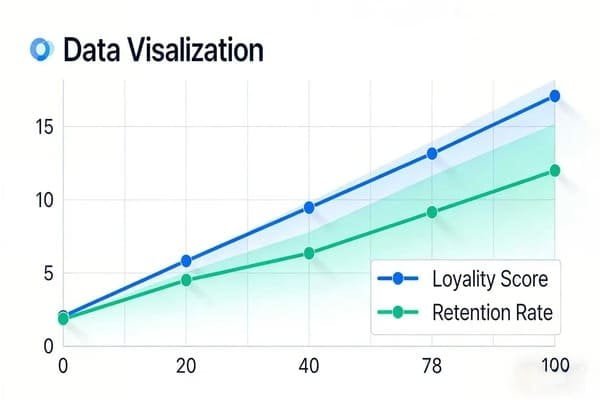
For years, I've seen companies focus only on speed and cost. But the clients who stay with us for the long haul are the ones who value something more. They value trust. That trust is built on a clear definition of service and a deep understanding of why it matters more than anything else.
Defining the Core Pillars
Exceptional service isn't a vague idea. It stands on three solid pillars that we must deliver on every single day.
- Reliability: This is the foundation. It means your shipments arrive on time and in perfect condition. It's about keeping your promises. If we say a container of dangerous goods will be handled with specific protocols, we follow those protocols without fail.
- Communication: This is about providing clarity and transparency. Clients should never have to wonder where their cargo is. We must provide them with easy access to tracking and a human contact who can answer their questions quickly and professionally.
- Problem-Solving: Things can go wrong in logistics. A port can get congested or a customs inspection can cause a delay. The true test of a logistics partner is not if problems happen, but how we respond when they do. We must offer professional solutions, not excuses.
Why It’s Your Biggest Asset
Focusing on these pillars is important because great service directly impacts your bottom line. It’s often cheaper to keep a loyal customer than to find a new one. A happy client, like a brand owner in the US I work with, not only continues to use our services for their complex Ro-Ro shipments but also recommends us to others in their network. This word-of-mouth marketing is priceless. Furthermore, excellent service reduces errors, prevents costly delays, and minimizes claims for damaged goods. This efficiency doesn't just save us money; it saves our clients money too, making their entire supply chain7 more profitable.
What are the best strategies for exceptional customer service8 in logistics?
Are your service efforts falling flat? Random acts of good service are not a strategy. You need a consistent, repeatable plan to truly impress your customers every time.
Key strategies include investing in technology for real-time tracking, training10 your team to be proactive problem-solvers, and creating clear communication3 protocols. Personalizing the service and regularly asking for feedback are also essential for continuous improvement and lasting success.

Just wanting to provide good service is not enough. You need to build a system that enables it. Over my 20 years in this industry, I've learned that the best strategies are the ones that are simple, clear, and focused on the customer's experience. It's about giving your team the right tools and the right mindset.
Technology as a Service Enabler
In today's world, technology is not just a bonus; it's a necessity. A client shipping high-value electronics from Shenzhen to Los Angeles needs to know where their cargo is at all times. We provide them with a simple online portal where they can see real-time updates. This technology also allows us to send automated alerts11 for key milestones, like "customs cleared" or "out for delivery." This proactive communication12 reduces anxiety for the client and cuts down on the number of "where is my shipment?" calls. This frees up our team to focus on solving more complex problems.
Empowering Your Team with Knowledge
Your customer service8 team is your front line. They need to be more than just message-takers. We invest heavily in training10 our staff not only on logistics processes but also on our clients' industries. For instance, our team members who handle project cargo for engineering companies understand the high stakes of delivering oversized equipment to a construction site on a tight schedule. We also empower them to make decisions. If a small issue arises, they have the authority to solve it immediately without needing to go up a long chain of command. This speed and competence build immense trust.
| Strategy | Action Item | Tool/Resource Needed |
|---|---|---|
| Proactive Communication | Set up automated email/SMS alerts for key shipment milestones. | Customer Relationship Management (CRM) or Tracking Software. |
| Team Empowerment | Conduct regular training10 on both logistics and soft skills. | Internal knowledge base and a clear decision-making framework. |
| Personalization | Assign a dedicated account manager to key clients. | A well-organized client database13ttps://www.sigmacomputing.com/blog/8-ways-big-data-analytics-is-improving-logistics)14base with notes on preferences. |
How can you strengthen your customer service8 in logistics for the long term?
Is your customer service8 inconsistent? Good service one day and bad the next erodes trust faster than anything. Let's build a system that delivers excellence every single time.
To strengthen your service long-term, establish clear Key Performance Indicators (KPIs)15 like on-time delivery and response time. Regularly review customer feedback16, conduct continuous team training10, and foster a company-wide culture where every employee feels responsible for the customer experience17.

Creating a few happy customers is easy. The real challenge is building a system that makes excellent service the standard, not the exception. This isn't a one-time project; it's a continuous commitment to improvement. It requires building the right culture and using the right data14 to guide your efforts.
Building a Customer-Centric Culture
Strong customer service8 cannot exist only in one department. It must be part of your company's DNA. This means the person packing a box in the warehouse understands their role in preventing damage and ensuring a happy end-customer. It means the finance team is flexible and clear in their billing. At our company, we start every team meeting by sharing a piece of positive customer feedback16. This constantly reminds everyone, from me to our newest hire, that our ultimate goal is to serve the customer. This shared purpose ensures that everyone is pulling in the same direction and feels a sense of ownership over the client's success.
Using Data and Feedback for Growth
You can't improve what you don't measure. We rely on data14 to see where we are strong and where we need to get better. Simple surveys after a shipment is completed can provide invaluable insights. We also track key metrics to hold ourselves accountable. This data14 isn't used to punish people; it's used to identify opportunities for training10 and process improvement. For example, if we see our "First Contact Resolution18" rate is dropping, we know we need to provide our team with better information or more authority.
| Key Metric | What It Measures | How to Improve It |
|---|---|---|
| On-Time Delivery Rate | Our reliability and ability to meet promises. | Better route planning, carrier management, and proactive delay handling. |
| Customer Inquiry Response Time | Our responsiveness and attentiveness to client needs. | Staffing appropriately and using tools to manage incoming requests. |
| First Contact Resolution18 | The efficiency of our problem-solving. | Empowering staff with more training10 and access to information. |
Conclusion
In the end, great logistics service is simple. It's about keeping promises, communicating clearly, and being a reliable partner. This builds the trust that turns clients into advocates.
Understanding the causes of shipping delays can help you mitigate them and improve customer satisfaction. ↩
Exploring customer-centric strategies can enhance your business's reputation and customer loyalty. ↩
Effective communication is crucial in logistics; learn how to implement best practices for better service. ↩
Discover techniques that can enhance your logistics operations and customer satisfaction. ↩
Building trust with clients is essential; find out how to establish yourself as a reliable partner. ↩
Learn strategies that can help you retain customers and build lasting relationships. ↩
Understanding supply chain dynamics can improve your logistics efficiency and customer service. ↩
Explore the elements that contribute to outstanding customer service in the logistics sector. ↩
Understanding these relationship types can help you shift towards more collaborative business practices. ↩
Effective training can empower your team to provide exceptional service; find out how. ↩
Automated alerts can enhance communication and reduce client anxiety; learn more about their benefits. ↩
Discover how proactive communication can prevent issues and improve client relationships. ↩
Effective database management can enhance your service delivery and client relationships. ↩
Explore how data-driven decisions can optimize your logistics processes and customer satisfaction. ↩
Identifying the right KPIs can help you measure and improve your logistics performance. ↩
Learn how to leverage customer feedback for continuous improvement in your services. ↩
Understanding these factors can help you enhance your service and retain clients. ↩
Understanding this metric can help you improve your customer service efficiency. ↩