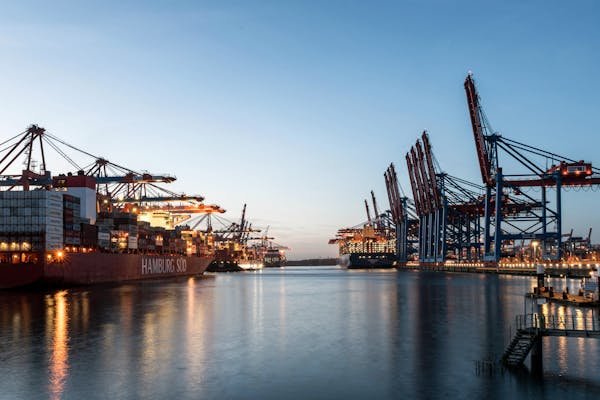


Shipping large battery cabinets is tough. One error can cause massive delays and fines. Let's break down the process to ensure your shipment is safe and compliant.
To ship Battery Energy Storage Systems (BESS)1 from China to Europe safely, you must classify them as Class 9 Dangerous Goods2. You need to follow strict packaging rules, prepare accurate documents like the MSDS and UN38.3 test report, and choose a carrier certified for dangerous goods.
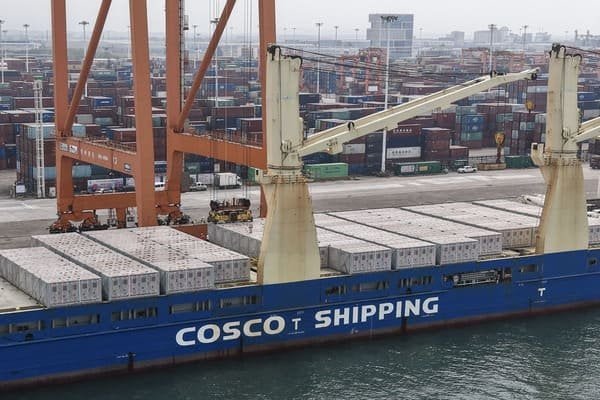
This process seems daunting, but it's manageable when broken down into clear steps. I have helped many clients navigate this, and success always comes down to preparation and understanding the details. Let's start by exploring why Europe is such a big market and what that means for your shipping strategy.
Why is the demand for battery energy storage cabinets in Europe so high?
Europe's green energy goals face a big problem: unstable supply. This creates grid instability. Battery storage cabinets are the key solution, creating a huge market for shippers.
Europe's demand is driven by its push for renewable energy like solar and wind. These sources are intermittent. Battery storage systems stabilize the grid by storing excess energy and releasing it during peak demand or when renewables are offline. This supports energy independence3 and climate goals.
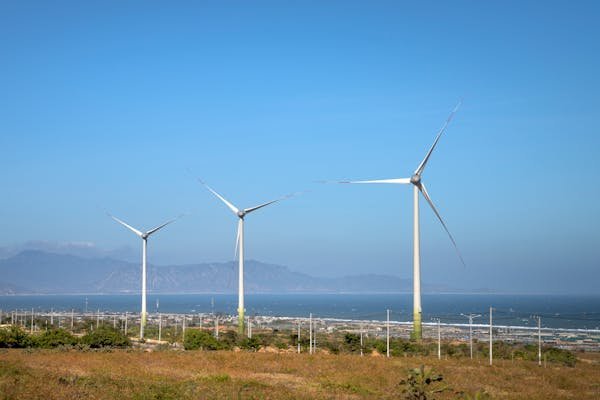
The demand isn't just a trend; it's a fundamental shift in Europe's energy strategy. I've seen this firsthand with clients scrambling to meet project deadlines because the need is so urgent. The entire continent is re-engineering its power grid, and battery storage is at the center of it all.
The Green Energy Push
Europe is committed to reducing carbon emissions. This means retiring old fossil fuel plants and building more solar and wind farms. But what happens when the sun doesn't shine or the wind doesn't blow? The grid becomes unstable. Battery energy storage cabinets (BESS) are the answer. They act like giant rechargeable batteries for the entire grid. They store power when it's abundant and release it when it's needed, ensuring a steady and reliable power supply for everyone. This makes renewables a practical, 24/7 solution.
Government Support and Incentives
Many European governments are actively encouraging the adoption of BESS. They offer financial incentives4, subsidies, and favorable regulations. This makes investing in battery storage projects very attractive for businesses. It lowers the high initial cost and speeds up the return on investment. For my clients, these incentives are often the deciding factor that makes a large-scale import project financially viable. It creates a stable, long-term market.
The Quest for Energy Independence
Recent global events have shown how risky it is to depend on other countries for energy. BESS helps countries build a more resilient and independent energy system. By storing locally generated renewable energy, nations can reduce their reliance on imported fossil fuels. This is not just an economic or environmental goal; it's a matter of national security. This powerful driver is accelerating the deployment of BESS across the continent.
What are the key regulatory requirements for shipping these cabinets to Europe?
European regulations for batteries are a complex maze. A single mistake in paperwork can get your valuable shipment stuck at the port, costing you time and money.
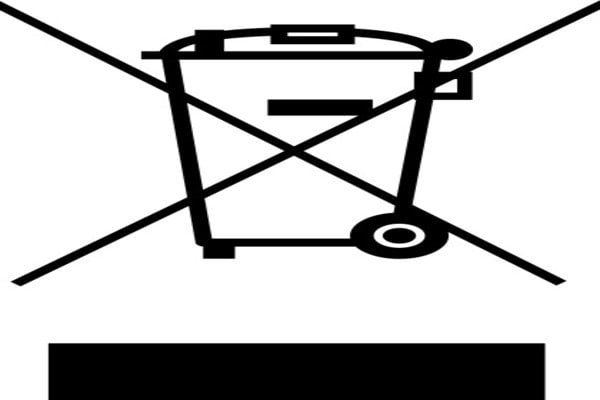
Key requirements include CE marking5 to show product safety, compliance with the WEEE Directive for electronics disposal, and the RoHS Directive restricting hazardous substances. For shipping, you need a Material Safety Data Sheet (MSDS6), UN38.3 test report7, and proper dangerous goods declarations8.
I've learned the hard way that you can't cut corners on compliance. Every document is crucial, and customs officials are trained to spot inconsistencies. A small oversight can cause a chain reaction of delays. Let's break down what you absolutely need to have in order before your shipment leaves the factory.
Product and Environmental Compliance
Before you even think about shipping, the product itself must comply with European standards. The CE mark is non-negotiable. It's your manufacturer's declaration that the product meets EU safety, health, and environmental protection requirements. Then there's the WEEE Directive9, which covers the proper disposal of electrical waste, and the RoHS Directive10, which restricts the use of specific hazardous materials in electronics. Your manufacturer in China must provide valid certificates for all of these. I always insist on seeing these documents myself before I arrange a booking.
Essential Shipping Documents
For the actual transport, the paperwork is just as important. These aren't just forms; they are critical safety documents that inform everyone in the supply chain how to handle your cargo safely.
| Document | Purpose | Why It's Critical |
|---|---|---|
| MSDS6 | Details the chemical properties and potential hazards of the batteries. | First responders use this in an emergency. It's required by carriers. |
| UN38.3 Report | Proves the lithium batteries have passed rigorous safety and stress tests. | No carrier will accept lithium batteries without this proof of testing. |
| DGD | The Shipper's Declaration for Dangerous Goods, which formally declares the cargo. | This is the official legal document for the shipment. Errors can lead to fines. |
Without these, your cargo won't even be loaded onto the ship or plane. It's that simple. You must work closely with your supplier and your freight forwarder to get every detail right.
What is the actual process for shipping battery cabinets from China to Europe?
Your battery cabinet is ready and compliant. Now, how do you actually ship it? The wrong choice of partner or method can result in damage, delays, and a logistics nightmare.
The process involves booking with a carrier certified for Class 9 Dangerous Goods2, ensuring correct UN-rated packaging, and clearly labeling the container. You'll choose sea freight for cost-effectiveness, handle customs in China and Europe, and arrange final delivery.
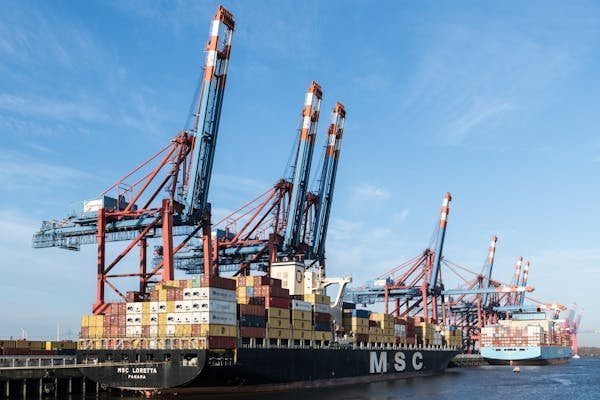
I always tell my clients to think of shipping as a project with clear phases. You can't just hand over the box and hope for the best. Each step builds on the last, and attention to detail at the beginning prevents major headaches at the end.
Step 1: Choosing Your Partner and Method
First, you must choose a freight forwarder that specializes in dangerous goods, especially lithium batteries. Not all of them have the expertise or certifications. Ask for their track record with BESS shipments. At the same time, you'll decide on the shipping method. For these large, heavy cabinets, sea freight is almost always the only practical answer due to cost. It's slower, taking 30-45 days from port to port, but it is dramatically cheaper than air freight. Air is typically reserved for urgent, smaller replacement parts, not entire systems.
Step 2: Preparing the Cargo for Transit
This is where safety is paramount. The BESS must be packed in UN-certified packaging. This packaging is specifically designed to prevent short circuits, withstand impacts, and contain any potential incidents. The exterior of the shipping container must be correctly labeled with large Class 9 Dangerous Goods placards and the correct UN number (e.g., UN3536). Your supplier in China should handle this, but you must verify it's done correctly. I always ask for photos of the packed and labeled container before it's sealed.
Step 3: The Journey and Final Arrival
Once loaded, the container begins its long journey. Your freight forwarder will manage the export customs clearance11 process in China and pre-file the necessary import documents with European customs authorities. When the ship arrives at a European port like Rotterdam or Hamburg, it undergoes import customs clearance12. This is where duties and taxes are assessed and paid. After it's cleared, the container is loaded onto a truck for the final delivery to the project site. This last-mile delivery also requires special planning, as you're moving heavy, sensitive equipment on local roads.
What are the biggest risks and challenges to watch out for?
You've planned everything perfectly, but international shipping is unpredictable. A sudden customs inspection or port delay can throw your entire project schedule and budget into chaos.
The biggest risks are regulatory changes13, port congestion14 causing delays, and improper handling leading to safety incidents. Other challenges include fluctuating shipping costs, communication barriers with suppliers, and ensuring the carrier is truly qualified. Careful planning and partner selection are key.
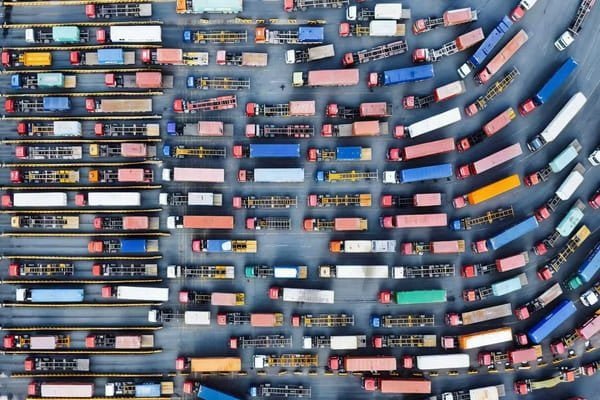
I've seen it all over the years. The key is not to avoid risks—that's impossible—but to anticipate and manage them. A good plan always has a backup plan for when things don't go as expected. Being aware of the potential pitfalls is the first step in protecting your investment.
Regulatory and Documentation Hurdles
Regulations can change with little warning. A rule that was valid when you booked your shipment might be different when the cargo arrives weeks later. Staying updated through your freight forwarder is crucial. The most common issue I see is incorrect or incomplete documentation. A simple typo on the Dangerous Goods Declaration or a missing signature can cause a customs hold for weeks, accumulating storage fees and delaying your project. You must double-check every single document before the container leaves the factory.
Operational and Safety Risks
On the operational side, the physical handling of the cargo is a major risk. These are heavy, sensitive electronic units. Improper loading or securing inside the container can lead to damage during transit on rough seas. Then there are external factors you can't control, like port strikes, bad weather, or global shipping lane congestion. Financially, ocean freight rates can be very volatile. It's wise to budget for potential fluctuations and have comprehensive cargo insurance15 that specifically covers dangerous goods.
| Risk Category | Common Example | How to Mitigate It |
|---|---|---|
| Compliance | Missing or expired UN38.3 test report | Verify all documents are current and complete before booking. |
| Operational | Port congestion delays | Plan for extra buffer time in your project schedule. Don't promise tight deadlines. |
| Safety | Improper packaging from the factory | Insist on a reputable supplier and get photographic proof of packaging and labeling. |
| Financial | Sudden shipping rate increase | Work with a trusted forwarder for transparent pricing and consider hedging options. |
Conclusion
Shipping battery cabinets from China to Europe is complex but absolutely achievable. With careful planning, deep regulatory knowledge, and the right partners, you can ensure a safe and successful delivery.
Explore the advantages of BESS in stabilizing energy supply and supporting renewable energy. ↩
Understanding Class 9 regulations is crucial for safe shipping of hazardous materials. ↩
Discover the role of battery storage in enhancing national energy security. ↩
Learn about government incentives that can make battery storage projects more viable. ↩
Understand the importance of CE marking for compliance with EU safety standards. ↩
Learn about the Material Safety Data Sheet and its role in ensuring safety during shipping. ↩
Discover the significance of the UN38.3 test report in shipping lithium batteries safely. ↩
Find out how to properly declare dangerous goods to avoid shipping delays. ↩
Explore the WEEE Directive's role in responsible electronic waste disposal. ↩
Learn about the RoHS Directive and its impact on hazardous materials in electronics. ↩
Understand the customs clearance process to avoid delays and fines. ↩
Learn about the steps and requirements for clearing goods through European customs. ↩
Stay informed about how regulatory changes can affect your shipping plans. ↩
Learn about the causes of port congestion and strategies to mitigate delays. ↩
Find out how cargo insurance can protect your investment during transit. ↩