

Shipping goods globally feels like a huge risk. You worry your products will get stuck in customs, causing massive delays and fines. This stress can be overwhelming.
To import goods successfully, you must have accurate customs declarations, meet product-specific compliance standards1, and check for restricted items2. These rules are different for each country, especially for major markets like the United States, the European Union, and Russia, so preparation is essential.
It feels like a lot to handle. I know. When I first started helping businesses ship overseas, the amount of paperwork and different rules seemed impossible. But I quickly learned a secret. You just need to break it down country by country. It's about knowing the specific questions to ask for each destination. Once you have a checklist for each major market, the whole process becomes much more predictable. Let's look at the specifics for the USA, EU, and Russia. This guide will help you understand what you need to do to avoid common and costly mistakes.
What Are the USA's Import Restrictions and Compliance Rules?
Shipping to the huge US market is a great goal. But the thought of dealing with strict US Customs and Border Protection3 (CBP) can be scary. Mistakes are expensive.
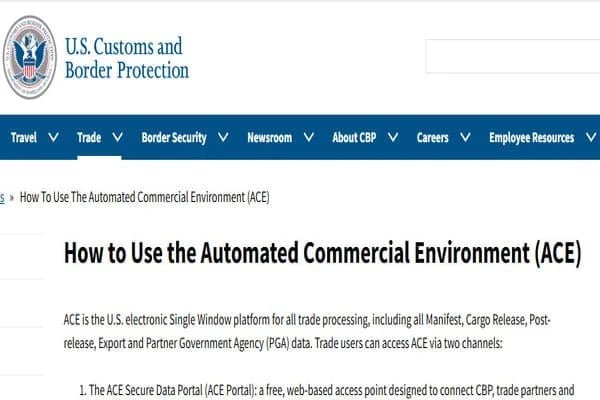
For US imports, you must file a customs entry through the ACE system4. Your goods must also comply with rules from agencies like the FDA (food, cosmetics), CPSC5 (toys, children's products), and FCC (electronics). Accurate documentation is the most important part of the process.
Let's dive deeper into what this really means for your business. The US system is complex because different government bodies control different types of products. It's not just about customs duty. I remember a client shipping a new line of skincare products. They thought they were ready, but their labels were not fully compliant with Food and Drug Administration (FDA) rules. The entire shipment was held for weeks, costing them thousands in storage fees and lost sales. This is a common story. You have to know which agency is watching your product.
Key US Agencies and Their Roles
The first step is to identify your product and the agency that regulates it. This will tell you what specific rules you need to follow.
| Agency | Regulates | What You Need to Do |
|---|---|---|
| CBP | All imports | File correct customs declarations6, pay duties. |
| FDA | Food, drugs, cosmetics, medical devices | Ensure correct labeling, registration, and ingredients. |
| CPSC | Consumer products, especially for children | Provide safety certificates (e.g., Children's Product Certificate). |
| FCC | Electronic devices that emit radio frequency | Get FCC authorization7 and label the product correctly. |
Documentation is Everything
Beyond agency rules, your basic paperwork must be perfect. Your Commercial Invoice, Packing List, and Bill of Lading must all tell the same story. Any small difference, like a weight discrepancy or a vague product description, can trigger a customs inspection. This means delays and extra costs. Always double-check every detail before your shipment leaves the factory.
How Do You Comply with European Union (EU) Import Rules?
The EU has 27 member countries, which sounds like a nightmare. You might imagine having to learn 27 different sets of rules. This can stop many businesses from even trying.
To import into the EU, you need an EORI number8 for identification. Your products must carry a CE mark to show they meet safety standards, and you must use the correct TARIC code9 for customs classification. These rules are harmonized across the EU, simplifying the process.
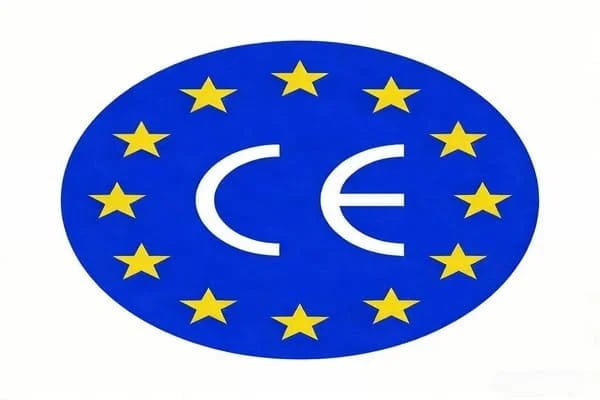
The idea of a "single market" is what makes the EU so powerful, both for its members and for exporters like you. Once your goods are cleared in one EU country, say, the port of Rotterdam in the Netherlands, they can move freely to Germany, France, or Spain without further customs checks. This is a huge advantage. But getting that first entry right is critical. I worked with a toy company that assumed the CE mark10 was just a suggestion. Their first big shipment to a customer in Germany was rejected at the port. They had to ship it all back, fix the product and packaging, and try again. It was a very expensive lesson in the importance of compliance.
Understanding the CE Mark
The CE mark is not a mark of quality. It is a declaration by you, the manufacturer, that your product meets all relevant EU health, safety, and environmental protection legislation.
- What is it? A mandatory conformity marking for products sold within the European Economic Area.
- Who needs it? It applies to a huge range of goods, including electronics, toys, machinery, medical devices, and personal protective equipment.
- How do you get it? You must create a Technical File, perform a conformity assessment, and sign an EU Declaration of Conformity. For some higher-risk products, you may need to involve a third-party "Notified Body."
The Role of TARIC and VAT11
| Concept | Purpose | Why It's Important |
|---|---|---|
| EORI Number | Economic Operators Registration and Identification | A unique ID for your business. You cannot import into the EU without one. |
| TARIC Code | Integrated Tariff of the European Union | This 10-digit code determines the duty rate, and any other rules (like quotas or licenses) for your specific product. |
| VAT | Value Added Tax | This tax is collected at the border. You must understand how to pay it or how your customer will handle it. |
Getting these three things right—EORI, TARIC, and CE marking—is the foundation of successful shipping to the EU.
What Are Russia's Unique Import Restrictions and Compliance Needs?
Russia is a huge market with great potential. But its reputation for difficult bureaucracy and constantly changing rules can be very intimidating for foreign businesses. It feels unpredictable.
Importing to Russia requires mandatory EAC certification12 to prove product conformity. All documentation must be perfect and often translated into Russian. The customs process is extremely strict, and using a local, trusted customs broker is essential for success. This is a very different process from the US or EU.

The key to Russia is to forget any assumptions you have from shipping to other places. The level of detail required is on another level. I once had a client ship machinery to Russia. The weight on the invoice was off by two kilograms compared to the packing list13. Just two kilograms. The shipment was flagged, and it took over a month and a lot of effort from our local broker to get it cleared. In Russia, the documents are not just a guide; they are the absolute law, and they must match reality perfectly. Any deviation is seen as a potential attempt to avoid duties, and customs officials are trained to find them. This is why you cannot manage a Russian import from afar. You need an expert on the ground.
The EAC Mark: Your Ticket In
The EAC (Eurasian Conformity) mark is the gateway to the Eurasian Economic Union (EAEU), which includes Russia, Belarus, Kazakhstan, Armenia, and Kyrgyzstan.
- What is it? It is the EAEU’s version of the CE mark. It shows your product complies with their technical regulations.
- Is it mandatory? Yes, for a very long list of products, including clothing, cosmetics, electronics, food products, and industrial machinery. Shipping without it is a guaranteed failure.
- Process: You must work with an accredited body to test your products and issue a certificate. This must be done before you ship. Do not think you can do this upon arrival.
Navigating Russian Customs
The process is notoriously rigid. Your best investment is a reliable Russian customs broker. They are not just helpful; they are necessary. They understand the unwritten rules and have relationships that can smooth the process. Be prepared for:
- Document Translation: Key documents often need to be professionally translated into Russian.
- Value Verification: Russian customs may challenge the value you declare on your invoice if they believe it is too low. Be ready to defend it with contracts and payment proof.
- Strict Inspections: Physical inspections are more common than in many other countries. Your packed goods must exactly match your packing list, item for item.
What Are the Best Logistics Practices for International Shipping?
You now understand the specific rules for these countries. But even with perfect compliance knowledge, a simple mistake in your logistics operation14 can cause a major headache and cost you money.
Always use a trusted freight forwarder15 who knows your destination country. Double-check all of your documents before shipping, insure your cargo, and use Incoterms to clearly define responsibilities with your buyer. These steps create a safety net for your shipments.

Think of your logistics operation14 as the physical execution of all your planning. It's where the theory of compliance meets the reality of trucks, ships, and ports. One of the most common and damaging mistakes I see is a misunderstanding of responsibilities between the seller and the buyer. A client of mine once agreed to DDP (Delivered Duty Paid) terms for a shipment. They didn't realize this meant they were legally and financially responsible for everything, including import clearance and taxes in a country they knew nothing about. The unexpected costs wiped out their entire profit on the sale. This is why a solid operational plan is just as important as a compliance plan.
Choosing the Right Partners
You cannot do this alone. Your success depends on your partners.
- Freight Forwarder: This is your project manager. A good forwarder doesn't just book space on a ship. They coordinate the entire process, advise you on documentation, and help you troubleshoot problems. Choose one with proven experience in your target country.
- Customs Broker: In some cases, especially in complex countries like Russia, you need a separate customs broker. This is your legal representative on the ground who deals directly with customs. Vet them carefully.
Mastering Incoterms
Incoterms are the language of global trade. They are a set of rules that define the responsibilities of sellers and buyers. Understanding them is not optional.
| Incoterm | Seller's Responsibility | Buyer's Responsibility | Good For |
|---|---|---|---|
| EXW (Ex Works) | Make goods available at the factory. | All transport, export/import clearance, risk. | Experienced buyers. Risky for sellers. |
| FOB (Free On Board) | Deliver goods to the ship at the export port. | Main transport, insurance, import clearance. | Sea freight. A very common and balanced term. |
| DDP (Delivered Duty Paid) | Deliver goods to the buyer's door, all costs and duties paid. | Unloading the goods. | Maximum service for buyers. Maximum risk/cost for sellers. |
Always agree on an Incoterm with your buyer in your sales contract. It prevents disputes and makes it clear who is responsible for what, and, most importantly, who pays for what.
Conclusion
International shipping success depends on planning. Know the rules for your destination, prepare your documents carefully, and work with trusted partners. Do your homework, and you will succeed.
Familiarizing yourself with compliance standards can save you from costly mistakes and ensure smooth shipping. ↩
Knowing restricted items helps prevent shipment delays and legal issues. ↩
Learn about CBP regulations to ensure your imports meet all necessary requirements. ↩
Understanding the ACE system is essential for filing customs entries correctly. ↩
Knowing CPSC regulations helps ensure your products are safe for consumers. ↩
Understanding customs declarations is crucial for avoiding delays and fines in international shipping. ↩
Obtaining FCC authorization is necessary for legal importation of electronic devices. ↩
An EORI number is essential for importing goods into the EU; learn how to obtain it. ↩
Finding the right TARIC code is key to determining duty rates and compliance. ↩
The CE mark is crucial for compliance in the EU; understanding it can streamline your imports. ↩
Understanding VAT is important for managing costs and compliance in international trade. ↩
EAC certification is mandatory for many products in Russia; learn how to obtain it. ↩
An accurate packing list is crucial for smooth customs inspections and logistics. ↩
Effective logistics operations are essential for successful international shipping. ↩
Choosing the right freight forwarder is crucial for smooth logistics and compliance. ↩