


Shipping lithium batteries can feel like a puzzle. One wrong move and you face delays or rejections. The key is knowing the rules, and it all starts here.
The main difference is simple. UN34801 is for lithium-ion batteries shipped alone. UN34812 is for lithium-ion batteries packed with or contained in equipment. This distinction changes everything for your shipment, from packaging to paperwork, because batteries alone are considered a much higher risk.
Understanding this difference is the first step, but it’s not the last. Getting it wrong can stop your entire supply chain. To make sure your cargo moves smoothly, we need to look closer at what these UN numbers mean for your shipping process. Let's dive into the details.
What Are UN3480 and UN3481?
You see these UN numbers on documents but might not grasp their importance. Using the wrong one isn't a small typo; it's a major compliance failure with costly results.
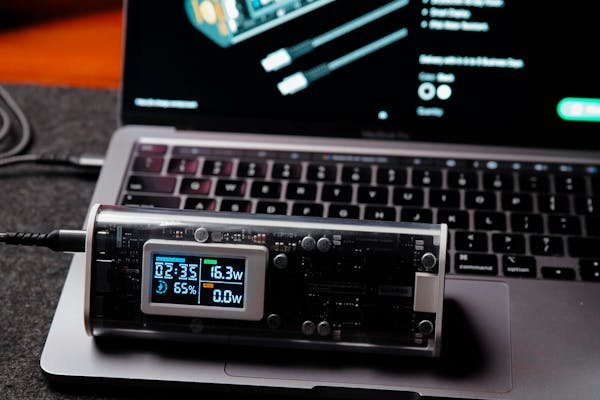
UN3480 is the classification for lithium-ion batteries shipped by themselves, like a box of power banks. UN3481 is for batteries that are either packed with a device or already installed inside it, like a new laptop in its box.
Let's break down exactly what these classifications mean for your cargo. The way your battery is packed determines its UN number, and that UN number determines the rules you must follow. It’s a simple concept with a big impact on your logistics. From my experience, this is where most of the confusion begins for shippers.
The High-Risk Category: UN3480
When we ship lithium-ion batteries3 on their own, they fall under UN3480. Think of bulk shipments4 of spare batteries for tools, power banks, or electric scooter batteries without the scooter. These are considered higher risk because there is no device protecting them. A single box could contain a large amount of stored energy. If one battery fails, it could cause a chain reaction. Because of this, shipping lines and regulators have very strict rules for UN3480. They require special, stronger packaging and have more demanding paperwork. Many carriers I work with are extra cautious with UN3480 cargo.
The Integrated Category: UN3481
UN3481 is a bit different. It covers two scenarios:
- Batteries contained in equipment: This is when the battery is installed in the device it powers. A perfect example is a smartphone, a tablet, or an electric tool where the battery is already inside. The equipment itself provides a solid layer of physical protection.
- Batteries packed with equipment: This applies when the battery and the device are in the same retail box, but not connected. For instance, a new digital camera shipped with its battery in the same package.
Because the equipment adds protection and the quantity of batteries is usually limited to what the device needs, the rules for UN3481 can be less strict than for UN3480.
What are the Key Differences Between UN3480 and UN3481?
You know the definitions, but the real challenge is in the shipping rules. The requirements for each are very different, and getting them mixed up can bring your shipment to a halt.
The biggest differences are in packaging, labeling, and required documentation. UN3480 shipments face the strictest regulations because the batteries are unprotected. UN3481 shipments often have a simpler path, as the equipment provides some safety.
Understanding these differences is not just about compliance; it's about managing risk and cost. For years, I've seen shippers save time and money just by getting this classification right from the start. A simple mistake here can lead to re-packing fees5, storage charges, and missed vessel sailings. Let’s compare them directly to see how much they diverge.
A Head-to-Head Comparison
To make it clear, let's put the requirements side-by-side. This table shows where the rules change based on the UN number.
| Feature | UN3480 (Batteries Alone) | UN3481 (With/In Equipment) |
|---|---|---|
| Risk Level | High | Moderate to Low |
| Packaging | Must use UN-specification packaging6 that meets Packing Group II standards. This is mandatory and non-negotiable. | Strong, rigid outer packaging is usually enough. It must still prevent accidental activation and damage. |
| State of Charge (SOC)7 | Often restricted to 30% SOC by carriers, especially for air freight, a rule that influences sea freight policies. | Generally less strict. The batteries are intended for immediate use, so they can be shipped at a higher SOC. |
| Documentation | A full Dangerous Goods Declaration8 (DGD) is always required. No exceptions. | May qualify for exemptions under Special Provision 188 if battery and package limits are met, simplifying paperwork. |
| Carrier Acceptance | Many shipping lines have restrictions or may refuse to carry UN3480 cargo altogether. Requires pre-approval. | Generally accepted by most carriers without major issues, as it's considered standard consumer and commercial goods. |
As you can see, classifying your shipment as UN3480 triggers a much more complex and restrictive logistics process.
What are the IMDG Code Requirements for Lithium Batteries?
You know the UN numbers, but now you need to follow the official rulebook. The IMDG Code9 is the global standard for sea transport, and it can feel very complex at first glance.
The IMDG Code requires specific packaging, marking, labeling, and documentation for all lithium battery shipments. Shippers must use UN-approved packaging, apply the correct Class 9 dangerous goods label, and provide a complete Dangerous Goods Declaration8.

The IMDG Code isn't just a set of guidelines; it's law on the high seas. Every party in the supply chain, from me as the forwarder to the carrier and the port terminals, relies on these rules to ensure safety. Let’s look at the three pillars of IMDG compliance for batteries.
Packaging and Testing
Before any battery can be shipped, it must pass a series of rigorous tests known as the UN 38.3 tests. This proves the battery can withstand the shocks, vibrations, and pressure changes of transit. For packaging, the rules are just as strict. For UN3480, you must use UN-certified packaging that meets Packing Group II performance standards, following Packing Instruction P903. The packaging must also prevent short circuits. This usually means placing each battery in its own non-conductive inner packaging, like a plastic bag, and adding cushioning to stop them from moving around.
Marking and Labeling
Properly marking and labeling10 the package tells everyone what's inside without them having to open it. Every package containing lithium batteries must be marked with the correct UN number (e.g., "UN3480"). It also needs the Class 9 Miscellaneous Dangerous Goods label, which is the one with black and white vertical stripes. Depending on the specifics of the shipment, you might also need to apply the lithium battery mark, which shows a phone number for emergency information. These labels must be durable and clearly visible on the outside of the box.
Documentation
Accurate paperwork is just as important as strong packaging. The primary document is the Dangerous Goods Declaration (DGD). This form provides the carrier with all the critical details: the UN number, Proper Shipping Name ("LITHIUM ION BATTERIES"), Class, Packing Group, and the total quantity and weight. I've seen shipments delayed for weeks because of a small mistake on the DGD. It must be 100% correct, as the ship’s captain uses this information to plan where to store the container on the vessel for maximum safety.
What are Common Mistakes in Lithium Battery Shipping?
Shipping batteries can seem easy, but simple mistakes are surprisingly common. These errors are not minor issues; they cause major delays, unexpected costs, and even rejected shipments.
The most frequent mistakes are misclassifying batteries, using the wrong packaging, and submitting incorrect paperwork. Any one of these can stop a shipment at the port, leading to storage fees and stressful last-minute changes to get it moving again.

Over my career, I've helped countless clients fix these problems. Avoiding them from the start is much easier and cheaper. Let's go over the most common pitfalls I see so you can steer clear of them.
Misclassifying the UN Number
This is the number one mistake. A shipper has a container of power banks and declares them as UN3481, thinking they are like consumer electronics. But because the batteries are shipped alone, they are actually UN3480. The carrier's booking system will flag this inconsistency immediately. The consequences? The container is rejected at the terminal gate. It has to be moved to a warehouse, unpacked, re-labeled, and re-documented. This process can take over a week and cost thousands of dollars in labor, transport, and storage fees.
Inadequate Packaging
Another huge error is using a standard cardboard box for a UN3480 shipment. Shippers might do this to save money, not realizing they are breaking the law and creating a serious fire risk. UN3480 requires UN-specification boxes that are certified to carry dangerous goods. Furthermore, the inner packaging must prevent any possibility of a short circuit. If an inspector finds improper packaging, the cargo will be stopped. Safety is paramount, and flimsy packaging for powerful batteries is a risk no one is willing to take.
Incomplete or Incorrect Paperwork
Even if your classification and packaging are perfect, a simple error on the Dangerous Goods Declaration can derail everything. I once had a shipment held up because the shipper listed the gross weight of the boxes instead of the net weight of the lithium batteries inside. It seems small, but regulations require the net battery weight. This forced us to get revised documents from the factory, delaying the shipment by three days and causing it to miss its intended vessel. Every detail on the DGD matters.
Conclusion
The difference between UN3480 and UN3481 defines the entire compliance path for sea freight. Correctly identifying your battery type is critical for safe, efficient, and cost-effective transportation.
Understanding UN3480 is crucial for compliance and safe shipping of lithium batteries. ↩
Learn about UN3481 to ensure proper handling and shipping of batteries with equipment. ↩
Explore regulations to avoid costly mistakes when shipping lithium-ion batteries. ↩
Bulk shipments of lithium batteries carry unique risks; learn how to manage them effectively. ↩
Avoiding re-packing fees can save you money; understand the common mistakes that lead to them. ↩
UN-specification packaging is mandatory for safety; learn what it entails for lithium batteries. ↩
Understanding SOC limits is crucial for compliance and safety in shipping lithium batteries. ↩
A complete Dangerous Goods Declaration is essential for safe shipping; learn how to prepare it. ↩
The IMDG Code outlines critical safety standards for shipping lithium batteries; understanding it is vital. ↩
Correct marking and labeling prevent shipping delays; learn the essential requirements. ↩