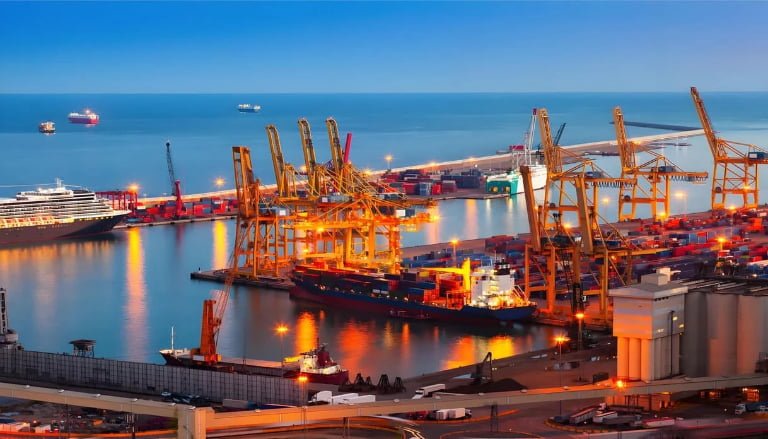

Struggling to secure your fertilizer supply1 for spring planting? You're not alone. A disruption in a key waterway could send prices soaring and delay your shipments, impacting your entire season.
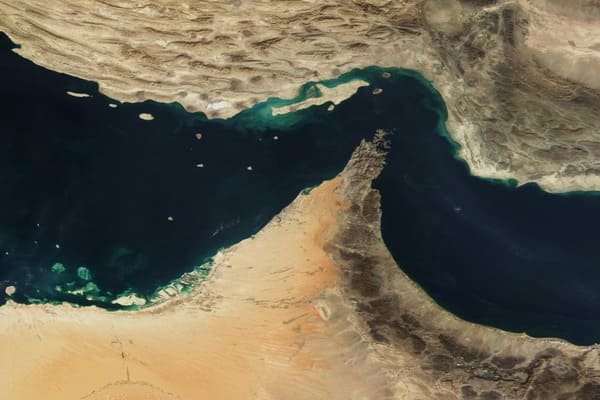
A disruption in the Strait of Hormuz2 could severely impact global agriculture by blocking a major route for nitrogen and phosphate fertilizers. This would lead to shipping delays, increased costs, and potential shortages, directly affecting crop yields and food security3 during the critical spring planting season.
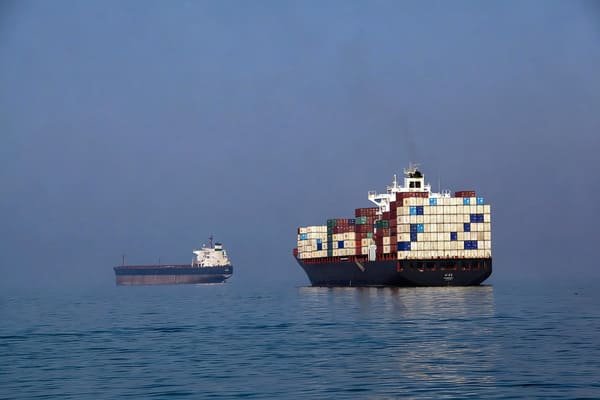
I've been in the logistics game for over 20 years, and I've seen how a single point of failure can ripple through the entire supply chain. It's a lesson that hits home every time a major shipping lane faces a threat. Now, with tensions rising, many of my clients are asking about the Strait of Hormuz and what it means for their agricultural businesses4. It’s a valid concern, and one that deserves a closer look. Let's break down why this narrow stretch of water is so important and what you can do to protect your operations.
Is there a critical link between fertilizer shipping and global agriculture?
Worried that shipping problems could ruin your harvest? A delay in fertilizer delivery means your crops don't get the nutrients they need on time. This can lead to smaller yields and lost profits.
Yes, the link is absolutely critical. Modern agriculture relies heavily on timely fertilizer shipments to maximize crop yields5. Any disruption to these shipments directly threatens food production, affecting everything from farm profitability to global food prices and availability. It’s a direct line from the port to the field.

From my experience at DeepLinker, I see this connection every day. We handle complex shipments, and fertilizer is a big one. Think of it this way: farmers operate on a very tight schedule dictated by nature. They need specific types of fertilizer at precise moments in the growing cycle. If a shipment of urea or phosphate from the Middle East gets stuck at sea, a farmer in Brazil or the United States can't just wait. They miss their window, and the potential for a bumper crop diminishes. This isn't just a business problem; it's a food supply problem. We've helped clients reroute shipments and find alternative suppliers, but the core issue remains. The entire global food system is built on a logistics network6 that needs to work perfectly. When it doesn't, the consequences are felt on dinner tables around the world.
Key Fertilizer Types and Their Shipping Needs
| Fertilizer Type | Key Production Regions | Importance in Agriculture | Shipping Considerations |
|---|---|---|---|
| Nitrogen (Urea) | Middle East, China | Promotes leaf growth; essential for corn, wheat, and rice. | Often shipped as bulk solid; sensitive to moisture. |
| Phosphate (DAP/MAP) | Morocco, China, Middle East | Crucial for root development and flowering. | Shipped as bulk solid; requires careful handling. |
| Potash | Canada, Russia, Belarus | Improves overall plant health and disease resistance. | Shipped as bulk solid; less dependent on the Strait of Hormuz. |
Why does this waterway matter for global trade?
Have you ever thought about how much of your daily life passes through one narrow channel? A single disruption in the Strait of Hormuz could impact fuel prices, product availability, and shipping costs globally.
The Strait of Hormuz is the world's most important oil chokepoint, with about a fifth of global petroleum liquids transiting through it. It's also a major artery for liquefied natural gas (LNG) and a variety of goods, including a significant portion of the world's fertilizers.
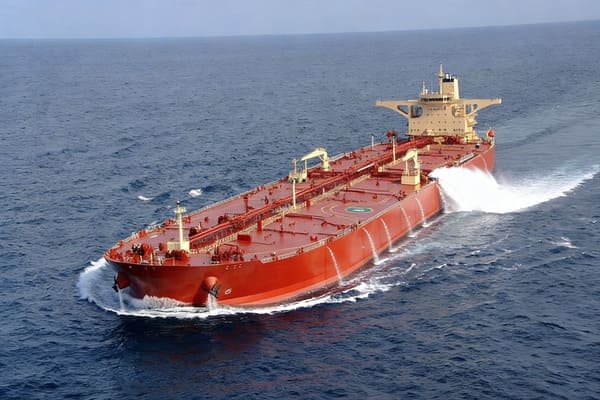
I remember a conversation with a client who runs a large retail chain. He was concerned about rising fuel surcharges on his shipments. I explained that geopolitical events7 in places like the Strait of Hormuz are often the direct cause. It’s not just about oil. Major producers of nitrogen and phosphate fertilizers are located in the Persian Gulf. When we plan a shipment from that region to North America or Europe, the most direct and cost-effective route is through this strait. If that route is blocked or becomes too risky, we have to go the long way around Africa. This adds weeks to the transit time and thousands of dollars in fuel and operational costs per container. That cost doesn't just disappear; it gets passed down the line, eventually showing up as higher prices for farmers and consumers. It’s a stark reminder of how interconnected our world is.
Why does timing matter for spring planting?
Are you planning your spring planting schedule down to the day? Missing your ideal planting window by even a week can mean the difference between a profitable year and a major loss.
Timing is everything in agriculture. Spring planting must align with optimal soil temperature and moisture conditions to ensure successful germination and growth. Applying fertilizers at the right time is crucial for providing essential nutrients during these key early stages, directly impacting the entire season's yield.

I once worked with an agricultural supplier in the U.S. Midwest who was in a panic. His shipment of phosphate fertilizer was delayed due to a port strike. He explained to me that his farmer clients needed to apply the phosphate before planting corn, as it’s critical for root development. The delay meant they were about to miss this crucial window. The farmers faced a tough choice: plant without the initial nutrient boost and risk a lower yield, or wait for the fertilizer and risk planting too late in the season. We managed to expedite the final leg of the delivery, but it was a stressful situation that highlighted the inflexibility of agricultural timelines. Unlike manufacturing, you can't just "catch up" on a farm. Nature sets the deadline, and logistics providers have to meet it. It’s a high-stakes game where every day counts.
How could a Strait of Hormuz disruption affect fertilizer shipping?
Do you have a backup plan if your fertilizer shipment is suddenly delayed by weeks? A closure of the Strait of Hormuz would force ships to take much longer, more expensive routes, causing widespread delays.
A disruption would immediately halt all traffic, forcing vessels carrying fertilizers from the Persian Gulf to reroute around Africa. This adds 10-15 days to transit times, significantly increases fuel and insurance costs, and creates vessel backlogs, leading to severe supply chain delays and price hikes.
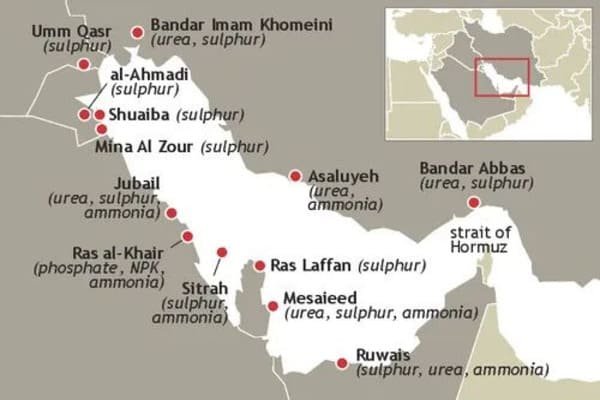
Let's break down the real-world impact. Say you've ordered 100 tons of urea from a supplier in Qatar, destined for Brazil. The standard route through the Strait of Hormuz and the Suez Canal is efficient. If the strait closes, that ship now has to travel all the way around the Cape of Good Hope in Africa. My team at DeepLinker would immediately have to recalculate everything. The fuel cost alone would jump by 30-40%. War risk insurance premiums, which are already high for the region, would skyrocket for any vessel attempting to get near it. The ship's schedule for its next journey is now completely thrown off, creating a domino effect of delays for other clients. For the buyer in Brazil, this means their fertilizer arrives weeks late, well into the planting season, and at a much higher final cost. This isn't theoretical; we saw similar chaos during the Suez Canal blockage. A Hormuz disruption could be even worse.
Comparing Shipping Routes: Hormuz vs. Rerouting
| Route Aspect | Via Strait of Hormuz & Suez Canal | Rerouted Around Africa | Impact of Disruption |
|---|---|---|---|
| Transit Time (to Europe) | ~20 days | ~35 days | +15 days |
| Fuel Costs | Standard | +30-40% | Significant increase |
| Insurance Premiums | Elevated | Significantly Higher | Spike in costs |
| Schedule Reliability | High (under normal conditions) | Very Low | Domino effect of delays |
| Supply Chain Impact | Predictable | Massive disruption, shortages | Unpredictable, volatile |
How can logistics planning reduce supply chain risks?
Are you passively waiting for logistics problems to happen? Proactive planning, like diversifying suppliers and booking shipments early, is the best defense against unexpected disruptions and costly delays.
Strategic logistics planning can mitigate risks by diversifying supplier locations to avoid over-reliance on one region, booking capacity well in advance, and building buffer stock in key markets. This creates a resilient supply chain that can better withstand unexpected geopolitical or logistical shocks.
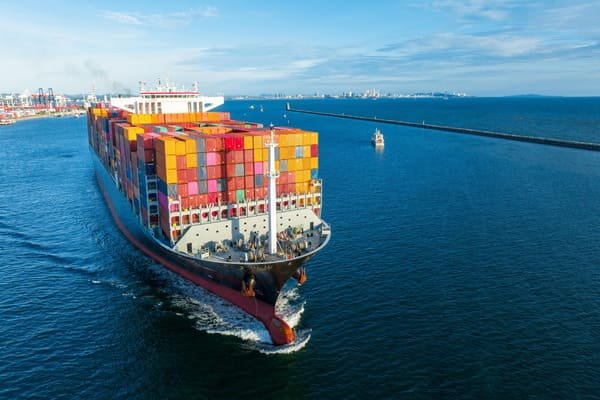
The smartest clients I work with don't wait for a crisis. They plan for it. One of my long-term partners, a distributor of outdoor equipment, learned this lesson the hard way years ago. Now, we work together on a proactive strategy. Instead of sourcing 100% of their fertilizer from the Middle East, we've helped them build relationships with producers in North Africa and North America. This is diversification. We also map out their needs for the entire year. For the critical spring season, we book their shipping containers and vessel space months in advance, locking in capacity before the rush. We also use overseas warehouses in their key markets, like the U.S. and Germany, to hold buffer inventory. This means if a shipment is delayed by a few weeks, their local distribution is uninterrupted. It requires more upfront investment and planning, but it turns a potential business-ending crisis into a manageable inconvenience. That's the power of good logistics.
Conclusion
Ultimately, resilient logistics are key to stable fertilizer supplies and global food security3. Proactive planning is your best defense against disruptions in critical waterways like the Strait of Hormuz.
Learn strategies to ensure a reliable fertilizer supply, crucial for successful crop yields. ↩
Explore the vital role this waterway plays in global shipping and its impact on various industries. ↩
Explore how disruptions in fertilizer supply can threaten global food security. ↩
Learn how businesses can proactively prepare for potential supply chain challenges. ↩
Discover the direct correlation between timely fertilizer delivery and agricultural productivity. ↩
Understand how efficient logistics networks are crucial for agricultural supply chains. ↩
Explore the impact of geopolitical tensions on shipping and trade routes. ↩