
Dangerous Goods Shipping by Sea
International transport of energy storage systems, lithium batteries, chemicals and various dangerous goods. Strictly complying with IMDG/IATA/ADR international standards for safe and compliant transportation.
Dangerous Goods Shipping Categories
Strictly following UN dangerous goods classification standards, we provide professional transportation services for Class 2, 3, 4, 5, 6, 8, 9 dangerous goods, ensuring the safety and compliance of every shipment
Class 9 Dangerous Goods
Lithium Batteries · Energy Storage
Class 3 Dangerous Goods
Flammable Liquids
Other Categories
Case-by-Case Booking
Dangerous Goods Transportation Process
Strictly following international dangerous goods transportation regulations, from cargo classification to safe delivery, every step is professionally guaranteed
Cargo Classification
- • UN Number Confirmation
- • MSDS Review
- • Hazard Class Assessment
- • Packaging Requirements
Carrier Booking
- • Carrier DG Approval Application
- • Space & Schedule Confirmation
- • DG Declaration Preparation
- • Booking Confirmation
Documentation & Loading
- • Shipping Documentation
- • Hazard Labels & Marking Check
- • Port DG Compliance Handling
- • Container Loading Coordination
Shipment Tracking
- • Destination Safe Delivery
- • Cargo Condition Check
- • Delivery Confirmation
- • Transport Report Provision
How We Ensure Compliant Dangerous Goods Shipping
15+ years of dangerous goods freight forwarding expertise, with every shipment handled in accordance with the IMDG Code and UN regulations
IMDG Code Compliance
All sea shipments are classified, declared, and documented in strict accordance with the International Maritime Dangerous Goods (IMDG) Code
UN Regulation Expertise
Accurate UN number classification, packing group verification, and MSDS / UN38.3 document review before every booking
Carrier DG Booking Channels
Established booking relationships with major ocean carriers that accept Class 9 lithium battery, energy storage, and chemical cargo
Specialist DG Team Since 2011
A dedicated dangerous goods shipping team ensuring every declaration, label, and document is professional and compliant
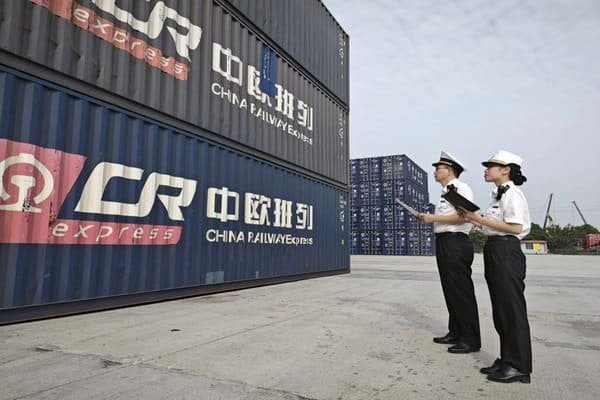
Safety Assurance Measures
Multi-layered compliance controls covering every stage of dangerous goods shipping, from packaging review to port handling.
Packaging Compliance Review
- UN Standard Dangerous Goods Packaging
- MSDS & UN38.3 Document Check
- Hazard Labels & Marking Review
Shipment Visibility
- Vessel & Container Tracking
- Booking Status Updates
- Proactive Exception Notification
Emergency Response Mechanism
- 24/7 Emergency Hotline
- Experienced DG Operations Team
- Rapid Response Protocol
Get a Dangerous Goods Shipping Quote
For transportation needs of dangerous goods such as energy storage cabinets, lithium batteries, chemicals, please contact our professional team for one-on-one customized solutions
Dangerous Goods Shipping FAQs
Answers to the most common questions about our dangerous goods sea freight services, DG classes, documents and compliance.
What classes of dangerous goods can you ship by sea?
We handle UN Class 2, 3, 4, 5, 6, 8 and 9 dangerous goods. Class 9 (lithium batteries and energy storage systems) and Class 3 (flammable liquids, paints, chemical raw materials) are our core categories; other classes are reviewed and booked case by case.
Can you ship lithium batteries and energy storage systems from China?
Yes. We specialize in Class 9 cargo including UN3480 lithium-ion batteries, battery energy storage systems (BESS) and electric vehicle battery packs, shipped as full containers. Every booking goes through MSDS / UN38.3 review and a formal dangerous goods declaration.
What documents are required for dangerous goods sea shipping?
A valid MSDS is required for all dangerous goods, plus a UN38.3 test summary for lithium batteries. We review your documents, confirm the UN number and packing group, prepare the dangerous goods declaration and check hazard labels and markings before loading.
How does your dangerous goods shipping process work?
Four steps: cargo classification (UN number confirmation, MSDS review, packaging requirements), carrier DG approval and booking, documentation and container loading with label checks, then shipment tracking through to safe delivery at destination.
Is your dangerous goods shipping IMDG compliant?
Yes. All sea shipments are classified, declared and documented in strict accordance with the IMDG Code and UN regulations. Our specialist dangerous goods team has operated since 2011, with 15+ years of experience and a 24/7 emergency hotline.