

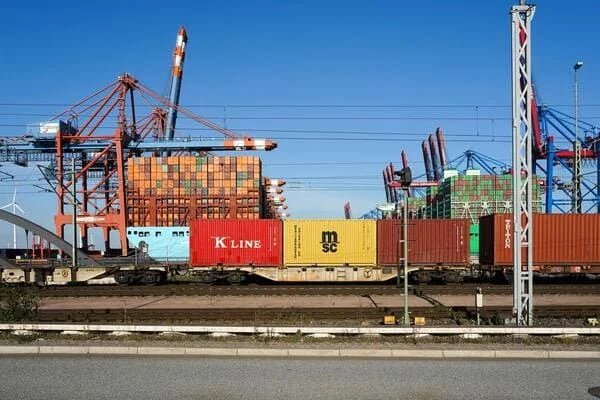
Worried about shipping to Russia1? Choosing the wrong transport method2 can lead to costly delays and damage. Knowing what not to ship by rail is your first step to success.
The goods least suitable for rail transport3 to Russia include highly time-sensitive or temperature-controlled items4, certain classes of dangerous goods5, oversized or overweight cargo exceeding rail limits, and products that are very sensitive to extreme weather conditions like freezing or intense heat.
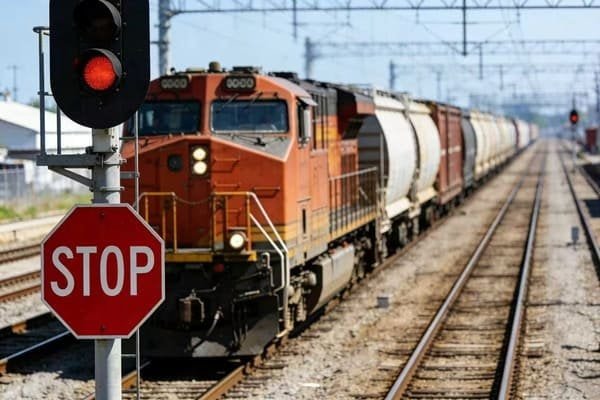
Choosing the right way to ship your goods is one of the most important decisions you will make. It affects your cost, your delivery time, and the condition of your products when they arrive. I've seen firsthand how a simple mismatch between cargo and transport mode can turn a profitable shipment into a huge loss. Just because rail is a popular option for Russia doesn't mean it's the right one for everything. Understanding the limitations of the railway is just as important as knowing its strengths. Let's break down which types of goods you should think twice about before putting them on a train to Russia.
Why might choosing the wrong cargo for rail transport3 cause delays and losses?
You think you saved money by choosing rail, but now your shipment is stuck. You face angry clients, extra fees, and potential product loss. It is a very stressful situation.
Choosing the wrong cargo for rail transport can cause serious problems. You might face delays at customs, damage from handling or weather, and financial losses from missed deadlines or spoiled goods. It is all about matching your cargo's needs to what the transport method can offer.
The Domino Effect of a Bad Choice
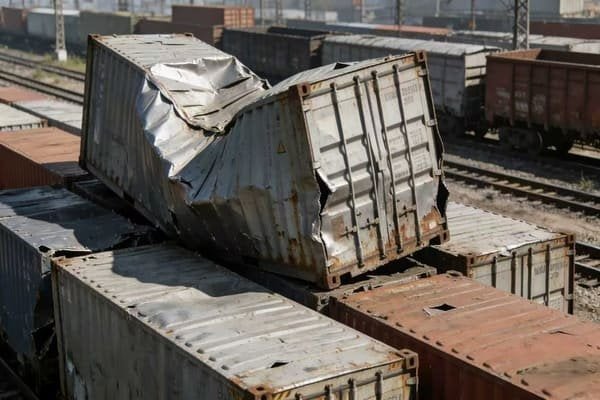
When I talk about choosing the right cargo, I'm really talking about avoiding a chain reaction of problems. It's not just one thing that goes wrong. It’s a domino effect. For example, I once worked with a company that tried to ship undeclared lithium batteries by rail to save money. The shipment was flagged during a random customs inspection at the border. This single issue caused a two-week delay for the entire container. The customer not only had to pay a fine but also faced penalties from their buyer for the late delivery. The initial savings were completely wiped out. This is a perfect example of how one bad decision can create multiple points of failure and financial loss. It's crucial to understand these risks before you commit.
Here is a simple breakdown of the potential financial impact:
| Type of Loss | Description | Potential Cost |
|---|---|---|
| Late Delivery Penalties | Fees charged by your buyer for not meeting the agreed delivery date. | 5-10% of contract value |
| Product Spoilage/Damage | The value of goods that are ruined due to delays or improper conditions. | 100% of product cost |
| Storage & Demurrage Fees | Charges for the container sitting at a port or rail terminal for too long. | Can be hundreds of dollars per day |
| Reputation Damage | The long-term cost of being seen as an unreliable supplier. | Priceless |
Are highly time-sensitive or temperature-controlled goods a bad fit for rail?
Do you need to ship fresh food or urgent medical supplies to Russia? Rail transit times can be long and unpredictable. This risks your products spoiling or missing critical deadlines.
Yes, these goods are often a bad fit for rail. The journey can take several weeks, which is too long for fresh items. Refrigerated containers exist but add cost and complexity. Power reliability can also be a concern over such long distances. Air freight is usually a better choice.

The Race Against Time and Temperature
The main problem with rail for sensitive goods is the lack of control over time and temperature. A train journey from China to Russia can be quoted as 18-22 days, but this is just an estimate. Delays can happen for many reasons. Congestion at border crossings like Manzhouli or Zabaykalsk can add days. Sometimes, wagons get disconnected and reconnected to different trains, adding more uncertainty. For a shipment of fresh flowers or urgent pharmaceuticals, an extra week is a disaster.
While refrigerated "reefer" containers are an option, they have their own challenges on the railway. They need a constant power supply to work. This is usually provided by a generator wagon attached to the train. If that generator fails, or if the container is left sitting without power during a long stop, the temperature inside will quickly rise or fall. I advised a client against shipping high-end cosmetics by standard rail in the summer. They were worried about the cost of a reefer. The result was a shipment of separated lotions and melted lipsticks.
Here is a simple comparison:
| Feature | Rail Transport | Air Freight |
|---|---|---|
| Speed | Slow (2-4 weeks) | Fast (2-5 days) |
| Temperature Control | Possible, but with risks | Excellent and reliable |
| Cost | Moderate | High |
| Best For | Durable, non-perishable goods | Urgent, high-value, perishable goods |
What dangerous goods are restricted or prohibited on Russian railways?
Do you have chemicals or batteries to ship and think rail is an easy option? Getting the rules wrong can lead to huge fines, your shipment being seized, or even a disaster.
Russian railways have very strict rules for dangerous goods (DG). Some are allowed with the right documents and packaging. But others, like explosives, certain radioactive materials, and some flammable gases, are heavily restricted or banned. You must always check the latest regulations before shipping.
Navigating the Dangerous Goods Maze
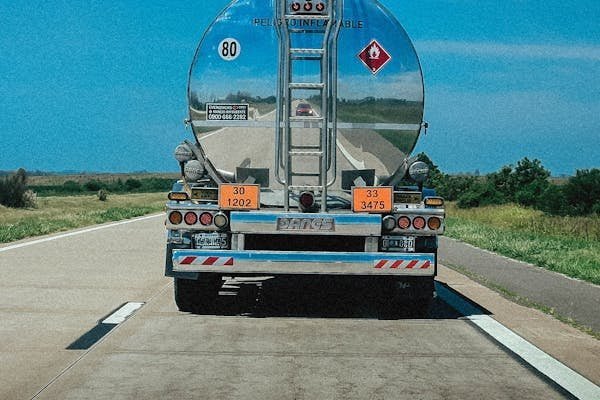
The term "dangerous goods" covers a wide range of products, from industrial chemicals to the lithium batteries in laptops. Shipping them is not impossible, but it is complicated. You have to follow international rules, known as RID for European rail, as well as specific Russian national laws, which can be even stricter. The key is that you cannot just put these items in a standard container and hope for the best. Everything must be declared properly.
The suitability for rail depends on the specific class of the dangerous good. For example, many common industrial chemicals (like Class 3 flammable liquids) can be shipped by rail. However, they require special tank containers or very specific packaging and labeling. Other items, like Class 1 explosives or most Class 7 radioactive materials, are almost always prohibited on standard freight trains. They require special military or government-approved transport. The paperwork is immense, and approval is not guaranteed. I always tell my clients that if they need to ship DG, they must work with a forwarder who specializes in it. It's not something you can handle on your own.
| DG Class | Example | Rail Suitability in Russia | Key Consideration |
|---|---|---|---|
| Class 1 | Explosives, Fireworks | Highly Restricted/Prohibited | Requires special permits, often military escort. |
| Class 3 | Flammable Liquids (e.g., Paint) | Often Permitted | Requires special wagons and strict packaging. |
| Class 7 | Radioactive Materials | Highly Restricted | Very specialized transport, government approval needed. |
| Class 9 | Miscellaneous (e.g., Lithium Batteries) | Generally Permitted | Proper declaration, packaging, and labeling are critical. |
Is your cargo too big or heavy for Russian rail transport?
Do you have large machinery or construction parts to move across Russia? If your cargo doesn't fit the rail profile or exceeds weight limits, it's not going anywhere easily.
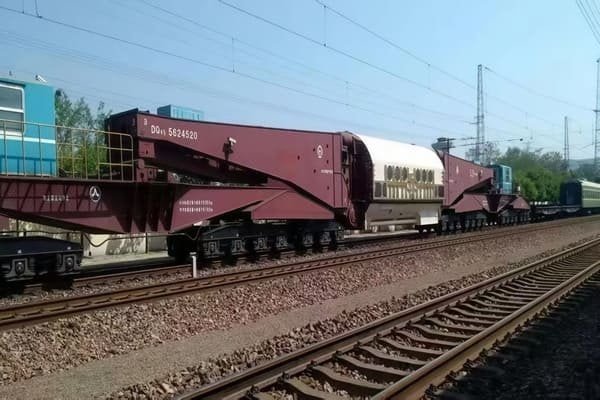
Yes, cargo can be too big or heavy for standard rail service. Russian rail has specific size limits, called a loading gauge6, for height and width. There are also strict weight limits per axle. Anything that exceeds these limits is called "out-of-gauge" (OOG) and requires special planning, permits, and higher costs.
Fitting a Square Peg in a Round Hole
Think of the railway network as a series of tunnels and bridges. Your cargo has to fit through the narrowest point on the entire route. This is the "loading gauge." If your cargo is too wide or too tall, it simply won't fit. In addition, the tracks and wagons can only support a certain amount of weight, which is measured by the "axle load." If your cargo is too heavy, it can damage the track or the wagon.
When cargo is oversized or overweight (OOG), it doesn't mean it's impossible to ship by rail. It just becomes a complex engineering project instead of a standard logistics move. We once managed a project to move a massive industrial turbine. The planning process took months. We had to survey the entire rail route to check for clearances, apply for special permits from the railway authorities, and book special heavy-duty flatcar wagons. The cargo had to be loaded and secured in a very specific way. All of this adds significant time and cost compared to a standard container shipment.
| Aspect | Standard Cargo | Oversized/Overweight (OOG) Cargo |
|---|---|---|
| Planning | Routine booking process. | Extensive survey and permit process. |
| Cost | Standard container rates. | Significantly higher, project-based pricing. |
| Transit Time | Predictable schedule. | Longer and less predictable due to special handling. |
| Equipment | Standard containers and wagons. | Specialized flatcars, heavy-duty wagons. |
How can weather make your cargo unsuitable for rail to Russia?
Are you shipping goods that can be damaged by extreme heat or cold? Russia's harsh winters or hot summers can easily ruin your products during a long rail journey.
Extreme weather makes some cargo unsuitable. In winter, liquids can freeze and cause containers to burst. In summer, electronics or chemicals can overheat. While special containers can help, they are not always a perfect solution over long and possibly delayed journeys.
Battling the Elements on the Rails
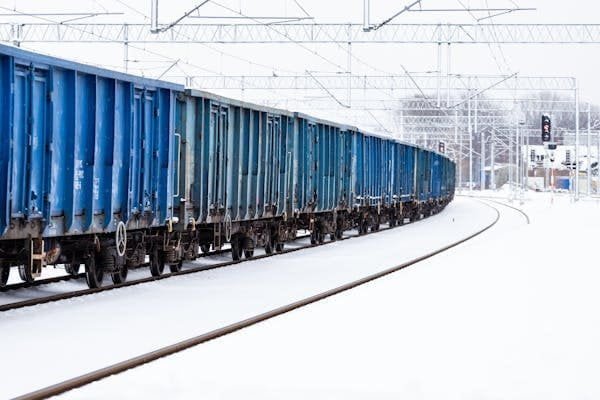
The journey across Siberia and Russia involves some of the most extreme temperature swings on the planet. In winter, temperatures can drop to -40°C. In summer, the inside of a dark metal container sitting in the sun can reach over 50°C. This is not an environment for sensitive cargo. I always ask my clients: "Can your product survive being frozen solid or baked for three weeks?"
For example, any water-based product like beverages, paints, or some chemicals will freeze in winter. When water freezes, it expands, which can break bottles, burst cans, and ruin your entire shipment. In summer, products like cosmetics, chocolates, or sensitive electronics can be destroyed by heat. Even if you use an insulated container, it only slows down the temperature change. It doesn't stop it. If the train is delayed for several days in extreme weather, the insulation may not be enough. The safest bet for weather-sensitive goods is to ship during the milder spring and autumn months, or to invest in expensive, actively heated or cooled containers.
| Season | Primary Risk | Cargo Types Affected | Mitigation Strategy |
|---|---|---|---|
| Winter | Extreme Cold / Freezing | Liquids, produce, pharmaceuticals | Use actively heated or insulated containers. |
| Summer | Extreme Heat | Electronics, cosmetics, chemicals | Use vented or refrigerated containers7. |
| Spring/Autumn | Milder Temperatures | Generally the safest for most goods. | Standard containers are often sufficient. |
Conclusion
Choosing the right transport is key. While rail to Russia is great for many goods, avoiding it for sensitive, oversized, or specific dangerous items will save you time and money.
Explore this resource to understand the nuances and regulations of shipping to Russia effectively. ↩
Learn about various transport methods to make informed decisions for your shipping needs. ↩
Discover the benefits of rail transport and when it is the best option for shipping. ↩
Find out how to properly handle temperature-sensitive shipments to ensure their safety. ↩
Understand the regulations surrounding dangerous goods to avoid legal issues and fines. ↩
Understand the concept of loading gauge to ensure your cargo fits rail transport requirements. ↩
Discover the advantages of refrigerated containers for sensitive shipments. ↩