
Your shipment is stuck at the port, and you're facing delays and extra costs. It might be a 5H hold, a common but confusing part of U.S. customs clearance.
A 5H hold is a specific code from U.S. Customs and Border Protection (CBP) for a Non-Intrusive Inspection (NII). This means your container undergoes an X-ray or gamma-ray scan to verify its contents against the manifest without being physically opened.
Understanding a 5H hold is the first step to dealing with it. This hold is one of the most common checks importers face, but knowing why it happens can help you avoid it in the future. Let's break down what this hold means for your business, why it's issued, and what you can do about it.
What Is a 5H Hold in U.S. Customs Clearance?
Confused by customs jargon? Terms like "5H hold1" can sound intimidating and complex. We are here to make it simple and clear for you.
A 5H hold is a specific code used by U.S. Customs (CBP) for a Non-Intrusive Inspection (NII)2. This means your container will be scanned using large-scale imaging systems, like an X-ray or gamma-ray scanner, to check its contents against the manifest.
Think of a 5H hold as the customs equivalent of an airport luggage scanner, but for an entire shipping container. It is CBP's fastest way to screen a large volume of cargo for potential threats or discrepancies without the delay of a full physical inspection. The NII process uses technology like the Vehicle and Cargo Inspection System (VACIS) to create an image of what's inside the container. A CBP officer then reviews this image to see if the contents match the shipping documents. If everything looks right, the hold is usually released quickly. However, if the scan shows something suspicious or inconsistent with the manifest, it can trigger a more intensive, hands-on examination. This initial scan is a critical but standard step in modern customs enforcement.
| Hold Type | Inspection Method | Purpose |
|---|---|---|
| 5H Hold (NII) | X-ray / Gamma-ray Scan | Quick verification of contents vs. manifest. |
| Tailgate Exam | Container doors opened | Visual check of goods at the back of the container. |
| Intensive Exam | Full unloading (devanning) | Detailed physical inspection3 of all cargo. |
Why Does U.S. Customs Issue a 5H Hold?
Did your shipment get flagged for a random check? It can feel unfair, but there are specific reasons. Let's uncover why CBP might single out your cargo.
CBP issues a 5H hold based on a complex risk assessment. It can be a random check, but it is often triggered by specific factors. These include the shipper's history, the type of commodity, inconsistent paperwork, or flags from the Automated Targeting System (ATS).

The main driver behind most holds is CBP's Automated Targeting System (ATS)4. This is a powerful software that analyzes all import data in real-time. It looks at the shipper, the importer, the country of origin, the type of goods, and the shipping route to assign a risk score to every shipment. A high score can trigger a hold. For example, I once had a client, a new e-commerce seller, whose first shipment was held. The reason was simple: as a first-time importer, the system saw him as an unknown risk. Other common triggers include vague cargo descriptions like "general merchandise," inconsistencies between the invoice and packing list, or shipping a commodity that is frequently associated with compliance issues. And sometimes, it truly is just a random spot check to keep everyone honest and ensure the system's integrity.
What Happens When a Shipment Is Placed Under 5H Hold?
A hold notice just came in, and panic sets in. You imagine your container locked away for weeks. What actually happens next? Let's walk through the process together.
When a 5H hold is issued, your container is moved to a Centralized Examination Station (CES)5. It undergoes an X-ray or gamma-ray scan there. If the scan is clear and matches the manifest, the hold is released. If not, it can escalate to a more intensive exam.
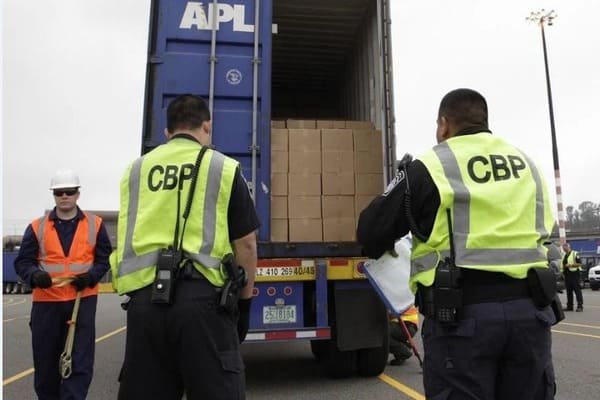
The process is quite structured, and knowing the steps can reduce a lot of anxiety.
- Notification: Your customs broker or freight forwarder receives an electronic message from CBP notifying them of the 5H hold.
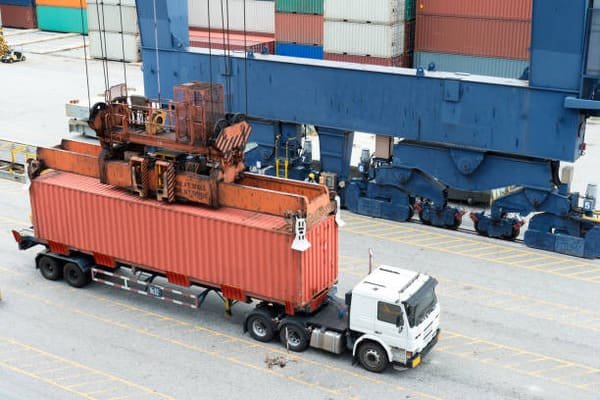
- Movement to CES: The shipping line will not release the container. Instead, it must be transported by a bonded carrier from the port terminal to a nearby CES facility. It's important to know that the importer is responsible for all costs associated with this move and the exam itself.
- The Scan: At the CES, the container is passed through a large-scale scanner.
- Review and Outcome: A CBP officer reviews the scan images. If the images confirm the manifest is accurate, the hold is lifted, and your container is released. This can take a few days. If the officer sees anomalies, like shapes that don't match the description or unusual densities, they will escalate the hold to a physical exam.
Which Shipments Are Most Likely to Trigger a 5H Hold?
Some shipments sail through customs while others get stopped. Is it just bad luck? Certain factors greatly increase the risk of a hold. Let's identify the common red flags.
Shipments from new or unverified shippers, those with vague cargo descriptions, and goods from high-risk countries6 are more likely to trigger a 5H hold. Also, consolidated (LCL) shipments often face higher scrutiny because of the many different parties involved in a single container.
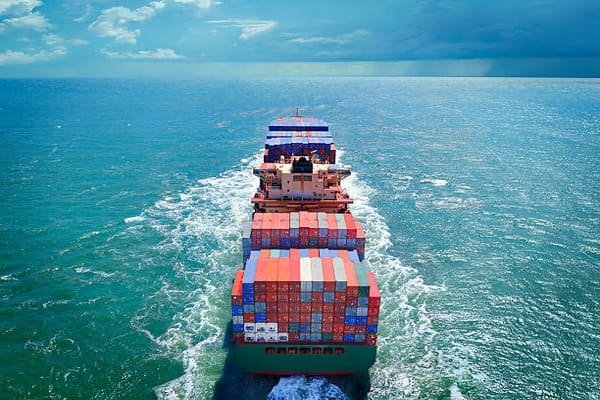
Let's look closer at the high-risk categories. First-time importers are a prime target because they have no established compliance record with CBP. Their shipments are often flagged for review until they build a history of successful, trouble-free imports. Another major area of focus is Less than Container Load (LCL) shipments7. In an LCL container, your goods are sharing space with cargo from many other shippers. If just one of those shippers has incorrect paperwork or suspicious goods, the entire container gets held, delaying everyone's cargo. I've seen this happen many times, causing frustration for clients who did everything right. Finally, the type of product matters a lot. Certain goods always get more attention.
Common High-Scrutiny Goods
- Chemicals and Dangerous Goods: Due to safety and regulatory concerns.
- Food and Agricultural Products: Require checks from agencies like the FDA.
- Textiles and Apparel: Often scrutinized for IPR violations and correct valuation.
- High-Value Electronics: Targeted for verification of authenticity and value.
How Can Importers and Freight Forwarders Reduce the Risk of a 5H Hold?
Customs holds are costly and frustrating, and you can feel powerless. But you can take control. Here are proactive steps you can take to keep your cargo moving smoothly.
To reduce the risk of a 5H hold, ensure all your paperwork is accurate, detailed, and consistent. Work with a reputable freight forwarder, file your Importer Security Filing (ISF)8 correctly and on time, and build a strong compliance history over time.
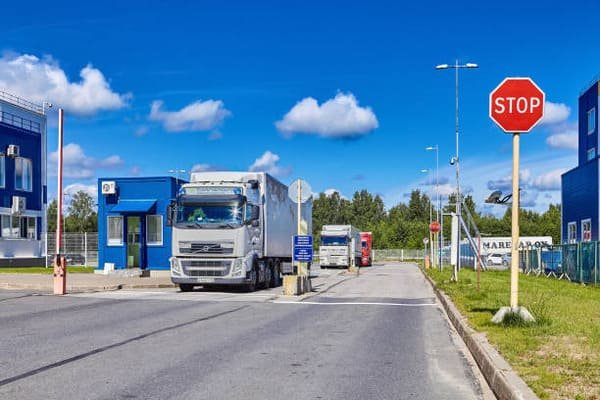
Being proactive is the best defense against customs delays. I worked with a client from Germany, David, who was experiencing holds on almost every shipment. We sat down and did a full audit of his process. We found small inconsistencies in his commercial invoices and packing lists. By fixing these and making his cargo descriptions extremely specific, his inspection rate dropped significantly. Here are the key actions you can take:
Key Steps to Minimize Holds
- Perfect Your Paperwork: This is the most critical step. Your commercial invoice, packing list, and bill of lading must match perfectly. Use specific Harmonized Tariff Schedule (HTS) codes9 and avoid generic descriptions.
- File ISF On Time: For ocean freight, the Importer Security Filing (ISF 10+2) is mandatory. It must be filed at least 24 hours before the cargo is loaded onto the vessel. Late or inaccurate filings are a huge red flag for CBP.
- Partner with Experts: A reliable freight forwarder and a licensed customs broker are invaluable. At Deeplinker, we review all documents before submission to catch potential errors.
- Become a Trusted Trader: Consider joining the Customs Trade Partnership Against Terrorism (CTPAT)10. CTPAT members are considered low-risk by CBP and benefit from a lower rate of inspections.
Conclusion
A 5H hold is a standard U.S. Customs check. Understanding it and being proactive with accurate paperwork and reliable partners are the best ways to ensure your shipments clear smoothly.
Understanding the 5H hold is crucial for importers to navigate customs efficiently. ↩
Explore how NII helps in quick cargo verification without physical inspection. ↩
Learn about the factors that can lead to a more thorough customs examination. ↩
Understand how ATS assesses shipment risks and triggers holds. ↩
Find out the process and significance of CES in customs inspections. ↩
Identify countries that may trigger additional scrutiny during customs checks. ↩
Understand the challenges associated with LCL shipments in customs. ↩
Learn why timely ISF filing is critical for smooth customs clearance. ↩
Understand how HTS codes affect customs duties and inspections. ↩
Find out how CTPAT membership can benefit your shipping process. ↩