
Struggling to find a shipping method1 that is both fast and affordable? A wrong choice can disrupt your entire supply chain2. Rail transport offers a balanced solution for your logistics needs.
Rail transport is ideal for a wide range of goods, especially heavy, bulky, or high-value cargo3 traveling over long land distances. This includes bulk commodities like grain, intermodal containers4, vehicles, construction materials, and sensitive electronics. It provides a perfect middle ground between the speed of air and the cost of sea.
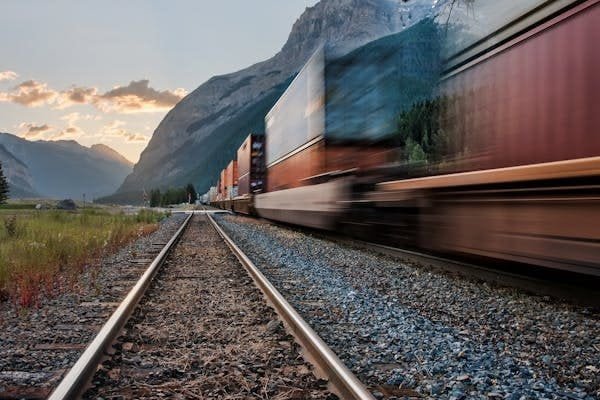
Choosing the right transport mode5 is a critical decision for any business. It directly impacts your costs, delivery times, and customer satisfaction. I've seen many companies overlook rail freight6, thinking it's an outdated option. But for many modern supply chains, especially those connecting Asia and Europe, it's becoming a game-changer. Let's explore exactly what works on rail and what doesn't, so you can make an informed choice for your cargo.
What types of cargo are suitable for rail transport7?
Do you need to move heavy or valuable goods across the country? Relying on trucks alone can be expensive and slow. Rail transport is built to handle these specific cargo types with efficiency.
Rail is excellent for bulk commodities8 like coal and grain, finished vehicles, construction materials, and oversized machinery. It is also a secure option for high-value goods like electronics and automotive parts, especially when shipped in intermodal containers over long distances.
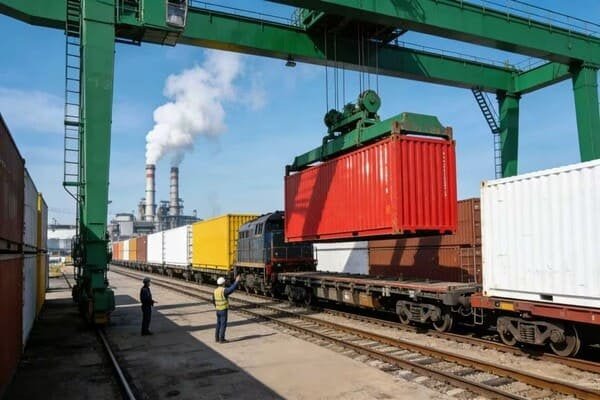
When I break it down for my clients, I usually group suitable cargo into a few key categories. Each one takes advantage of rail's core strengths: massive capacity and consistent, long-haul speed. Understanding these categories helps you see if your products are a good fit.
Bulk and Heavy Cargo
This is the traditional bread and butter of rail freight. Think about goods that are moved in massive quantities. A single train can carry the equivalent of several hundred trucks. This creates huge economies of scale. It makes rail the most cost-effective option for items like coal, ores, grains, chemicals, and lumber. The sheer weight and volume of these products make transport by road impractical and expensive for long distances.
High-Value Goods
This category might surprise some people. I once worked with a company shipping high-end electronics that was hesitant about rail. They were worried about security. But rail transport is actually very secure. Goods are sealed in containers, and trains move on dedicated tracks with fewer stops and less handling than trucks. This reduces the risk of theft and damage. This makes it a great choice for automotive parts, electronics, and even retail goods.
Intermodal Containers
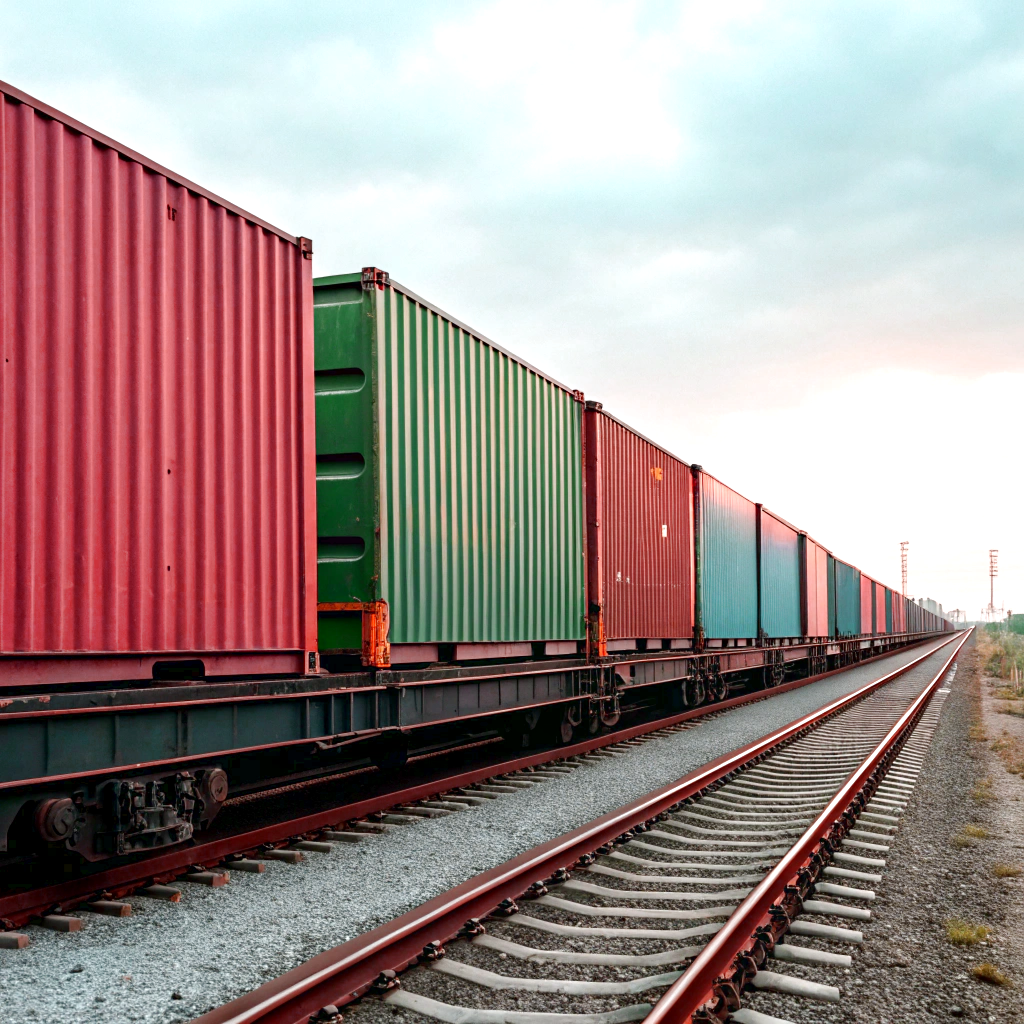
The rise of the intermodal container has revolutionized rail. These are the standard steel boxes you see on ships, trains, and trucks. This standardization means a container can be moved from a ship to a train and then to a truck without ever unpacking the cargo. This seamless process is perfect for international routes like the new "Silk Road" between China and Europe.
| Cargo Category | Examples | Why Rail is a Good Fit |
|---|---|---|
| Bulk Goods | Coal, Grain, Chemicals, Lumber | Massive carrying capacity, low cost per ton. |
| Heavy Machinery | Construction Equipment, Industrial Parts | Handles oversized and heavy loads easily. |
| Vehicles | Cars, Trucks, Agricultural Vehicles | Specialized railcars for safe and efficient transport. |
| High-Value Goods | Electronics, Automotive Parts, Apparel | Secure, sealed containers with less handling. |
| Intermodal | Standard 20ft & 40ft Containers | Seamless transfer between ship, rail, and truck. |
What cargo is NOT suitable for rail transport?
Are you worried that your specific cargo might not be right for rail? Shipping unsuitable goods by train can lead to spoilage or missed deadlines. It is important to know the limitations.
Rail is generally not suitable for extremely time-sensitive cargo9 like fresh produce, live animals, or urgent medical supplies. It's also less efficient for very small, low-volume shipments or for routes that require direct, door-to-door delivery without access to a rail terminal.
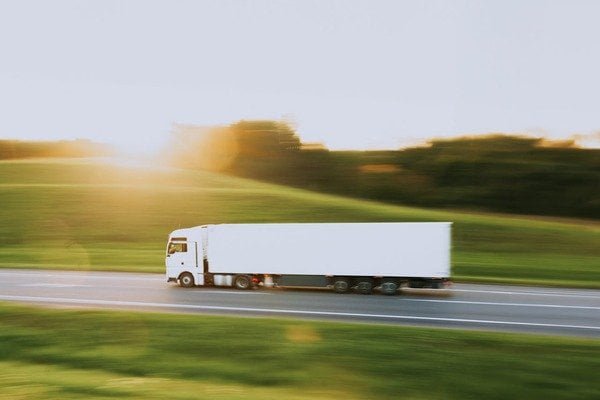
While rail is a powerful solution, it's not a one-size-fits-all answer. I always advise my clients to be realistic about its capabilities. Certain types of cargo are simply better served by other modes of transport, and recognizing this from the start can save you a lot of headaches down the line.
Perishable and Time-Critical Goods
If your shipment has a very short shelf-life, rail is probably not your best bet. While refrigerated railcars (reefers) do exist, the overall transit time10, including first and last-mile drayage, is often too long for things like fresh flowers or certain pharmaceuticals. Air freight is the clear winner for speed-sensitive cargo. You can't risk a shipment of fresh berries sitting in a rail yard for an extra day.
Very Small Shipments
For small, individual parcels or a few pallets, the logistics of rail can be too complex. Rail transport is built on volume. While Less-than-Container-Load (LCL) options exist, the process of consolidating your goods with others at the origin and deconsolidating them at the destination adds time and complexity. For these smaller shipments, trucking is often more direct, flexible, and cost-effective, especially over shorter distances.
The Last-Mile Challenge
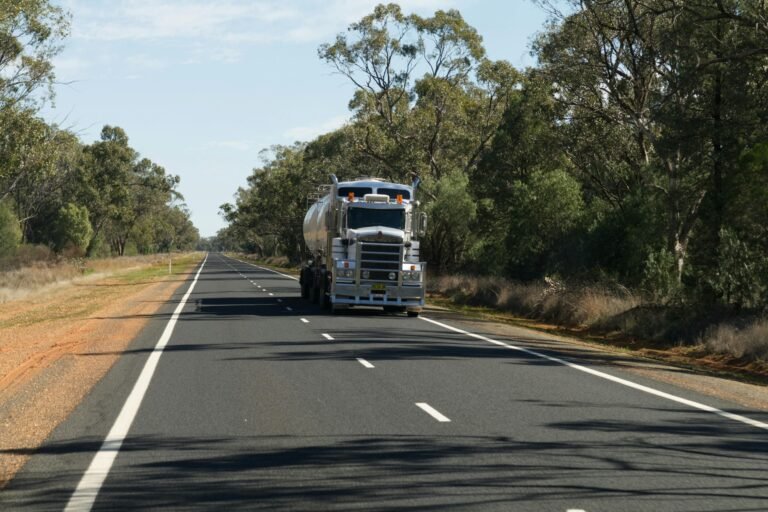
This is a crucial point to understand. A train doesn't pull up to your warehouse door. Rail transport is a terminal-to-terminal service. This means you will always need a truck to move your container from the origin to the rail terminal and from the destination terminal to the final delivery point. If your origin or destination is far from a major rail hub, the cost and time of this trucking can negate the benefits of using rail.
| Unsuitable Cargo Type | Reason for Unsuitability | Better Alternative |
|---|---|---|
| Fresh Perishables | Transit time is too long; risk of spoilage. | Air Freight |
| Live Animals | Requires specialized care and speed. | Specialized Air/Road |
| Urgent Documents | Needs immediate, door-to-door delivery. | Air Courier, Trucking |
| Small Parcels | Inefficient consolidation process. | Parcel Services, Trucking |
How does rail compare to air and sea freight?
Choosing between air, sea, and rail feels like a puzzle. Air is fast but costs a fortune. Sea is cheap but painfully slow. This constant trade-off can make planning your shipments a real challenge.
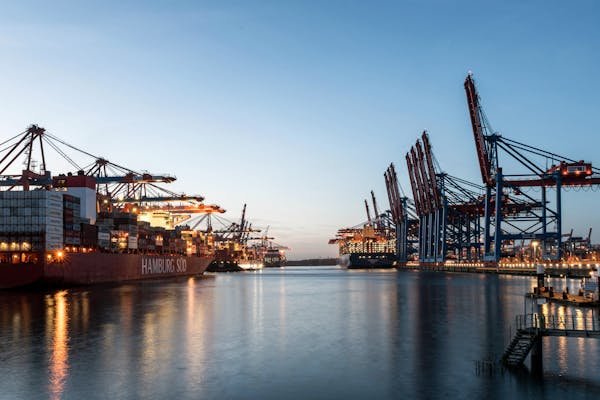
Rail freight is the strategic middle ground. It is significantly faster than sea freight and much cheaper than air freight. For a shipment from China to Europe, rail can cut transit time by half compared to sea, providing a reliable balance of speed, cost, and efficiency.
I often describe the choice between these three modes as a triangle of "Speed, Cost, and Volume." You can usually pick two, but it's hard to get all three. Air gives you speed at a high cost. Sea gives you low cost and high volume but is very slow. Rail carves out a unique space right in the middle, offering a blend that is becoming more popular. A client of mine who used to split shipments between air and sea now uses rail for the bulk of their cargo. It simplified their entire logistics plan.
Cost Analysis
The difference in cost is stark. Air freight is by far the most expensive, often 5 to 10 times more than rail. Sea freight is the cheapest option, especially for very large volumes. Rail sits comfortably in between. It provides significant cost savings over air, making it accessible for goods with a moderate value. For businesses that can't afford air freight but can't wait for sea freight, rail is the perfect financial fit.
Transit Time Breakdown
Time is money in logistics. Let's look at a real-world example: shipping a container from Shanghai, China to Hamburg, Germany.
- Sea Freight: Approximately 35-45 days.
- Rail Freight: Approximately 15-20 days.
- Air Freight: Approximately 3-5 days (including ground handling). As you can see, rail cuts the sea transit time by more than half. This speed allows businesses to reduce inventory holding costs and respond more quickly to market demand.
Reliability and Sustainability
Rail has a major advantage in reliability. Train schedules are fixed and are far less susceptible to weather delays compared to ships at sea. Ports can get congested, but rail lines are dedicated pathways. Furthermore, rail is a more environmentally friendly option than air. It has a significantly lower carbon footprint per ton-mile, which is an increasingly important factor for many companies and their customers.
| Feature | Air Freight | Rail Freight | Sea Freight |
|---|---|---|---|
| Cost | Very High | Medium | Low |
| Speed | Very Fast (3-5 days) | Fast (15-20 days) | Slow (35-45 days) |
| Capacity | Low | High | Very High |
| Reliability | Moderate (weather delays) | High (fixed schedules) | Low (weather, port delays) |
| Eco-Friendly | Low | Medium | High |
What are the key advantages of choosing rail transport?
Are unpredictable shipping delays11 and rising costs hurting your bottom line? Port congestion, fuel price spikes, and weather events create constant uncertainty. Rail transport offers a more stable and efficient alternative.
The primary advantages of rail are its reliability, cost-effectiveness, and speed relative to sea freight. It offers fixed schedules, a lower environmental impact than air travel, and enhanced security for cargo, making it a powerful solution for long-distance continental shipping.
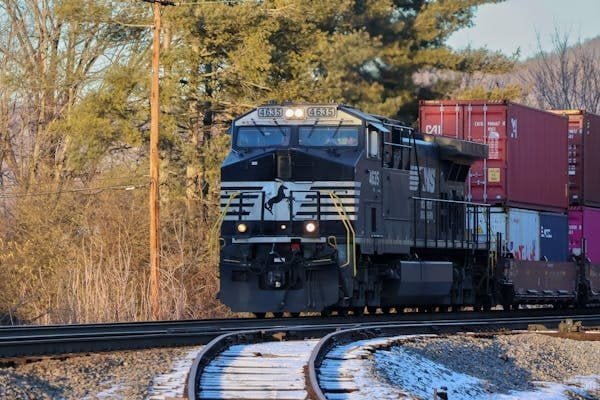
When businesses first consider rail, they often focus only on the transit time. But the benefits go much deeper than just being faster than a ship. From my experience, the clients who get the most out of rail are the ones who leverage all of its core advantages. It's about building a more resilient, predictable, and even greener supply chain.
Economic Benefits
The economics of rail are compelling, especially for heavy and bulky goods. A single train can haul a massive amount of freight, distributing the cost of fuel and labor across hundreds of containers. This leads to a lower cost per unit compared to trucking over long distances. This efficiency allows you to move more goods for less money, directly improving your profit margins. It also reduces road congestion and wear and tear on public highways.
Reliability and Predictability
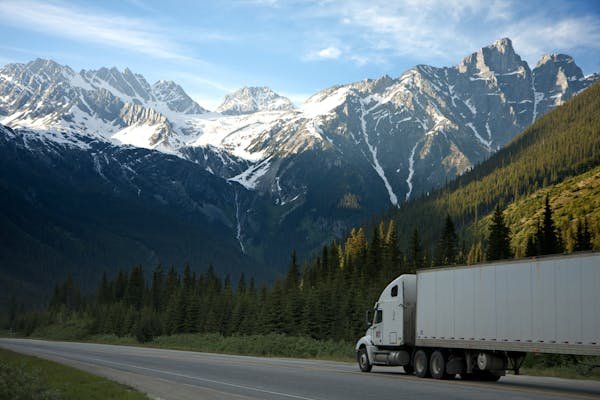
One of the biggest frustrations in logistics is unpredictability. A shipment can be delayed by a storm at sea or a traffic jam on the highway. Rail transport runs on a fixed schedule along a dedicated infrastructure. This makes transit times highly predictable. I had a client in the fashion industry who switched to rail because they needed to hit specific seasonal deadlines. The reliability of the train schedule gave them the confidence to plan their product launches accurately.
Environmental Impact
As consumers and governments become more focused on sustainability, the environmental footprint of logistics is under scrutiny. Rail transport is a greener choice. Trains are significantly more fuel-efficient than planes and even more so than trucks on a ton-mile basis. By shifting cargo from road or air to rail, your company can drastically reduce its carbon emissions. This isn't just good for the planet; it's a strong marketing point that resonates with modern consumers.
What should I consider before choosing rail freight6?
Are you thinking about using rail for your next shipment? Simply booking a train without proper planning can lead to unexpected costs and delays. A few key considerations will ensure your cargo's journey is smooth.
Before choosing rail, you must confirm that a viable rail network exists between your origin and destination. It's also vital to calculate the total transit time and cost, including first and last-mile trucking, and to prepare all necessary customs documentation12 for cross-border journeys.
I've seen people get excited about the low per-mile cost of rail without considering the full picture. The success of a rail shipment depends entirely on the details. A little bit of homework upfront can be the difference between a seamless delivery and a logistical nightmare. Here are the things I always walk my clients through before they commit to a rail solution.
Route and Infrastructure Assessment
This is the absolute first step. Does a practical rail route even exist for your shipment? You need to check for the availability of rail terminals near both your pickup location and your final destination. A great rail line is useless if you have to truck your container 500 miles just to get to the station. Assess the quality of the infrastructure along the route, especially for international shipments, as this can impact speed and reliability.
Calculating Total Cost and Time
Don't just look at the terminal-to-terminal rail freight quote. You must calculate the all-in, door-to-door cost. This includes:
- Pre-carriage: The cost of trucking the container from your warehouse to the origin rail terminal.
- Rail Freight: The main cost for the train journey.
- On-carriage: The cost of trucking the container from the destination rail terminal to the final delivery address. The same logic applies to time. Add the time for both trucking legs to the rail transit time to get a true door-to-door estimate. I once had a client who was surprised that their 16-day rail journey took 22 days total because they forgot to account for the initial and final drayage.
Documentation and Customs
If your train is crossing international borders, customs clearance is a major factor. Each country the train passes through may have different documentation requirements. This is where working with an experienced freight forwarder is essential. They can ensure all paperwork, like the SMGS or CIM consignment note, is completed correctly to avoid delays at the border. A simple mistake on a form can leave your container stuck for days.
Conclusi
Explore various shipping methods to find the most efficient and cost-effective solutions for your logistics needs. ↩
Learn about the crucial role rail transport plays in enhancing supply chain efficiency and reliability. ↩
Understand the best practices for shipping high-value goods securely and efficiently. ↩
Explore the benefits of intermodal containers in streamlining your shipping process across different transport modes. ↩
Explore factors to consider when selecting the best transport mode for your shipping needs. ↩
Discover the unique advantages of rail freight and how it can benefit your shipping strategy. ↩
Discover how rail transport can optimize your shipping strategy with its speed and cost-effectiveness. ↩
Find out which bulk commodities can be efficiently transported by rail to maximize your logistics operations. ↩
Learn about the best shipping methods for urgent deliveries to ensure your time-sensitive cargo arrives on time. ↩
Learn how to accurately calculate transit times to improve your shipping schedules and customer satisfaction. ↩
Learn about common causes of shipping delays and strategies to mitigate them for smoother operations. ↩
Understand the necessary customs documentation to ensure smooth international shipping and avoid delays. ↩