

Frustrated that your non-dangerous cargo was rejected? Delays and extra costs are piling up. I'll show you the hidden reasons so you can avoid this frustrating problem.
Your non-dangerous cargo can be rejected for several reasons. These include incorrect paperwork, poor packaging, or hidden characteristics like strong magnets or batteries. Also, specific carriers, ports, or countries have their own unique restrictions that you must follow.

It's a situation I've seen many times. A client calls me, completely baffled because their perfectly safe shipment is stuck at the port. They thought "non-dangerous" meant "no problems," but that's rarely the case in global logistics. The devil is truly in the details. Let’s break down these details one by one so you can be better prepared next time.
Why Does “Non-Dangerous” Not Mean “No Restrictions”?
You labeled your cargo "non-dangerous" and expected an easy shipment. Now it's stuck because of unexpected rules. Let’s clear up this common and costly misunderstanding.
"Non-dangerous" simply means your item isn't classified under the nine official hazard classes. However, it can still be a "restricted" or "sensitive" good due to its nature, like powders, liquids, or items with batteries. Always check for specific handling requirements beyond the DG list.
I often have to explain this distinction to clients. The term "Dangerous Goods" (DG) is very specific. It refers to items officially classified into nine hazard classes by international bodies like the IATA or IMO. Think explosives, flammable liquids, or corrosives. If your product isn't on that list, it's technically "non-dangerous." But that's where the confusion starts. A separate category exists: "restricted" or "sensitive" goods. These items aren't officially hazardous, but they require special handling, permits, or carrier approval. I once handled a shipment of high-end cosmetics. They weren't flammable, but because they were liquids and powders, they faced extra scrutiny and required a specific Material Safety Data Sheet (MSDS)1 to prove their composition. The carrier needed to be sure they wouldn't leak or cause contamination issues. This is a perfect example of a non-DG item facing serious restrictions.
Understanding the Difference
It’s crucial to know where your product falls. This simple check can prevent major headaches down the road.
| Category | Definition | Examples |
|---|---|---|
| Dangerous Goods | Officially classified under one of the nine hazard classes. | Lithium Batteries, Paint, Aerosols |
| Restricted Goods | Not officially DG, but requires special handling or documentation. | Large Batteries, Powders, Liquids, Magnets |
| General Cargo | No special restrictions or handling needed. | Clothing, Books, Plastic Toys |
Always ask yourself: "Is my non-DG cargo also considered restricted or sensitive?" This one question can save you a lot of trouble and money.
How Can Incomplete or Incorrect Shipping Documentation Get My Cargo Rejected?
You thought your paperwork was perfect, but now your cargo is stuck. A tiny mistake on a form is causing a huge delay. Let's pinpoint these common documentation errors.
A rejection can be triggered by simple errors. This includes using the wrong HS code, having conflicting descriptions on the commercial invoice and bill of lading, or failing to provide a Material Safety Data Sheet (MSDS) when requested. Accuracy and consistency are absolutely essential for all documents.

I always tell my clients to think of their shipping documents as the cargo's passport. If there's any inconsistency, the "border control"—be it the carrier or customs—will stop it. Even for non-dangerous goods, the details must be perfect. A small typo can lead to big problems. For example, I had a case where a client was shipping "computer components." The commercial invoice listed them as such, but the packing list had a more detailed breakdown that included "motherboards with small CR2032 batteries." The carrier's system flagged the word "batteries," and the whole container was stopped for inspection. The client needed to provide a declaration stating the batteries met specific non-DG regulations. This small oversight in description cost them a week.
Key Documents and Common Pitfalls
Pay close attention to these documents. Getting them right is the foundation of a successful shipment.
| Document | Common Rejection Reason | How to Avoid It |
|---|---|---|
| Commercial Invoice | Value, currency, or description doesn't match other docs. | Triple-check that all details align with the packing list and B/L. |
| Bill of Lading (B/L)2 | Vague cargo description like "General Goods" or "Parts." | Be specific. Use the correct HS code and a clear, accurate description. |
| MSDS/SDS | Not provided for items like liquids, powders, or chemicals. | If your product could be questioned, provide an MSDS proactively. |
| Packing List | Weight or dimensions don't match what was declared. | Ensure the physical cargo matches the declared numbers exactly. |
Accuracy isn't just a goal; it's a strict requirement in the world of logistics.
Can Poor Packaging and Labeling Really Stop My Shipment?
You used standard boxes to pack your goods to save some money. Now the carrier has rejected the shipment for being unsafe. Let’s cover why proper packaging is critical.
Absolutely. Carriers will reject cargo if the packaging is weak, damaged, or unstable, as it poses a risk to other shipments and their crew. Reused boxes with old, irrelevant labels, especially old hazardous material warnings, are another common reason for immediate rejection to avoid confusion.

Carriers look at your cargo from a purely practical standpoint: is it safe and easy to handle? Your packaging is the first thing they see. If a pallet looks like it might tip over, or if a crate has a crack in it, they won't take the risk. They are responsible for everything in their possession, and your poorly packaged goods could damage another client's expensive cargo. I remember a shipment of industrial machinery parts. The parts themselves were non-DG, but they were packed in flimsy wooden crates. The port handler saw the wood splintering and refused to load it. The shipper had to pay for emergency repacking at the terminal, which was incredibly expensive and caused a two-week delay. It's not just about strength, either. Labeling hygiene is just as important.
Packaging & Labeling Best Practices
Follow these simple rules to ensure your cargo is accepted.
| Aspect | Do | Don't |
|---|---|---|
| Strength | Use new, sturdy boxes or crates rated for the item's weight. | Use old, damaged boxes or packaging that can't support the weight. |
| Stability | Securely stack items on a pallet and use shrink wrap. | Create a top-heavy or unstable pallet that could easily fall. |
| Labeling | Ensure all shipping labels are clear, correct, and visible. | Leave old, conflicting labels on reused boxes (e.g., a "Flammable" sticker). |
| Internal Dunnage | Use proper filling to prevent items from shifting inside the box. | Leave empty space inside the package, allowing contents to move. |
Investing in good packaging is investing in a successful, on-time delivery.
What Hidden Dangerous Characteristics Can My "Non-DG" Cargo Have?
You're shipping a simple electronic device, not a dangerous good. But it was just rejected for having a hidden hazardous component. Let’s find these hidden risks together.
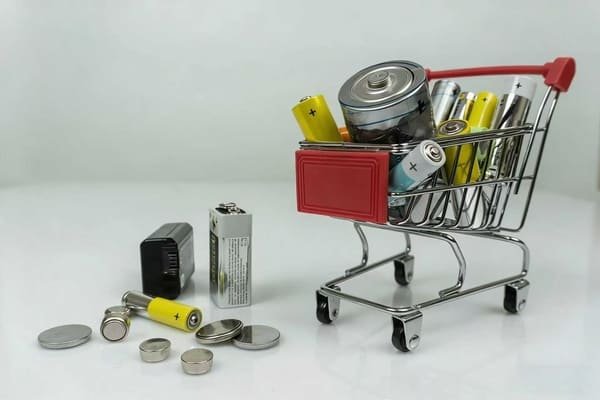
Many products have regulated components. Small lithium batteries in electronics, strong magnets3 in speakers or equipment, and small aerosols or pressurized gas cylinders in toolkits are common examples. Even though the overall product is "non-dangerous," these parts require special declarations and handling procedures.

This is one of the most common traps I see. A product as a whole is not classified as dangerous, but a small part of it is. The carrier's safety system is designed to catch these keywords. I worked with a company shipping electric toothbrushes. They are non-DG. But the shipping description mentioned "lithium-ion battery inside." That immediately triggered a request for a battery specification sheet and a special declaration. While these small batteries are often exempt from full DG regulations, they still have rules that must be followed. The carrier needs to know the battery's power (in Watt-hours) and confirm it's installed in the equipment. Forgetting to declare this can get your shipment rejected flat out. It’s all about transparency. You have to declare everything that is inside your package.
Common Products with Hidden Hazards
Be aware of these components in your cargo to avoid surprises.
| Product | Hidden Component/Characteristic | Why It's Flagged |
|---|---|---|
| Electronics | Lithium-ion or metal batteries4 | Fire risk, even if small. Requires declaration. |
| Speakers/Motors | Strong magnets | Can interfere with navigational equipment on aircraft. |
| Tool or Repair Kits | Small aerosols, adhesives, or cleaners | May contain flammable propellants or chemicals. |
| Refrigeration Equipment | Pressurized gases | Risk of explosion or release under pressure changes. |
Always dissect your product list and identify any potentially regulated components before you book a shipment.
How Do Carrier, Port, or Country-Specific Restrictions Affect My Cargo?
Your cargo was fine for one carrier, but another one rejected it. Now you are stuck and confused by these inconsistent rules. Let's explore why every company has its own playbook.
International laws are only the minimum standard. Every airline, shipping line, port, and country can enforce its own stricter rules. They might ban certain goods entirely, require special permits, or have unique packaging demands. It is essential to verify the rules for your specific route.
It's important to understand that there isn't one single rulebook for global shipping. There's a hierarchy of regulations. At the top, you have international standards like the IMDG Code for sea freight. But these are just the foundation. Individual shipping lines and airlines then add their own rules on top of that, often called "carrier variations." For example, some airlines refuse to carry any kind of magnet, even if it's permitted under IATA rules. They just don't want the risk. Then you have port and country-specific rules. I once had a shipment of wood products going to Australia. The products were perfectly safe, but Australia has extremely strict biosecurity laws. The crates had to be fumigated and certified with a special stamp. Without that stamp, the cargo would have been rejected or destroyed upon arrival. This had nothing to do with the product being dangerous, and everything to do with the destination country's unique regulations.
Layers of Shipping Regulations
You must comply with all of them to avoid problems.
| Regulation Layer | Who Sets It | Example |
|---|---|---|
| International | IMO, IATA, etc. | The nine classes of dangerous goods. |
| Carrier-Specific | Maersk, Emirates, etc. | An airline might ban all shipments of a certain chemical, even if it's non-DG. |
| Port/Country-Specific | Local Customs/Govt. | A country might require all wooden packaging to be heat-treated (ISPM 15). |
The best way to navigate this is to talk to your freight forwarder. We deal with these variations every day and can tell you exactly what's needed for your specific shipment and route.
Conclusion
Avoid non-DG rejections with perfect paperwork, secure packaging, and clear communication. Proactive checks on all rules will save you from costly delays and ensure a smooth shipping experience.
Learn how an MSDS can prevent cargo rejections and ensure safety. ↩
Understanding the Bill of Lading is key to ensuring your cargo is shipped correctly. ↩
Explore the risks associated with shipping items containing strong magnets. ↩
Understanding battery regulations is essential for compliant and safe shipping. ↩