
Shipping dangerous goods is already complex. Unexpected, massive fees like demurrage can completely wipe out your profit margins. Understanding why these charges exist is the first step to avoiding them.
Demurrage for dangerous goods is higher because they pose greater risks and require special handling, storage, and regulatory oversight. Ports and carriers charge more to cover the increased liability, specialized infrastructure, and administrative burden associated with these sensitive shipments.
I’ve seen it happen too many times. A client shipping lithium batteries from Shenzhen gets a bill that’s double what they expected, all because of a delay at the port. These fees are not just random penalties; they are a core part of managing risk in the logistics world. But they don't have to be a surprise. Let's break down exactly what these charges are, why they are so high for dangerous goods, and most importantly, how you can protect your business from them. Understanding this process is key to keeping your supply chain efficient and profitable.
What Is Demurrage in Shipping Anyway?
You see the word "demurrage" on your invoice and your heart sinks. It's a surprise charge that eats into your budget. Let's define it simply so you are never caught off guard again.
Demurrage1 is a fee charged by the shipping line when you use their container beyond the allotted free time at the port. It's essentially a penalty for delays in picking up your container after it has been unloaded from the vessel.

People often get demurrage confused with other port charges. It’s important to know the difference because you can be billed for all of them. Think of it this way: the shipping line gives you a certain number of "free days" to pick up your full container from the port terminal after it arrives. If you go past these free days, they start charging you a daily fee. This fee is demurrage. Its purpose is to encourage you to move the container quickly. Ports are incredibly busy, and an idle container takes up valuable space.
To make it clearer, let's break down the three main types of delay fees.
| Fee Type | What is it for? | Who charges it? | When does it apply? |
|---|---|---|---|
| Demurrage | Using the container past free time inside the port. | Shipping Line | From vessel discharge until the full container is picked up. |
| Detention | Using the container past free time outside the port. | Shipping Line | From when you pick up the full container until you return the empty one. |
| Storage | Using the ground space at the port terminal. | Port/Terminal | From when the container is discharged until it is picked up. |
As you can see, you could even be charged demurrage and storage at the same time. I remember a client in the U.S. who had a customs hold. They were paying demurrage to the carrier for the container and storage to the port for the space, all while the clock was ticking. Understanding these distinct charges is the first step toward managing them effectively.
So Why Is Dangerous Goods Demurrage So Much Higher?
You might budget for some demurrage, but the rate for your dangerous goods (DG) shipment is shocking. This massive fee can turn a profitable shipment into a loss. Let's look at the real reasons behind this price hike.
DG demurrage is higher due to increased risk, liability, and special handling requirements. Ports need segregated, compliant storage areas, and carriers face stricter regulations. The high fees compensate for this extra operational complexity and potential danger.
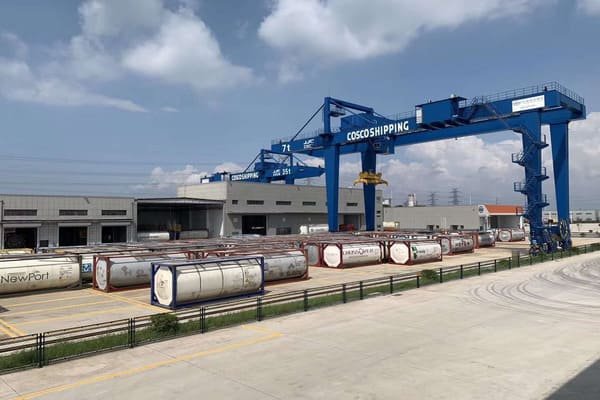
When a standard container of t-shirts is delayed, it’s an inconvenience. When a container of flammable chemicals is delayed, it’s a serious safety hazard. That fundamental difference is why the costs are so much higher. The port and the shipping line take on a much greater risk. They have to treat that DG container with special care from the moment it arrives until the moment it leaves.
Let's look at the core factors that drive up the cost.
Increased Risk and Liability
A DG container that sits too long is a liability. There is a risk of leaks, fires, or chemical reactions. The port's insurance premiums are higher for the areas where they store these goods. The high demurrage fee is a way for them to offset this financial risk and to create a very strong incentive for you to remove that risk from their property as fast as possible.
Specialized Storage Requirements
You can't just place a container of corrosive materials next to one with electronics. Ports must have specially designated DG yards. These areas are often located away from general cargo, have advanced fire suppression systems, spill containment infrastructure, and require regular inspections. This specialized real estate is limited and expensive to maintain, so the "rent" for occupying it is much higher.
Regulatory and Administrative Burden
Handling dangerous goods involves a mountain of paperwork and strict adherence to international rules like the IMDG Code2. A delayed container often means more inspections and more administrative work for both the port authority and the carrier. This extra labor and scrutiny adds to the overall cost, which is passed on through higher fees.
Are There Other Hidden Costs from DG Delays?
You are focused on the huge demurrage bill in front of you. But other costs are piling up in the background, damaging your supply chain and your reputation. Let's uncover the other financial hits from DG delays.
Yes, beyond demurrage, delays with dangerous goods can lead to extra storage fees3, re-inspection charges4, and even fines from port authorities. These delays can also disrupt your entire supply chain, causing production halts5 and damaging relationships with your customers.
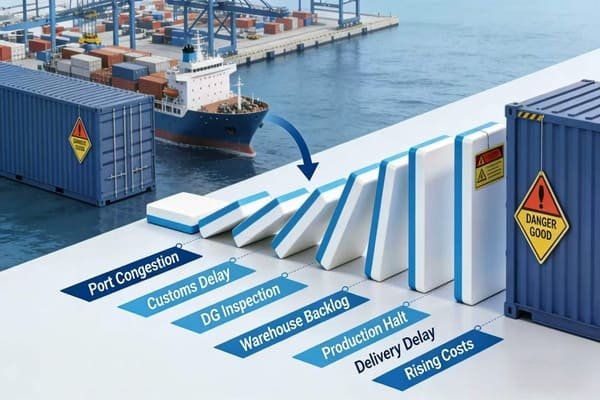
A delay is never just one problem. It’s a chain reaction. I worked with a chemical company in Germany that had a documentation error on a shipment from China. The initial delay was only three days, but the ripple effect was huge. The demurrage was the most obvious cost, but the true damage was much deeper. They missed their production window because they were waiting for a key raw material. This pushed back their entire product launch.
Let's look at the common hidden costs.
Production Halts and Lost Sales
If the delayed DG shipment contains a critical component for your manufacturing line, every day it sits at the port is a day your factory might be idle. This leads to lost production, and you may not be able to fulfill orders for your own customers. For our German client, this meant they missed a key sales season, and the lost revenue was ten times the amount of the demurrage charge.
Extra Inspection and Handling Fees
When a DG container is held for a long time, port authorities or customs may order a re-inspection to ensure it is still safe. This isn't free. You will be billed for the labor to move the container to an inspection area, the inspection itself, and any potential re-labeling or documentation adjustments that are required. These are unexpected costs that add up quickly.
Damage to Your Business Reputation
Consistently failing to deliver on time hurts your reputation. Your customers, whether they are distributors, retailers, or end-users, rely on your promises. When delays happen, especially with critical goods, they lose trust in your ability to manage your supply chain. This can lead them to look for more reliable suppliers in the future.
How Can You Avoid These High DG Demurrage Charges?
These dangerous goods fees can feel unavoidable and frustrating. You feel powerless against the system. But with the right strategy and a good partner, you can take control and minimize these costs.
The best way to avoid high DG demurrage is through meticulous planning. Ensure all your documentation is perfect, pre-clear customs whenever possible, and have your inland transport6 ready before the vessel arrives. Working with an experienced logistics partner is crucial for coordination.
The secret to avoiding demurrage is to do all the work upfront. The game is won or lost before the ship even leaves the port of origin. One of my clients, a French company that imports specialized industrial coatings, used to get hit with demurrage on almost every shipment. We implemented a simple pre-shipment checklist, and now they haven't paid a dime in demurrage for over a year. It all comes down to preparation and communication.
Here are the key steps you need to take:
- Perfect Your Documentation. This is the number one cause of delays. Your Dangerous Goods Declaration (DGD), Material Safety Data Sheet (MSDS), and commercial invoice must be 100% accurate and consistent. A small typo or a missing code can trigger a customs hold that lasts for days or even weeks. Double-check everything before it is submitted.
- Arrange Customs Pre-Clearance. Don’t wait for the ship to dock to start the customs process. We work with customs brokers to submit documents while the cargo is still on the water. This means that for many shipments, clearance is granted before the container is even unloaded. The container can then be picked up immediately, often avoiding demurrage entirely.
- Coordinate Your Inland Logistics. Book your truck well in advance. Make sure the trucking company has all the necessary information, including the container release number and the terminal location. The truck should be waiting for the container, not the other way around.
- Work with an Experienced Partner. This is critical. A good freight forwarder who specializes in dangerous goods, like us at Deeplinker, knows the specific rules at each port. We have relationships with carriers and terminals that help us solve problems quickly. We can anticipate potential issues with your paperwork or cargo and fix them before they become costly delays.
Conclusion
High demurrage on dangerous goods isn't a random penalty; it reflects the serious risk involved. With meticulous planning, perfect documentation, and an expert partner, you can navigate these challenges and protect your bottom line.
Understanding demurrage is crucial for managing shipping costs effectively. ↩
Understanding the IMDG Code is essential for shipping dangerous goods safely. ↩
Learn about storage fees to avoid unexpected costs during shipping. ↩
Understand re-inspection charges to budget for potential additional costs. ↩
Discover the impact of shipping delays on production and revenue. ↩
Learn why coordinating inland transport is crucial for timely deliveries. ↩