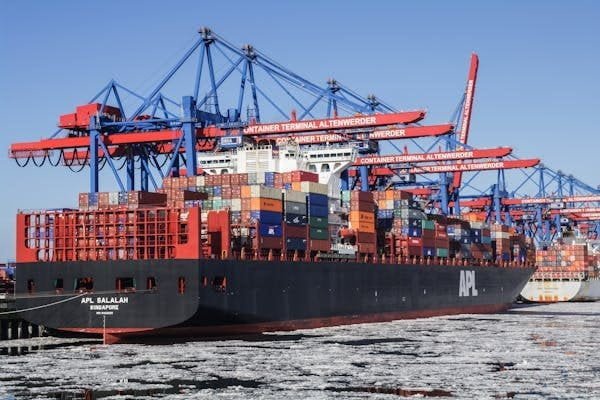


Struggling with complex pesticide exports from China1? A small error can cause huge delays. This guide breaks down the entire process for you, step by step.
Successfully exporting pesticides2 from China requires understanding production regions3, key ports, common challenges4, and required documents. Focus on Jiangsu and Shandong provinces5. Use major ports6 like Shanghai and Qingdao. Prepare for strict inspections and have all your paperwork, like the export license7 and MSDS, ready.
Navigating the world of pesticide exports can feel like a maze. I remember my first time; I was overwhelmed by all the rules and locations. But once you understand the key areas and processes, it becomes much clearer. Let's start by looking at where these products actually come from.
Where Are China’s Main Pesticide Production Regions?
Trying to find reliable pesticide suppliers8 in China? Sourcing from the wrong area adds costs and transport time. Let's pinpoint the key production zones to streamline your supply chain.
China's main pesticide production is concentrated in eastern coastal provinces. Jiangsu and Shandong are the top two, known for their large-scale manufacturing and diverse product ranges. Zhejiang and Hebei are also significant players, offering specialized chemicals and formulations for export.

When I first started sourcing, I thought I could find a good supplier anywhere. I quickly learned that focusing on the main industrial clusters saves a huge amount of time and money. These regions have the infrastructure, experienced labor, and logistical networks9 designed for chemical production and export.
Jiangsu Province: The Leader
Jiangsu is the undisputed leader in China's pesticide industry. The province has a massive number of chemical industrial parks10, especially in cities like Nantong, Yancheng, and Lianyungang. The variety here is incredible, from technical-grade active ingredients to complex formulations. Its proximity to the Port of Shanghai11 is a major advantage, making it easier and cheaper to get products to the port. I've spent a lot of time visiting factories here, and the scale of operations is always impressive. They are well-versed in export requirements12.
Shandong Province: The Powerhouse
Shandong is a close second and a true powerhouse, especially for herbicides and raw chemical materials. Cities like Zibo and Weifang are major hubs. One of Shandong's key strengths is its access to raw materials, which can make pricing very competitive. The province is served by the Port of Qingdao13, which is highly efficient at handling dangerous goods.
| Province | Key Cities | Main Products | Key Advantage |
|---|---|---|---|
| Jiangsu | Nantong, Yancheng | Fungicides, Insecticides, Formulations | Huge variety, export experience, near Shanghai Port |
| Shandong | Zibo, Weifang | Herbicides, Raw Materials | Competitive pricing, strong raw material base |
| Zhejiang | Hangzhou, Ningbo | Specialty Chemicals, Intermediates | High-tech focus, near Ningbo Port |
| Hebei | Shijiazhuang | Herbicides | Proximity to Northern markets, near Tianjin Port |
Which Ports Handle Most of China’s Pesticide Exports?
Confused about which Chinese port to use for pesticides? The wrong choice means customs delays and higher shipping costs. I'll show you the best ports for handling these sensitive goods.
The Port of Shanghai is the primary hub for pesticide exports, thanks to its proximity to Jiangsu's production base. The Port of Qingdao is another major player, serving Shandong province. Other important ports include Ningbo and Tianjin, handling shipments from nearby manufacturing zones.
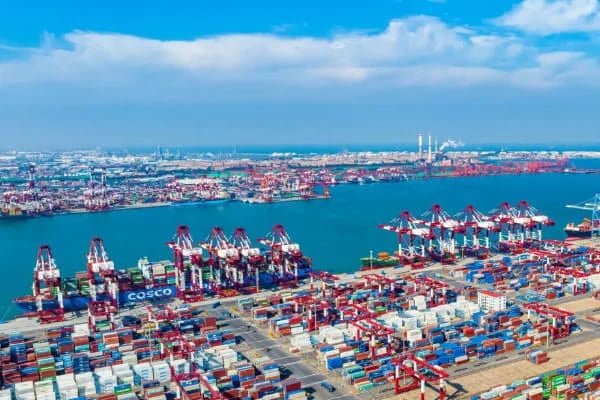
Choosing the right port is about more than just location. It's about finding a port with the right facilities and experienced customs officials who understand how to handle dangerous goods (DG). A port that deals with a high volume of pesticides will have smoother processes.
Port of Shanghai: The Busiest Hub
The Port of Shanghai is the world's busiest port, and it handles a massive volume of chemical exports. Its main advantage is its location, right next to the production heartlands of Jiangsu and Zhejiang. The port has specialized warehouses for dangerous goods and well-established procedures for inspection and clearance. I've personally overseen shipments from Shanghai. While it can be very busy, the infrastructure is top-notch. The shipping line options are also the most plentiful here, giving you more flexibility.
Port of Qingdao: The Northern Gateway
The Port of Qingdao is the natural gateway for products coming out of Shandong province. It is known for its efficiency. In my experience, customs clearance in Qingdao can sometimes be faster than in Shanghai for well-prepared shipments. The customs officers there are incredibly knowledgeable about pesticide classifications and documentation, which helps prevent unnecessary delays.
| Port | Main Serviced Province(s) | Key Advantages | Potential Challenges |
|---|---|---|---|
| Shanghai | Jiangsu, Zhejiang | Huge capacity, most shipping routes, advanced DG facilities | Can be congested, higher local fees |
| Qingdao | Shandong, Hebei | High efficiency, experienced customs for chemicals | Fewer direct shipping routes than Shanghai |
| Ningbo | Zhejiang | Modern terminals, good alternative to Shanghai | Can be affected by Shanghai's congestion |
| Tianjin | Hebei, Northern China | Main port for the north, good rail connections | Stricter inspections after past incidents |
What Are the Common Challenges in Exporting Pesticides from China?
Anxious about what could go wrong with your pesticide shipment? Customs inspections and documentation errors14 can stop your cargo in its tracks. Let's identify these common challenges to prevent them.
The most common challenges are strict customs inspections15, incorrect product classification (HS codes), and incomplete documentation. Delays also arise from securing vessel space for dangerous goods (DG) and ensuring packaging meets international standards like the IMDG Code. These hurdles can cause significant delays.
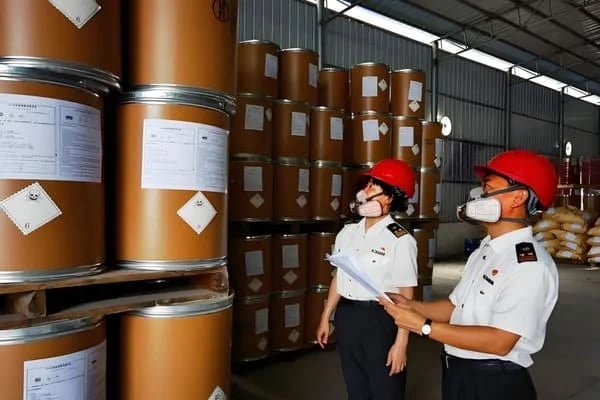
Exporting pesticides isn't like shipping clothes or electronics. The "dangerous goods" classification adds layers of complexity. I once had a shipment held for two weeks because the CAS number on the Material Safety Data Sheet (MSDS)16 didn't perfectly match the export license. It was a tiny typo, but it caused a massive headache and cost my client a lot of money. Understanding these pitfalls is the first step to avoiding them.
Navigating Strict Customs Inspection
Chinese customs are very strict with pesticide exports. They will physically inspect the cargo to ensure the goods match the documents. This includes checking the labels, packaging, and sometimes even taking samples for testing. Any discrepancy can lead to the shipment being held. You must ensure your supplier labels everything perfectly.
The Documentation Maze
Paperwork is a huge hurdle. A missing signature, an incorrect HS code, or an expired license can stop everything. The details must be 100% consistent across all documents, from the commercial invoice to the MSDS.
Booking and Shipping DG Cargo
Shipping lines are cautious with dangerous goods. You can't just book space on any ship. You must declare the cargo as DG upfront and provide the MSDS. The shipping line must approve it, and space for DG cargo is often limited. This means you need to plan your shipment well in advance.
| Challenge | Description | How to Avoid It |
|---|---|---|
| Customs Holds | Cargo is stopped for inspection due to inconsistencies or random checks. | Ensure all labels and documents are perfect. Work with an experienced supplier. |
| Document Errors | Mismatched information (HS code, product name, weight) across documents. | Triple-check every document before submission. Use a professional forwarder. |
| DG Booking Issues | Difficulty finding a vessel that will accept your DG cargo. | Plan and book your shipment at least 3-4 weeks in advance. Provide all DG docs early. |
| Packaging Fails | Packaging does not meet the UN standards required by the IMDG Code. | Only use suppliers who can provide a valid Dangerous Goods Package Certificate17. |
What Documents Are Required for Pesticide Export from China?
Overwhelmed by the paperwork needed for pesticide exports? Missing a single form can lead to your shipment being rejected. Here is a clear checklist of all the essential documents.
Key documents include the Pesticide Export Release Notice, a valid Export License, the Material Safety Data Sheet (MSDS), and a Dangerous Goods Package Certificate. You will also need standard export papers like the Commercial Invoice, Packing List, and Bill of Lading. Each document is critical.
Getting the paperwork right is more than half the battle. I always tell my clients to think of it as building a case for customs. Every document is a piece of evidence that proves your shipment is legal, safe, and correctly declared. If one piece is missing or faulty, the whole case falls apart.
Core Compliance Documents
These are the special documents required specifically for pesticides.
- Pesticide Export Release Notice : This is issued by the Institute for the Control of Agrochemicals, Ministry of Agriculture (ICAMA). It proves the product is registered and approved for export. It's the most important document.
- Export License: For certain pesticides, a separate export license from the Ministry of Commerce is required.
- Material Safety Data Sheet (MSDS): This document details the chemical properties, hazards, and safety precautions. It must be accurate and in the correct format. The UN number, CAS number, and proper shipping name must be correct.
- Dangerous Goods Package Certificate: This proves that the packaging (e.g., drums, bags) has been tested and is certified to safely transport the hazardous material inside. I always advise clients to confirm the factory can provide this before placing an order.
Standard Shipping Documents
These are required for all exports, but they must align perfectly with the core compliance documents.
- Commercial Invoice
- Packing List
- Bill of Lading or Air Waybill
| Document | Purpose | Key Information to Check |
|---|---|---|
| Pesticide Export Release Notice | Proves the product is registered for export with ICAMA. | Expiry date, product name, and manufacturer must match exactly. |
| MSDS | Provides safety and handling information for carriers and customs. | UN number, CAS number, and proper shipping name must be accurate. |
| DG Package Certificate | Certifies that the packaging is safe for transport. | The UN marking on the package must match the certificate. |
| Commercial Invoice / Packing List | Standard trade documents detailing the transaction and goods. | Product descriptions, quantities, and values must match all other docs. |
Conclusion
Exporting pesticides from China is manageable with the right knowledge. If you need professional guidance on logistics, compliance, or documentation for your business, feel free to contact us for support.
Explore this resource to gain insights into the complexities of exporting pesticides from China. ↩
Get a comprehensive overview of the steps involved in the pesticide export process. ↩
This link will help you identify key production areas crucial for sourcing pesticides effectively. ↩
Identifying challenges is key; this resource will help you navigate potential pitfalls. ↩
Learn why these provinces are pivotal in the pesticide industry and how they can benefit your sourcing strategy. ↩
Discover the best ports for exporting pesticides to ensure smooth logistics and compliance. ↩
Learn about the steps to secure an export license, a vital document for your shipments. ↩
Discover tips and resources for sourcing reliable pesticide suppliers in China. ↩
Explore the logistical networks that facilitate efficient pesticide exports. ↩
Learn about the significance of chemical industrial parks in the pesticide supply chain. ↩
Find out why Shanghai is a top choice for exporting pesticides and how it can streamline your operations. ↩
Understanding export requirements is crucial; this resource will guide you through them. ↩
Explore the efficiency of Qingdao and how it can benefit your shipping processes. ↩
Learn strategies to prevent documentation errors that could delay your shipments. ↩
Understanding customs inspections is crucial; this resource will guide you through the requirements. ↩
This link will clarify the critical role of MSDS in ensuring compliance and safety. ↩
Understand the significance of this certificate in the safe transport of hazardous materials. ↩