
Worried about winter delays for your shipments? These problems can cost you money and customers. I've learned how to prepare and keep things moving smoothly even in the cold.
Winter seriously impacts international logistics. Bad weather like snow and ice causes delays for trucks, ships, and planes. This leads to less available shipping space, higher costs, and a greater risk of damage to your cargo. Proactive planning is the key to managing these challenges.
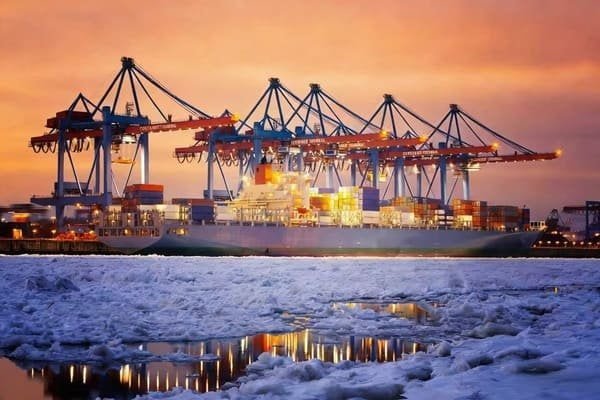
I've seen firsthand how a sudden snowstorm can bring a supply chain to a halt. It’s not just about a truck being a day late; it’s about the ripple effect it has on your entire operation. Let's break down exactly what happens and how you can get ahead of it. The first major issue is how the weather directly messes with transportation itself.
How Do Weather Delays Disrupt Transportation and Capacity?
Have you ever had a shipment get stuck because of a snowstorm? It's incredibly frustrating when everything grinds to a halt. I've learned that understanding these bottlenecks is the first step.
Bad weather makes travel dangerous, causing delays. Snow and ice can close roads, ports, and airports. This means fewer trucks, ships, and planes are available to move goods. This capacity shortage makes it much harder to find space for your shipments during the winter months.
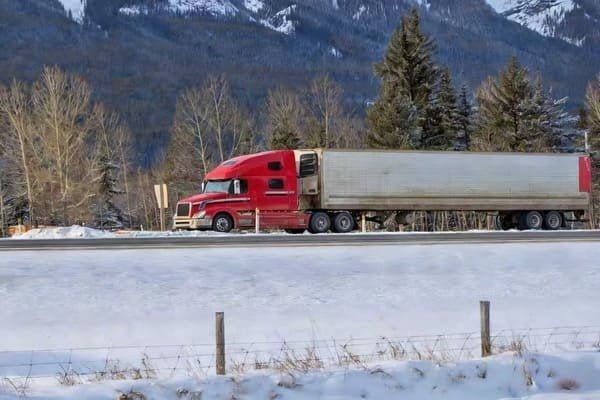
I've learned to see winter disruptions as a domino effect. It's not just one truck stuck in the snow; it's a whole chain of events. A few years ago, I had a shipment of components coming by truck to a port. A blizzard closed the main highway for three days. The truck missed its slot to load onto the container ship. That ship sailed without my cargo. The next vessel wasn't for another week. This one delay caused a one-week slip in my entire production schedule, which was a nightmare to explain to my customers. This is why capacity is such a big deal.
Road Freight Challenges
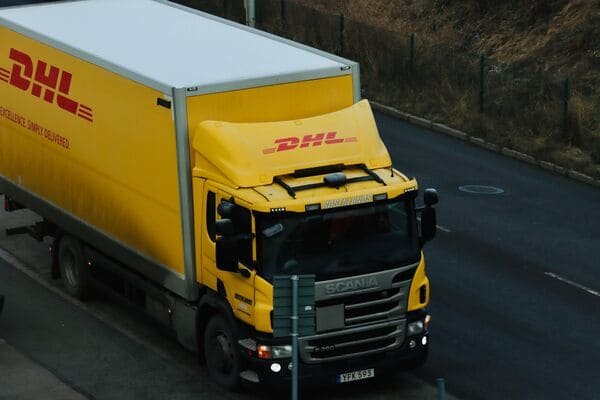
When I think of winter delays, trucks are the first thing that come to mind. Heavy snowfall can shut down major highways for days. It's not just about the closure itself, but the massive backlog it creates when it reopens. Even when roads are open, speed limits are often reduced for safety. This adds hours, sometimes days, to transit times. It also puts pressure on driver hours, as they can't cover the same distance in their allotted time under hours-of-service regulations1. This creates a shortage of available drivers and trucks just when you need them most.
Sea and Air Freight Issues
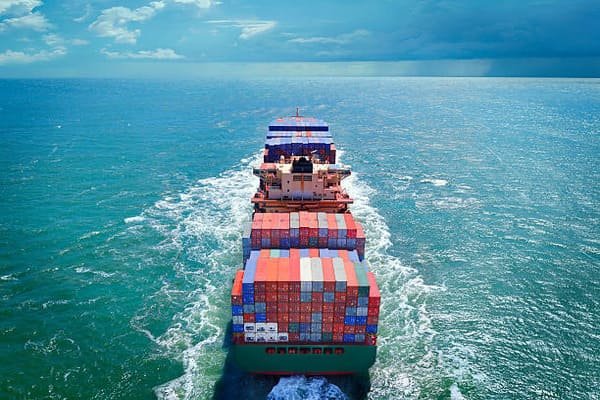
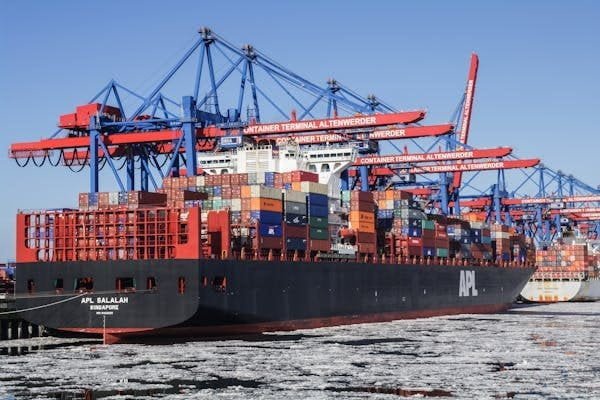
It's not just the roads. Ports in colder climates can freeze over, stopping ships from docking. I've seen ports like Montreal and some in the Baltics face significant ice-breaking operations2 just to stay open. For air freight, snow and ice on runways can close an airport entirely. Even when it's open, planes need to be de-iced. This is a time-consuming, safety-critical process3 that causes a cascade of delays for flights. The reduced visibility from blizzards also grounds planes, creating a huge backlog of cargo waiting to be shipped. It all connects. A delayed flight might mean a missed connection to a regional truck, starting the domino effect all over again.
| Transport Mode | Primary Winter Challenge | Resulting Impact |
|---|---|---|
| Road Freight | Icy roads, snow closures | Slower transit, route diversions, driver shortages |
| Sea Freight | Frozen ports, rough seas | Port congestion, vessel delays, loading risks |
| Air Freight | Runway closures, de-icing | Flight cancellations, cargo backlogs |
| Rail Freight | Frozen switches, track issues | Slower speeds, service interruptions |
Why Do Costs and Cargo Risks Increase in Winter?
Ever been hit with unexpected shipping fees in winter? These extra costs can eat into your profits quickly. I learned to anticipate these charges to protect my bottom line.
Costs rise because reduced capacity creates higher demand for limited space, leading to winter surcharges. Cargo risk increases because extreme cold can damage sensitive products like electronics, pharmaceuticals, and liquids. Moisture from snow and ice can also compromise packaging, leading to further product damage.
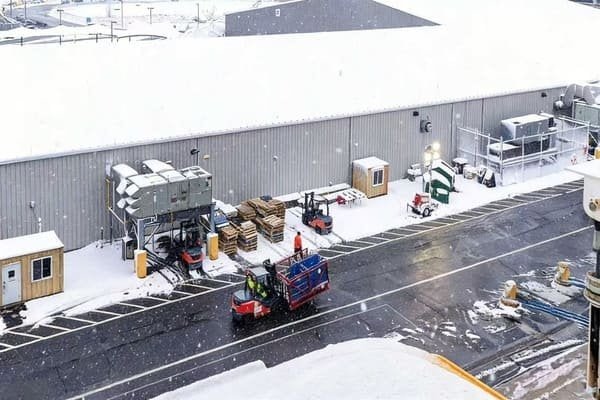
The financial impact of winter is a double-edged sword. You pay more for a service that is inherently riskier. It's crucial to understand both sides of this problem so you can budget properly and protect your products.
Understanding Winter Surcharges
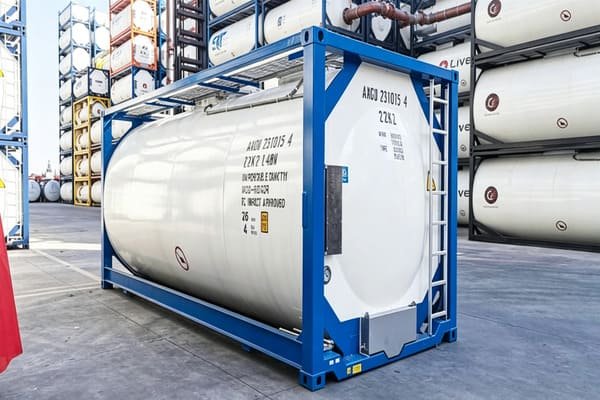
The first time I saw a "Winter Surcharge" on an invoice, I was confused. Now I know it's standard. When capacity shrinks, demand for the remaining space goes up. Carriers can charge more. It's simple economics. But there are other hidden costs. For example, temperature-controlled containers, or "reefers,"4 cost more to run because they have to work harder to maintain a stable temperature. There are also fees for de-icing aircraft and extra labor costs for clearing snow at warehouses and ports. I've also seen "Port Congestion Surcharges" pop up when a port gets backed up due to bad weather. These all get passed down to me, the shipper. It's essential to ask your logistics partner about these potential fees upfront.
Protecting Your Cargo from the Cold
The financial risk isn't just about fees. It's about your product arriving damaged. I ship products with sensitive electronics, and condensation is a huge enemy5. When a container moves from a cold environment to a warmer warehouse, moisture can form inside and fry the circuits. It's not just electronics. Think about food and beverage products, pharmaceuticals6, paints, or chemicals. Many of these can be completely ruined if they freeze. Liquids can expand and burst their containers, creating a costly mess. Even simple cardboard boxes can be ruined. If they get wet from melting snow during loading, they lose their structural integrity and can be crushed under the weight of other cargo.
| Category | Specific Winter Challenge | Financial Impact |
|---|---|---|
| Costs | Capacity Shortage | Higher freight rates, peak surcharges |
| Costs | Special Equipment | Reefer container fees, de-icing charges |
| Risks | Temperature-Sensitive Goods | Product damage, loss of value (e.g., frozen liquids) |
| Risks | Moisture & Condensation | Damaged electronics, weakened packaging |
What Are Practical Strategies to Reduce Winter Logistics Risks?
Does winter weather make you feel like your shipments are out of your control? This uncertainty is stressful for you and your customers. I've found that a few proactive strategies can help.
You can reduce winter risks by planning ahead. Ship earlier to create a time buffer. Use different transport modes like rail and road for flexibility. Invest in protective packaging like thermal blankets and get comprehensive cargo insurance. Communication with your logistics partner is also essential.
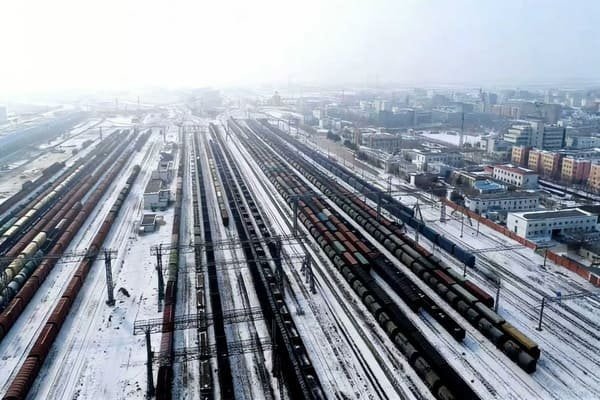
After years of dealing with this, I've developed a checklist. It's not about eliminating all risk, because you can't control the weather. It's about managing that risk so it doesn't manage you. This requires a mix of planning, physical preparation, and good partnerships.
Proactive Planning and Communication
The single best thing you can do is add time. If a shipment usually takes 20 days, I plan for 30 in the winter. This buffer is my best defense against unexpected delays. I also talk to my freight forwarder constantly. A good partner is worth their weight in gold. We look at weather maps and discuss alternative routes. For example, we might route a shipment through a southern US port to avoid potential ice in New York. We use technology, too. Real-time GPS tracking7 is a must. It allows me to see exactly where my shipment is and get alerts if it stops moving. This lets me communicate proactively with my customers. Telling them about a potential delay is much better than them calling me to ask where their order is.
Packaging and Insurance as Your Last Line of Defense
You have to prepare your cargo for the worst-case scenario. I use thermal pallet covers for anything sensitive to temperature changes. For electronics, I add desiccant packs8 inside the boxes to absorb any moisture from condensation. This is a small cost that can save an entire shipment. Finally, I never ship without comprehensive cargo insurance in the winter. Carrier liability is very limited9 and often won't cover "Acts of God" like a blizzard. All-risk insurance under the Institute Cargo Clauses (A)10 covers you for these events and gives me peace of mind. It's a non-negotiable cost of doing business in the winter.
| Strategy | Action Item | Why It Works |
|---|---|---|
| Planning | Add 1-2 weeks of buffer time to your schedule. | Absorbs unexpected weather delays without impacting your final delivery date. |
| Flexibility | Discuss alternative routes (e.g., southern ports) with your forwarder. | Avoids known weather-related chokepoints and bottlenecks. |
| Packaging | Use thermal blankets, insulated liners, and desiccants. | Protects sensitive cargo from damage due to cold and moisture. |
| Insurance | Purchase all-risk cargo insurance, not just carrier liability. | Provides a financial safety net if cargo is damaged or lost due to weather. |
Conclusion
Winter logistics are challenging, but they don't have to be disastrous. Proactive planning, smart packaging, and a flexible strategy will help you navigate the season successfully.
"Hours of Service (HOS) - Federal Motor Carrier Safety Administration (FMCSA)", https://www.fmcsa.dot.gov/regulations/hours-of-service. Official U.S. government regulations limiting the number of hours commercial drivers may operate, including driving and on-duty limits. Evidence role: requirement; source type: government. Supports: Reduced winter driving speeds strain driver hours because regulations cap how long drivers can operate. Scope note: HOS rules apply to U.S. commercial motor vehicles; other countries have their own equivalent regimes (e.g., EU driving-time rules). ↩
"Icebreaking Program - Canadian Coast Guard", https://www.ccg-gcc.gc.ca/icebreaking-deglacage/index-eng.html. Official Canadian Coast Guard description of icebreaking services that keep ports and shipping channels navigable during winter. Evidence role: example; source type: government. Supports: Ports in cold climates rely on ice-breaking operations to remain open in winter. Scope note: Details apply to Canadian waters; other regions operate their own icebreaking services under different authorities. ↩
"Aircraft Deicing - Federal Aviation Administration (FAA)", https://www.faa.gov/newsroom/aircraft-deicing. Official FAA information on aircraft de-icing, a safety-critical procedure required before takeoff in icing conditions. Evidence role: mechanism; source type: government. Supports: Aircraft must be de-iced before departure in winter, a process that adds time and causes flight delays. Scope note: De-icing procedures and requirements are governed by aviation authorities and airline operating procedures. ↩
"What is a Reefer Container? - Maersk", https://www.maersk.com/logistics-explained/transportation-and-freight/2023/12/13/what-is-a-reefer-container. Carrier explainer describing refrigerated ("reefer") containers used to transport temperature-sensitive cargo. Evidence role: definition; source type: industry. Supports: Reefer containers maintain controlled temperatures and involve higher operating costs. Scope note: Vendor-published explainer; operational specifics and costs vary by carrier and route. ↩
"Container rain - Wikipedia", https://en.wikipedia.org/wiki/Container_rain. Reference overview of "container rain," condensation that forms inside shipping containers due to temperature and humidity changes, damaging cargo. Evidence role: mechanism; source type: reference. Supports: Moving cargo between cold and warm environments causes condensation that can damage electronics and packaging. Scope note: The severity depends on cargo type, packaging, humidity, and temperature swings. ↩
"Model guidance for the storage and transport of time- and temperature-sensitive pharmaceutical products - WHO (TRS 961, Annex 9)", https://www.who.int/publications/i/item/WHO-TRS-961-annex9. World Health Organization guidance on storing and transporting temperature-sensitive pharmaceutical products, including protection from freezing. Evidence role: requirement; source type: institution. Supports: Pharmaceuticals are temperature-sensitive and can be ruined by freezing or excessive temperature excursions. Scope note: Guidance sets international best practice; specific product requirements are defined by manufacturers and regulators. ↩
"GPS Timing and Applications - GPS.gov (U.S. Government)", https://www.gps.gov/applications/timing/. Official U.S. government information on GPS applications, including positioning and tracking used in logistics. Evidence role: mechanism; source type: government. Supports: Real-time GPS tracking allows shippers to monitor shipment location and detect stoppages. Scope note: Tracking accuracy and availability depend on device, network, and environmental conditions. ↩
"Desiccant - Wikipedia", https://en.wikipedia.org/wiki/Desiccant. Reference overview of desiccants, substances used to absorb moisture and control humidity within packaging. Evidence role: mechanism; source type: reference. Supports: Desiccant packs absorb moisture inside packaging, protecting sensitive goods from condensation damage. Scope note: Effectiveness depends on desiccant type, quantity, and packaging seal. ↩
"CMR Convention - International Road Transport Union (IRU)", https://www.iru.org/what-we-do/facilitating-trade-and-transit/cmr-convention. IRU overview of the CMR Convention governing international road carriage, which limits carrier liability for cargo loss or damage. Evidence role: requirement; source type: institution. Supports: Carrier liability for cargo is legally limited, so it often does not fully cover weather-related losses. Scope note: The CMR applies to international road transport; other modes are governed by separate conventions (e.g., Hague-Visby for sea) with their own liability limits. ↩
"Joint Cargo Committee Clauses (Institute Cargo Clauses) - Lloyd's Market Association", https://www.lmalloyds.com/LMA/Underwriting/Marine/Joint_Cargo_Committee/Clauses/JCC_Clauses.aspx. Reference to the Institute Cargo Clauses, the standard marine cargo insurance wordings, including the broad "all risks" cover of Clauses (A). Evidence role: definition; source type: industry. Supports: All-risk cargo insurance (ICC A) provides broad coverage beyond limited carrier liability, including many weather events. Scope note: Coverage scope, exclusions, and terms depend on the specific policy and insurer. ↩