
Feeling stressed about shipping to Vietnam? Customs delays can be a nightmare, costing you time and money. Here’s how you can make the process much smoother and avoid common pitfalls.
Customs clearance in Vietnam isn't necessarily difficult, but it is becoming stricter and requires precise documentation. The main challenges come from incorrect paperwork, improper goods valuation, and not understanding local regulations. With careful preparation and the right knowledge, you can avoid most common delays.
Over my 20 years in logistics, I've seen countless shipments breeze through customs and a few get tangled in red tape. The difference almost always comes down to a few key details. Understanding why things get stuck is the first step to ensuring they don't. Let's look at the reasons behind Vietnam's tightening regulations. It's more than just paperwork; it’s about a changing global trade landscape.
Why Is Vietnam Customs Clearance Becoming More Strict?
Have you noticed more scrutiny on your shipments to Vietnam? You're not alone. The rules seem to be changing, and this uncertainty can disrupt your supply chain and budget.
Vietnam is tightening its customs procedures to combat trade fraud, ensure correct tax collection, and align with international trade agreements. Increased foreign investment and its role as a global manufacturing hub mean authorities are more focused on compliance, security, and preventing illegal transshipment of goods.
Vietnam's economy is growing at an incredible pace. This growth has turned the country into a major global manufacturing and trade hub1. With more goods flowing in and out, the government has a bigger responsibility to manage trade effectively. This is the main reason we're seeing stricter enforcement.
Economic Growth and Anti-Fraud Measures
The country is a key member of major free trade agreements (FTAs), like the CPTPP and EVFTA. These agreements bring great benefits, but they also require Vietnam to uphold high standards of customs control. A big focus is on preventing trade fraud. This includes stopping illegal transshipment, where goods are rerouted through Vietnam to hide their true origin and avoid tariffs elsewhere2. Customs officials are now trained to look for these schemes, which means more scrutiny for everyone.
Tax Revenue and Compliance
Proper tax collection is vital for any growing country. Vietnamese customs authorities are using more advanced, risk-based systems to ensure the correct duties and taxes are paid. They have access to databases to check if the declared value of your goods is realistic. This makes it much harder to get away with undervaluation, a practice that used to be more common.
Here is a simple breakdown of the shift in focus:
| Factor | Old Approach (Historically) | New Focus (Current Trend) |
|---|---|---|
| Inspection | More random, less targeted | Risk-based, data-driven inspections |
| Documentation | Lenient on minor errors | Strict adherence to details required |
| Valuation | Often accepted at face value | Scrutiny of declared value, cross-checks |
| Origin | Less focus | High priority to prevent tariff circumvention |
What Are the Most Common Customs Clearance Mistakes in Vietnam?
A tiny error on a form can halt your entire shipment. These small mistakes are surprisingly common when shipping to Vietnam, turning a simple process into a costly, frustrating delay.
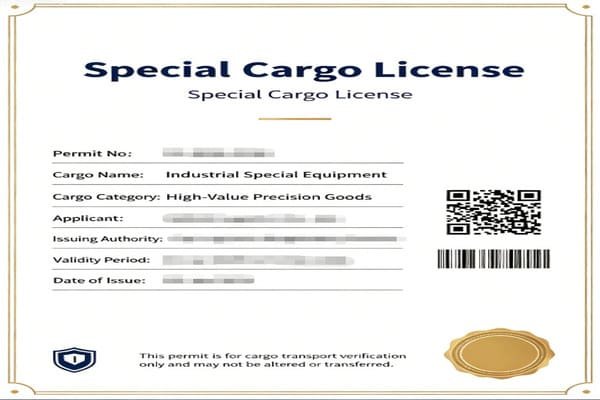
The most frequent mistakes include inaccurate HS code classification, discrepancies between the packing list and invoice, and undervaluation of goods. Forgetting required licenses or certificates for specific products3 and submitting incomplete or poorly prepared documentation are also major causes of delays and penalties in Vietnam.
In my experience, almost all major delays come from simple, avoidable errors. It's rarely a complex legal issue; it's usually a typo or a mismatch. I remember a client shipping high-tech electronics who used a generic HS code. This small mistake triggered a full physical inspection and a two-week delay, all because the paperwork wasn't precise.
Incorrect HS Codes
The Harmonized System (HS) code is a universal code that classifies your product. It determines the import duties, taxes, and regulations that apply.4 Using the wrong code, even unintentionally, is a huge red flag. It can lead to your goods being re-classified at a higher duty rate, along with fines for the mis-declaration.
Document Discrepancies
Your key shipping documents—the Commercial Invoice, Packing List, and Bill of Lading—must tell the exact same story. The description of goods, quantity, weight, and value must be identical across all forms. Even a small difference, like "10 boxes" on one and "10 cartons" on another, can cause suspicion and trigger a manual review or inspection.
Undervaluation of Goods
Declaring a lower value for your goods to pay less import duty is a tempting but dangerous mistake. Vietnamese customs officials are very aware of this tactic. They use internal valuation databases to cross-reference the price of goods. If your declared value is flagged as too low, you'll face a re-assessment, significant fines, and your shipment will be stuck until the issue is resolved.
Here’s a summary of mistakes we see most often:
| Document | Common Mistake | Consequence |
|---|---|---|
| Commercial Invoice | Value too low; description vague or incorrect. | Re-valuation, fines, inspection. |
| Packing List | Does not match actual contents or invoice. | Physical inspection, delays. |
| HS Code | Wrong code used to lower duty. | Re-classification, back-taxes, penalty. |
| Certificates | Missing Certificate of Origin or import licenses. | Shipment held or returned. |
How Can You Avoid Delays and Ensure Smooth Clearance in Vietnam?
Knowing the pitfalls is one thing; actively avoiding them is another. You need a clear, actionable plan for smooth shipping, because hoping for the best is a risky way to manage your supply chain.
To ensure smooth clearance, prepare all documents meticulously, verify HS codes in advance, and declare the true transaction value of your goods. Communicate clearly with your supplier and freight forwarder. Working with an experienced local partner or forwarder is the most effective way to navigate complexities5.

Smooth customs clearance isn't about luck; it's about preparation and having the right systems in place. You need to treat your documentation as a critical part of your product.
The "Four-Eyes" Principle for Documents
Never let a set of documents be reviewed by only one person. We use the "four-eyes" principle, which means at least two people must check every detail before submission. This simple step catches the vast majority of typos and inconsistencies. Create a checklist for every shipment. It should include verifying the consignee’s details, confirming the HS code, and ensuring all descriptions and values match perfectly across all forms.
Partner with an Expert
This is where a good freight forwarder proves their worth. An experienced partner isn't just moving a box; they are your guide through the regulatory maze. At our company, we work with local agents in Vietnam who are on the ground, understand the latest rule changes, and can even pre-clear documents with customs. Because we specialize in complex cargo like DG, OOG, and project shipments, our standards for documentation are already extremely high. This expertise helps prevent problems before they happen.
Proactive Communication
Keep the lines of communication open between you, your supplier, and your freight forwarder. Everyone needs to be on the same page. Before the goods even leave the factory, confirm all the details. Ensure the packing list from the supplier is 100% accurate. A simple pre-shipment call or email to confirm everything can save you weeks of delays on the other side.
Here's a simple pre-shipment checklist to get you started:
| Action Item | Check | Notes |
|---|---|---|
| Verify Consignee Details | [ ] | Is the name, address, and tax code exact? |
| Confirm HS Code with Partner | [ ] | Use the Vietnam customs tariff database. |
| Match All Documents | [ ] | Invoice, Packing List, B/L must be identical. |
| Declare Accurate Value | [ ] | Use the actual transaction price. |
| Secure Required Licenses/Permits | [ ] | For restricted goods (e.g., chemicals, food). |
| Provide Clear English Descriptions | [ ] | Avoid vague terms like "samples" or "parts." |
Conclusion
Vietnam customs is strict but manageable. Success depends on accurate documents, correct valuation, and proactive preparation. A skilled logistics partner makes the process significantly smoother and safer for your business.
References
World Bank — Vietnam Country Overview. https://www.worldbank.org/ext/en/country/vietnam ↩
Office of the United States Trade Representative (USTR) — National Trade Estimate Reports. https://ustr.gov/issue-areas/enforcement/national-trade-estimate-reports ↩
International Trade Administration (trade.gov) — Vietnam Import Requirements and Documentation. https://www.trade.gov/country-commercial-guides/vietnam-import-requirements-and-documentation ↩
International Trade Administration (trade.gov) — Vietnam Import Tariffs. https://www.trade.gov/country-commercial-guides/vietnam-import-tariffs ↩
World Bank — Trade Facilitation and Logistics Connectivity. https://www.worldbank.org/ext/en/topic/trade/trade-facilitation-logistics-connectivity ↩