
Finding reliable suppliers in China is tough. Shipping electronics to Malaysia can be a headache. What if you could simplify the whole process and save money?
Shipping electronics efficiently from China to Malaysia involves sourcing from the Pearl River Delta, where most factories are located1. Using established sea routes from Shenzhen or Guangzhou to Port Klang ensures fast, cost-effective delivery2.
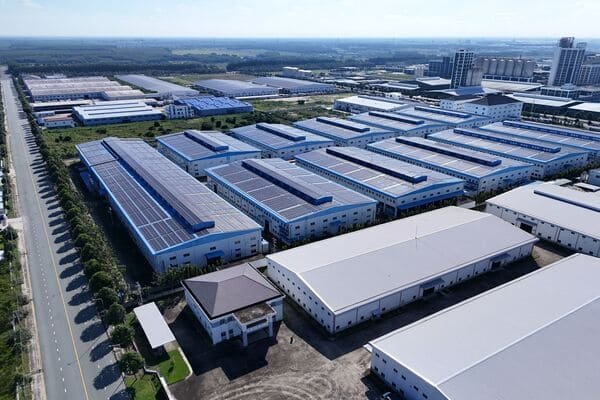
I've seen many businesses struggle with this exact problem. They find a great product but then get bogged down by the complexities of getting it from a factory in a place they don't know to their warehouse in Malaysia. This process feels overwhelming, but it doesn't have to be. The key to success often lies in understanding the first step: where to source from. Let's look at where China's electronics are actually made, as this is the secret to efficient shipping.
Where Are Electronics Made in China?
Sourcing electronics from a vast country like China is daunting. Choosing the wrong location can inflate costs and cause delays, eating into your profits and causing stress.
Most of China's electronics are manufactured in the Pearl River Delta (PRD) in South China3. This region includes major cities like Shenzhen, Guangzhou, and Dongguan, forming a massive, interconnected hub for electronics production and export4. Sourcing here is your most efficient option.
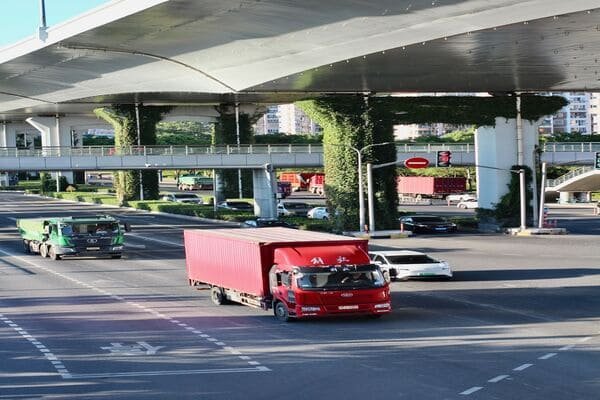
When I first started in this business, I was amazed by the sheer scale of the Pearl River Delta. It's not just a collection of cities; it's a giant, interconnected ecosystem designed for manufacturing and export. Sourcing from this area gives you a huge advantage. Why? Because everything is close together. The component suppliers, the assembly factories, and the major shipping ports are all within a few hours of each other. This reduces your domestic transportation costs and time within China. Instead of paying to move goods across provinces, your products can go from the factory to the port in less than a day. This concentration of resources is the primary reason why goods from this region can be shipped to Malaysia so efficiently and affordably.
Key Electronics Hubs in the Pearl River Delta
| City | Primary Role | What It Means For You |
|---|---|---|
| Shenzhen | "The Silicon Valley of Hardware5" | The best place for innovative tech, consumer electronics, and high-quality products. |
| Dongguan | "The World's Factory6" | A massive hub for manufacturing and assembly at a competitive cost. |
| Guangzhou | "Trade & Logistics Hub7" | A historic trading city with excellent port facilities and access to a wide range of goods. |
How Electronics Move from South China to Malaysia?
Your electronics are ready at a Chinese factory. Now you have to navigate the complex world of international shipping, hoping nothing goes wrong with customs or transit.
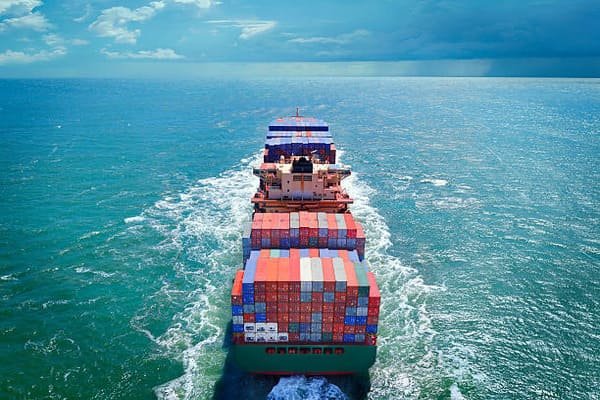
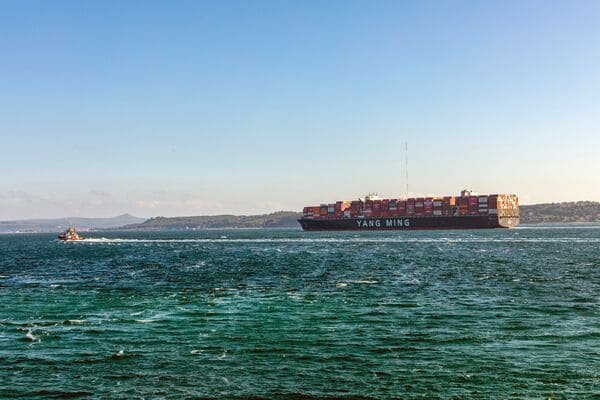
The most common method is sea freight8 from major ports like Shenzhen or Guangzhou directly to Port Klang in Malaysia. This route is well-established, offering competitive rates and reliable transit times. An experienced freight forwarder handles all bookings, documentation, and customs for you.
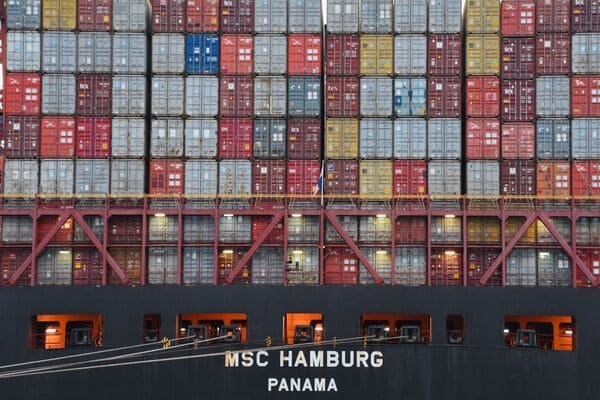
I remember a client who was stressed about their first big shipment of smart watches. They didn't know where to begin. We walked them through the exact steps, and it removed all their anxiety. The process is straightforward when you have a partner. First, we arrange to pick up the goods from the factory. Then, we handle all the export customs paperwork in China. The most crucial part is choosing the right shipping method. For electronics, you have two main choices: sea freight and air freight. Sea freight is much more common for bulk orders because it's so cost-effective. Air freight is faster but significantly more expensive, so it's usually reserved for urgent or very high-value, small-volume shipments. For most importers, sea freight from Shenzhen or Guangzhou to Port Klang is the perfect balance of cost and speed.
Sea Freight vs. Air Freight for Electronics
| Feature | Sea Freight (FCL/LCL) | Air Freight |
|---|---|---|
| Cost | Lower, especially for large volumes. | Much higher, often 5-10x the cost of sea freight9. |
| Transit Time | Longer (approx. 1-2 weeks total journey10). | Faster (approx. 3-5 days total journey11). |
| Best For | Bulk shipments, cost-sensitive goods, and regular stock replenishment. | Urgent orders, product samples, or high-value small items. |
| Capacity | Very high. You can ship multiple containers at once. | Limited by aircraft size and weight restrictions. |
How to Simplify Your China-to-Malaysia Supply Chain?
Managing Chinese suppliers while also handling complex international shipping is exhausting. One small mistake can cause huge delays and unexpected costs, putting your business at risk.
The simplest way is to partner with a comprehensive freight forwarder. A good partner doesn't just move boxes; they act as your team on the ground in China, streamlining everything from factory pickup and supplier communication to final delivery in Malaysia.

Over the years, we realized our clients needed more than just a shipping company. They needed a trusted partner in China. That’s why we started offering services that go beyond simple logistics. Juggling time zones, language barriers, and cultural differences while trying to manage a factory is incredibly difficult. That's where we step in. We act as your local team, your eyes and ears on the ground. For example, if you're buying from three different suppliers, coordinating three separate shipments would be a nightmare. We can receive all three orders at our warehouse, consolidate them into a single shipment to save you a lot of money on freight, and manage all the communication in between. This single point of contact simplifies the entire supply chain, freeing you up to focus on what you do best: growing your business.
Services Beyond Shipping
- Supplier Coordination: We communicate directly with your factories to coordinate production timelines and cargo readiness. No more late-night calls or lost-in-translation emails for you.
- Sourcing Assistance: If you're new to importing, we can even help you find and vet reliable suppliers through our local network12.
Conclusion
Sourcing from China's Pearl River Delta and using a freight forwarder simplifies shipping electronics to Malaysia, saving you time and money and ensuring a reliable supply chain.
"China's Electronics Industry Preview", https://web.calce.umd.edu/general/AsianElectronics/pref_chn.htm. A source could provide statistics on the concentration of electronics firms, export value, or production output originating from the Pearl River Delta, confirming its dominant role in China's electronics sector. Evidence role: statistic; source type: research. Supports: The claim that the Pearl River Delta is the primary region for electronics manufacturing in China.. ↩
"Maritime Silk Road", https://en.wikipedia.org/wiki/Maritime_Silk_Road. A source from a maritime trade institution or port authority could confirm that the sea lanes connecting the Pearl River Delta to Port Klang are well-established, high-volume routes with frequent sailings and competitive carrier pricing, supporting the claim of efficiency. Evidence role: general_support; source type: institution. Supports: The efficiency and economic viability of the sea route from South China to Malaysia.. ↩
"Experience with Special Economic Zones and Industrial Clusters", https://openknowledge.worldbank.org/entities/publication/d8df4f47-582e-59dc-8e73-21095e36aefc. Data from China's National Bureau of Statistics or a provincial statistical yearbook could show that Guangdong province, which encompasses the Pearl River Delta, accounts for a predominant share of the country's total output value or export volume for electronics and information technology products. Evidence role: statistic; source type: government. Supports: The concentration of China's electronics manufacturing in the Pearl River Delta.. ↩
"Pearl River Delta", https://en.wikipedia.org/wiki/Pearl_River_Delta. An academic source on economic geography could describe the Pearl River Delta as a prime example of an industrial cluster, where the co-location of suppliers, manufacturers, and logistics providers creates significant economic efficiencies and innovation spillovers for the electronics industry. Evidence role: definition; source type: education. Supports: The characterization of the Pearl River Delta as an interconnected industrial hub.. ↩
"A History of the Electronics Industry in Shenzhen, China", https://www.si.umich.edu/about-umsi/events/military-industrial-complex-global-supply-chain-history-electronics-industry. Sources in business journalism and economic research frequently refer to Shenzhen as the 'Silicon Valley of Hardware,' attributing the name to its unique ecosystem that combines rapid prototyping, a complete electronics supply chain, and a high concentration of hardware startups. Evidence role: general_support; source type: encyclopedia. Supports: The common characterization of Shenzhen as a global center for hardware innovation.. ↩
"Dongguan", https://en.wikipedia.org/wiki/Dongguan. A source could provide historical context for Dongguan's title, explaining its rapid rise in the 1990s and 2000s as a global center for contract manufacturing and assembly for a vast range of consumer goods. Evidence role: historical_context; source type: research. Supports: The historical basis for Dongguan's nickname as 'The World's Factory'.. Scope note: The source may also note that while the city remains a major manufacturing base, the 'World's Factory' title is now often used to describe its past peak of labor-intensive production. ↩
"Guangzhou Baiyun International Airport", https://en.wikipedia.org/wiki/Guangzhou_Baiyun_International_Airport. Official data from the Guangzhou Port Authority or the Civil Aviation Administration of China can substantiate the city's role as a logistics hub by providing figures on its container and air cargo throughput, which consistently rank among the highest in the world. Evidence role: statistic; source type: government. Supports: Guangzhou's status as a major hub for trade and logistics.. ↩
"U.S. Freight Transportation with Canada, Mexico, and China", https://www.bts.gov/data-spotlight/modal-profiles-us-freight-transportation-canada-mexico-and-china. Data from international trade bodies like the UN or national customs agencies can show that, by volume and weight, maritime transport accounts for the vast majority of goods traded between China and Malaysia, confirming sea freight as the most common method. Evidence role: statistic; source type: institution. Supports: The dominance of sea freight in China-Malaysia trade.. Scope note: The data may cover all trade, not just electronics, but the principle applies to bulk goods. ↩
"Logistics Costs and U.S. Gross Domestic Product", https://ops.fhwa.dot.gov/Freight/freight_analysis/econ_methods/lcdp_rep/index.htm. Analysis from logistics industry reports or transport economics research can support this cost ratio, explaining that on a per-kilogram basis, air freight is significantly more expensive than sea freight, with the exact multiplier fluctuating based on fuel prices, route demand, and cargo type. Evidence role: statistic; source type: research. Supports: The general cost ratio between air and sea freight.. Scope note: A source would likely present this 5-10x range as an estimate, noting that the actual ratio can vary. ↩
"Transit Time Calculator for Sea, Air & Port To Port Shipping", https://www.freightos.com/freight-resources/transit-time-calculator/. A source from the logistics industry could confirm that a 1-2 week timeframe is a standard estimate for the total journey of a sea shipment from China to Malaysia, encompassing factory pickup, port handling, ocean transit (typically 4-7 days), and customs clearance. Evidence role: general_support; source type: other. Supports: The estimated total journey time for sea freight.. Scope note: The source would clarify this is an average, and actual times can be affected by port congestion, customs delays, and carrier schedules. ↩
"A Guide to International Freight Transit Times from Asia ...", https://dimerco.com/blog-post/a-guide-to-international-freight-transit-times-from-asia-to-usa/. A logistics industry source could validate that a 3-5 day total transit time is a typical expectation for air freight between major hubs in China and Malaysia, a period that includes ground transport, customs clearance, and the flight itself. Evidence role: general_support; source type: other. Supports: The estimated total journey time for air freight.. Scope note: This timeframe is an estimate and can be influenced by flight availability, weekend delays, and the efficiency of customs processing. ↩
"Freight forwarder guidance and best practices", https://www.bis.gov/freight-forward-guidance. A source on modern supply chain management could describe how some freight forwarders have evolved beyond logistics to offer value-added services, including supplier sourcing and verification, to provide clients with a more integrated, end-to-end procurement solution. Evidence role: definition; source type: paper. Supports: The expanded role of modern freight forwarders in supply chain management.. Scope note: The source would likely note that this is a specialized service not offered by all freight forwarders. ↩