
Are you struggling with the complex process of shipping goods from China? Hidden fees, customs delays, and the risk of lost cargo can feel overwhelming and threaten your business.
The best way to ship from China to the USA is by using a reliable freight forwarder1 who can manage the entire process for you. This includes choosing between sea or air freight2, handling all documentation, clearing customs, and arranging final delivery3 to your door.
Navigating international logistics can seem like a huge challenge. I've seen many business owners, just like you, feel stuck trying to figure it all out. But when you break it down into smaller steps, it becomes much more manageable. You just need a clear roadmap to follow. Let's start with the first big decision you need to make.
How Do I Ship From China To The USA?
Choosing your shipping method is a tough decision. Air freight is fast but expensive. Sea freight is cheaper but takes much longer. Picking the wrong one can eat into your profits.
To ship from China to the USA, you first choose between air freight2 for speed or sea freight4 for cost savings. Then, you work with a logistics partner5 like us to book the shipment, prepare the necessary documents, and track your cargo until it arrives.
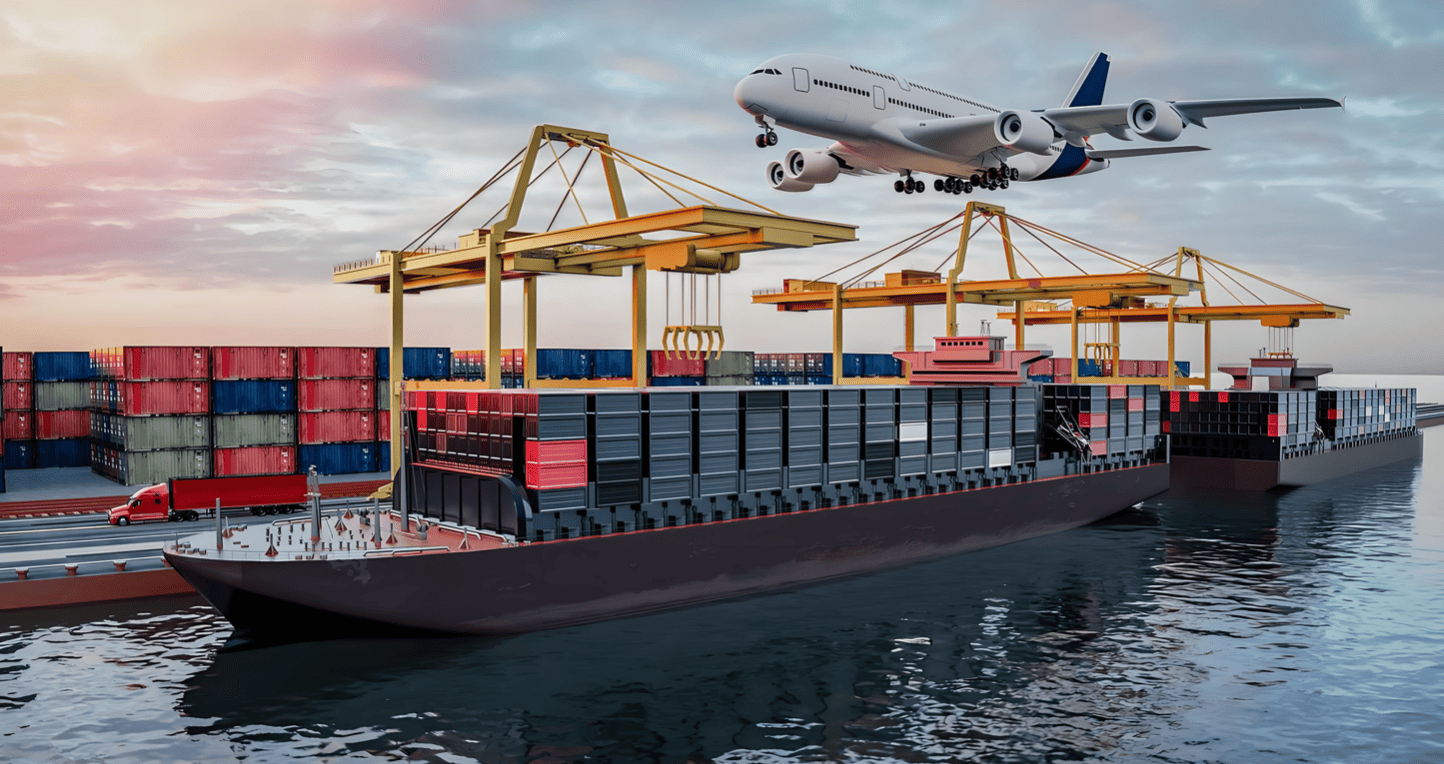
Choosing the right shipping method is the foundation of your logistics strategy. It's a balance between time, cost, and the type of goods you're moving. I once had a client shipping seasonal decorations. They chose sea freight4 too late, and the goods arrived after the holiday, leading to a huge loss. This is why understanding your options is so important.
Air Freight vs. Sea Freight
The most common methods are air and sea. Your choice will have a big impact on your supply chain6.
| Feature | Air Freight | Sea Freight |
|---|---|---|
| Speed | Very Fast (3-7 days) | Slow (15-20 days) |
| Cost | High | Low |
| Best For | Urgent, high-value, lightweight goods | Bulk, heavy, non-urgent goods |
| Security | Generally higher security | Standard security |
Full Container Load7 (FCL) vs. Less than Container Load8 (LCL)
If you choose sea freight4, you have another choice to make.
- FCL (Full Container Load7): You rent an entire container for your goods. It's faster and more secure than LCL because the container is sealed at the factory and only opened at your destination.
- LCL (Less than Container Load8): You share container space with other shippers. It's cost-effective for smaller shipments but can take longer due to the process of consolidating and de-consolidating goods at the ports.
How Does Import Customs Clearance In The USA Work?
Are you worried your shipment will get stuck at the border? A small mistake on your paperwork can cause long delays and expensive fines, disrupting your entire business operation.
Import customs clearance9 in the USA involves submitting a set of specific documents to Customs and Border Protection (CBP). A licensed customs broker or your freight forwarder1 handles this by ensuring all paperwork is correct, duties are paid, and your goods are released legally.
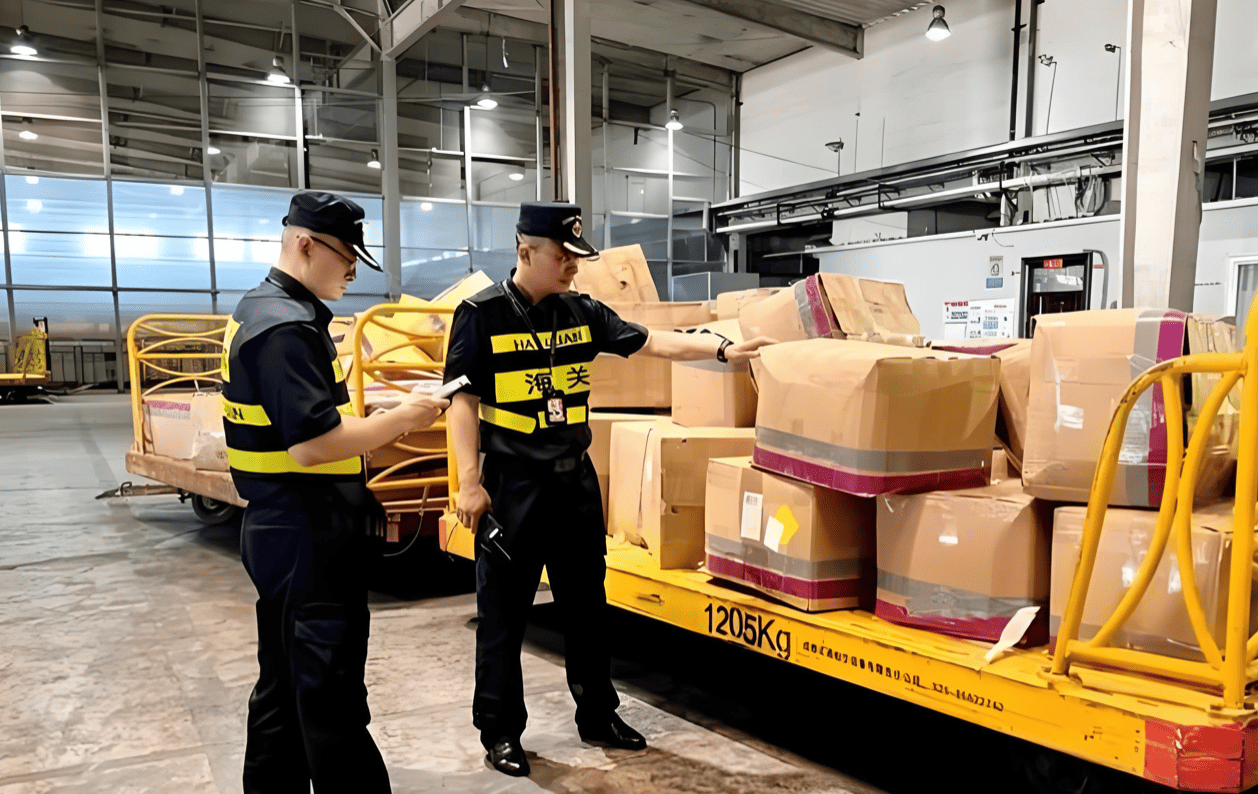
Customs clearance is a step where you absolutely cannot afford mistakes. It’s not just about filling out forms; it's about understanding the legal requirements to bring goods into the country. I always tell my clients that having an expert handle this is not a luxury, it's a necessity. It’s the best way to prevent your valuable cargo from being held up for weeks.
Key Documents for US Customs
To ensure a smooth process, you need to have your documents in perfect order. Even a small error can trigger an inspection or a delay.
- Commercial Invoice: This details the transaction between the seller and the buyer. It must include the price, value, and quantity of the goods.
- Packing List: This document lists all the items in the shipment, along with their dimensions and weight. It helps customs verify the cargo.
- Bill of Lading10 (B/L) or Air Waybill (AWB): This is the contract between you and the carrier. It acts as a receipt for your goods.
- ISF (Importer Security Filing11): For sea freight4, this must be filed with CBP at least 24 hours before the cargo is loaded onto the vessel in China. Failure to file on time results in a $5,000 penalty.
As your logistics partner5, we check every document meticulously before the shipment even leaves China. This proactive approach helps us catch potential problems early and ensures a smooth journey through customs.
How Are Import Tax And Duties Calculated In The US?
Are you afraid of surprise fees wiping out your profit margins? Miscalculating import taxes12 and duties is a common and costly mistake for importers. You need to know your total costs upfront.
Import tax and duties in the US are calculated based on the commercial value of your goods plus the cost of freight and insurance. This total value is then multiplied by the duty rate determined by your product's specific HS code.
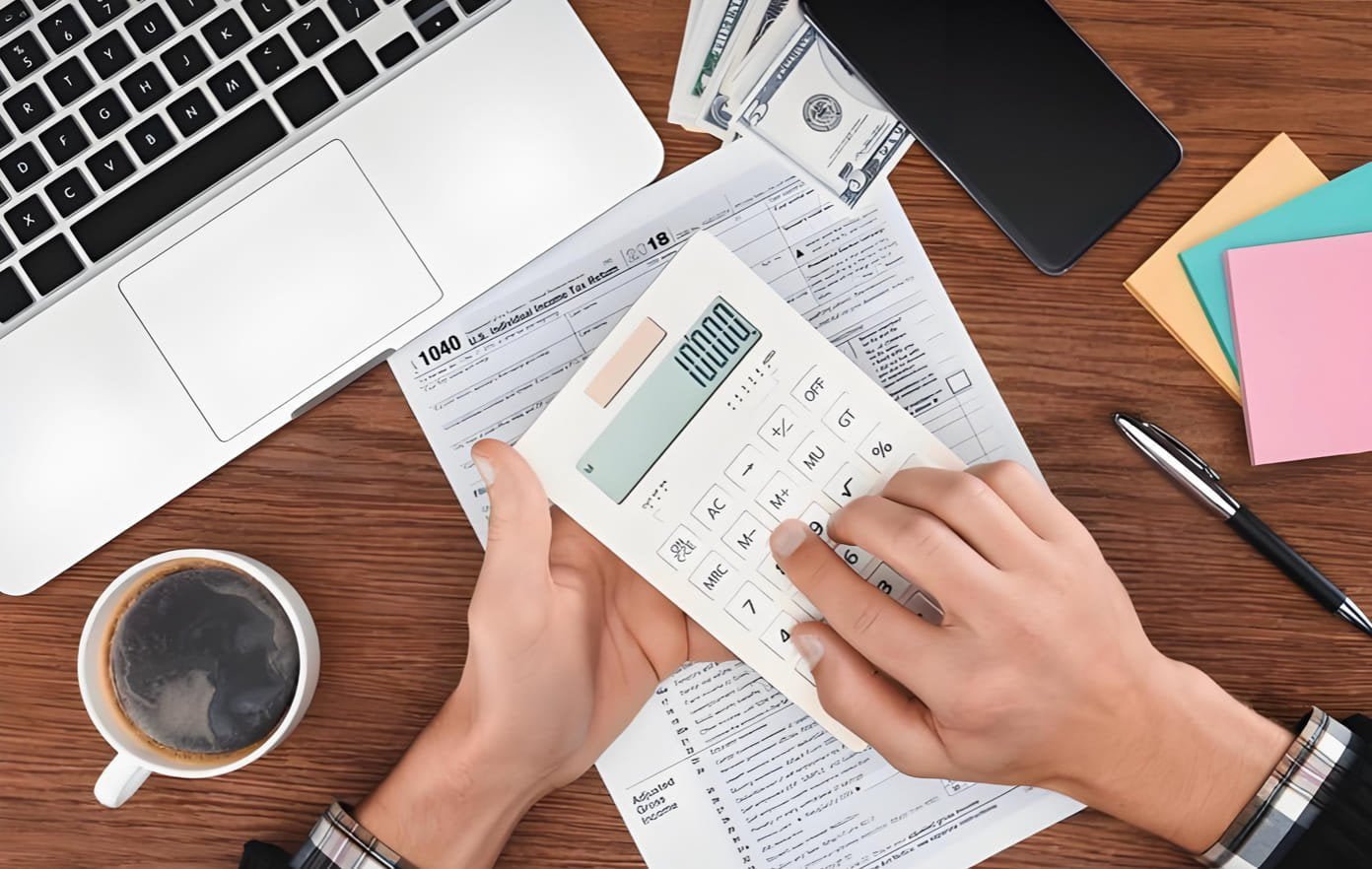
Understanding your tax and duty obligations is crucial for accurate budgeting. I've seen many businesses get excited about a low product cost from China, only to be shocked by the taxes they have to pay upon arrival in the US. A good partner will help you estimate these costs before you even ship, so there are no surprises.
Breakdown of US Import Costs
Several fees make up your total import cost. It's more than just one simple tax.
- Customs Duty: This is the main tax, and its rate depends on the product's Harmonized System (HS) code. Every product has a unique HS code that determines the percentage of duty you must pay. Getting this code right is critical.
- Merchandise Processing Fee13 (MPF): This is a fee charged by CBP to process the import. For formal entries (valued over $2,500), it's 0.3464% of the value of the goods, with a minimum and maximum fee.
- Harbor Maintenance Fee14 (HMF): This fee applies only to sea freight4 shipments. It is calculated at 0.125% of the value of the cargo and helps maintain US ports.
To get an accurate estimate, you must correctly classify your product with the right HS code and declare its true value. We help our clients do this every day to ensure they pay the correct amount and remain compliant.
What Is Door-To-Door Delivery To The USA?
Do you feel overwhelmed coordinating with a factory in China, a trucking company, a shipping line, and a delivery service in the US? Managing all these moving parts is stressful and leaves room for error.
Door-to-door delivery is an all-in-one service where one logistics company, like us, manages the entire shipment. We handle everything from pickup at the supplier's factory in China to the final delivery3 at your US address, including all shipping and customs procedures.
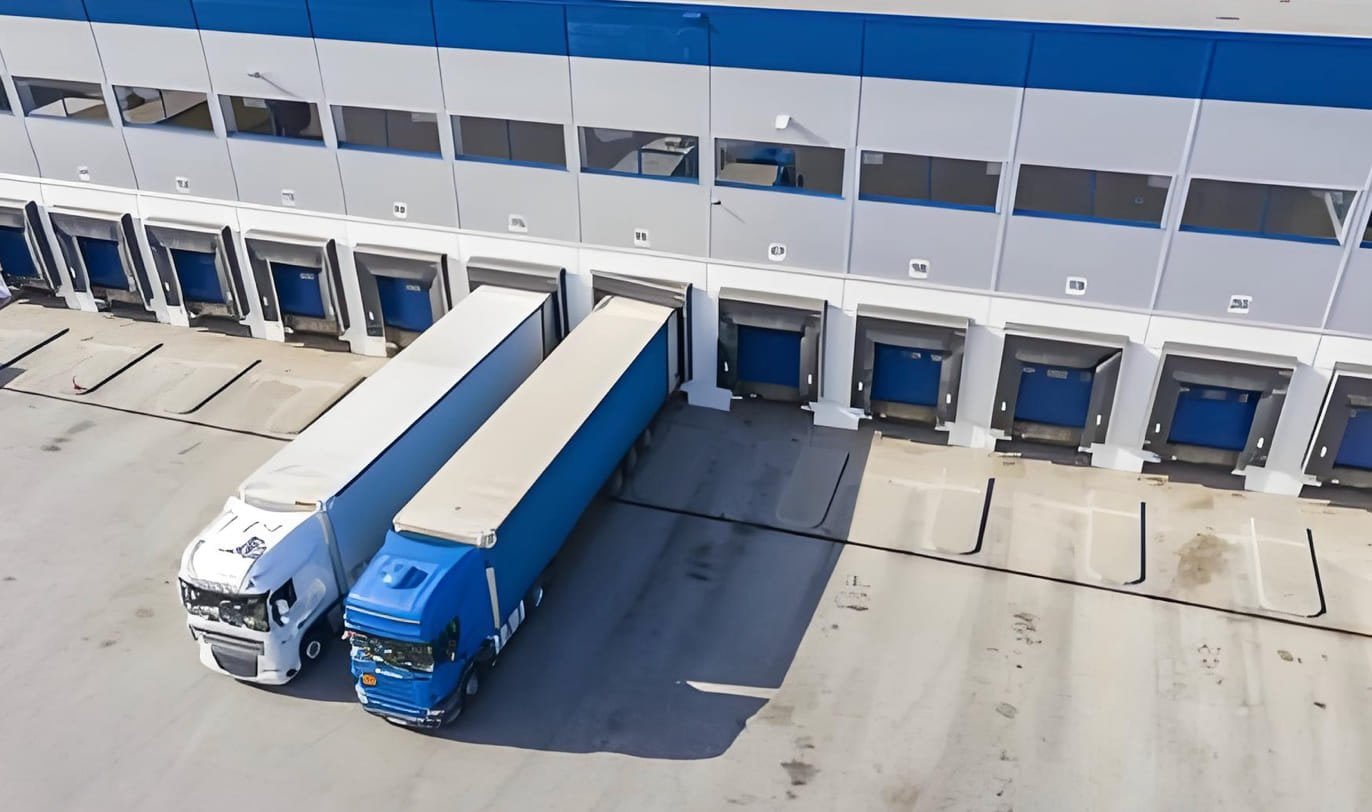
For most of our clients, door-to-door shipping is a game-changer. I remember working with a small e-commerce seller who was spending hours each week tracking different parts of his shipment. When we switched him to our door-to-door service, he had one point of contact and complete visibility. This freed him up to focus on what he does best: growing his business.
The Door-to-Door Process Explained
This service simplifies the entire logistics chain into a seamless flow managed by a single partner. Here is what it typically looks like:
- Cargo Pickup: We arrange for a truck to pick up your finished goods directly from your supplier's factory in China.
- Export Clearance: We handle all the necessary documentation and procedures to clear your goods for export from China.
- International Freight: We manage the sea or air freight2 journey from the port in China to the port in the USA.
- Import Clearance: Our team manages the entire US customs clearance9 process, including paying all necessary duties and taxes on your behalf.
- Final Delivery: Once cleared, we arrange for your cargo to be trucked from the port to your final destination, whether it's an Amazon FBA warehouse, your business, or your home.
This end-to-end solution provides peace of mind, saves you time, and gives you a single, clear cost for the entire shipment.
What Is DDP Shipping From China to the USA?
Is your biggest fear losing your entire investment if your cargo gets lost, damaged, or seized by customs? This risk can keep any business owner up at night, especially when shipping high-value goods.
DDP (Delivered Duty Paid) shipping is the safest shipping option. With DDP, we as the logistics provider take on all responsibilities, risks, and costs. This includes transportation, customs clearance9, duties, and taxes. You pay one price, and we guarantee delivery to your door.

For anyone who is risk-averse, DDP is the answer. The core question I always hear from new clients is: "What happens if something goes wrong? Am I protected?" This is where DDP provides complete peace of mind. It’s not just a shipping term; it's a promise that your investment is safe with us from start to finish.
Our DDP Guarantee
We built our DDP service around the biggest concerns of importers. We know you need absolute certainty. That’s why our DDP promise is simple and powerful.
- Full Value Compensation: If your cargo is lost or seized by customs while under our care during a DDP shipment, we don't just apologize. We compensate you for the full declared value of your goods. This is our commitment to protecting your interests.
- All-Inclusive Pricing: The price we quote you for a DDP shipment is the final price you pay. There are no surprise fees for customs, taxes, or delivery. Everything is included, allowing you to budget with 100% accuracy.
Financial Flexibility for Partners
We believe in building long-term relationships. We understand that cash flow is vital for your business. To support our loyal clients, we offer unique benefits. For established partners who work with us regularly, we can provide flexible payment terms, with account periods ranging from 100 to 180 days. This helps you manage your finances more effectively while your business grows.
Conclusion
Shipping from China to the USA can be simple and secure. By choosing the right partner and services like DDP, you can protect your investment and streamline your entire supply chain6.
Explore how a freight forwarder can simplify your shipping process and save you time and money. ↩
Learn about the pros and cons of air freight to make an informed shipping decision. ↩
Understand the importance of final delivery in ensuring customer satisfaction. ↩
Discover why sea freight might be the best option for your shipping needs and budget. ↩
Find tips on selecting a logistics partner that meets your shipping needs effectively. ↩
Learn how effective supply chain management can enhance your shipping efficiency. ↩
Find out how FCL shipping can provide faster and more secure transport for your goods. ↩
Explore the benefits of LCL shipping for smaller shipments and cost savings. ↩
Understanding customs clearance is crucial to avoid delays and fines; find out how it works. ↩
Discover the importance of a Bill of Lading in the shipping and logistics process. ↩
Find out why timely ISF filing is crucial to avoid penalties and ensure smooth shipping. ↩
Get insights on how to accurately calculate import taxes to avoid unexpected costs. ↩
Understand the MPF to accurately budget for your import costs. ↩
Get clarity on HMF and how it impacts your sea freight shipping costs. ↩