
Abandoned cargo is a costly nightmare. You thought FOB terms1 protected you, but a new legal shift now puts your business directly at risk for huge, unexpected bills.
Yes, under the new Maritime Code, FOB exporters now primarily bear the risk for abandoned cargo. The responsibility has shifted from the consignee to the shipper. If your buyer fails to collect the goods, the carrier will hold you, the exporter, liable for all subsequent costs.

This legal update is a game-changer for anyone exporting goods. It's not a small detail; it fundamentally changes the financial risks you face with every shipment. Many exporters still operate under the old assumption that their job is done once the cargo is on the ship. This is a dangerous mistake. You need to understand exactly what has changed and how to protect your business. Let's dive deeper into what this means for you.
Liability shifts from consignee to shipper — are exporters no longer bystanders?
You ship your goods under FOB (Free On Board)2 terms and think your responsibility is over. Then, months later, you receive a massive bill for cargo abandoned at a foreign port.
The new Maritime Code clarifies that the shipper is the primary contractual party with the carrier. If the consignee refuses to take delivery, the carrier will legally pursue you, the shipper, for all costs. This includes storage, demurrage, and disposal fees3. You are no longer a bystander.

This change moves you from the sidelines directly into the hot seat. In the past, the general practice was for carriers to chase the consignee listed on the Bill of Lading.4 As an exporter, you had a reasonable expectation that your liability ended at the port of loading. I've seen firsthand how this shift impacts businesses. A client of mine recently shipped to a new buyer. The buyer's business failed, and they couldn't pay import duties. The cargo sat at the destination port for months. The final bill for storage and fees was more than the value of the goods, and the carrier came to my client for payment. This is the new reality. Your contract with the carrier makes you the ultimate guarantor.
| Old Assumption (Pre-Code Change) | New Reality (Post-Code Change) |
|---|---|
| Consignee is primarily responsible. | Shipper (Exporter) is primarily responsible. |
| Exporter's liability ends at the port of loading. | Exporter's liability continues until final delivery. |
| Carrier pursues the consignee for costs. | Carrier pursues the shipper for costs. |
| Low financial risk for exporters on abandonment. | High financial risk for exporters on abandonment. |
How should FOB exporters respond, from contracts to insurance, to protect your bottom line?
You now face a significant new financial risk. A single abandoned shipment could easily wipe out your profits, turning a successful sale into a devastating loss. You need a proactive defense.
To protect your business, you must strengthen your sales contracts with clear clauses on buyer default5. It is also crucial to vet new buyers thoroughly. Most importantly, consider specific cargo abandonment insurance. These actions form a new, essential safety net for your exports.
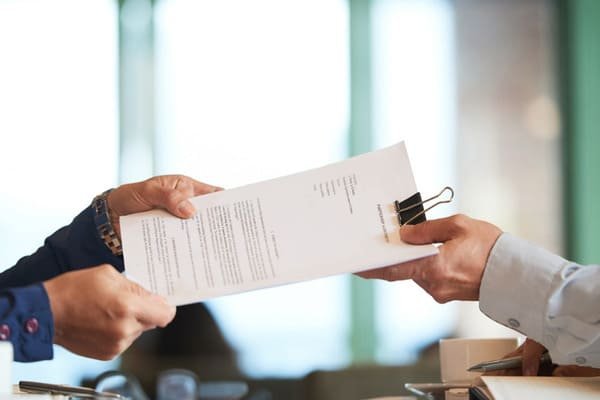
Waiting for a problem to happen is no longer an option. You must build a wall of protection around your export operations. This starts long before the cargo ever leaves your factory. First, look at your sales agreements. They need a specific clause stating the buyer is liable for all costs resulting from their failure to accept delivery within a certain timeframe. Next, be more diligent with new partners. Run credit checks and ask for trade references. A little due diligence upfront can prevent a disaster later. Finally, talk to an insurance provider about abandonment coverage. Standard policies often exclude this6, but specialized riders are available and are a small price to pay for peace of mind.
Here are the key steps you should take:
| Protection Method | Action Required |
|---|---|
| Contract Optimization | Add clauses making the buyer liable for all abandonment costs. |
| Buyer Vetting | Conduct due diligence on new or unfamiliar buyers. |
| Bill of Lading Control | Use a "To Order" B/L to retain control until payment is secure. |
| Specialized Insurance | Purchase specific cargo abandonment insurance or a policy rider. |
What can we, as your freight forwarder, do for you?
Navigating these new rules and risks on your own is complex. One small mistake in a contract or on a Bill of Lading can lead to huge costs.
As your logistics partner, we do more than just transport your goods. We help you review documents, monitor your shipments, and act fast if a problem arises. We are your first line of defense.

Think of us as part of your team, dedicated to protecting your interests. Our role begins long before the shipment is booked. We can offer advice on strengthening your sales contracts and ensuring your Bill of Lading is structured to give you maximum protection. Once your cargo is in transit, our advanced tracking systems give us early warnings. If a container is sitting at the destination port for too long without being cleared7, we know immediately. We can then contact you and the consignee right away, not weeks later when demurrage8 and storage fees have piled up. If the worst-case scenario happens and the cargo is truly abandoned, we leverage our global network to find the most cost-effective solution for you. We don't just report the problem; we help you solve it.
Here are the crisis management options we can explore with you:
| Solution Option | Description |
|---|---|
| Negotiate Return | We negotiate with the carrier to return the cargo to you at the lowest possible cost. |
| Find an Alternate Buyer | We use our local contacts to help you find another buyer in the destination country. |
| Arrange Disposal | As a last resort, we manage the formal disposal process to stop ongoing fees. |
| Cost-Benefit Analysis | We provide a clear breakdown of the costs for each option to help you decide. |
Conclusion
The new Maritime Code places abandoned cargo risk squarely on FOB exporters. Proactive protection and a reliable partner like us are vital to shield your business from serious financial losses.
Know Your Incoterms — official U.S. government explanation of Incoterms rules, including FOB and delivery/risk transfer points — *International Trade Administration (trade.gov)*: https://www.trade.gov/know-your-incoterms ↩
FOB (Free On Board) — definition of the shipping term and the point at which cost and risk transfer from seller to buyer — *Wikipedia*: https://en.wikipedia.org/wiki/FOB_(shipping) ↩
Port Authority Marine Terminal Tariff (FMC Schedule No. PA 10, effective Feb 10, 2025) — official tariff detailing storage, demurrage, and disposal charges at the port — *The Port Authority of NY & NJ*: https://www.panynj.gov/content/dam/port/doing-business-pdfs/Port%20Authority%20Marine%20Terminal%20Tariff%20FMC%20Schedule%20No.%20PA%2010%20(Effective%20February%2010,%202025).pdf ↩
Bill of Lading — the legal transport document issued by a carrier acknowledging receipt of cargo and defining the contract of carriage — *Wikipedia*: https://en.wikipedia.org/wiki/Bill_of_lading ↩
A Basic Guide to Exporting — official U.S. guide covering sales contracts, payment terms, and buyer default protection — *U.S. Department of Commerce / International Trade Administration*: https://legacy.trade.gov/guide_to_exporting.pdf ↩
Marine Cargo Insurance Policy Document — sample policy showing standard coverage terms and abandonment-related exclusions — *Bryte Insurance*: https://www.brytesa.com/pdf/Policies/2021/Marine_Cargo_Insurance_Policy_Document_742_FINAL.pdf ↩
Difference Between Storage and Demurrage — industry explainer on port storage vs. demurrage charges and how they accrue — *Shipping and Freight Resource*: https://www.shippingandfreightresource.com/difference-between-storage-and-demurrage/ ↩
Demurrage — charges levied when cargo or containers remain at a port or terminal beyond the allotted free time — *Wikipedia*: https://en.wikipedia.org/wiki/Demurrage ↩