
Struggling with unreliable logistics partners1 in China? Late shipments and broken promises can cause huge losses. You need a partner you can trust to handle your valuable cargo.
The best way to find a reliable logistics partner in China is to look beyond price. Focus on their track record2, their ability to handle complex situations, and their sense of responsibility. A truly reliable partner proves their worth not when things go right, but when things go wrong.

Finding a partner in China feels like a big risk. You hear stories about companies that offer a great price, but then disappear when there's a problem. The communication is poor3, the tracking is nonexistent, and you're left wondering where your shipment is. This uncertainty is stressful and bad for business. You need someone on the ground who acts as an extension of your own team. Someone who takes ownership of your shipment from start to finish. This is the difference between a simple freight forwarder4 and a true logistics partner. We believe that reliability is the most important quality, and we want to show you what that really looks like in practice.
What Makes a Logistics Partner Truly Reliable?
Is your current forwarder just a vendor or a real partner? Low prices are attractive, but they often hide a lack of support, leading to costly delays and problems later.
A truly reliable partner offers more than just transport. They bring experience, take responsibility, and have strong problem-solving skills5. They communicate clearly and are prepared for unexpected challenges, ensuring your supply chain remains secure6 and efficient, even when issues arise.
Reliability is a deep quality. It's not just about getting a container from point A to point B on time. Anyone can do that when the seas are calm. True reliability shows up during a storm. It’s about integrity7 and a deep sense of responsibility. A reliable partner sees your cargo as their own. They anticipate problems before they happen. They have the experience to know what can go wrong with customs, with loading, or with transit. And most importantly, when something unexpected does happen, they don't give you excuses. They give you solutions. They are on the phone, on the ground, and working tirelessly to fix the problem. This proactive, ownership mindset8 is what separates a basic service provider from a partner who genuinely contributes to your success.
Key Pillars of Reliability
| Feature | Unreliable Provider | Reliable Partner (like Deeplinker) |
|---|---|---|
| Pricing | Offers suspiciously low quotes with hidden fees. | Provides transparent, all-in pricing9. Explains every cost. |
| Communication | Is slow to respond, especially when there's a problem. | Gives proactive updates10 and is easy to reach. |
| Problem-Solving | Blames others or says "it's not possible." | Takes ownership and finds creative solutions11 to get the job done. |
| Experience | Has limited experience with complex or special cargo. | Specializes in challenging shipments (DG, OOG, Project Cargo). |
Why is Crisis Management the Ultimate Test of a Good Partner?
Ever had a supplier back out at the last minute? The panic is real. Your entire project, timeline, and budget are suddenly at risk, and you are thousands of miles away.
Crisis management reveals a partner's true character. A great partner doesn't run from a crisis; they run towards it. They use their expertise, network, and commitment to solve the problem, turning a potential disaster into a success and protecting your business from losses.
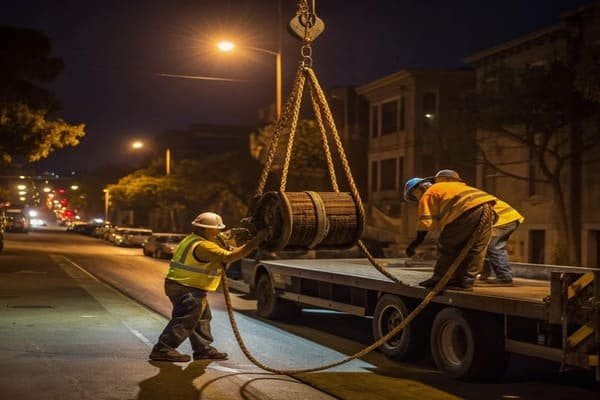
I'll never forget one project. A client was moving an entire ZOOMLION production line overseas. It was a huge, time-sensitive job. Just one week before the break-bulk vessel was due to arrive, their chosen Chinese agent backed out. They had quoted the wrong price for the inland transport and lashing, and simply said they couldn't do it. The client was facing massive financial penalties if they missed the vessel. They called us in a panic. I didn't hesitate. I booked a flight that same day and flew to the factory. The situation was chaotic. I immediately started organizing everything: finding heavy-duty forklifts, cranes, a fleet of trucks, and certified welders. I had to source all the lashing materials like angle steel myself. Then, the weather turned against us. It rained for two days straight, forcing us to stop outdoor work and move everything into a warehouse. During the rush, I was even stung by a hornet and had to go to the hospital. For five days, my team and I worked from 5 AM to 2 AM. It was exhausting, but we were determined. In the end, through incredible teamwork, we got everything loaded, secured, and delivered to the port. The cargo made the ship. We turned a disaster into a success.
How Can You Properly Vet a Chinese Logistics Partner?
You've found a few potential logistics companies online. They all have professional websites and promise great service. But how do you know who you can actually trust with your business?
To vet a partner12, go beyond their marketing. Ask for specific case studies on complex shipments like yours. Check their industry certifications13 and ask to speak with long-term clients. A confident, experienced partner will be transparent and happy to provide proof of their capabilities.
Vetting a partner is like hiring a key employee. You need to do your homework. A slick website is easy to make, but a track record2 of success is built over years. Don't be afraid to ask tough questions. Ask them to walk you through a project that went wrong and how they fixed it. Their answer will tell you everything you need to know about their company culture. Do they take responsibility or make excuses? Also, look for specialization. If you ship dangerous goods, you need a partner with DG certification and experience, not a generalist. If you ship project cargo, they must understand the complexities of OOG and heavy-lift. We, for example, are proud members of the Global Federation of Warehousing and Logistics Associations (GFWE) and specialize in exactly these complex areas. We have the case studies and the client testimonials to back it up because we've been successfully navigating these challenges for over 20 years.
Your Vetting Checklist
| Verification Step | What to Look For | Red Flag |
|---|---|---|
| 1. Ask for Case Studies | Detailed examples of shipments similar to yours. | Vague answers or an unwillingness to share details. |
| 2. Check Certifications | Industry-specific licenses (e.g., DG, ISO Tanks). | No official certifications for the services they offer. |
| 3. Request References | Contact info for long-term clients. | Refusal to provide references, citing "client privacy." |
| 4. Test Communication | How quickly and thoroughly do they answer your questions? | Slow, one-word replies or avoiding difficult questions. |
| 5. Discuss a Crisis Scenario | Ask "What would you do if..." | They give a perfect-world answer with no contingency plan. |
What Red Flags Should You Watch Out For?
You think you've found a good forwarder, but something feels off. Ignoring small red flags14 now can lead to major headaches and financial losses down the road. What should you be watching for?
Key red flags14 include pricing that seems too good to be true, poor or slow communication, and a lack of specific experience in your cargo type. A provider who can't give clear answers or avoids transparency is likely hiding something.

Spotting red flags14 early is crucial. The most common one is an unbelievably low price. In logistics, you get what you pay for. A rock-bottom quote often means corners will be cut, or you'll be hit with a dozen hidden fees later on. Another major red flag is poor communication. If they take days to reply to an email before you've even given them your business, imagine how they'll be when your cargo is stuck at customs. You need a partner who is proactive and responsive. Also, be wary of a "we can do everything" attitude. Logistics is highly specialized. A company that claims to be an expert in everything from small parcels to project cargo is likely a master of none. Ask them about their core competencies. If their expertise doesn't align with your specific needs—for example, if you ship oversized machinery15 and they mostly handle e-commerce packages—they are not the right fit, no matter how good their price is. Trust your gut. If a potential partner seems evasive or unprofessional, it's best to walk away and find someone who values transparency and partnership.
Conclusion
Finding a reliable logistics partner in China is not about finding the cheapest price. It's about finding a team that values responsibility, has proven experience, and will stand by you.
Understanding the risks of unreliable partners can help you avoid costly mistakes and ensure your shipments are handled with care. ↩
A strong track record indicates reliability and experience, crucial for ensuring smooth logistics operations. ↩
Poor communication can lead to delays and misunderstandings, affecting your supply chain efficiency. ↩
Understanding the roles can help you choose the right service for your shipping needs. ↩
Effective problem-solving ensures that unexpected issues are handled swiftly, minimizing disruptions. ↩
A secure supply chain is vital for maintaining business continuity and customer satisfaction. ↩
Integrity builds trust and ensures that your logistics partner will act in your best interest. ↩
An ownership mindset means your partner treats your cargo as their own, ensuring high-quality service. ↩
Transparent pricing helps you avoid hidden fees and budget accurately for your logistics needs. ↩
Proactive updates keep you informed and help you make timely decisions, reducing stress and uncertainty. ↩
Creative solutions can overcome complex challenges, ensuring your shipments are delivered on time. ↩
Proper vetting ensures you choose a reliable partner who can meet your specific logistics needs. ↩
Certifications demonstrate expertise and compliance with industry standards, ensuring quality service. ↩
Identifying red flags early can prevent future issues and ensure you select a trustworthy partner. ↩
Learn the best practices for shipping oversized machinery to ensure it arrives safely and on time. ↩