
US tariff changes are confusing. You could miss savings or face new costs. Let's break down how you can actually benefit from these new export opportunities.
To benefit, first confirm if your products are among the 1200+ HS codes with tariff cuts, mostly light industry and household goods1. Then, partner with a reliable logistics provider like us to secure stable shipping space and costs, ensuring your tariff savings aren't lost to high freight rates.
It sounds simple, but the details matter. The savings from tariffs can disappear quickly if you don't plan your logistics right.2 We've been helping clients navigate these changes for years, and we've seen firsthand how a good strategy can make all the difference. Let's dig into the specifics so you can make the most of this situation and protect your bottom line.
How to Sort Out June Tariff Cut Rules & Confirm the 1200+ Beneficial HS Codes?
A list of 1200+ HS codes is a headache to sort through. A small mistake in classification could mean losing your tariff benefit and facing unexpected duties at the border.
The new tariff cuts mainly apply to light industrial products, consumer goods, and certain medical supplies. You must check the official USTR list and match your product's HS code exactly.3 We can assist in verifying these codes to ensure you qualify for the reduced tariffs.
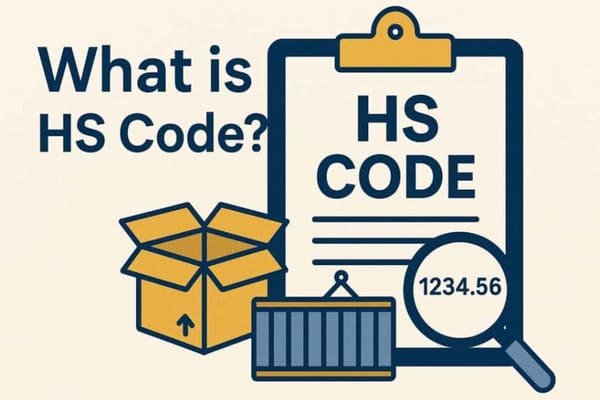
To really take advantage of these changes, you need to get into the details. The United States Trade Representative (USTR) has published a specific list of products.4 Your first step is to get this official document. Don't rely on second-hand information. We always work directly from the source for our clients. Once you have the list, you need to find the Harmonized System (HS) code for your product.5 This is critical. A product might seem like it fits a category, but if the HS code doesn't match the list exactly, you won't get the tariff exemption.
Key Product Categories
The goods getting a break are mostly everyday items. Think about products for the home, outdoor activities, and general consumer use. This is great news for many of our clients who are e-commerce sellers or retail suppliers.
| Category | Product Examples |
|---|---|
| Household Goods | Kitchenware, small furniture, home textiles, lamps |
| Light Industrial | Certain hand tools, plastic products, bicycle parts |
| Consumer Goods | Bags, some apparel items, sporting goods, toys |
| Medical Supplies | Face masks, medical gloves, sanitizers |
The Importance of Correct HS Codes
I remember a client who exported decorative lamps. They assumed their product was covered under "lighting." But their specific lamp included a small electronic component that changed its HS code. Because we double-checked, we caught the issue before shipment. We worked with them to ensure the correct customs declaration6 was filed, saving them from a costly delay and potential fines. This is why accurate classification is not just paperwork; it's a core part of a successful export strategy.
Why Do Tariffs Remain High for Strategic Goods, with New Energy & Chips Excluded?
You might think all tariffs are dropping, but that's not true. Shipping strategic goods without checking the rules can lead to massive, unexpected costs when your container arrives in the US.
The US is keeping high tariffs on strategic sectors like new energy, semiconductors, and advanced manufacturing.7 This policy is designed to protect its domestic industries and national security interests. If you export these goods, you won't see any tariff relief from this recent adjustment.

Understanding the "why" behind this policy helps you plan better. The US government is using tariffs as a tool to encourage domestic production of goods it considers critical for its economy and security. This is not a short-term trend. It's a long-term strategic move. So, if your business is in these sectors, you need a different strategy than just waiting for tariff cuts.
Understanding the Strategic Exclusions
We've seen clients get caught off guard by this. They hear "tariff cuts" and assume it applies broadly. For one of our clients exporting advanced EV battery components, this distinction was crucial.8 Their product falls squarely into the "new energy" category, so the high tariffs remain. We helped them analyze the total landed cost and explore alternative logistics solutions to mitigate the financial impact, but the tariff itself was unavoidable.
Here’s a simple breakdown to help you see the difference:
| Beneficial Categories (Tariff Cuts Apply) | Excluded Strategic Categories (Tariffs Remain High) |
|---|---|
| General consumer goods | Semiconductors and related equipment |
| Household items & furniture | New energy products (solar panels, EV batteries) |
| Bicycles and sporting goods | Advanced medical devices and pharmaceuticals |
| Most light industrial parts | Steel, aluminum, and other key raw materials |
| Certain medical PPE | Aerospace components and technology |
What This Means for Your Business
If you export products on the excluded list, you can't rely on tariff relief to lower your costs. Instead, you must focus even more on supply chain efficiency.9 This means finding the most cost-effective shipping routes, optimizing your packaging to fit more in a container, and ensuring your customs paperwork is perfect to avoid any extra fees or delays. It also might be a good time to explore other export markets where your products are more competitive. We often help clients with this kind of strategic analysis, looking at the total picture, not just one shipping lane.
How Can You Arrange Shipment Based on the New Policy to Cut Logistics Costs?
You've confirmed your product gets a tariff cut. That's great news. But what if high shipping costs and delays eat up all those savings? Let's talk about how smart logistics planning protects your profit.
The key is to secure stable shipping space and rates before the market rush. Partner with a forwarder like Deeplinker who has strong carrier relationships. We can help you book sea or air freight in advance, ensuring you get your goods shipped on time and on budget.

The truth is, a tariff saving on paper means nothing if you can't get your product to the customer at the right price. We are seeing a lot of volatility in the freight market right now. Space is tight, and rates are fluctuating. If you wait until the last minute to book your shipment, you might find that the extra freight cost is more than the tariff saving. This turns a win into a loss.
The Risk of High Freight Costs
Just last month, we helped a home goods company that sells on Amazon. They qualified for the tariff cut on their new line of kitchenware, which was a saving of about $5,000 per container.10 However, their previous forwarder couldn't secure space for them. The spot market rates they were quoted would have added $6,000 in shipping costs, completely wiping out their benefit. They came to us, and because of our long-term contracts with carriers, we found them reliable space at a stable price. They locked in their profit.
Our Proactive Logistics Strategy
A reactive approach is a gamble. A proactive one gives you control. Here’s how we see it:
| Strategy | Reactive Approach (Wait and See) | Proactive Approach (Plan with Deeplinker) |
|---|---|---|
| Booking | Book close to the ready date | Book weeks or months in advance |
| Cost | Subject to volatile spot market rates | Locked-in, stable contract rates |
| Space | Risk of being rolled to the next vessel | Guaranteed space on the vessel of choice |
| Result | High uncertainty, potential loss of profit | Predictable costs, secure profit margins |
Our job is to make your logistics a competitive advantage. We handle everything from Sino-US sea and air freight booking to domestic export declarations. By planning with us, you aren't just shipping goods; you are executing a strategy to make sure the benefits from policies like tariff cuts actually end up in your bank account.
Conclusion
Navigating US tariff changes requires a two-part strategy: confirm your eligibility and lock in stable logistics costs. We can help you secure your profits from these new opportunities.
Section 301 Tariff Actions — official tariff action lists and product exclusions — *Office of the United States Trade Representative (USTR)*: https://ustr.gov/issue-areas/enforcement/section-301-investigations/tariff-actions ↩
Tariff — a tax imposed by a government on imported or exported goods — *Wikipedia*: https://en.wikipedia.org/wiki/Tariff ↩
Section 301 Trade Remedies FAQs — guidance on HS code matching and tariff application — *U.S. Customs and Border Protection (CBP)*: https://www.cbp.gov/trade/programs-administration/entry-summary/section-301-trade-remedies/faqs ↩
Office of the United States Trade Representative (USTR) — the U.S. federal agency responsible for developing and coordinating trade policy — *Wikipedia*: https://en.wikipedia.org/wiki/Office_of_the_United_States_Trade_Representative ↩
Harmonized System (HS Code) — the international standardized numerical classification system for traded products — *Wikipedia*: https://en.wikipedia.org/wiki/Harmonized_System ↩
Informed Compliance Publication — official guidance on correct customs entry and declaration procedures — *U.S. Customs and Border Protection (CBP)*: https://www.cbp.gov/sites/default/files/documents/icp017r2_3.pdf ↩
Section 301 Modifications Determination (Sept 12, 2024) — Federal Register notice keeping high tariffs on strategic sectors — *Office of the United States Trade Representative (USTR)*: https://ustr.gov/sites/default/files/Section%20301%20Modifications%20Determination%20FRN%20(Sept%2012%202024)%20(FINAL).pdf ↩
Electric vehicle battery — the rechargeable battery system that powers electric vehicles, a key "new energy" product — *Wikipedia*: https://en.wikipedia.org/wiki/Electric_vehicle_battery ↩
Supply chain — the network of organizations, resources, and activities involved in producing and delivering a product — *Wikipedia*: https://en.wikipedia.org/wiki/Supply_chain ↩
Amazon — the multinational e-commerce marketplace used by many exporters and retail sellers — *Wikipedia*: https://en.wikipedia.org/wiki/Amazon_(company) ↩