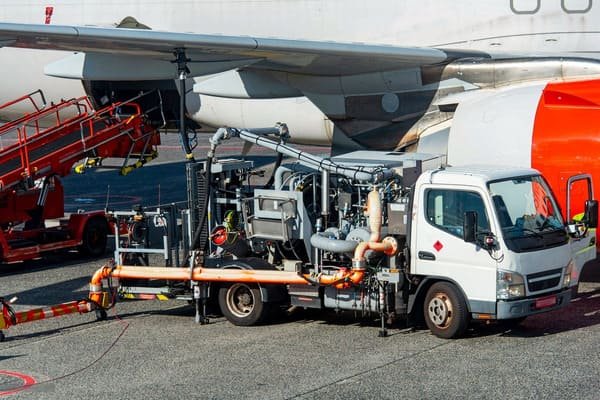

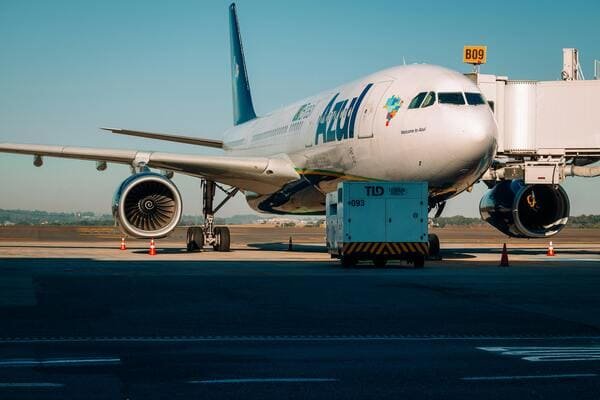
Shipping large or complex items by air feels risky. You worry about rejection, damage, or hidden costs. This guide clarifies what air freight can handle, ensuring your cargo flies safely.
Air freight can handle a surprisingly wide range of cargo, including oversized machinery, dangerous goods, and high-value items, not just standard boxes. The key is understanding specific aircraft limitations1, proper packaging, and documentation requirements, which we will explain in detail for you.
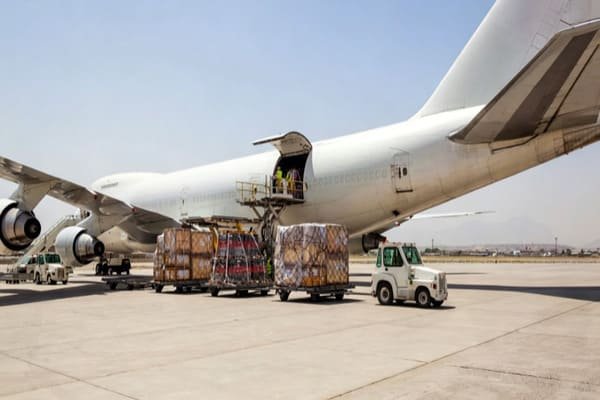
I remember a client, David from Germany, who thought he could only ship small electronics by air. He was shocked when we showed him we could fly an entire piece of manufacturing equipment for his new factory. It's a common belief, but the reality of air cargo is much bigger and more capable than most people think.2 The secret isn't just about finding a plane; it's about having a partner who understands the complex rules of the sky. Let's break down what's really possible when you need to ship large-scale goods quickly and safely.
Beyond Boxes: What Large Shippers Can Actually Send by Air?
Do you think air freight is only for small boxes and standard pallets? This belief might stop you from using the fastest shipping method for your most important and complex goods.
You can send much more than boxes by air. This includes oversized machinery, vehicles, hazardous materials like chemicals or batteries, and temperature-sensitive goods. The feasibility depends on the cargo type, aircraft availability, and adherence to very strict international regulations. We manage these shipments every day.
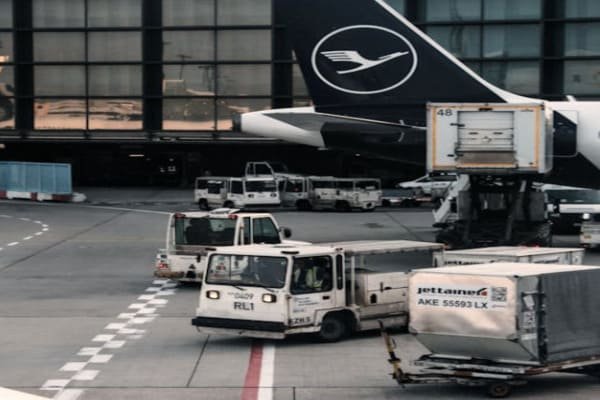
Many of our customers, especially those in manufacturing and project development, are surprised by the scope of what we can move through the air. It’s not just about speed; it's about possibility. We routinely handle shipments that seem impossible to fly.
Dangerous Goods (DG)
This is a huge category that includes everything from lithium batteries and chemicals to flammable liquids and compressed gases.3 Shipping DG cargo by air is highly regulated by the International Air Transport Association (IATA).4 It requires specialized knowledge for declaration, labeling, and packaging. For example, we helped a cosmetics brand in the UK ship a large volume of perfume, classified as a flammable liquid, to the UAE by ensuring every bottle was packed in UN-certified boxes with correct absorbent material and documentation.
Oversized & Heavy Cargo
Think it’s too big to fly? Think again. With access to cargo-only freighters like the Antonov An-124 or Boeing 747F5, we can transport items like oil and gas equipment, large vehicle parts, or even entire helicopters. The key is careful planning, which involves route surveys, aircraft selection, and custom loading plans.
Temperature-Controlled Goods
For industries like pharmaceuticals, food, and high-tech electronics, maintaining a specific temperature is critical. We use specialized containers (RF containers) and thermal blankets to ensure products remain stable from warehouse to destination, whether it's frozen, chilled, or kept at a controlled room temperature. This protects product integrity and value.
| Cargo Type | Passenger Aircraft | Cargo-Only Freighter | Key Consideration |
|---|---|---|---|
| Dangerous Goods | Limited quantities, strict rules | Larger quantities, more types | IATA DGR compliance is mandatory |
| Oversized Cargo | Restricted by door size | Can handle very large items | Requires special loading equipment |
| Live Animals | Yes, in pressurized holds | Yes, with specialized stalls | IATA LAR regulations must be followed |
| Perishables | Common | Common | Requires precise temperature control |
Weight Limits Per Piece & Per Plane – and How to Optimize Chargeable Weight?
Air freight weight rules can be confusing. Misunderstanding them often leads to surprise fees that hurt your bottom line and disrupt your budget planning, which is a major pain point.
Weight limits vary by aircraft. A single piece can weigh from a few hundred kilograms to over 100 tons on specialized freighters. To optimize costs, you must understand chargeable weight—the greater of the actual weight or the volumetric weight. Calculating this correctly is key.

The concept of chargeable weight trips up even experienced shippers. I once worked with a private label company shipping lightweight but bulky outdoor gear from China to the US. They were shocked by the freight bill because they only considered the actual weight. We helped them repackage their goods to reduce the volume, which significantly lowered their chargeable weight and saved them thousands of dollars. This is a perfect example of why understanding the formula is so important for your business. It's not just about weight; it's about the space your cargo occupies on the plane.
Calculating Chargeable Weight: A Simple Guide
Airlines charge for the space your cargo takes up, not just how heavy it is. This is where volumetric (or dimensional) weight comes in. The formula is simple:
[(Length cm x Width cm x Height cm) / 6000 = Volumetric Weight in kg](https://en.wikipedia.org/wiki/Dimensional_weight)6
The airline will then compare the actual gross weight of your shipment to its volumetric weight. They will charge you based on whichever is higher. This is the "chargeable weight."
| Item | Dimensions (cm) | Actual Weight | Volumetric Weight | Chargeable Weight |
|---|---|---|---|---|
| Machine Part | 100 x 80 x 50 | 500 kg | (100x80x50)/6000 = 66.7 kg | 500 kg |
| Foam Blocks | 200 x 120 x 100 | 80 kg | (200x120x100)/6000 = 400 kg | 400 kg |
As you can see, the dense machine part is charged by its actual weight, while the light foam blocks are charged by their volume.
3 Packaging Rules to Avoid Delays, Fines & Extra Charges?
Do you worry if your packaging is strong enough for air transport? Poor packaging can lead to rejected shipments, damaged goods, and unexpected fines, which nobody wants to deal with.
To avoid issues, follow three key rules. First, ensure your packaging is durable enough for handling and pressure changes. Second, label everything clearly with all required markings. Third, use certified packaging for special cargo like dangerous goods, following IATA regulations strictly.
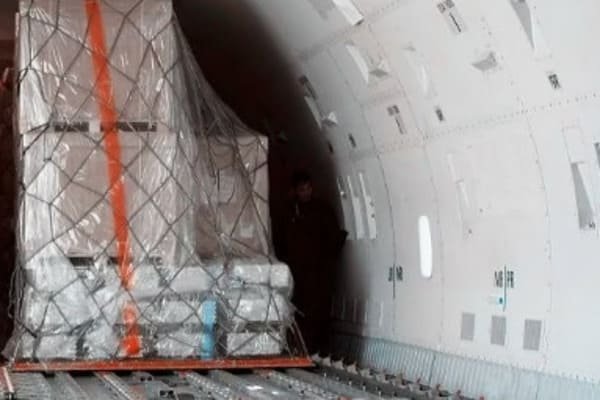
Proper packaging is your first line of defense. A client shipping high-value electronics to South Korea once had a shipment refused at the terminal. The reason? The outer boxes were slightly crushed, and the handling labels were missing. The airline couldn't risk transporting potentially damaged goods. We had to arrange for emergency repacking and relabeling, which caused a two-day delay. This experience taught them a valuable lesson: what works for ground shipping often fails for air freight. The stresses of loading, in-flight pressure changes, and turbulence require a higher standard of preparation.
Rule 1: Build for Durability
Your package must withstand automated sorting, multiple handling points, and changes in altitude7. For heavy or fragile items, this means using robust wooden crates, not just cardboard boxes. Inside the crate, you must use blocking and bracing techniques to prevent the item from shifting.8 Everything should be packed tightly to avoid internal movement, using filler materials like foam or air pillows.
Rule 2: Label with Precision
Clear and correct labeling is not optional. Every piece of your shipment must have a label with the full shipper and consignee address and contact information. In addition, you need handling labels like "This Way Up," "Fragile," or "Keep Dry." For consolidated shipments, each individual box should be numbered (e.g., 1 of 5, 2 of 5). This prevents parts of your shipment from getting lost and ensures it is handled correctly.
Rule 3: Comply with Regulations
This is the most critical rule, especially for dangerous goods. If you are shipping anything classified as DG, you must follow IATA's Dangerous Goods Regulations (DGR).9 This means using UN-specification packaging, which has been tested to meet performance standards. The packaging must be marked and labeled with the proper hazard class diamonds, UN number, and other required information. Failure to comply can result in severe fines and legal action, as it puts the aircraft and its crew at risk. As your logistics partner, we manage this entire compliance process for you.
Conclusion
Air freight can handle almost anything if you know the rules. By understanding cargo types, weight calculations, and packaging, you can ship large-scale goods confidently and turn challenges into successes.
Advisory Circular AC 120-85A: Air Cargo Operations — aircraft limitations and cargo handling guidance — *Federal Aviation Administration (FAA)*: https://www.faa.gov/documentlibrary/media/advisory_circular/ac_120-85a.pdf ↩
Air cargo — freight and mail transported by aircraft; a core component of global logistics — *Wikipedia*: https://en.wikipedia.org/wiki/Air_cargo ↩
Lithium battery — a class of energy storage device classified as dangerous goods for air transport — *Wikipedia*: https://en.wikipedia.org/wiki/Lithium_battery ↩
Technical Instructions for the Safe Transport of Dangerous Goods by Air — the global regulatory framework for DG air shipping — *International Civil Aviation Organization (ICAO)*: https://www.icao.int/Dangerous-Goods/Technical-Instructions ↩
Antonov An-124 Ruslan — a strategic heavy-lift cargo aircraft used for oversized and outsized freight — *Wikipedia*: https://en.wikipedia.org/wiki/Antonov_An-124_Ruslan ↩
Dimensional weight — a pricing technique that calculates chargeable weight based on package volume — *Wikipedia*: https://en.wikipedia.org/wiki/Dimensional_weight ↩
Hazardous materials transportation packaging performance requirements — *Pipeline and Hazardous Materials Safety Administration (PHMSA), U.S. DOT / Regulations.gov*: https://downloads.regulations.gov/PHMSA-2007-29364-0001/attachment_1.pdf ↩
Cargo — goods transported by vehicle, aircraft, or vessel; blocking and bracing secures it during transit — *Wikipedia*: https://en.wikipedia.org/wiki/Cargo ↩
IATA Dangerous Goods Regulations (DGR) — the industry standard for the safe transport of dangerous goods by air — *Wikipedia*: https://en.wikipedia.org/wiki/IATA_Dangerous_Goods_Regulations ↩