
Shipping carbon products is getting more complex. The rules are changing, and if you are not prepared, your cargo could face delays, fines, or even rejection by carriers.
Yes, the N.4 test exemption for certain carbon products is being removed. The upcoming 2026 IMDG Code update (Amd 42-24) will require most activated carbon to undergo the N.4 self-heating test1. This means many shipments previously treated as general cargo will now be classified as dangerous goods.2
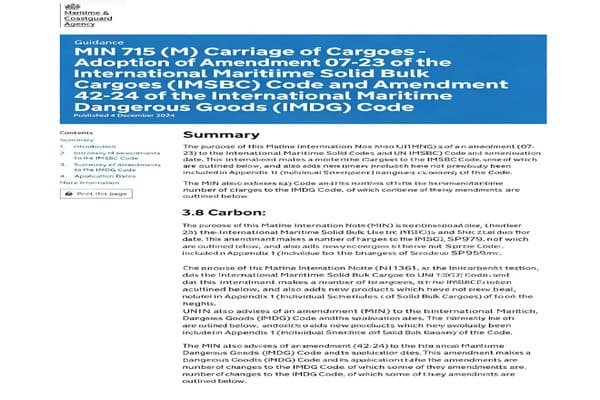
These changes are significant, but they don't have to disrupt your business. I've seen many regulatory updates in my 20 years in logistics, and the key is always to understand the details and prepare in advance. This new rule is all about enhancing safety, and it affects anyone shipping activated carbon. Let's break down exactly what's changing so you can keep your supply chain running smoothly.
Core Policy Changes on N.4 Exemption Under Latest IMDG 2026?
You've probably shipped steam-activated carbon as general cargo for years. Now, using that same process could put your business at risk of non-compliance and unexpected costs.
The biggest change is the removal of the N.4 test exemption for steam-activated carbon under Special Provision 925. From January 1, 2026, these products must be tested for self-heating properties. If they fail the test, they must be shipped as UN1362, Class 4.2 Dangerous Goods3.
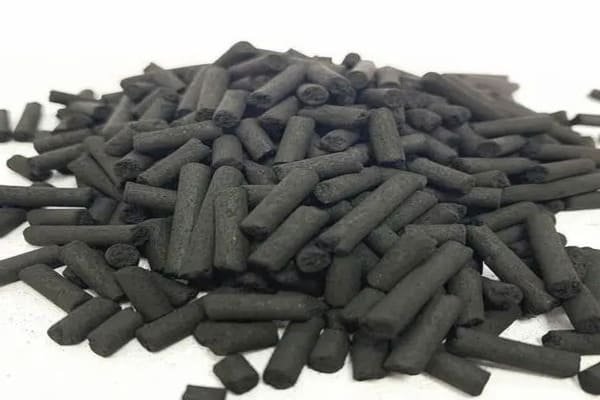
This rule change is not just a minor update; it's a fundamental shift in how the industry handles carbon shipments. For years, the exemption for steam-activated carbon created a gray area. Some shippers used it to move products that had self-heating risks without declaring them as dangerous goods. This new rule closes that loophole to improve safety across the board. I remember a case a few years ago where a misdeclared carbon shipment caused a container fire, leading to huge losses for the shipper and the carrier.4 The new regulation aims to prevent exactly that. You need to prepare now by reviewing your products and supply chain processes.
The Old Rule vs. The New Rule
The table below clearly shows what is changing. It moves from a system with exceptions to one that requires mandatory testing for most activated carbon products.
| Feature | Old Rule (IMDG Amd 41-22) | New Rule (IMDG Amd 42-24) |
|---|---|---|
| N.4 Test Exemption | Steam-activated carbon was exempt. | Exemption is removed. |
| Classification | Often shipped as non-dangerous cargo. | Must be tested. May become Class 4.2 DG. |
| Shipper Action | Minimal compliance for exempt products. | Must arrange N.4 testing and obtain a report. |
| Impact | Lower shipping costs for some. | Higher compliance, testing costs, and stricter shipping rules. |
Different Compliance Standards for UN1361 Charcoal and UN1362 Activated Carbon?
You might think "carbon is carbon," but shipping them under the wrong UN number is a serious mistake. This can lead to customs holds, carrier penalties, and major disruptions.
Yes, the compliance standards for UN1361 (Carbon) and UN1362 (Activated Carbon) are distinct. UN1361 typically covers charcoal from wood5, which is almost always a Class 4.2 dangerous good. UN1362 is for highly porous activated carbon, which will now require testing to determine if it's a DG.6
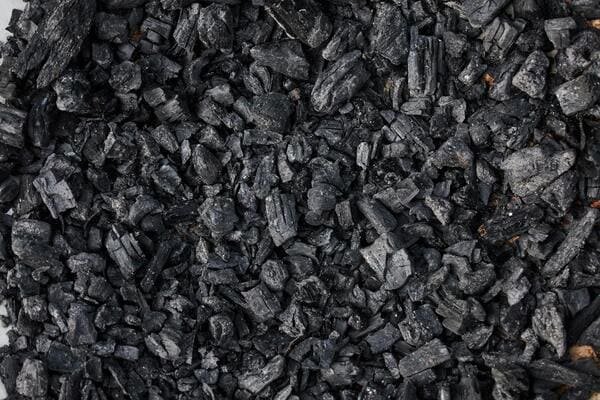
Understanding the difference is critical for compliance. We once had a client who bought what they thought was standard activated carbon for filters, but their supplier's MSDS was unclear. The product was actually a form of charcoal (UN1361). They tried to ship it under the old rules for UN1362, and the container was stopped at the port. The inspection revealed the misdeclaration, resulting in heavy fines and a two-week delay to get the right paperwork. This situation highlights why precise identification is so important, especially with the new rules tightening scrutiny on all carbon-based products. Your product's source material and manufacturing process determine its UN number and shipping requirements7.
UN1361 vs. UN1362
The two types of carbon have different properties and uses, which is why they are classified separately.
| Aspect | UN1361 (Carbon/Charcoal) | UN1362 (Activated Carbon) |
|---|---|---|
| Source | Animal or vegetable origin (e.g., wood charcoal). | Same sources, but "activated" to be highly porous. |
| Key Property | Prone to self-heating and spontaneous combustion. | Highly adsorptive; also prone to self-heating. |
| IMDG 2026 Impact | Always considered Class 4.2. Stricter enforcement. | No longer has N.4 test exemption. Many products will now be classified as Class 4.2. |
| Documentation | Requires a clear MSDS stating UN1361. | Requires N.4 test report and an updated MSDS. |
Professional Logistics Support to Complete Compliant Shipment of Carbon Cargo?
Facing these new rules feels complicated and costly. One small mistake in your paperwork or handling process could bring your entire supply chain to a halt.
Yes, professional logistics support is the best way to navigate this. A specialized freight forwarder like us manages the entire process for you.8 We verify your documents, help arrange testing, book with approved carriers, and prepare all necessary declarations to ensure your cargo moves without any issues.
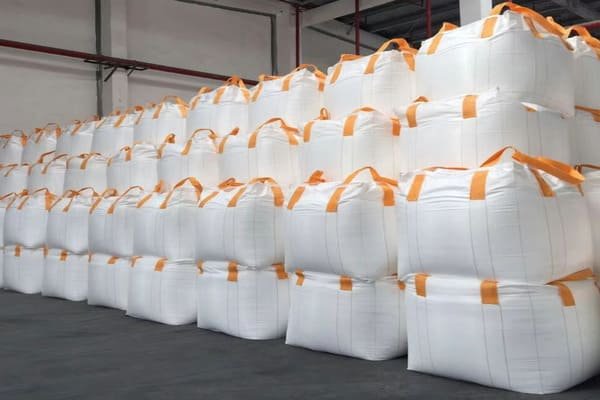
Relying on an expert partner turns a complex problem into a simple, managed process. Think of us as an extension of your team. Our job begins long before your cargo is loaded. We start by reviewing all your product information to ensure everything is in order for the new regulations. We have built relationships with certified laboratories and DG-compliant shipping lines over many years. This network is crucial because not all carriers will accept Class 4.2 cargo, and finding one that does can be difficult on your own, especially during peak season. We handle these challenges every day. By managing the details, we give you peace of mind and protect you from the financial and reputational damage of non-compliance.
Our Step-by-Step Compliance Process
We follow a proven method to ensure every carbon shipment is safe and compliant.
1. Document Verification and Pre-screening
First, we review your Material Safety Data Sheet (MSDS) and product specifications.9 If you don't have a recent N.4 test report for your activated carbon, we will guide you to a certified lab to get one. This initial step is the most important, as it determines the entire shipping plan.
2. Compliant Booking and Handling
Once your cargo is correctly classified, we book space with a carrier that is certified and experienced in handling Class 4.2 dangerous goods. We coordinate the proper labeling of your cargo with DG placards and ensure the container is stuffed correctly to meet all safety standards.10
3. End-to-End Documentation and Support
We prepare the Dangerous Goods Declaration (DGD) and all other required shipping documents. Our team manages communication with the port, customs, and carrier, providing you with full visibility and support until your cargo reaches its destination safely.
Conclusion
The 2026 IMDG update for carbon is a major shift. Proper testing, correct classification, and working with a logistics expert are now essential to ship your products compliantly and safely.
PHMSA Interpretation 23-0058 — N.4 self-heating test requirements for activated carbon — *Pipeline and Hazardous Materials Safety Administration (PHMSA), U.S. DOT*: https://www.phmsa.dot.gov/regulations/title49/interp/23-0058 ↩
International Maritime Dangerous Goods (IMDG) Code — the global standard for the safe transport of dangerous goods by sea — *Wikipedia*: https://en.wikipedia.org/wiki/International_Maritime_Dangerous_Goods_Code ↩
UN1362 Activated Carbon — chemical datasheet and hazard classification — *CAMEO Chemicals, National Oceanic and Atmospheric Administration (NOAA)*: https://cameochemicals.noaa.gov/unna/1362 ↩
Spontaneous combustion — the ignition of a material through internal self-heating, a key hazard for carbon cargo — *Wikipedia*: https://en.wikipedia.org/wiki/Spontaneous_combustion ↩
PHMSA Interpretation 990186 — classification guidance for UN1361 Carbon (charcoal) — *Pipeline and Hazardous Materials Safety Administration (PHMSA), U.S. DOT*: https://www.phmsa.dot.gov/sites/phmsa.dot.gov/files/legacy/interpretations/Interpretation%20Files/1999/990186.pdf ↩
Activated carbon — a highly porous form of carbon processed to have a large surface area for adsorption — *Wikipedia*: https://en.wikipedia.org/wiki/Activated_carbon ↩
What Is Hazmat? — overview of hazardous materials classification and shipping requirements — *Federal Aviation Administration (FAA)*: https://www.faa.gov/hazmat/what_is_hazmat ↩
Freight forwarder — an agent that organizes shipments and manages dangerous goods compliance on behalf of shippers — *Wikipedia*: https://en.wikipedia.org/wiki/Freight_forwarder ↩
Safety data sheet (SDS/MSDS) — a document listing a substance's properties, hazards, and safe handling procedures — *Wikipedia*: https://en.wikipedia.org/wiki/Safety_data_sheet ↩
Dangerous goods — substances and articles classified by hazard class (e.g., Class 4.2 self-heating substances) for transport — *Wikipedia*: https://en.wikipedia.org/wiki/Dangerous_goods ↩