
Shipping valuable solar panels to Malaysia can be stressful. You worry about breakage and delays. Choosing the wrong method could derail your entire project, but there's a smarter way.
Solar panels are usually shipped by FCL (Full Container Load) to Malaysia because it offers the best protection. FCL minimizes handling, which significantly reduces the risk of damage to the fragile panels. It also streamlines customs clearance and ensures a more predictable delivery schedule1 for project timelines.
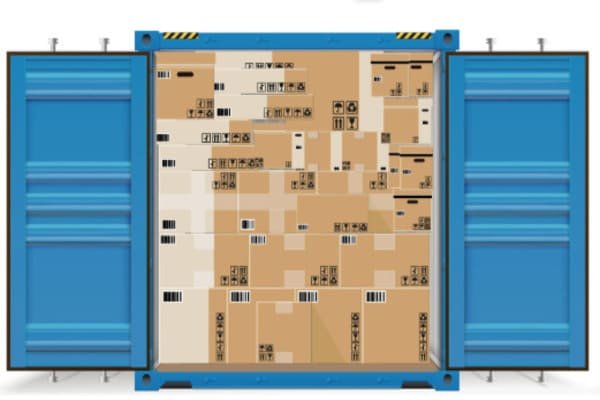
I've seen it happen too many times. A client tries to save a little money with LCL and ends up with a huge bill for damaged goods and project delays. The choice between FCL and LCL isn't just about cost; it's about risk management. To really understand why FCL is the superior choice for solar panels, we need to look closer at the problems with the alternative. Let’s dive into why LCL and solar panels just don't mix.
Why Are Solar Panels Not Ideal for LCL Shipping?
Thinking about using LCL to ship solar panels? This cost-saving idea can quickly backfire when your fragile cargo is handled repeatedly alongside other goods, increasing damage risk significantly.
Solar panels are not ideal for LCL because LCL shipping involves multiple handling stages. Your cargo is loaded and unloaded several times, increasing the chances of impact and breakage. Co-loading with other goods also introduces risks from incompatible cargo2, like liquids or heavy items shifting during transit.
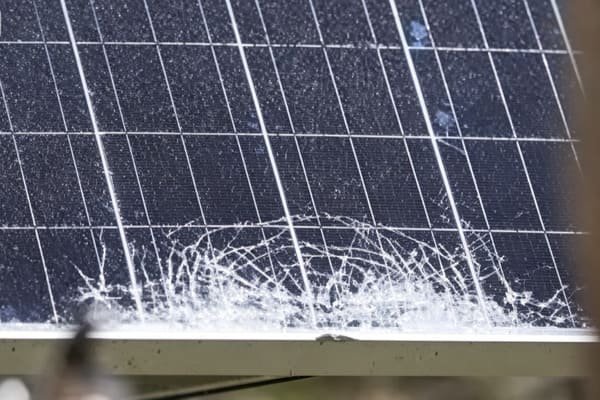
When you choose Less than Container Load (LCL), you're essentially sharing container space with other shippers. While this sounds cost-effective, it introduces several risks that are especially dangerous for fragile cargo like solar panels3. LCL shipping requires your cargo to be consolidated at the origin port and de-consolidated at the destination port in Malaysia. This means your panels will be handled by forklifts and warehouse staff multiple times. Each touchpoint is a potential risk for drops, impacts, or pressure damage. I once worked with a client whose pallet of panels was crushed because a much heavier shipment of auto parts shifted during the voyage. With LCL, you have zero control over what your panels are shipped with. They could be placed next to leaking liquids, heavy machinery, or dusty bulk goods, all of which pose a threat. This is a gamble most businesses can't afford to take.
| Feature | LCL (Less than Container Load) | FCL (Full Container Load) |
|---|---|---|
| Handling | Multiple loading/unloading points | Loaded once at origin, unloaded once at destination |
| Cargo | Mixed with other shippers' goods | Exclusive use of container |
| Damage Risk | High (from handling & co-loading) | Low (minimal handling, no co-loading risk) |
| Delay Risk | High (customs issues from other cargo) | Low (only your cargo is inspected) |
How Does FCL Reduce Damage Risks in Solar Panel Shipping?
Worried about your expensive solar panels breaking during shipment? The thought of damage and project delays is stressful. FCL shipping offers a secure, dedicated space, drastically cutting down these transit risks.
FCL reduces damage risks by giving you exclusive use of a container. Your solar panels are loaded and sealed at your facility and remain untouched until they reach the destination. This single-handling process eliminates risks from co-loading with other goods and minimizes exposure to impacts during transit.
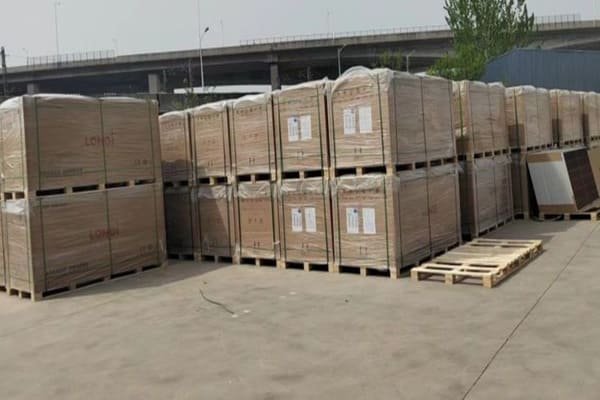
Let's get into the specifics of how FCL acts as a protective shield for your cargo. When you book an FCL shipment, the empty container is brought directly to your factory or our loading warehouse. From that moment, we have total control over the environment your panels will travel in. This allows us to create a perfect loading plan, something that's impossible with LCL. We can strategically place and secure the pallets of solar panels to ensure perfect weight distribution, which is key for a stable ocean journey. More importantly, we use the right dunnage—like wood bracing, straps, and industrial airbags4—to lock the cargo in place. This prevents any shifting, even on rough seas. Once everything is perfectly loaded, we seal the container with a unique, numbered seal. This seal is your proof that no one has opened the doors until it's officially cut at its final destination in Malaysia. This "factory-to-site" sealed environment is the single biggest factor in ensuring your panels arrive in the same pristine condition they were in when they left.
Why Does FCL Make Malaysia Clearance and Delivery More Reliable?
Frustrated by customs delays and uncertain delivery times in Malaysia? A single snag at the port can stop your project cold. FCL shipping simplifies the process, offering a much more reliable path to final delivery.
FCL makes clearance and delivery in Malaysia more reliable because the entire container is one single shipment for one consignee. Customs clearance is faster as the paperwork is straightforward. Once cleared, the whole container can be trucked directly to the project site, avoiding deconsolation delays at a warehouse.
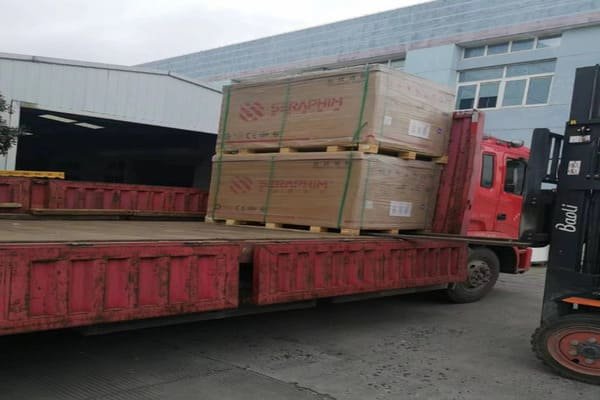
For any large-scale project, reliability is everything. FCL is the clear winner here for two main reasons: smoother customs and direct final delivery. With an FCL shipment, the entire container and all its contents belong to you. This means one bill of lading, one customs declaration, and one consignee. This simplicity makes the customs clearance process in Port Klang or other Malaysian ports much faster and more predictable. You avoid the biggest pitfall of LCL shipping: your cargo being held up because another shipment in the same container has documentation errors or contains prohibited items. I've personally seen LCL shipments stuck for weeks over someone else's mistake, while our FCL shipments for other clients cleared in a couple of days. After clearing customs, the FCL advantage continues. The sealed container is immediately loaded onto a truck for direct delivery to your project site or warehouse. There's no waiting for it to be moved to a warehouse, unloaded, sorted, and then re-loaded onto another truck. This direct delivery saves several days and, crucially, eliminates another round of handling, preserving the integrity of your panels.
Conclusion
In short, choosing FCL for shipping solar panels to Malaysia is a strategic move to protect your investment, ensure on-time delivery, and avoid costly problems.
References
Royal Malaysian Customs Department (JKDM), *Official Portal — Import & Customs Clearance*. https://www.customs.gov.my/en ↩
International Plant Protection Convention (IPPC), *CTU Code — A Quick Guide (Code of Practice for Packing of Cargo Transport Units)*. https://assets.ippc.int/static/media/files/publication/en/2022/01/CIGCTU_Code__a_quick_guide_Sep_2020.pdf ↩
International Energy Agency (IEA), *Solar PV — Energy System*. https://www.iea.org/energy-system/renewables/solar-pv ↩
International Plant Protection Convention (IPPC), *CTU Code — A Quick Guide (Code of Practice for Packing of Cargo Transport Units)*. https://assets.ippc.int/static/media/files/publication/en/2022/01/CIGCTU_Code__a_quick_guide_Sep_2020.pdf ↩