
Jet fuel prices have risen sharply in 2026, raising concerns about higher air freight costs for importers, exporters, and logistics teams.
According to TAC Index's October 8 market report, global jet fuel prices were 108% higher year-on-year as of October 2, 2026. Meanwhile, the Baltic Air Freight Index (BAI00) remained 24.3% above its year-earlier level as of October 12, despite falling 2.1% during the latest week.
The difference raises an important question: If jet fuel prices have more than doubled, why haven't air freight rates increased at the same pace?
The answer lies in how airlines manage fuel costs, how surcharges are calculated, and how demand and capacity influence freight pricing.
For shippers, understanding these factors can make a significant difference when planning urgent deliveries or negotiating transport costs.
1. How Rising Jet Fuel Prices Affect Air Freight Rates
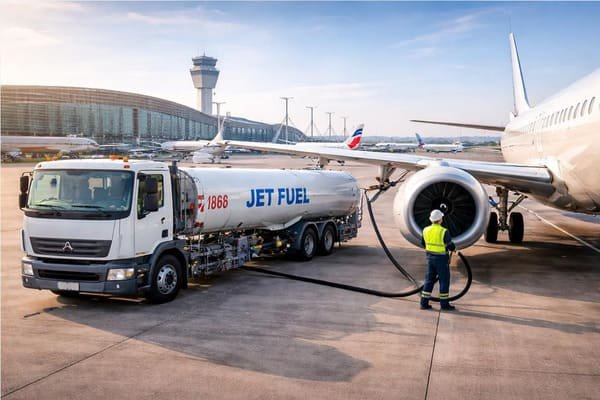
Jet fuel is one of the largest operating expenses for airlines. According to TAC Index, it typically represents approximately 25% to one-third of airline operating costs, depending on aircraft efficiency and other operating conditions.
When fuel prices increase, airlines face higher expenses for operating both dedicated freighters and passenger aircraft carrying cargo in their lower decks.
These additional costs may eventually reach shippers through:
- Higher base air freight rates
- Increased fuel surcharges
- More frequent pricing adjustments
- Changes in available capacity or flight schedules
However, fuel costs are only one part of the equation.
Air freight prices also depend on cargo demand, available aircraft capacity, route competition, and seasonal shipping patterns.
For example, an airline facing higher fuel costs may still struggle to increase freight rates on a route with excess capacity. On a high-demand route, the same fuel cost pressure could be reflected in pricing much faster.
The key point: Rising jet fuel prices create upward pressure on air freight costs, but they do not produce an identical percentage increase in shipping rates.
2. Air Freight Fuel Surcharges: How Do They Work?
A fuel surcharge is an additional charge that helps carriers recover changes in fuel expenses.
Depending on the airline, freight forwarder, or service agreement, it may be calculated per chargeable kilogram or through another agreed pricing mechanism.
A typical air freight quotation may include:
| Cost component | What it covers |
|---|---|
| Base air freight | Airport-to-airport transportation |
| Fuel surcharge | Additional fuel-related costs |
| Security surcharge | Applicable cargo security charges |
| Origin handling | Export terminal and handling services |
| Destination charges | Import handling and other local services |
| Pickup and delivery | Inland transportation, where required |
Some forwarders offer all-in air freight rates that already include fuel and certain other charges. Others provide a breakdown showing these items separately.
That distinction matters when comparing quotations.
Real Example: DHL Aviation Fuel Surcharge
DHL Aviation's published fuel surcharge mechanism provides a useful example of how pricing adjustments work.
For cargo departing Hong Kong, DHL Aviation uses an IATA jet fuel price benchmark to determine applicable surcharges.
Under its published mechanism:
- When the relevant jet fuel benchmark is at or below US$100.99 per barrel, the standard monthly adjustment mechanism applies.
- Above that threshold, the carrier applies a weekly adjustment mechanism.
- Short-haul and long-haul shipments have different surcharge levels.
This demonstrates why fuel surcharges can change even when a shipment's base freight rate remains unchanged.
Before accepting a quotation, shippers should confirm whether fuel surcharges are included, how they are calculated, and which rate will apply on the shipment date.
3. Why Air Freight Rates Do Not Rise Immediately with Fuel Prices
There is often a delay between rising fuel prices and changes in air freight quotations.
Three factors help explain this.
Fuel Purchasing and Cost Management
Some airlines use advance fuel purchasing arrangements or hedging strategies to reduce exposure to short-term price volatility.
These arrangements can delay the impact of changing market fuel prices, although their effectiveness varies between carriers.
Surcharge Adjustment Cycles
Fuel surcharge mechanisms may use previously published price averages rather than current-day fuel prices.
As a result, a sharp market increase may not immediately appear in the next freight quotation.
Demand and Capacity
Even when operating costs rise, airlines still compete for cargo.
Routes with weaker demand or greater available capacity may experience less immediate pricing pressure than routes operating close to capacity.
These factors explain why fuel price trends and air freight rate movements should be monitored separately.
The IATA Jet Fuel Price Monitor provides weekly fuel price information, while air cargo pricing benchmarks such as TAC Index help track freight market movements.
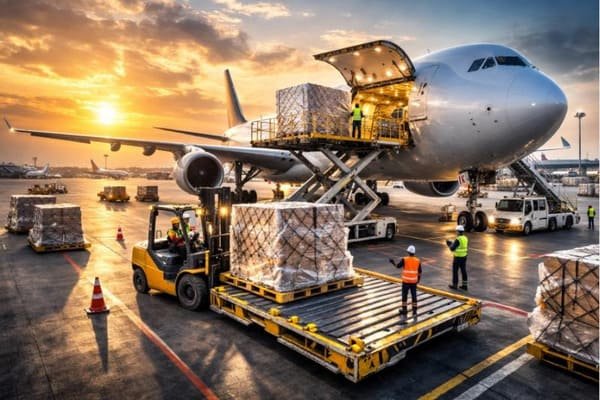
4. How Much More Could Shippers Pay? A Cost Example
Consider a shipment with a chargeable weight of 1,000 kg.
The airline's base freight rate remains unchanged, but the fuel surcharge increases.
| Cost component | Before adjustment | After adjustment |
|---|---|---|
| Base air freight | $4,200 | $4,200 |
| Fuel surcharge | $600 | $950 |
| Total | $4,800 | $5,150 |
Additional cost: $350
Increase in total air freight charges: approximately 7.3%
This example is illustrative rather than an actual carrier quotation. It excludes handling, customs-related charges, insurance, and inland transportation.
It shows how a shipment can become more expensive without any change in its base freight rate.
The final cost also depends on chargeable weight.
Air freight is commonly priced using the greater of actual gross weight and volumetric weight. The IATA guide to air cargo tariffs and rules explains how this affects transportation charges.
For bulky, lightweight cargo, chargeable weight can be substantially higher than actual weight, making per-kilogram surcharges particularly important.
5. Which Shipments Are Most Affected by Rising Air Freight Costs?
Not all cargo is equally sensitive to higher air freight rates.
The greatest exposure often occurs when businesses cannot delay shipments or switch to slower transportation.
E-commerce and retail replenishment
Retailers frequently depend on air freight for urgent inventory replenishment. Higher transportation costs can reduce margins, particularly on lower-value products.
Electronics and high-value goods
Semiconductors, electronic components, and other high-value products may justify air transportation because their value or delivery requirements outweigh the cost difference.
However, repeated cost increases can still affect procurement budgets.
Automotive and industrial spare parts
An urgent replacement component may be needed to prevent a production interruption. In these situations, avoiding operational downtime may be more important than achieving the lowest freight rate.
Pharmaceutical and time-sensitive cargo
Shipments with strict delivery requirements or specialized handling needs have fewer transportation alternatives.
For these cargo categories, the challenge is not simply finding a lower rate but balancing shipping costs, delivery reliability, and operational risk.
6. How Can Importers Reduce Air Freight Costs?
Although shippers cannot control jet fuel prices, they can take practical steps to manage their exposure.
Compare Complete Freight Quotations
A lower base rate does not necessarily mean a cheaper shipment.
When comparing different providers, request a breakdown of applicable fuel surcharges, security charges, terminal handling fees, and other relevant costs.
Make sure quotations cover the same transportation scope.
Confirm Quotation Validity
During periods of fuel price volatility, confirm:
- How long the quoted rate remains valid
- Whether fuel surcharges are included
- Whether the surcharge may change before departure
- Whether the price is confirmed at booking or another agreed stage
This helps prevent unexpected differences between the initial estimate and the final invoice.
Separate Urgent and Non-Urgent Cargo
Not every item in a shipment necessarily requires air transportation.
For example, an importer waiting for 1,000 kg of goods might send only the urgently needed 300 kg by air while shipping the remaining 700 kg by sea.
Whether this reduces total costs depends on the cargo, available schedules, additional handling expenses, and delivery requirements.
Optimize Packaging and Chargeable Weight
Reducing unnecessary packaging volume can sometimes lower air freight charges.
This is particularly valuable for lightweight but bulky shipments, where volumetric weight exceeds actual weight.
Any packaging changes must still protect the cargo and meet airline acceptance requirements.
Plan Around Delivery Deadlines
Confirm production completion dates, cargo readiness, booking cutoffs, and the required delivery date before selecting a service.
For shipments with limited flexibility, compare direct flights and suitable connecting services, considering both cost and delivery reliability.
Planning earlier can provide more options than arranging emergency air transportation at the last moment.
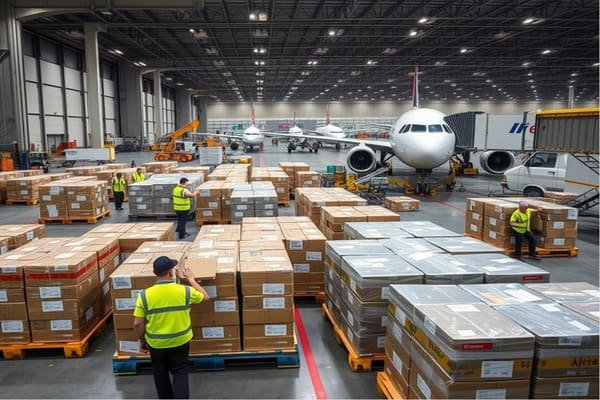
7. Air Freight Outlook: What Should Shippers Watch Next?
Rising jet fuel prices remain an important cost risk for air cargo markets in late 2026.
However, the direction of air freight rates will depend on several interacting factors:
- Fuel prices: Whether jet fuel remains elevated or becomes more volatile.
- Fuel surcharge revisions: How quickly carriers adjust their pricing mechanisms.
- Cargo demand: Seasonal demand and changes in major export markets.
- Available capacity: Freighter schedules and passenger-aircraft belly capacity.
Higher fuel costs do not guarantee that every route will become more expensive. Market conditions and competition will continue to influence pricing.
For importers and exporters, the most practical approach is to monitor complete shipping costs, confirm rate validity, and maintain flexibility in transportation planning.
Conclusion
Jet fuel prices have increased substantially in 2026, but air freight rates have not followed at the same pace.
Fuel surcharges, airline cost management, route demand, and available capacity all influence how higher fuel expenses reach shippers.
For businesses relying on air cargo, understanding these differences is essential.
Rather than focusing only on headline freight rates, importers should compare total transportation costs, review surcharge conditions, and evaluate whether every shipment requires the same delivery speed.
Better planning cannot eliminate fuel price volatility, but it can help reduce unnecessary costs and improve shipping decisions.
Frequently Asked Questions
1. Do higher jet fuel prices always mean higher air freight rates?
Not necessarily. Higher fuel prices increase airline operating costs, but freight rates also depend on demand, capacity, competition, and contractual arrangements. The impact may vary by route and may appear after a delay.
2. How often do airlines adjust air cargo fuel surcharges?
There is no universal schedule. Some carriers use weekly adjustments, while others apply monthly mechanisms or contractual arrangements. Shippers should check the specific carrier's published policy and their quotation terms.
3. How can importers reduce air freight costs when fuel prices rise?
Importers can compare all-in quotations, confirm fuel surcharge conditions, optimize packaging, plan shipments earlier, and consider splitting urgent and non-urgent cargo across different transportation modes.
References
- TAC Index — Air Freight Rates Remain Firm in September, with Renewed Surge in Jet Fuel Yet to Feed Through
- TAC Index — Air Freight Market Dashboard
- IATA — Jet Fuel Price Monitor
- DHL Aviation — Cargo Fuel Surcharge
- IATA — Air Cargo Tariffs and Rules: What You Need to Know
Market information updated October 13, 2026. Freight prices and surcharge policies may change. The cost example is illustrative and should not be treated as a commercial quotation.