
How to Avoid Discrepancy When Consolidating Multiple Shipments
Consolidating multiple shipments from different suppliers into one container is one of the most effective ways to cut international shipping costs. However, it also introduces a common headache for importers: discrepancy — when what arrives doesn't match what was ordered, declared, or documented.
A single mismatch in quantity, weight, or paperwork can trigger customs delays, extra inspection fees, or even rejected shipments. In this article, we'll break down the most common types of discrepancy in consolidated shipments, share practical solutions to prevent them, and explain why consolidating directly in China is often more reliable than third-party transshipment.
Common Types of Discrepancy in Consolidated Shipments
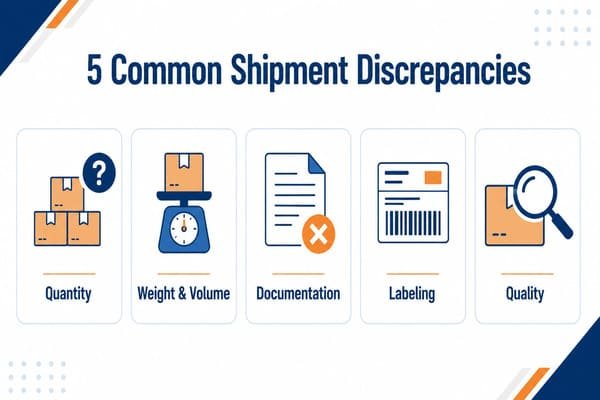
Understanding where discrepancies come from is the first step to avoiding them. Here are the most frequent issues importers face:
1. Quantity Discrepancy
The number of cartons or units received doesn't match the packing list. This often happens when multiple suppliers deliver goods to a warehouse at different times, and no one verifies the actual count against the purchase order.
2. Weight and Volume Discrepancy
Suppliers frequently provide estimated weights and dimensions rather than actual measurements. When the consolidated cargo is weighed at the port, the difference can lead to:
- Unexpected freight surcharges
- VGM (Verified Gross Mass)1 compliance issues under the SOLAS convention
- Customs red flags due to declared vs. actual mismatch
3. Documentation Discrepancy
With multiple suppliers involved, paperwork errors multiply. Common examples include:
- HS codes2 that don't match the actual products
- Inconsistent product descriptions across invoices and packing lists
- Missing or conflicting certificates (CE, FDA, MSDS, etc.)
- Currency or value mismatches between the commercial invoice and customs declaration
4. Labeling and Marking Discrepancy
Cartons from different suppliers may use different labeling standards. Missing shipping marks or duplicated carton numbers make it nearly impossible to identify which goods belong to which order — especially problematic for Amazon FBA shipments3, which must follow strict labeling requirements.
5. Quality and Product Discrepancy
Sometimes the goods themselves are wrong — incorrect models, colors, or specifications. Once cargo is sealed inside a consolidated container, discovering this at the destination means it's already too late to fix cheaply.
Practical Solutions to Eliminate Consolidation Discrepancies
The good news: nearly all discrepancies are preventable with the right processes in place.
Centralize All Cargo in One Warehouse Before Loading
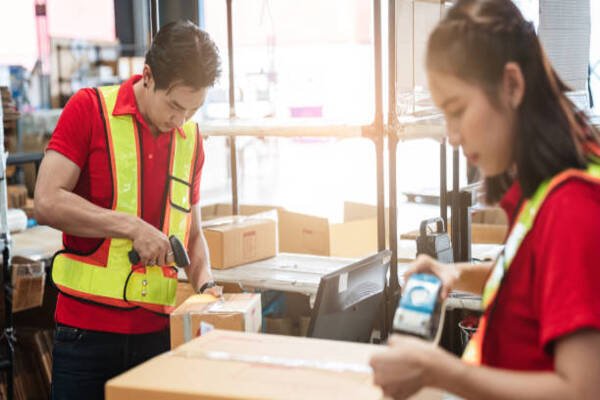
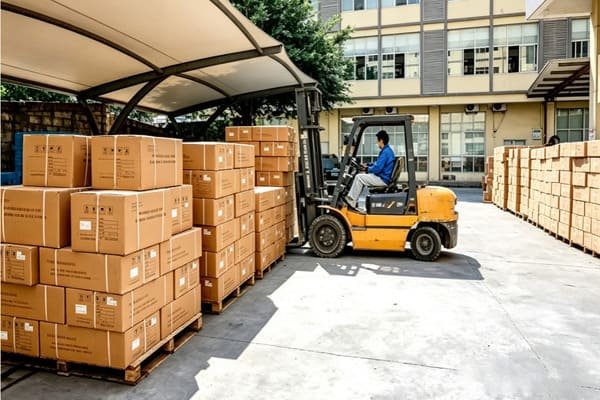
Never allow suppliers to deliver directly to the port. Route everything through a single consolidation warehouse where staff can:
- Count cartons against each supplier's packing list
- Weigh and measure every shipment with calibrated equipment
- Photograph cargo condition upon arrival
Standardize Documentation Across All Suppliers
Create a documentation template and require every supplier to follow it:
- Unified product description format
- Verified HS codes (checked by your forwarder, not just the supplier)
- Consistent currency and Incoterms4 on all invoices
- One master packing list that reconciles all individual lists
Implement a Pre-Loading Inspection
A quick inspection before the container is sealed catches 90% of problems:
- Open sample cartons to verify contents match the PO
- Confirm labeling and shipping marks are correct
- Check that fragile or heavy items are positioned properly for loading
Use Digital Tracking and Real-Time Reporting
Work with a consolidator who provides:
- Warehouse receiving reports with photos
- Real-time inventory dashboards
- Discrepancy alerts before loading, not after arrival
Assign a Single Point of Responsibility
When multiple suppliers, forwarders, and agents are involved, accountability gets blurry. Designate one party — ideally your consolidation agent in China — to own the entire verification process from receiving to loading.
Why China Local Consolidation Is More Reliable Than Third-Party Transshipment
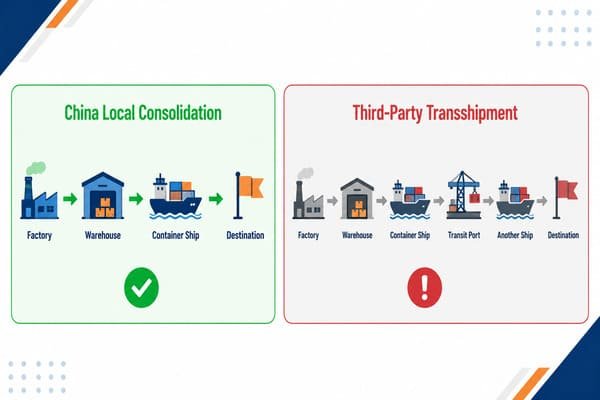
Some importers consolidate cargo through third-party hubs like Hong Kong, Singapore, or Dubai. While transshipment has its use cases, consolidating directly in China offers significant advantages in accuracy and control.
Fewer Handling Points, Fewer Errors
Every time cargo is unloaded, transferred, and reloaded, the risk of loss, damage, and miscounting increases. China local consolidation means:
- Goods travel directly from supplier → consolidation warehouse → port
- One receiving check, one loading check — no intermediate handovers
- The container is sealed once and opened only at the destination
Problems Get Fixed at the Source
If a discrepancy is found in a Chinese consolidation warehouse, the supplier is often just a few hours away. Wrong items can be exchanged, missing quantities replenished, and labels reprinted — all before the vessel departs. In a third-party transshipment hub, fixing any issue means costly international returns or simply accepting the loss.
Complete and Consistent Documentation
Chinese consolidators work directly with your suppliers and can verify export documents against the physical goods in real time. In transshipment scenarios, documents pass through multiple parties in different jurisdictions, and each handoff is an opportunity for information to be lost or altered. Errors here can also affect your import clearance — see the U.S. CBP guidelines on customs entry documentation5 for what customs authorities expect.
Lower Cost and Faster Transit
Third-party transshipment adds:
- Extra port handling charges
- Additional customs procedures at the transit hub
- 5–10 days of extra transit time on average
China local consolidation eliminates these layers entirely, giving you a cleaner cost structure and a more predictable delivery schedule.
Better Communication and Supervision
A China-based consolidation team speaks the same language as your suppliers, understands local export regulations, and can physically visit factories when problems arise. This on-the-ground presence is something a distant transshipment hub simply cannot replicate.
Conclusion
Discrepancies in consolidated shipments are rarely caused by bad luck — they're caused by fragmented processes, unverified data, and too many handling points. By centralizing your cargo in one warehouse, standardizing documentation, inspecting before loading, and choosing China local consolidation over third-party transshipment, you can dramatically reduce errors and keep your supply chain running smoothly.
If you're consolidating shipments from multiple Chinese suppliers, partnering with an experienced local consolidation agent is the single most effective investment you can make in shipment accuracy.
If you have any questions regarding the centralized transportation of goods from China, please contact our team for consultation.
References
International Maritime Organization (IMO), *Verification of the Gross Mass (VGM) under SOLAS*. https://www.imo.org/en/OurWork/Safety/Pages/Verification-of-the-gross-mass.aspx ↩
World Customs Organization (WCO), *What is the Harmonized System (HS)?* https://www.wcoomd.org/en/topics/nomenclature/overview/what-is-the-harmonized-system.aspx ↩
Amazon Seller Central, *FBA Shipment Labeling Requirements*. https://sellercentral.amazon.com/help/hub/reference/external/G201030550 ↩
International Chamber of Commerce (ICC), *Incoterms® Rules*. https://iccwbo.org/business-solutions/incoterms-rules/ ↩
U.S. Customs and Border Protection (CBP), *Basic Importing and Exporting*. https://www.cbp.gov/trade/basic-import-export ↩