

Worried about losing money to shipping scams? These cons are getting smarter and can disrupt your entire supply chain. Learn their tricks and how to protect your business.
To avoid shipping scams, always verify a forwarder's credentials, be skeptical of unusually low prices, and keep detailed communication records. Using secure payment methods and choosing an established, transparent partner is your best defense against fraud and financial loss.

These basic steps are a great start for any shipper. But to really protect your cargo and your bottom line, you need to understand exactly how these scammers operate. Their methods are constantly evolving, but their goals are always the same: to take your money or your goods. Let's dive into the specific tricks they use so you can spot them before it's too late.
Fake forwarders use “low prices” as bait – how do five common shipping scams actually work?
That super-low shipping quote looks amazing, doesn't it? But it could be a trap that costs you thousands in hidden fees, delays, or even lost cargo. Let's uncover how these scams work.
Scammers use low quotes to hook you. Then they hit you with fake "customs fees," hold your cargo hostage for more money, or simply disappear after you pay. They also use bait-and-switch tactics, changing the price after you've already committed to the shipment.

These low-price tactics prey on our natural desire for a good deal. I’ve seen it happen many times. A client comes to us after a terrible experience, and it almost always starts with a quote that was too good to be true. Scammers know that for many businesses, especially smaller ones, logistics costs are a major concern1. They exploit this by presenting an offer that seems to solve all your budget problems. Once you're on the hook, they reveal the true cost of the "deal."
Here are the most common ways they turn a low price into your financial nightmare:
Common Low-Price Scam Tactics
| Scam Type | How It Works | Red Flag |
|---|---|---|
| Bait-and-Switch2 | They offer a fantastic rate, but once your cargo is in their possession, the final invoice is inflated with "unforeseen" costs like fuel surcharges or port fees. | The initial quote is significantly lower than all competitors. |
| Hostage Cargo | After picking up your goods, they demand additional, exorbitant payments to release them. They know you're on a deadline and will pay to avoid bigger losses. | The forwarder becomes aggressive and hard to contact after getting your cargo. |
| The Disappearing Act | This is the simplest scam. You pay a deposit or the full amount upfront for the "great rate," and the "forwarder" vanishes completely. Their website and phone numbers go dead. | They demand full payment upfront, especially via wire transfer or other non-reversible methods. |
| Hidden Fee Trap | The final bill is filled with vague, undefined charges. These can include "documentation handling," "terminal administration," or "special equipment fees" that were never discussed. | The quote lacks a detailed breakdown of all potential charges. |
Understanding these tricks is the first step toward protecting yourself. Always remember that in logistics, a stable, predictable price is far more valuable than a low one that's full of surprises.
What new scams are behind the 2026 forwarder collapses: phishing emails, fake customs clearance, and dual identities?
You think you're safe because you're working with a known forwarder. But scammers are now impersonating legitimate companies with sophisticated tricks. Learn about the new threats to watch out for.
Modern scams involve phishing emails that look real3, asking for payment to a new bank account. Scammers also create fake customs websites4 to demand fake duties or use a dual identity—one legitimate, one fraudulent—to confuse and defraud clients.
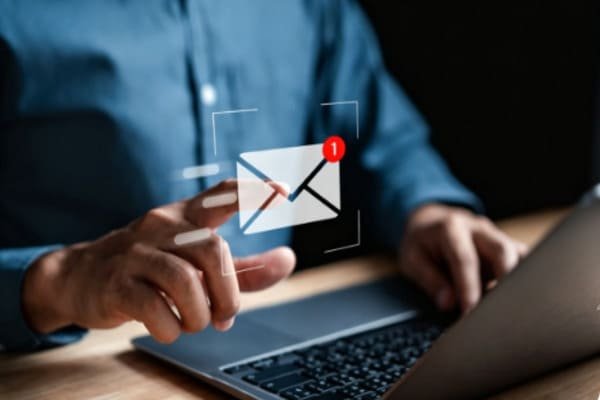
The game has changed. Scammers are no longer just lone operators with a fake website. They are organized and use technology to appear incredibly convincing. I had a long-term client, a business owner named David in Germany, who almost fell for one of these. He received an email from what looked like our accounts department, claiming our bank details had changed. The email signature, logo, and tone were perfect. Luckily, he was cautious and called me directly to confirm. He saved his company thousands of dollars with that one phone call. These new scams are designed to bypass your normal sense of security.
Today's Sophisticated Scams
-
Advanced Phishing and Invoice Fraud5 Scammers will monitor your communications or find information online about your shipments. They then craft highly personalized emails that look like they're from your actual freight forwarder. The most common tactic is the "bank account change6" email, sent right when a large payment is due. They create a sense of urgency, hoping you'll make the transfer without double-checking.
-
Fake Customs and Port Portals This is a particularly clever trick. You'll receive an email with a link, supposedly from a customs authority or port operator, stating your container is on hold pending a duty or fee payment. The link leads to a professionally designed website that perfectly mimics the real thing. You enter your payment details, and the money goes directly to the scammer.
-
The Dual Identity Tactic A fraudulent company will register a name that is almost identical to a well-known, legitimate forwarder7—perhaps adding an extra word or changing one letter. They build a fake history and may even handle a few small shipments correctly to gain your trust. Then, once you entrust them with a high-value shipment, they disappear with the cargo or the payment. Always check that the company name, address, and bank details match the official records of the forwarder you intend to work with.
From checking credentials to keeping records – what are four practical defenses to identify a legitimate freight forwarder?
Feeling overwhelmed by all these potential scams? It’s easy to feel powerless against these criminals. But you can fight back with four simple, effective checks.
To verify a forwarder, check their business registration and licenses online. Look for independent reviews and a professional website. Insist on a detailed, written contract, and always keep a complete record of all communications and payments8.
After more than 20 years in this industry, I can tell you that diligence is your best defense. Taking an extra 30 minutes to vet a potential partner is nothing compared to the months of headaches and financial loss a scam can cause. These defensive steps aren't complicated, but they are incredibly effective at filtering out the fraudsters from the legitimate professionals. Think of it as a simple quality control process for your logistics partners. It's about creating a system of checks and balances that protects your business from risk.
Here are four practical steps you should take before committing to any freight forwarder:
Four Key Defenses Against Scams
| Defense Strategy | Actionable Steps | Why It Works |
|---|---|---|
| 1. Verify Credentials | Ask for their business registration number, tax ID, and any industry licenses (like FMC9 in the US). Check these numbers on official government or industry association websites. For instance, we at Deeplinker are proud members of associations like GFWE, and our credentials are easy to verify. | Scammers rarely have legitimate, verifiable credentials. This simple check weeds out most fakes immediately. |
| 2. Scrutinize Online Presence | Look for a professional website with a physical address, a landline phone number, and consistent branding. Search for the company name and look for independent reviews on Google, LinkedIn, or industry forums. Be wary of companies with only a mobile number and a generic email address. | Legitimate companies invest in their online presence and have a public track record. Scammers create cheap, temporary sites. |
| 3. Demand a Detailed Contract | A legitimate forwarder will provide a clear contract or service agreement. It should detail all services, rates, potential surcharges, liability terms (INCOTERMS10), and insurance coverage. Do not proceed if they are hesitant to put everything in writing. | A contract provides legal protection and clarifies all responsibilities. Scammers avoid binding agreements. |
| 4. Maintain Meticulous Records | Keep a complete file of all communications: emails, quotes, invoices, and payment confirmations. When making payments, double-check that the bank account details match what's on the official contract. Call your known contact to verify any changes. | This creates a paper trail that is invaluable in case of a dispute or if you need to prove fraud to your bank or authorities. |
Conclusion
Avoiding shipping scams comes down to diligence. Verify partners, question low prices, and keep good records. Or, simply choose a trusted, transparent forwarder and ship with total peace of mind-and Deeplinker is exactly the logistics partner you won’t need to second‑guess.
Logistics costs and trade competitiveness — World Bank research on how logistics expenses affect businesses, especially SMEs — *World Bank Open Knowledge Repository*: https://openknowledge.worldbank.org/entities/publication/121bbfe8-e988-51c3-8b96-0e6126c9593d ↩
Bait-and-switch — a deceptive sales tactic where an advertised low price is switched for a higher-cost alternative — *Wikipedia*: https://en.wikipedia.org/wiki/Bait-and-switch ↩
Business Email Compromise (BEC) — FBI overview of email-based fraud targeting companies with fake payment requests — *Federal Bureau of Investigation (FBI)*: https://www.fbi.gov/news/stories/business-e-mail-compromise ↩
Beware of Fraudulent Customs Payment Demands — official CBP guidance on scams impersonating customs authorities — *U.S. Customs and Border Protection (CBP)*: https://www.help.cbp.gov/s/article/Article-1472?language=en_US ↩
Phishing — fraudulent attempts to obtain sensitive data or payments by impersonating a trusted entity — *Wikipedia*: https://en.wikipedia.org/wiki/Phishing ↩
Public Service Announcement on Business Email Compromise and bank account change fraud — *FBI Internet Crime Complaint Center (IC3)*: https://www.ic3.gov/PSA/2024/PSA240911 ↩
Business Impersonator Scams — FTC consumer guidance on fraudsters posing as legitimate companies — *U.S. Federal Trade Commission (FTC)*: https://consumer.ftc.gov/features/pass-it-on/impersonator-scams/business-impersonator-scams ↩
Report Fraud — official FTC portal for reporting scams and maintaining a fraud record — *U.S. Federal Trade Commission (FTC)*: https://reportfraud.ftc.gov/ ↩
Federal Maritime Commission (FMC) — the U.S. agency that licenses and regulates ocean freight forwarders and NVOCCs — *Wikipedia*: https://en.wikipedia.org/wiki/Federal_Maritime_Commission ↩
Incoterms — internationally recognized trade terms defining buyer/seller responsibilities and liability in shipping — *Wikipedia*: https://en.wikipedia.org/wiki/Incoterms ↩