
Your shipment is stuck, and every day costs you money. You need to understand why this is happening and how to stop it before your next container leaves the port.
A 9H hold from U.S. Customs is not about your cargo; it’s about you, the importer. It is triggered when Customs has doubts about the importer's identity or compliance, often due to issues with the consignee's information, an invalid customs bond, or inconsistent shipping documents.
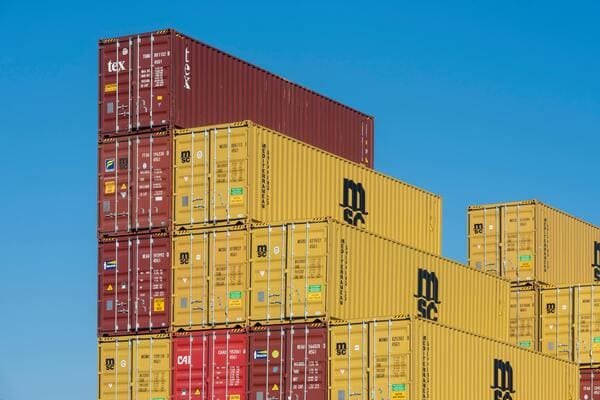
Navigating U.S. Customs can feel like a maze, especially with all the different codes and holds. A simple mistake in your paperwork can lead to a hold, tying up your goods for days or even weeks.1 Understanding the specific type of hold is the first step to getting your shipment released. It helps you focus your efforts on the right problem, so you can get back to business faster. Let's break down the most common holds to see how they differ.
9H vs. 5H: One Validates the Importer, the Other Examines the Cargo?
You see a hold on your shipment, but what does it mean? Confusing a 9H with a 5H hold can lead you down the wrong path, wasting precious time.
The difference is simple but critical. A 9H hold focuses on verifying the importer's identity and legitimacy. A 5H hold means U.S. Customs wants to physically inspect the actual goods inside your container.2 One is about paperwork; the other is about product.

Let's dive deeper into this. Think of it this way: a 9H hold is Customs asking, "Who are you, and are you authorized to import?" They are looking at your company details, your business registration, and your customs bond. The cargo itself is not the primary concern. The resolution involves providing documents that prove your identity and compliance as a legitimate importer.
A 5H hold is completely different. Here, Customs is asking, "What is in this box, and does it match the paperwork?" This triggers a physical examination, which could be anything from a simple X-ray scan to a full "devanning," where they unload the entire container3. This is about the cargo's safety, classification, and declared value. The table below makes the distinction clear.
| Feature | 9H Hold | 5H Hold |
|---|---|---|
| Primary Focus | Importer Validation (The "Who") | Cargo Examination (The "What") |
| Common Triggers | Invalid bond, new importer, address issues | Suspicious commodity, incorrect HTS code, IP rights |
| Resolution | Submit documents to verify importer identity | Wait for physical inspection to complete |
| Typical Delay | 1-7 days (if documents are ready) | 7-30+ days (depending on exam type) |
Understanding this difference is everything. If you have a 9H hold, preparing your business documents is the priority. If you have a 5H hold, you must wait for Customs to complete their inspection.
How 9H Enforces: Which Operational Links Trigger a Hold?
Your shipment just got a 9H hold, and you have no idea why. This unexpected delay is frustrating and costly, leaving you wondering what part of your process failed.
A 9H hold is most often triggered by three key issues: a non-compliant consignee, an invalid or insufficient customs bond, or inconsistencies across your shipping documents. Customs' automated systems flag these discrepancies as potential risks4, stopping your shipment for verification.
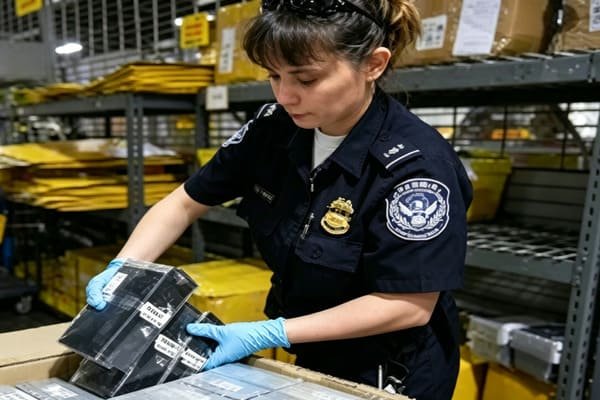
To prevent these holds, you need to know exactly where the weak points are in your logistics chain. From my experience, the problems almost always start long before the ship arrives in the U.S. It's about getting the foundation right. Let's break down the specific triggers.
Consignee & Importer of Record (IOR) Issues
This is the number one cause I see. U.S. Customs needs to verify that the entity receiving the goods is a legitimate, active business.5 A hold can be triggered if you are a brand-new importer, if your business address is a P.O. Box or a residential address they can't verify, or if your Employer Identification Number (EIN) is inactive6. I remember a new Amazon seller we worked with whose shipment was held because their registered business address was a mail forwarding service. We had to quickly provide utility bills and lease agreements to prove they had a physical presence, which resolved the hold.
Customs Bond Problems
Your customs bond is your financial guarantee to the government that you will pay all duties, taxes, and fees.7 A 9H hold will be placed if your bond is invalid for any reason. This includes the bond value being too low for the value of your goods, the bond being expired, or using a single-entry bond when a continuous bond is required for your shipping frequency. We always check a client's bond status before we even book a shipment to make sure it's active and sufficient.
Documentation Mismatches
Consistency is king. The Importer Security Filing (ISF)8, Bill of Lading (B/L), and Commercial Invoice must all tell the exact same story. Any tiny difference in the spelling of the company name, the address, or even the zip code can trigger an automated flag. Customs systems cross-reference these documents, and a mismatch suggests something is wrong. This is where meticulous attention to detail prevents a huge headache.
How Can a Freight Forwarder Help? From Pre-Screen to Close?
Trying to fix a 9H hold on your own is stressful and confusing. You risk submitting the wrong information or missing deadlines, making the delay and costs even worse.
A professional freight forwarder acts as your compliance partner. We prevent holds by pre-screening your company details, verifying your bond, and standardizing documents before shipping. If a hold occurs, we manage the entire resolution process, getting your cargo moving quickly.
The best way to deal with a 9H hold is to prevent it from ever happening. This is where a partnership with an experienced forwarder like DeepLinker becomes invaluable. Our work isn't just about moving boxes; it's about managing risk and ensuring a smooth path through complex customs regulations. We handle the entire process, from preparing your shipment at the origin to closing out any issues at the destination.
Proactive Prevention (Pre-Screening)
This is where we add the most value. Before your container is even loaded, we conduct a full review of the importer of record. We verify your EIN, check that your business address is commercially valid, and confirm your customs bond is active and sufficient. I had a client, a wholesaler, who was unaware their continuous bond had expired. We caught it during our pre-screening, helped them renew it, and avoided a guaranteed 9H hold that would have cost them thousands in port fees.
Meticulous Document Review
We act as a second set of expert eyes. Our team scrutinizes the ISF, B/L, and commercial invoice, line by line. We are trained to spot the small inconsistencies that importers often overlook—a typo in a name, a slight variation in an address, or a mismatched piece count. By harmonizing these documents before they are submitted to Customs, we eliminate the primary trigger for automated holds.
Rapid Response & Resolution (Closing the Hold)
Even with perfect preparation, holds can sometimes happen. When they do, we take immediate action. We have direct lines of communication with customs brokers9 and CBP officials. We know exactly what paperwork they need to see to "close" the 9H hold and release the cargo. We handle the submissions and follow-ups, so you don't have to navigate the bureaucracy. Our goal is to resolve the hold in hours, not days.
Conclusion
Ultimately, 9H holds are about importer validation, not cargo inspection. The best defense is proactive compliance and partnering with a freight forwarder who can guide you through every step.
Cargo Release Condition (Error) Codes — official CBP guidance on hold and error codes applied to shipments — *U.S. Customs and Border Protection (CBP)*: https://www.cbp.gov/document/guidance/cargo-release-condition-error-codes ↩
ACE Appendix D — Disposition Codes (March 2025) — official reference listing customs hold and disposition codes, including examination holds — *U.S. Customs and Border Protection (CBP)*: https://www.cbp.gov/sites/default/files/2025-03/ACE%20Appendix%20D%20Disposition%20Codes_March_2025_508_0.pdf ↩
Non-Intrusive Inspection (NII) Factsheet — explains X-ray scanning and physical cargo examination methods used by Customs — *U.S. Customs and Border Protection (CBP)*: https://www.cbp.gov/document/fact-sheets/non-intrusive-inspection-nii-factsheet ↩
Automated Systems (ACE) — overview of CBP's automated risk-assessment and trade processing systems that flag discrepancies — *U.S. Customs and Border Protection (CBP)*: https://www.cbp.gov/trade/automated ↩
Importer of Record / EIN verification — official CBP guidance on importer identification requirements — *U.S. Customs and Border Protection (CBP)*: https://www.help.cbp.gov/s/article/Article-1066 ↩
Employer Identification Number (EIN) and importer number requirements — CBP article on active importer identification numbers — *U.S. Customs and Border Protection (CBP)*: https://www.help.cbp.gov/s/article/Article-1066 ↩
Customs bond — a financial guarantee ensuring payment of import duties, taxes, and fees to the government — *Wikipedia*: https://en.wikipedia.org/wiki/Customs_bond ↩
Importer Security Filing (ISF / "10+2") — the advance data filing required from importers before ocean cargo arrives in the U.S. — *Wikipedia*: https://en.wikipedia.org/wiki/Importer_Security_Filing ↩
Customs broker — licensed professionals who assist importers in clearing goods through customs — *Wikipedia*: https://en.wikipedia.org/wiki/Customs_broker ↩