
Tea is one of the world's most beloved beverages, and China, the birthplace of tea1, produces some of the finest and most sought-after varieties on the planet. Importing directly can boost your margins and quality, but it also raises one big question for U.S. buyers.
The safest, fastest way to ship tea from China to the USA is to match the right transport mode to your volume, protect the leaves with moisture-proof packaging, and prepare accurate FDA documents before the goods ever leave port.
That's the short answer, but there's more to it. Tea is a delicate, aroma-sensitive product, and shipping it the wrong way can leave you with damp, moldy, or flavor-tainted leaves. In this guide, we'll walk you through where China's best teas come from, the smartest shipping routes and ports, and the packaging and customs details that keep your tea fresh and fully compliant.
Where Does China's Best Tea Come From?
New to sourcing tea in China? The country's tea map is huge, and knowing your regions helps you buy better and ship smarter.
China's finest teas come from a handful of key provinces, each famous for a specific style2, and the origin of your tea often determines the closest and most cost-effective export port.

Here are the most renowned tea-producing regions in China:
| Region / Province | Famous Teas | Known For |
|---|---|---|
| Fujian | Tie Guan Yin (Oolong), White Tea, Lapsang Souchong | Regarded as China's tea heartland |
| Zhejiang | Longjing (Dragon Well) Green Tea | Premium, delicate green teas |
| Yunnan | Pu-erh, Dian Hong (Black Tea) | Fermented and aged teas |
| Anhui | Keemun Black Tea, Huangshan Maofeng | Aromatic black and green teas |
| Guangdong | Phoenix Dan Cong Oolong | Fragrant, high-altitude oolongs |
Understanding these regions matters because origin affects your inland transport costs and overall lead time. This is also where our 15 years in the business really pays off. We recently had a U.S. client who wanted authentic Longjing green tea but kept receiving lower-grade blends from online marketplaces. Our team in China connected him directly with a verified Zhejiang producer, handled the purchasing on his behalf, and shipped everything under one roof. He got the real product at a better price, without ever booking a flight to China.
Best Shipping Methods from China to the USA
Choosing between speed and cost is a constant struggle. Air is fast but pricey, sea is cheap but slow, so which one is right for your tea?
For most tea shipments, ocean freight offers the best value for large volumes, while air freight is ideal for samples and premium, time-sensitive batches3.
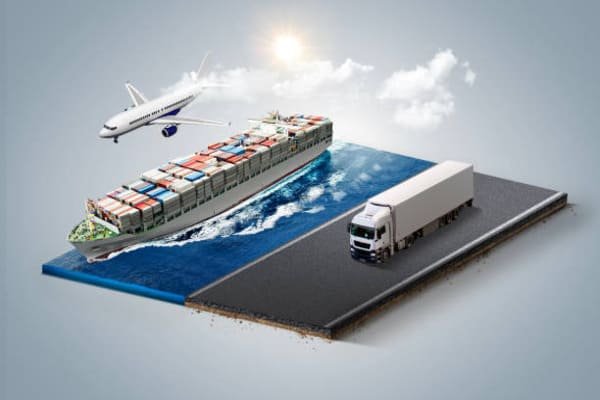
Here's how the main options compare:
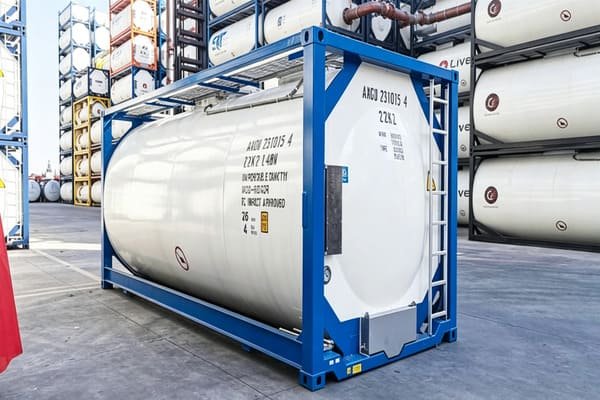
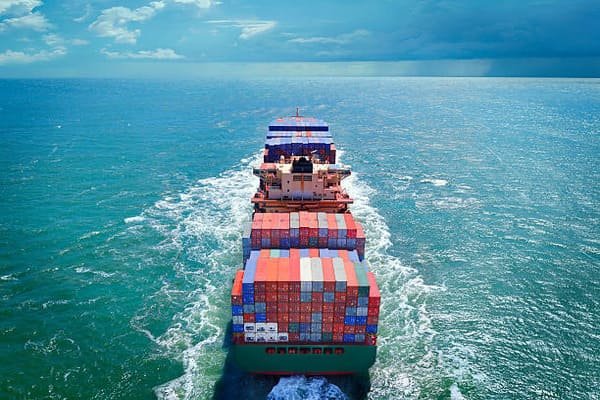
- Ocean Freight — Best for Large Volumes. For bulk orders, sea freight is the most cost-effective choice. Choose FCL (Full Container Load) to keep your tea in its own sealed container, or LCL (Less than Container Load) to share space and pay only for the volume you use. Transit time runs roughly 18 to 35 days.
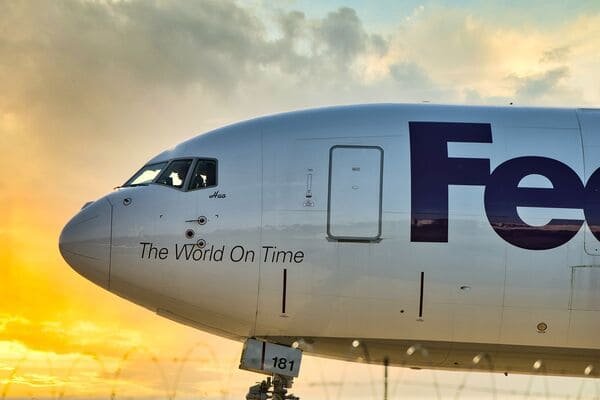
- Air Freight — Best for Speed and Samples. Delivers in 5 to 8 days. It costs more per kilogram but is ideal for samples, seasonal launches, or premium teas where freshness is critical.
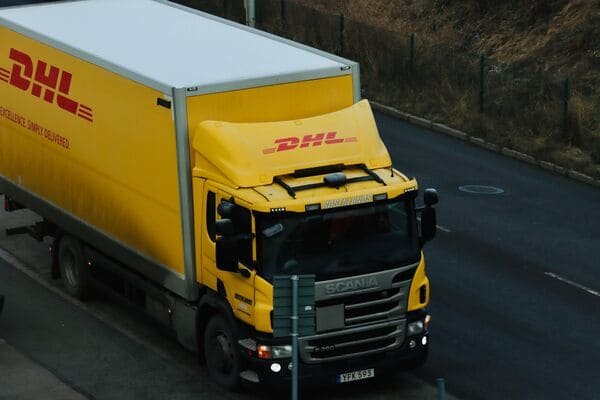
- Express Courier — Best for Small Parcels. Door-to-door delivery in 4 to 7 days, perfect for direct-to-customer e-commerce orders.
Choosing the right port is just as important as choosing the method. Here are the key options on both ends:
| China Export Ports | Port Code | U.S. Destination Ports | Port Code |
|---|---|---|---|
| Shanghai | CNSHA | Los Angeles / Long Beach | USLAX / USLGB |
| Ningbo-Zhoushan | CNNGB | New York / New Jersey | USNYC |
| Xiamen | CNXMN | Seattle-Tacoma | USSEA |
| Shenzhen | CNSZX | Oakland | USOAK |
A quick example of why this matters: one of our clients was routinely shipping Fujian oolong out of Shanghai, adding days of inland trucking and extra cost. By switching the departure port to Xiamen, right next to the tea region, and using our land partners for the short haul to port, we cut both his lead time and his freight bill. With sea, air, and land partners in place, we map out the smoothest route, not just the most obvious one.
Getting Your Tea Ready: Packaging and Customs Requirements
Even the best tea can arrive ruined or stuck at the border if you skip the prep work. Two things decide whether your shipment clears smoothly: how it's packed, and how it's documented.
Safe, compliant tea imports depend on food-grade, odor-sealed packaging and complete FDA paperwork prepared before the goods ever leave China.
Packaging Your Tea for a Safe Journey
Tea readily absorbs moisture and surrounding odors, so how you pack it can make or break the entire shipment. Keep these best practices in mind:
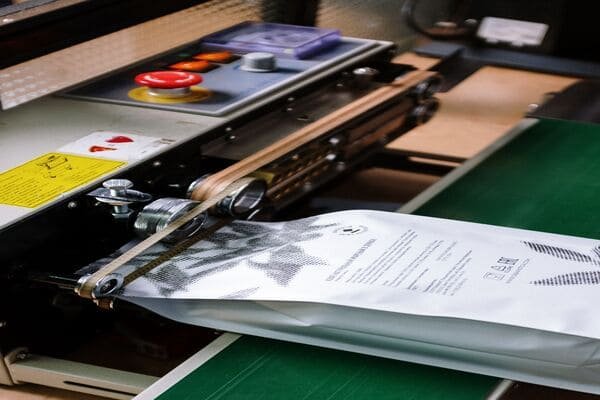
- Use food-grade, moisture-proof packaging. Vacuum-sealed foil bags or aluminized inner liners work best for preserving aroma.
- Add desiccant packs to absorb residual humidity during long ocean transits.
- Avoid mixing tea with strong-smelling cargo in LCL shipments, since tea easily absorbs surrounding odors.
- Use sturdy, ventilated outer cartons and palletize FCL shipments to prevent crushing.
- Label clearly with product name, net weight, origin, and batch information.
We learned how much this matters from a client who once shipped premium white tea in a shared container next to a consignment of scented soap. The tea arrived perfectly dry, but it had picked up a faint perfume smell and was unsellable. Since then, we always screen LCL co-loads for aroma-sensitive cargo like tea and advise clients on inner packaging before the goods are ever sealed.
U.S. Customs and Documentation
Because tea is a food product, importing it into the USA involves an extra layer of regulation that catches many first-time buyers off guard. Make sure you prepare the following:
- Commercial Invoice and Packing List
- Bill of Lading (B/L) or Air Waybill
- FDA Prior Notice (required for all food imports)4
- Correct HS Code (tea generally falls under HS 0902)
- Certificate of Origin (may reduce duties under applicable trade programs)
Keep in mind that tea shipments may be subject to FDA inspection and testing for pesticide residues. Accurate paperwork and correct classification help you avoid costly delays. We once took over a shipment for a first-time importer whose tea had been detained because the FDA Prior Notice was filed incorrectly. Our customs team corrected the filing, communicated with the authorities, and released the cargo within days, exactly the kind of detail our 15 years of experience is built to catch.
Conclusion
Importing tea from China to the USA doesn't have to be complicated. By choosing the right tea region, selecting the best shipping method for your volume and timeline, and paying close attention to packaging and FDA customs requirements, you can ensure your tea arrives fresh, safe, and on time.
The real key is partnering with a freight forwarder who understands both the product and the route. At Deeplinker, we handle every step, from sourcing support and expert packaging advice to smooth customs clearance and door-to-door delivery, so you can focus on growing your tea business with confidence.
References
FAO (Food and Agriculture Organization of the United Nations), *Tea — Markets and Trade*. https://www.fao.org/markets-and-trade/commodities/tea/en ↩
*Longjing Tea*, Wikipedia. https://en.wikipedia.org/wiki/Longjing_tea ↩
UNCTAD (United Nations Conference on Trade and Development), *Review of Maritime Transport 2024*. https://unctad.org/publication/review-maritime-transport-2024 ↩
U.S. Food and Drug Administration (FDA), *Filing Prior Notice of Imported Foods*. https://www.fda.gov/industry/prior-notice-imported-foods/filing-prior-notice-imported-foods ↩