
Struggling with complex smart home device shipments from China? Delays and fines can hurt your business. Let's break down the process to ensure smooth, compliant shipping for your brand.
Shipping smart home devices from China requires classifying them correctly, especially those with lithium batteries. You need proper documentation like an MSDS and UN38.3 report1, and must choose carriers certified for dangerous goods. This ensures compliance and avoids costly customs issues and delays.
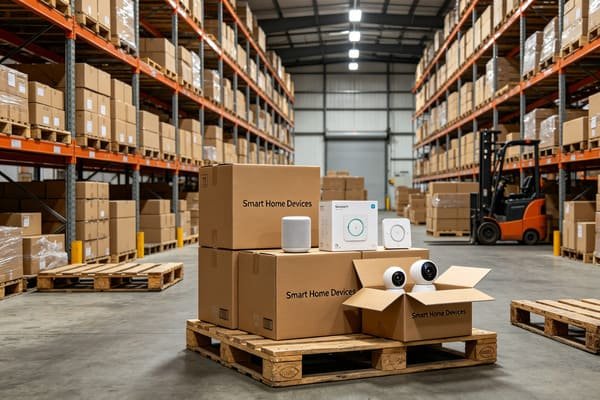
Getting these details right is the difference between a successful product launch and a logistics nightmare. I've seen firsthand how a simple paperwork mistake can sideline an entire container of high-value goods for weeks. But before we get into the solutions and strategies, we first need to understand what we're actually dealing with from a logistics point of view. It's about more than just a label on a box; it's about how global shipping authorities see your product.
What Are Smart Home Devices in Shipping Terms?
Are you confused about how a smart plug is classified for shipping? You're not alone. Many businesses see the product, not the shipping category, which can lead to problems.
In shipping, smart home devices are classified based on their components, not their function. The most critical factor is the presence and type of lithium batteries, which often categorize them as dangerous goods (DG)2. This classification dictates packaging, labeling, and documentation requirements.

When we talk about shipping, the marketing name "smart home device" means very little. Instead, we have to break the product down into its logistical components. I always tell my clients to think like a customs officer or a carrier, not a consumer. They don't care if your device can dim the lights with a voice command; they care about what's inside it. The primary concern is almost always the power source.
The Battery is Everything
The vast majority of smart home devices, from security cameras to smart locks, contain lithium-ion or lithium-metal batteries. In the eyes of international shipping regulators like IATA (for air)3 and IMO (for sea)4, this immediately raises a flag. Lithium batteries are considered a fire risk if not handled, packed, and documented correctly. This moves your product from a simple "general cargo" category into the much more complex world of "dangerous goods."
Common Classifications
To make it clearer, let's break down some common smart home products and how they are viewed in logistics.
| Product Category | Key Shipping Component | Classification | Required Documents |
|---|---|---|---|
| Smart Plugs & Switches | Electronics, no battery | General Cargo | Standard Bill of Lading, Invoice |
| Smart Security Cameras | Lithium-Ion Battery | Dangerous Goods (UN3481)5 | MSDS, UN38.3, DG Declaration |
| Smart Locks | Lithium-Metal Battery | Dangerous Goods (UN3091)6 | MSDS, UN38.3, DG Declaration |
| Smart Sensors (Door/Window) | Small Lithium Coin Cell | DG (Exemptions may apply) | MSDS, UN38.3 often still needed |
As you can see, the battery dictates everything. Understanding this is the first and most critical step. If you misclassify your product, you risk shipment rejection, fines, and serious delays.
What Are the Key Shipping Challenges for Smart Home Devices?
Worried that your shipment will get stuck at customs? The complex regulations for electronics, especially those with batteries, can easily cause delays and unexpected costs if you aren't prepared.
The key challenges are navigating strict lithium battery regulations, which require specific testing and documents (MSDS, UN38.3). Other hurdles include customs compliance, ensuring correct HS codes7, and protecting fragile electronics from damage during transit through proper packaging and handling.

I remember working with a new e-commerce seller from Germany, let's call him David. He was launching a new line of smart security cameras and had a huge promotional campaign planned. He found a supplier in China and arranged a shipment, but he treated it like any other product. The shipment was stopped at the port because the carrier flagged it for not having a dangerous goods declaration. The factory had the UN38.3 test report, but it wasn't provided. This one missing document caused a three-week delay, making him miss his launch date and costing him thousands in lost sales. This story is unfortunately very common.
Diving into the Paperwork
Let's look at the specific documents you absolutely must have for battery-powered devices.
- Material Safety Data Sheet (MSDS)8: This document details the chemical properties of the battery. It tells carriers how to handle the product in case of a leak or fire. Your supplier must provide this.
- UN38.3 Test Report9: This is non-negotiable. It certifies that the batteries have passed a rigorous set of tests designed to ensure they are safe for transport. Without this report, no legitimate carrier will touch your cargo.
- Dangerous Goods (DG) Declaration: This is a formal declaration you or your freight forwarder will fill out, stating exactly what you are shipping, its classification, and confirming it is packed and labeled according to international regulations.
Customs and Compliance
Beyond batteries, you need to ensure your products meet the import regulations of the destination country. This involves having the correct Harmonized System (HS) code10 to classify your product for tariffs and duties. An incorrect HS code can lead to overpaying taxes or, worse, fines for misdeclaration. You also need to check for certification requirements, like CE marking for Europe11 or FCC for the United States12.
What Are the Best Shipping Methods for Smart Home Products?
Trying to decide between air and sea freight for your new smart devices? The best choice depends entirely on your budget, timeline, and order volume, and each has its own rules.
For smart home products, air freight is best for speed and urgent restocks, though it is more expensive and has stricter battery rules. Sea freight is ideal for bulk orders where cost is a priority over speed. Express couriers are good for small batches or samples.
Choosing the right shipping method is a balancing act. There is no single "best" way; the optimal choice is the one that aligns with your business strategy. For a brand owner launching a new product, speed might be the top priority, making air freight the logical choice despite the higher cost. For a wholesaler managing stable inventory levels, the cost savings of sea freight are far more important. I always advise my clients to map out their inventory needs for the next 6-12 months to make a strategic decision, rather than just choosing based on one shipment.
Comparing Your Options
Let's break down the pros and cons of the main shipping methods for a typical shipment of smart home devices from China to the US or Europe.
| Shipping Method | Best For | Typical Transit Time | Cost | Key Consideration |
|---|---|---|---|---|
| Air Freight | Speed-to-market, high-value goods, urgent restocks | 7-12 days | High | Strictest regulations for lithium batteries. Requires IATA-compliant packaging13 and certified handlers. |
| Sea Freight (FCL/LCL) | Large volumes, cost-sensitive products, bulk inventory | 30-45 days | Low | More lenient on battery regulations than air, but still requires proper DG documentation and container placarding. |
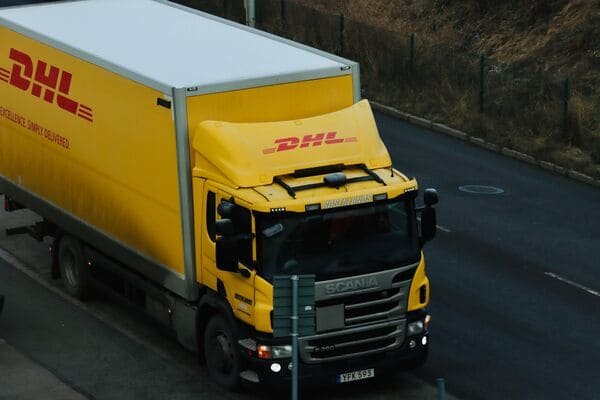
| Express Courier (e.g., DHL, FedEx) | Samples, small orders, direct-to-consumer fulfillment | 5-10 days | Very High | Simplest process for the shipper, as the courier handles most DG paperwork, but is the most expensive per unit. |
A Hybrid Strategy
Many successful sellers I work with use a hybrid approach. They might ship their initial launch inventory and first few restocks by air to capture early market share and test demand. Once sales become predictable, they switch to sea freight for the bulk of their inventory to maximize profit margins. They keep the air freight option open for emergency restocks if they see an unexpected sales spike. This flexible strategy allows them to balance speed and cost effectively.
Conclusion
Shipping smart home devices from China requires planning around battery rules, customs, and picking the right method. Master these points, and you will gain a major market advantage.
"UN Recommendations on the Transport of Dangerous Goods - Manual of Tests and Criteria - UNECE", https://unece.org/transport/dangerous-goods/rev-8-2023. Official UNECE publication containing the UN Manual of Tests and Criteria, whose Section 38.3 defines the safety tests required for lithium batteries in transport. Evidence role: requirement; source type: institution. Supports: Lithium batteries in smart home devices must pass the UN38.3 tests and have a corresponding test report to be shipped internationally. Scope note: The applicable revision and specific documentation depend on the transport mode and enforcing authority. ↩
"Dangerous Goods - International Maritime Organization (IMO)", https://www.imo.org/en/OurWork/Safety/Pages/DangerousGoods-default.aspx. Official IMO guidance on the transport of dangerous goods by sea under the IMDG Code, which classifies lithium batteries as dangerous goods. Evidence role: definition; source type: institution. Supports: Devices containing lithium batteries are classified as dangerous goods, which dictates their packaging, labeling, and documentation. Scope note: Classification and requirements vary by battery type, watt-hour rating, and whether the battery is packed with or contained in equipment. ↩
"Lithium Batteries - IATA", https://www.iata.org/en/programs/cargo/dgr/lithium-batteries/. Official IATA guidance on air transport of lithium batteries under the Dangerous Goods Regulations (DGR), including packaging, marking, and documentation requirements. Evidence role: requirement; source type: institution. Supports: Air shipments of lithium-battery-powered smart home devices are regulated by IATA and treated as dangerous goods. Scope note: IATA DGR is updated annually; specific provisions depend on battery type and packing instructions. ↩
"Dangerous Goods - International Maritime Organization (IMO)", https://www.imo.org/en/OurWork/Safety/Pages/DangerousGoods-default.aspx. Official IMO guidance describing the IMDG Code governing dangerous goods transported by sea, including lithium batteries. Evidence role: requirement; source type: institution. Supports: Ocean shipments of lithium-battery devices are regulated under the IMO's IMDG Code. Scope note: Requirements depend on classification, packaging, and container placarding rules within the IMDG Code. ↩
"UN3481 - Lithium ion batteries contained in / packed with equipment", https://www.labeline.com/un-numbers/un3481. Reference entry describing UN3481, the UN number for lithium-ion batteries packed with or contained in equipment. Evidence role: definition; source type: industry. Supports: Devices with lithium-ion batteries contained in equipment are commonly classified under UN3481 for transport. Scope note: The precise UN number (e.g., UN3480 vs. UN3481) depends on whether batteries are shipped alone, packed with, or contained in equipment. ↩
"UN3091 - Lithium metal batteries contained in / packed with equipment", https://www.labeline.com/un-numbers/un3091. Reference entry describing UN3091, the UN number for lithium-metal batteries packed with or contained in equipment. Evidence role: definition; source type: industry. Supports: Devices with lithium-metal batteries contained in equipment are commonly classified under UN3091 for transport. Scope note: The applicable UN number (e.g., UN3090 vs. UN3091) depends on how the batteries are shipped relative to the equipment. ↩
"What is the Harmonized System (HS)? - World Customs Organization", https://www.wcoomd.org/en/topics/nomenclature/overview/what-is-the-harmonized-system.aspx. Official WCO explanation of the Harmonized System, the standardized international commodity classification used to determine tariffs and duties. Evidence role: definition; source type: institution. Supports: Products must be assigned a correct HS code, which determines applicable tariffs and duties at customs. Scope note: National tariff schedules extend the HS with additional digits; rates vary by destination country. ↩
"Safety data sheet - Wikipedia", https://en.wikipedia.org/wiki/Safety_data_sheet. Reference overview of the Safety Data Sheet (SDS/MSDS), which documents the chemical properties and hazards of a material for safe handling and transport. Evidence role: definition; source type: reference. Supports: The MSDS documents the battery's chemical properties and safe-handling information required by carriers. Scope note: Under the GHS system the document is now generally termed an SDS, though "MSDS" remains in common industry use. ↩
"UN Manual of Tests and Criteria, Section 38.3 (Lithium batteries) - UNECE", https://unece.org/transport/dangerous-goods/rev-8-2023. The UN Manual of Tests and Criteria Section 38.3 specifies the series of tests lithium batteries must pass before transport. Evidence role: requirement; source type: institution. Supports: The UN38.3 test report certifies that the device's lithium battery has passed mandated transport safety tests and is required by carriers. Scope note: Testing obligations and acceptable documentation may vary by transport mode and destination enforcement. ↩
"What is the Harmonized System (HS)? - World Customs Organization", https://www.wcoomd.org/en/topics/nomenclature/overview/what-is-the-harmonized-system.aspx. Official WCO explanation of the Harmonized System used to classify goods for customs, tariffs, and duties. Evidence role: mechanism; source type: institution. Supports: Using the correct HS code is essential to avoid overpaying duties or facing fines for misdeclaration. Scope note: Duty rates and enforcement depend on the destination country's tariff schedule and customs practices. ↩
"CE marking - European Commission", https://single-market-economy.ec.europa.eu/single-market/ce-marking_en. Official European Commission guidance on CE marking, which indicates a product conforms with EU health, safety, and environmental requirements. Evidence role: requirement; source type: government. Supports: Electronic products sold in the EU generally require CE marking to demonstrate regulatory conformity. Scope note: Applicable directives and conformity procedures depend on the specific product category. ↩
"Equipment Authorization - RF Devices - FCC", https://www.fcc.gov/oet/ea/rfdevice. Official FCC guidance on equipment authorization requirements for radio-frequency devices marketed or imported into the United States. Evidence role: requirement; source type: government. Supports: Electronic and wireless devices imported into the U.S. generally require FCC equipment authorization or compliance. Scope note: The specific authorization path (e.g., certification, SDoC) depends on the device type and its RF characteristics. ↩
"Lithium Batteries - IATA", https://www.iata.org/en/programs/cargo/dgr/lithium-batteries/. Official IATA guidance specifying packaging, marking, and handling requirements for lithium batteries transported by air under the DGR. Evidence role: requirement; source type: institution. Supports: Air freight of lithium-battery devices requires IATA-compliant packaging and certified dangerous-goods handling. Scope note: Requirements are updated annually and depend on battery type, quantity, and packing instruction. ↩