
Shipping a car overseas feels complicated and risky. A single mistake could lead to costly delays or damage. This guide breaks down the process into simple, manageable steps for you.
To ship your car from China to Africa or the Middle East, you must first choose between RORO and container shipping. Next, prepare all necessary export documents. Finally, secure your vehicle properly to prevent damage during transit. These steps ensure a smooth process to the destination port.
Navigating the world of international vehicle shipping can seem daunting. You have a valuable asset that needs to travel thousands of miles across the ocean. You worry about it getting lost, damaged, or stuck in customs. But it doesn't have to be that way. Over my 20 years in logistics, I've helped countless clients just like you move their vehicles safely and efficiently. The key is understanding the process step-by-step. Let's walk through everything you need to know, from picking the right shipping method to making sure your car arrives in perfect condition.
RORO vs Container Shipping: Which Is Better for Your Vehicle Export?
Choosing the wrong shipping method is a common and expensive mistake. It can lead to unexpected costs or even damage to your car. Let's break down the options.
RORO (Roll-On/Roll-Off) is a cost-effective choice where your car is driven onto the ship1, like a ferry. Container shipping offers more protection by securing your car inside a steel container, ideal for high-value or multiple vehicles. Your budget and car type will determine the best fit.
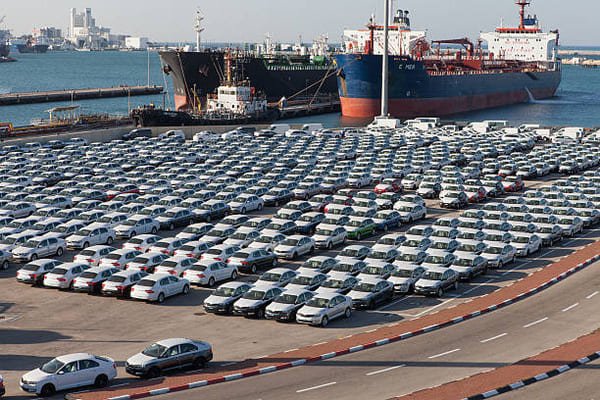
Deciding between RORO and container shipping is the first major choice you'll make. Each method has clear advantages and disadvantages. Your decision should be based on your vehicle's value, your budget, and your specific needs. I've seen clients happy with both, but only because they chose the one that was right for them.
RORO Shipping
RORO is the simplest method. Your car is driven directly onto a specialized vessel and secured to the deck. Think of it as a giant parking garage on the water. It's very popular for standard cars, trucks, and heavy machinery because it's efficient and generally cheaper than container shipping. However, your car is exposed to the elements inside the ship and is more accessible, which means a slightly higher risk of minor scratches or dings. Also, you cannot ship any personal items inside the vehicle.
Container Shipping
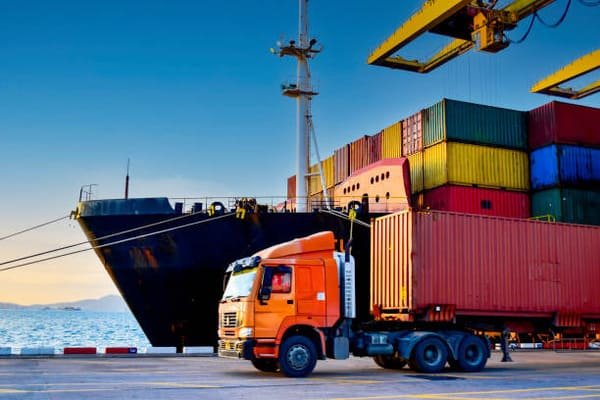
Container shipping provides the highest level of security. Your car is professionally loaded and secured—or "lashed"—inside a 20ft or 40ft steel container.2 This completely protects it from weather and potential damage during handling. It's the preferred method for classic cars, luxury vehicles, or if you're shipping personal belongings along with your car. You can even ship multiple cars in a 40ft container3 to save on costs per unit. The main downside is that it's typically more expensive and requires more specialized handling for loading and unloading.
Here is a simple table to help you compare:
| Feature | RORO Shipping | Container Shipping |
|---|---|---|
| Cost | Generally lower | Generally higher |
| Security | Lower (exposed on deck) | Highest (sealed in a container) |
| Best For | Standard, running vehicles | High-value, non-running, multiple cars |
| Personal Items | Not allowed | Allowed (in the container) |
| Flexibility | Less flexible port options | More flexible port options |
At Deeplinker, we handle both types of shipments every day. We can look at your specific car and destination and give you a clear recommendation on which method will give you the best balance of cost and safety.
What Documents Are Required to Export Cars from China?
Documentation can feel like a bureaucratic nightmare. One small error or a single missing paper can get your car stuck in customs for weeks, racking up storage fees.
You will need a core set of documents: the Bill of Lading, Commercial Invoice, Packing List, and Certificate of Origin4. Crucially, you must also provide the vehicle's title and registration. Always verify the specific import requirements of the destination country in Africa or the Middle East.

Getting the paperwork right is not just important; it's everything. Customs officials are meticulous, and any inconsistency can raise a red flag. I remember a client shipping a vehicle to the UAE. A simple typo in the Vehicle Identification Number (VIN) on one document caused a two-week delay and unnecessary stress.5 We managed to resolve it, but it taught us a valuable lesson about double-checking every single detail. Let's look at the essential documents you'll need.
Key Export Documents
Here’s a breakdown of the primary documents and why they are so important for exporting a car from China.
- Bill of Lading (B/L): This is the most important document in shipping. It acts as a contract between you and the carrier. It's also the receipt for your cargo and the title document needed by the consignee to claim the vehicle at the destination.
- Commercial Invoice: This document details the transaction between the seller and the buyer. It includes information like the car's make, model, year, and value. Customs authorities use this to determine the duties and taxes6 that need to be paid.
- Packing List: While it sounds like it's for boxes, for a vehicle shipment, this list provides specific details about the car. It will include the VIN, engine number, weight, and dimensions.
- Certificate of Origin (CO): This certifies the country where the car was manufactured. It can be crucial for determining eligibility for certain tariffs or trade agreements.
- Vehicle Title and Registration: This is your proof of ownership. You cannot export a car you do not legally own. You will need to present the original title to clear customs.
Beyond these standard documents, many countries in Africa and the Middle East have their own unique requirements. For instance, countries like Kenya or Nigeria may require a Pre-Shipment Inspection (PSI) certificate to verify the car’s condition and value before it leaves China.7 Saudi Arabia has strict conformity standards under SASO8. It is absolutely essential to work with a logistics partner who understands the specific rules of your destination country. At Deeplinker, we manage this entire process, ensuring every form is correct and submitted on time.
How to prevent vehicle damage during ocean freight?
Your car is about to go on a long journey across the ocean. The seas can be rough, and you worry about it arriving with dents, scratches, or worse.
For RORO, ensure your car runs well and has no loose items. For container shipping, professional lashing and blocking are critical to stop movement9. Always disconnect the battery, check for fluid leaks, and take detailed photos before shipping to protect your investment.

Protecting your vehicle is a shared responsibility. While the shipping line takes precautions, the steps you take before it's loaded are just as important. I've seen brand new cars arrive with damage simply because they weren't prepared correctly. A few simple preparations can make all the difference and give you peace of mind. Taking detailed photos and a video of your car's condition from every angle before it's handed over is non-negotiable. This becomes your undeniable proof if you need to make an insurance claim.
Preparation for RORO Shipping
Since your car will be driven on and off the ship, it needs to be in good working order.
- Operational Condition: The car must be able to start, steer, and brake reliably.
- Fuel Level: Keep the gas tank at or below 1/4 full.
- No Personal Items: The carrier will not be responsible for any personal belongings left in the car, so remove everything.
- No Leaks: Check and fix any fluid leaks (oil, coolant, transmission fluid) before shipping.
Preparation for Container Shipping
This method offers more protection, but proper securing is vital.
- Professional Lashing: This is the most important step. The car must be secured inside the container using high-strength straps and wheel chocks to prevent any movement. The wheels are strapped to the container floor, and the body is braced. This should only be done by experienced professionals. We at Deeplinker have specialized teams that do this every day, ensuring your vehicle is completely immobilized, no matter how rough the seas get.
- Disconnect the Battery: Disconnecting the battery prevents it from draining during the long journey and reduces the risk of an electrical fire.
- Marine Insurance: Do not rely on the carrier's basic liability. It is extremely limited and will not cover the full value of your car. Always purchase a separate marine insurance policy.10 It's a small price to pay for complete protection.
By following these steps, you drastically reduce the risk of damage. It’s about controlling what you can control before your car begins its long voyage.
Conclusion
Shipping your car from China involves three key steps: picking the right shipping method, preparing your documents, and protecting your vehicle. A professional partner like Deeplinker ensures every step is handled perfectly.
Roll-on/roll-off — vessels designed to carry wheeled cargo driven on and off via built-in ramps — *Wikipedia*: https://en.wikipedia.org/wiki/Roll-on/roll-off ↩
Intermodal container — the standardized 20ft/40ft steel shipping container used in global freight — *Wikipedia*: https://en.wikipedia.org/wiki/Intermodal_container ↩
Can You Ship 4 Cars in One 40-Foot Container — practical guide on multi-vehicle container loading to reduce per-unit cost — *Air 7 Seas*: https://air7seas.com/blog/can-you-ship-4-cars-in-one-40-foot-container ↩
Common Export Documents — official list of core export documents (Bill of Lading, Commercial Invoice, Packing List, Certificate of Origin) — *U.S. International Trade Administration (trade.gov)*: https://www.trade.gov/common-export-documents ↩
Vehicle Identification Number (VIN) — the unique code used to identify individual motor vehicles — *Wikipedia*: https://en.wikipedia.org/wiki/Vehicle_identification_number ↩
Determining Duties and Taxes on Imports — official guidance on how the commercial invoice value is used for customs assessment — *U.S. Customs and Border Protection (CBP)*: https://www.help.cbp.gov/s/article/Article-1162?language=en_US ↩
Pre-shipment inspection (PSI) — verification of cargo quality, quantity, and value before shipment, required by some importing countries — *Wikipedia*: https://en.wikipedia.org/wiki/Pre-shipment_inspection ↩
Saudi Arabia Requirements to Certify Imports — overview of SASO conformity standards for importing goods — *U.S. International Trade Administration (trade.gov)*: https://www.trade.gov/market-intelligence/saudi-arabia-requirements-certify-imports ↩
CTU Code (Code of Practice for Packing of Cargo Transport Units) — international guidelines on cargo securing, lashing, and blocking — *United Nations Economic Commission for Europe (UNECE)*: https://unece.org/DAM/trans/doc/2014/wp24/CTU_Code_January_2014.pdf ↩
Marine insurance — coverage protecting cargo and hull against loss or damage during ocean transport — *Wikipedia*: https://en.wikipedia.org/wiki/Marine_insurance ↩