
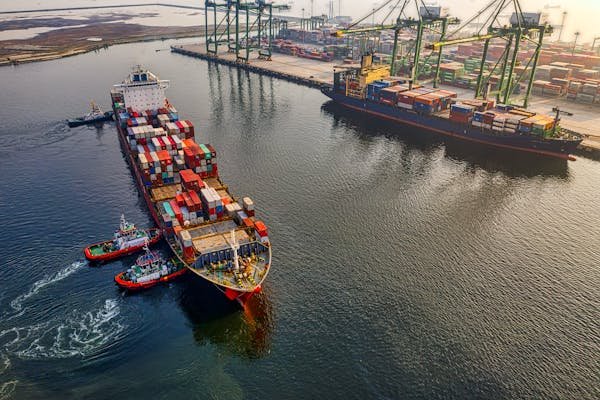
Are you shipping to Europe using IBCs? You might face costly delays and rejections at the port. New regulations are now in effect, and your containers might not be compliant.
To ship to the EU by sea, your Intermediate Bulk Containers (IBCs) must meet the latest standards set by the IMDG Code.1 This involves updated requirements for design, testing, and marking, especially for those carrying dangerous goods. Check your IBC's certification to ensure it's current.
I know that dealing with changing regulations can feel like a constant headache. I once had a client, David from Germany, whose shipment of industrial chemicals was held up for two weeks at Rotterdam. The issue wasn't the product; it was the certification of the IBC it was in. The container was perfectly fine a few months earlier, but a small regulatory update made it illegal for marine transport. This cost him time, money, and a lot of stress. Let’s make sure this doesn't happen to you. We need to look at exactly what these changes are, who they affect, and what you need to do right now to keep your supply chain moving.
Which IBCs & Cargo Are Affected?
You might think these new rules are for someone else. But what if your specific type of cargo is the one being targeted? A surprise compliance issue can stop your shipment cold.
These changes primarily impact metal, rigid plastic, and composite IBCs carrying certain classes of dangerous goods. If you ship chemicals, flammable liquids, or corrosive materials by sea to the EU, you must verify that your containers meet the new, stricter standards.
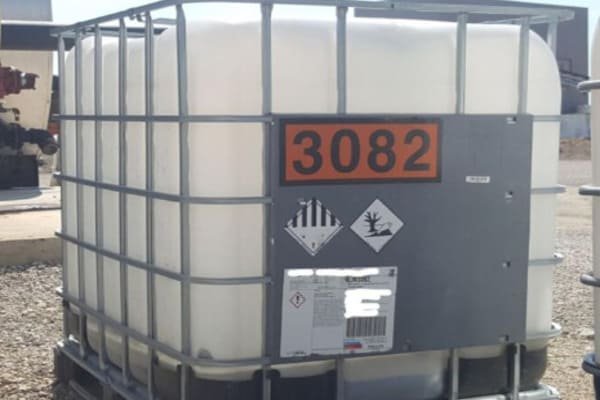
The new regulations are not a blanket change for all IBCs. They are highly specific and target containers and cargo that pose a higher risk during sea transit. The International Maritime Dangerous Goods (IMDG) Code, which governs this, has zeroed in on materials that could cause significant environmental or safety incidents if a leak were to occur.
So, let's break it down further.
Who is under the microscope?
- IBC Types: The focus is mainly on reusable IBCs designed for liquids. This includes the most common types you see every day:
- 31H1: Rigid plastics IBCs
- 31A: Steel IBCs
- 31B: Aluminum IBCs
- Composite IBCs: Those with a plastic inner receptacle and a steel or aluminum outer cage.
- Cargo Classes: The rules are most stringent for certain UN-classified dangerous goods. While the list is long, think about cargo that falls into these categories:
- Class 3: Flammable Liquids (e.g., certain solvents, alcohols)
- Class 6.1: Toxic Substances (e.g., pesticides)
- Class 8: Corrosive Substances (e.g., acids, alkalis)
The goal here is simple: to ensure the container can withstand the immense physical stress of a sea journey—from vibrations and temperature swings to the immense pressure of being stacked in a cargo hold2. If your products fall into these groups, you can no longer assume that an IBC that was compliant last year is still compliant today.
Key Technical Changes for IBCs?
Your containers look tough and have the usual certification marks. So you assume they are ready for shipping. But the technical standards have been raised, making previous tests and marks potentially invalid.
The most important technical updates include more demanding drop, leakproofness, and stacking tests. Additionally, there are stricter rules for the periodic inspection cycle3 and new requirements for the information displayed on the IBC's metal data plate, including the date of manufacture4.

These are not minor tweaks; they represent a significant shift in how IBCs are certified for safety. The authorities want to see that your container can handle worst-case scenarios at sea. I've seen firsthand how a small crack, caused by vibration, can lead to a major issue. That's what these new tests are designed to prevent.
Here’s a more structured look at the key changes:
New Testing and Marking Protocols
| Technical Area | Old Standard (Simplified) | New Standard (Simplified) | Why It Matters |
|---|---|---|---|
| Vibration Test | A generalized test to simulate transport. | A more rigorous, prolonged test that better mimics the specific, sustained vibrations of a sea voyage. | Ensures the IBC's structure, especially seams and valves, won't weaken and leak over a long journey. |
| Stacking Test | Required a test load for 24 hours. | The test now often requires a higher load and may specify dynamic conditions to simulate the shifting weight in a moving vessel. | Guarantees the IBC can support the weight of other containers stacked on top of it without buckling or failing. |
| Drop Test | Performed from a standard height. | The drop height has been increased for certain IBC types and dangerous goods, representing a more severe impact. | Proves the IBC can withstand a significant fall during loading or rough seas without rupturing. |
| Marking Plate | Required basic info like UN marking, capacity, and test date. | Now requires more detail, including the last periodic test date and potentially the maximum permitted stacking load5. | Provides port authorities and handlers with clear, immediate information about the IBC's compliance and safe handling limits. |
These changes mean that an IBC manufacturer can't just rely on old designs. They must re-engineer and re-test their products to meet these tougher benchmarks. For you, the shipper, it means you need proof that your IBCs have passed these new tests.
What These Changes Mean for Your Operations?
You have an efficient logistics workflow that you don't want to disrupt. But ignoring these IBC rules will create a bottleneck that brings your entire supply chain to a halt.
Operationally, you must now factor in IBC compliance as a critical pre-shipment checkpoint. This means higher potential costs for certified containers, longer lead times for sourcing, and a need for much stricter documentation management to avoid getting your cargo rejected at the port.
The impact of these regulations goes far beyond the technical specifications of a plastic or metal box. It directly affects your budget, timeline, and relationships with your suppliers. A few years ago, we helped a medium-sized enterprise in the U.S. that was shipping a new cleaning agent to France. They bought standard IBCs from a supplier who wasn't up-to-date. When we flagged the compliance issue during our pre-shipment check, they were shocked. We had to scramble to find new, certified IBCs, which delayed their launch by a month and added unexpected costs.
This is the new reality. You need to adjust your operations to account for:
- Increased Procurement Costs: IBCs that meet the newer, stricter standards are more expensive to manufacture. This cost will be passed on to you. You need to update your budget to reflect this.
- Supplier Vetting: You can no longer just order "a standard IBC." You must actively question your suppliers. Ask for the latest certificates of conformity. Ask them to prove their IBCs meet the specific amendments to the IMDG code.
- Documentation Burden: You will need to keep detailed records. For every shipment, you should have the IBC's compliance certificate ready. Customs or port authorities in the EU can and will ask for it. Having this documentation digitized and ready will save you immense time.
- Longer Lead Times: Don't assume compliant IBCs are always in stock. You may need to order them further in advance, especially during peak shipping seasons. Build this extra time into your production and logistics planning.
Your Action Plan: How to Stay Compliant?
All this new information can feel confusing. You may not be sure where to even begin. But with a clear, step-by-step plan, you can tackle this challenge and keep your goods moving.
Start by auditing your existing IBC inventory and contacting your suppliers for updated compliance documentation. Then, revise your internal purchasing and shipping procedures to include new verification steps. Finally, train your team so everyone understands the new requirements.
Compliance isn't just about following rules; it's the foundation for safe and efficient shipping. By taking action now, you prevent much bigger problems later. We've been guiding our clients through this process, and it always comes down to a few core, practical steps. This is not something you can afford to put off. A single non-compliant shipment can lead to fines, storage fees, and even the cost of returning or destroying the cargo.
Here is a simple action plan you can implement today:
The 4-Step Compliance Checklist
-
Audit Your Current IBCs:
- Go to your warehouse and physically inspect your containers.
- Look at the metal data plate on each one. Check the UN marking and, most importantly, the date of manufacture. For plastic IBCs, any container over five years old is generally not permitted for dangerous goods.6
- Create a simple spreadsheet to track your inventory's compliance status.
-
Challenge Your Suppliers:
- Do not accept verbal assurances. Email your IBC providers and ask for a copy of the official certificate showing compliance with the latest IMDG Code amendments.
- If they can't provide it, it's time to find a new supplier who can. This is non-negotiable.
-
Update Your Standard Operating Procedures (SOPs):
- Add a mandatory line item to your pre-shipment checklist: "Verify IBC Certificate of Conformity."
- Make it company policy that no dangerous goods can be loaded for EU sea freight without this documentation on file.
-
Train Your Team & Consult Experts:
- Your warehouse staff, procurement managers, and logistics coordinators all need to know about these changes. Hold a brief training session to explain what to look for.
- If you feel out of your depth, this is the perfect time to partner with a logistics expert like Deeplinker. We live and breathe these regulations so you don't have to. We can manage the entire compliance process for you.
Conclusion
Staying compliant with EU IBC rules is essential for safe and reliable shipping. Taking proactive steps now protects your cargo, your customers, and your bottom line from unnecessary risks.
"International Maritime Organization - PHMSA", https://www.phmsa.dot.gov/international-program/international-maritime-organization. The International Maritime Organization describes the IMDG Code as the international code for the maritime transport of dangerous goods, including requirements relevant to packaging used in sea transport. Evidence role: expert_consensus; source type: institution. Supports: IBCs used for sea transport of dangerous goods to the EU must comply with the IMDG Code.. Scope note: This supports the regulatory framework generally; it does not by itself verify any specific recent amendment affecting a particular IBC. ↩
"[PDF] Load Securement and Packaging Methods to Reduce Risk of ...", https://repository.rit.edu/cgi/viewcontent.cgi?article=1008&context=japr. Research and transport engineering sources describe maritime cargo as being exposed to vibration, motion, humidity, temperature variation, and stacking loads during sea transport. Evidence role: mechanism; source type: research. Supports: Sea transport can expose IBCs to vibration, temperature variation, and stacking-related mechanical stress.. Scope note: This provides contextual support for sea-transport stresses; it does not prove that a specific IBC design will fail under those conditions. ↩
"49 CFR 180.352 -- Requirements for retest and inspection of IBCs.", https://www.ecfr.gov/current/title-49/subtitle-B/chapter-I/subchapter-C/part-180/subpart-D/section-180.352. Dangerous goods regulations require IBCs to undergo periodic inspections and tests at specified intervals, commonly including 2.5-year and 5-year checks for many IBCs used with liquids. Evidence role: general_support; source type: institution. Supports: IBCs used for dangerous goods are subject to periodic inspection and testing cycles.. Scope note: This supports the existence of periodic inspection intervals; it does not establish that a recent rule made the cycle stricter. ↩
"49 CFR § 178.703 - Marking of IBCs. - Cornell Law School", https://www.law.cornell.edu/cfr/text/49/178.703. UN specification marking rules for IBCs require markings that include manufacturing information and test-related information, allowing authorities and handlers to identify approval status and relevant dates. Evidence role: definition; source type: institution. Supports: IBC markings include manufacturing and test information relevant to compliance.. Scope note: This supports marking requirements generally; the exact data plate format and fields may vary by IBC type and jurisdictional implementation. ↩
"49 CFR § 178.703 - Marking of IBCs. - Cornell Law School", https://www.law.cornell.edu/cfr/text/49/178.703. UN dangerous goods packaging provisions include requirements for IBC markings to show stacking-related information, such as the maximum permitted stacking load or an indication that the IBC must not be stacked. Evidence role: definition; source type: institution. Supports: IBC markings may include the maximum permitted stacking load.. Scope note: This verifies the regulatory concept of stacking-load marking; it does not confirm whether the article’s described change is new for all IBCs. ↩
"49 CFR 178.707 -- Standards for composite IBCs. - eCFR", https://www.ecfr.gov/current/title-49/subtitle-B/chapter-I/subchapter-C/part-178/subpart-N/section-178.707. UN dangerous goods rules generally limit the period of use for rigid plastics IBCs and composite IBCs with plastics inner receptacles used for liquids to five years from manufacture, unless a competent authority allows a different period for the substance involved. Evidence role: general_support; source type: institution. Supports: Plastic IBCs used for dangerous liquids are generally limited to five years of use.. Scope note: The five-year limit is subject to regulatory exceptions and depends on IBC type, contents, and competent-authority approval. ↩