
Shipping marine pollutants is often complex and costly. New rules are coming in 2026. Understanding them now can unlock huge savings and simplify your entire logistics process.
The 2026 IMDG Code update introduces new Limited Quantity (LQ) exemptions for UN3077 and UN3082.1 This means smaller shipments meeting specific packaging standards can be shipped as general cargo, saving significant costs and reducing complex documentation requirements for exporters.
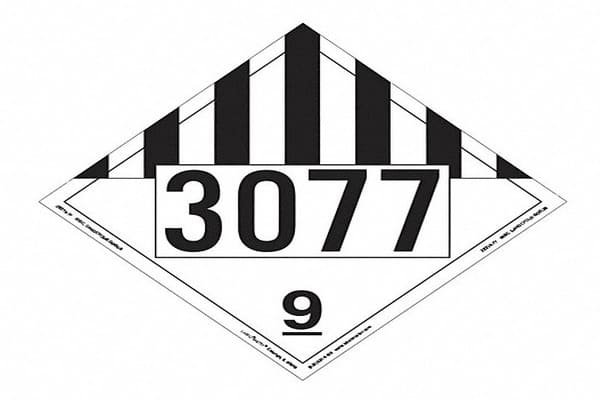
The upcoming changes to the IMDG code are a game-changer for anyone shipping products classified as UN3077 or UN30822.3 For years, my clients, especially those in cosmetics, chemicals, and even some electronics, have struggled with the high costs and paperwork associated with these goods. Now, there is a clear path to make shipping easier and cheaper. But to take advantage of it, you need to understand exactly what is changing and how to prepare. Let's break it down so you can be ready.
What's Changing with the IMDG Rules for UN3077 & UN3082 Shipping?
Keeping up with changing logistics regulations is a real challenge. Continuing to ship under old assumptions could mean you're overpaying or, worse, facing unexpected fines and delays.
Previously, all UN3077 and UN3082 shipments were strictly treated as hazardous goods. The new 2026 rule allows single packages under 5kg/5L to be fully exempt4, and compliant Limited Quantity (LQ) packages can ship as general cargo, simplifying the process.
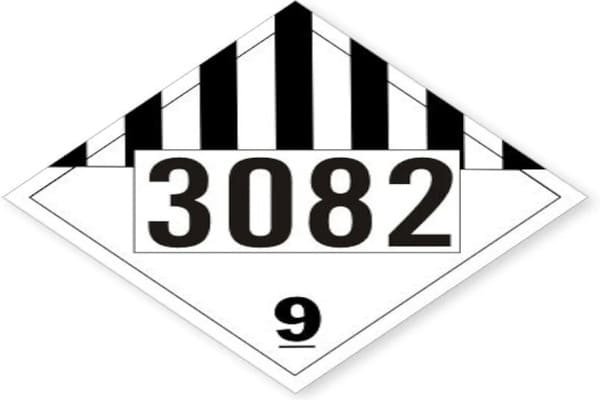
To really grasp the benefit, you have to understand the old way of doing things. It was a constant source of frustration for many of my clients. Here’s a deeper look at the past versus the future.
The Old Way: A Costly Headache
Until now, any amount of UN3077 (Environmentally hazardous substance, solid, n.o.s.) or UN3082 (Environmentally hazardous substance, liquid, n.o.s.) was automatically classified as Class 9 Miscellaneous Dangerous Goods.5 The reason is that they are considered "marine pollutants."6 This meant every shipment required special handling. You had to pay a Dangerous Goods (DG) surcharge, prepare a separate DG Declaration (DGD), use specific DG labels on every box, and the container had to be stowed in a designated area on the vessel. I remember a German client who developed a fantastic new skincare line. The shipping costs for his lotions, which fell under UN3082, were so high they nearly made his export business unprofitable. That was the reality for everyone.
The New Way: A Smarter Approach
The amendment to the IMDG Code, effective January 1, 2026, recognizes that small amounts of these substances pose a minimal risk. This creates two new, much cheaper pathways. First, if your product is in a single or inner packaging that is 5 liters or 5 kilograms or less, it is completely exempt. It’s no longer considered a dangerous good for transport at all. Second, for slightly larger shipments, you can use the Limited Quantity (LQ) provision. This allows you to combine multiple small inner packages into a larger box and ship it as general cargo, as long as you follow specific rules.
Here is a simple table showing the difference:
| Feature | Old Rule (Pre-2026) | New Rule (Effective 2026) |
|---|---|---|
| Small Packages (≤5kg/5L) | Treated as Class 9 DG | Fully Exempt (Not subject to IMDG) |
| LQ Shipments | Treated as Class 9 DG | Shipped as General Cargo (with LQ mark) |
| Documentation | Full DG Declaration (DGD) | Standard Shipping Docs / None |
| Handling & Cost | DG Surcharges, Special Handling | Standard General Cargo Rates |
How Do You Qualify for the New LQ Exemptions?
You want to unlock these cost savings, but there are strict rules to follow. Getting the quantity or packaging wrong can lead to your shipment being rejected, fined, or delayed.
To qualify for LQ exemption, inner packagings must not exceed 5kg/5L. These must be placed in a suitable outer packaging, with the total gross weight of the complete package not exceeding 30kg7. The outer package must display the Limited Quantity mark.
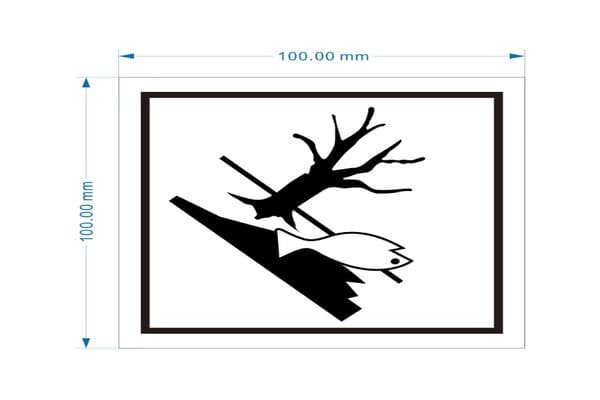
Getting the packaging right is not just a suggestion; it's a requirement. If you fail to meet these standards, the carrier will reject your cargo or re-classify it as full Dangerous Goods, hitting you with all the fees you were trying to avoid. I've seen it happen. A client once had an entire container held at the port because their supplier in China used the wrong boxes that crushed easily, making the LQ markings on the side unreadable. Let's make sure that doesn't happen to you.
Inner Packaging: The First Line of Defense
This is the container that directly holds your product. It could be a bottle of lotion, a can of paint, or a bag of powdered supplement. The rule is simple: for a liquid (UN3082), this container cannot hold more than 5 liters. For a solid (UN3077), it cannot weigh more than 5 kilograms. There is no exception to this. You also need to ensure these inner packages are packed securely with cushioning material, like bubble wrap or foam inserts, to prevent them from breaking or leaking inside the outer box during transit.8
Outer Packaging: The Final Checkpoint
This is the sturdy, outer box that holds your inner packages. Typically, this will be a good quality, double-walled corrugated cardboard box. The most important rule here is the weight limit: the total gross weight of the finished, packed box cannot exceed 30 kilograms.9 This includes the box itself, all the inner packages, and any cushioning material. Finally, and this is crucial, the outer box must be marked with the "Limited Quantity" mark. This is the diamond shape, with the top and bottom portions blacked out. This single mark replaces all other DG labels and tells the carrier that the package is compliant with LQ rules and can be handled as general cargo.
How Can You Apply the New LQ Rules to Your Shipments?
Knowing the rules is one thing, but putting them into practice is another. A simple mistake in communication with your supplier or forwarder can erase all your potential savings.
Work with your supplier to split large orders into compliant LQ packages. Ensure they use correct packaging and apply the LQ mark. Book with a forwarder who understands the new rules to avoid mis-declaration and ensure you get general cargo rates.
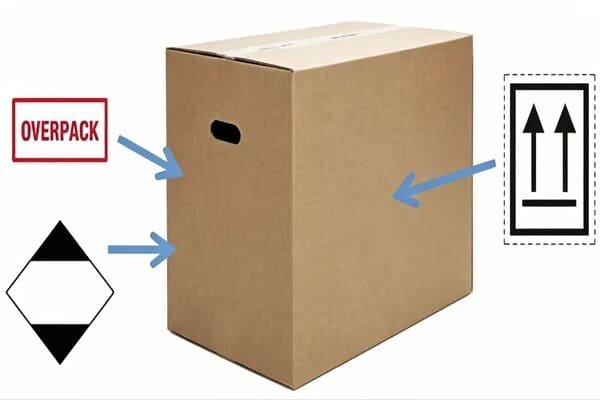
The transition to using LQ provisions requires a proactive approach. You can't just expect your supplier to know these new rules. You have to manage the process. It involves clear communication and working with partners who are knowledgeable. We guide our clients through this process every day, turning regulatory changes into real financial advantages for their business. It’s about being smart with your logistics from the very beginning of the production process.
Smart Cargo Splitting
Let’s say you have a total order of 500kg of a product that falls under UN3077. You cannot ship this in a single large drum or crate and claim the LQ exemption. The key is to plan the packaging at the factory level. You must instruct your supplier to package the 500kg into multiple, separate boxes. For example, you could have them create 25 boxes, each weighing 20kg. Each of these 20kg boxes would contain smaller inner packages (under the 5kg limit) and would have the LQ mark on the outside. This strategy, which we call "cargo splitting," is essential to qualify. By breaking down a large shipment into smaller, compliant LQ packages, you transform a DG shipment into a general cargo shipment.
Choosing the Right Partner
Once your cargo is correctly packaged, the final step is booking it correctly. You must inform your freight forwarder that you are shipping Limited Quantity cargo.10 Do not declare it as general cargo without mentioning the LQ status, as this can cause confusion. A knowledgeable forwarder like us will understand exactly what this means. We will ensure the booking is made correctly with the shipping line so that you are charged standard rates, not DG rates. I recently worked with a new client from Australia who was getting charged DG fees by their old forwarder for LQ cargo simply because the forwarder didn't understand the rules. We fixed their booking process, and their shipping costs immediately dropped by over 30%. Choosing a partner who is an expert in these regulations is just as important as getting the packaging right.
Conclusion
The 2026 LQ exemptions for UN3077 and UN3082 offer huge savings. Proper packaging, smart cargo splitting, and expert partners are key. We can help you navigate these changes.
49 CFR § 173.156 — Exceptions for Limited Quantity and consumer commodity materials — *Electronic Code of Federal Regulations (eCFR), U.S. Government*: https://www.ecfr.gov/current/title-49/subtitle-B/chapter-I/subchapter-C/part-173/subpart-D/section-173.156 ↩
UN3077 Environmentally Hazardous Substance, Solid, N.O.S. — chemical datasheet and hazard classification — *CAMEO Chemicals, National Oceanic and Atmospheric Administration (NOAA)*: https://cameochemicals.noaa.gov/unna/3077 ↩
International Maritime Dangerous Goods (IMDG) Code — the global standard for the safe transport of dangerous goods by sea — *Wikipedia*: https://en.wikipedia.org/wiki/International_Maritime_Dangerous_Goods_Code ↩
49 CFR § 172.322 — Marine pollutant marking requirements — *Electronic Code of Federal Regulations (eCFR), U.S. Government*: https://www.ecfr.gov/current/title-49/subtitle-B/chapter-I/subchapter-C/part-172/subpart-D/section-172.322 ↩
Dangerous goods — substances and articles classified by hazard class, including Class 9 miscellaneous dangerous goods — *Wikipedia*: https://en.wikipedia.org/wiki/Dangerous_goods ↩
PHMSA Interpretation 18-0077 — marine pollutant classification guidance — *Pipeline and Hazardous Materials Safety Administration (PHMSA), U.S. DOT*: https://www.phmsa.dot.gov/regulations/title49/interp/18-0077 ↩
49 CFR § 172.315 — Limited quantities gross weight and marking requirements — *Electronic Code of Federal Regulations (eCFR), U.S. Government*: https://www.ecfr.gov/current/title-49/subtitle-B/chapter-I/subchapter-C/part-172/subpart-D/section-172.315 ↩
Packaging — the science and technology of enclosing products for distribution, storage, and protection during transit — *Wikipedia*: https://en.wikipedia.org/wiki/Packaging ↩
Corrugated fiberboard — the material used to manufacture durable double-walled shipping boxes — *Wikipedia*: https://en.wikipedia.org/wiki/Corrugated_fiberboard ↩
Freight forwarder — an agent that organizes shipments and manages dangerous goods and LQ compliance on behalf of shippers — *Wikipedia*: https://en.wikipedia.org/wiki/Freight_forwarder ↩