
The new 2026 export rules in Indonesia are coming.1 These changes could cause major shipping delays, especially for coal and palm oil, disrupting your supply chain and costing you money.
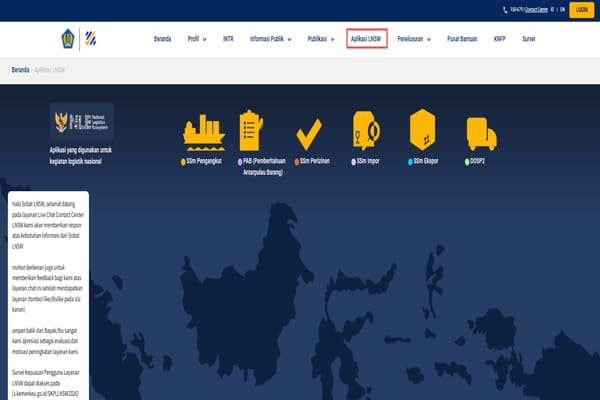
The best way to avoid delays under Indonesia's 2026 rules is to complete the new mandatory reporting before your shipment. This means getting a Surveyor Report (LS) approved and submitted to the Indonesia National Single Window (INSW) system before filing your export declaration (PEB)2.
These new regulations are a big shift in how exports are handled in Indonesia. It's no longer enough to just book a vessel and handle customs at the last minute. The process now starts much earlier, with a focus on compliance before your cargo even moves. I've been in this industry for a long time, and I want to walk you through exactly what these changes mean and how you can prepare to keep your shipments on track.
New Reporting Requirement: What Must Be Done Before Shipment?
Are you feeling unsure about what these new reporting rules actually mean for your business? Guessing the process could lead to rejected documents, leaving your shipment stuck at the port indefinitely.
To comply, you must get a Surveyor Report, known as an LS, before filing the main export declaration (PEB). A government-appointed surveyor must inspect your cargo and issue this report, which is then submitted electronically to the national system for approval.
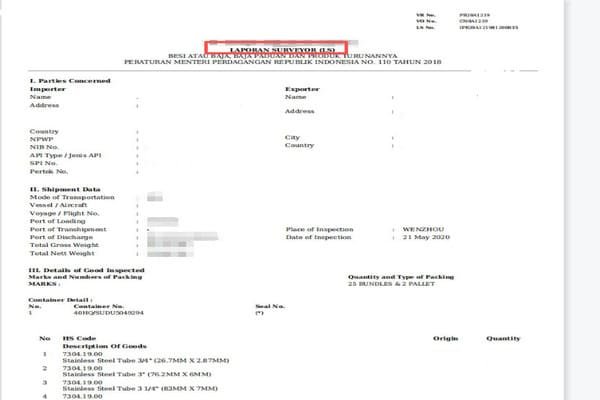
This new process is a big change from the old way of doing things. In the past, you could often prepare your export documents while the shipment was already in motion. Now, compliance is the very first step. Let's break down how this works.
The Surveyor Report (LS) Process
The Surveyor Report, or Laporan Surveyor (LS), is now the key to unlocking your export. The main goal is to have the government verify the details of your cargo—like its type, quantity, and value3—before it's approved for export. This applies especially to major commodities like coal and palm oil. The process must be completed in a specific order. Any deviation will cause an immediate red flag in the system.
Here is a simple comparison of the old and new workflows:
| Old Process | New Process (Post-2026) |
|---|---|
| 1. Prepare cargo for shipment. | 1. Appoint a government-approved surveyor. |
| 2. File Export Declaration (PEB). | 2. Surveyor inspects cargo and prepares the LS report. |
| 3. Surveyor inspection (if required). | 3. Submit LS report to the INSW system. |
| 4. Get customs clearance. | 4. Wait for LS approval. |
| 5. Load cargo onto vessel. | 5. File Export Declaration (PEB) after LS is approved. |
| 6. Get customs clearance and load cargo. |
The most important part to remember is the timing. The LS must be approved in the INSW system before you can even submit your export declaration (PEB). This adds a few extra days to your pre-shipment planning, so you can't afford to do things at the last minute anymore.
What Are Common Reasons for Customs Delays in Indonesia Exports?
Even if you know about the new rules, delays can still happen. A small mistake on a document can create a huge, costly problem that stops your entire supply chain.
The most common reasons for delays are mismatched information between documents, using incorrect HS codes, and submitting the Surveyor Report too late. These errors create immediate red flags for customs officials, leading to inspections and holds.
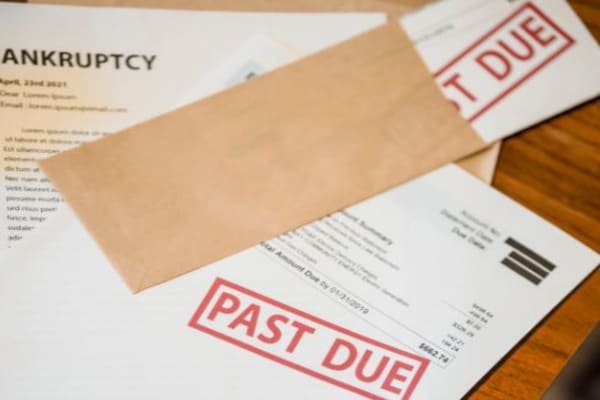
I've seen it happen many times. A client thinks everything is perfect, but their shipment gets stuck for weeks because of a tiny detail. Understanding these common mistakes is the first step to making sure they don't happen to you. Let's look deeper into why these issues cause such big problems.
Document Discrepancies
This is the number one cause of customs headaches. All your documents must tell the same story. The weight, value, quantity, and description of goods on the Surveyor Report (LS) must exactly match the details on the Export Declaration (PEB), commercial invoice, and packing list. I remember a client whose palm oil shipment was held for two weeks simply because the gross weight on the packing list was off by 20 kilograms compared to the surveyor's report. To a customs officer, this isn't a small mistake; it's a potential sign of fraud.
Incorrect HS Codes
The Harmonized System (HS) code is how customs identifies your product and applies the right taxes and duties. Using the wrong HS code is a serious issue. For example, different grades of coal have different codes and export duties4. If you use a code for a lower-tax grade on a higher-tax grade of coal, you will face penalties and a full cargo inspection, which can take weeks.
Timing and System Errors
The new process is digital, which is good, but it also depends on timing and technology. If your appointed surveyor submits the LS report late, you will miss your window to file the PEB and make your vessel cutoff. Sometimes, the INSW system itself can have glitches or downtime. A smart shipper plans for these possibilities and doesn't wait until the last day to handle these critical steps.
Here's a table showing these common errors and what they can lead to:
| Error Type | Example | Consequence |
|---|---|---|
| Document Mismatch | Weight on invoice differs from LS report. | Shipment hold, re-inspection, fines. |
| Incorrect HS Code | Wrong code used for a type of palm oil. | Wrong duties, full cargo inspection, penalties. |
| Submission Timing | LS submitted the day before vessel cutoff. | Missed vessel, storage fees, booking rollover. |
What Are 3 Practical Solutions to Keep Your Shipments Moving?
You understand the problems, but now you need real, actionable solutions. Simply hoping for the best is not a good business strategy when dealing with international shipping regulations.
There are three key solutions: first, partner with an experienced freight forwarder. Second, use a pre-shipment compliance checklist. And third, plan your shipment timeline with extra buffer days to account for new steps.

Putting a clear plan in place is the only way to navigate these changes without stress. Over my years in logistics, I've found that proactive planning always beats reactive problem-solving. Let's dive into how you can apply these three solutions to your own shipping process.
1. Partner with a Knowledgeable Forwarder
A good freight forwarder does more than just book space on a ship. They should be your compliance partner. An experienced forwarder, especially one with strong local ties in Indonesia, will understand the new LS reporting system inside and out. They can review all your documents before submission to catch any discrepancies, and manage the electronic filing process on your behalf. We act as a safety net. We check the details on the draft LS against the invoice and packing list to make sure everything matches perfectly before it ever goes into the official system. This single step can prevent most of the common delays.
2. Implement a Pre-Shipment Checklist
Don't rely on memory. Create a simple, mandatory checklist for every shipment leaving Indonesia. This helps make sure no steps are missed. Your checklist should be a practical tool used by your team for every single export.
Here are some items your checklist should include:
[ ]Surveyor appointed and confirmed?[ ]Date of cargo inspection scheduled?[ ]Draft LS report received from surveyor?[ ]All details (weight, value, HS code) on draft LS match the commercial invoice and packing list?[ ]Final LS report submitted to INSW system?[ ]LS approval received from INSW?[ ]PEB filed with customs?
3. Build a Realistic Timeline
You can no longer plan a shipment just a few days before the vessel departs. The new LS process adds several days to the front end of your timeline. You need to build in a buffer to account for inspections, potential revisions to the LS report, and system processing times. A safe timeline would be to start the process at least 10-14 days before your planned vessel departure. For instance: schedule the surveyor inspection on day 1, review the draft LS on day 4, submit the final LS on day 5, and file your PEB on day 7. This gives you plenty of cushion for unexpected issues.
Conclusion
Indonesia's 2026 export rules require proactive compliance. To avoid delays, you must plan ahead, ensure document accuracy, and work with an experienced partner to navigate the new reporting system.
Indonesian Ministry of Trade (Kemendag) — Official Trade Regulations. ↩
Indonesia National Single Window (INSW) — Official System Portal. ↩
Directorate General of Customs and Excise (Bea Cukai) — Official Portal. ↩
U.S. Department of Commerce (Trade.gov) — Indonesia Prohibited and Restricted Imports. ↩