
Shipping electricals to Nigeria just got tougher. New SONCAP rules mean your cargo could face delays and fines.1 Let's break down how to stay compliant and ship smoothly.
To adapt, exporters must ensure electrical goods meet stricter standards. This means verifying specifications, securing the right Product and SONCAP certificates, and standardizing packaging before shipping to avoid detention or fines.2
I've been in the logistics business for over 20 years, and I've seen many countries update their import policies. This recent change from Nigeria for electrical goods is one of the most significant I've seen in a while. It reminds me of a client who once faced huge delays shipping to another market because of a small paperwork error. Those delays cost them thousands in storage fees and lost sales. The new SONCAP rules make careful, proactive planning more important than ever. If you're not prepared, you could face similar headaches. Let's look at what has changed so you can get your shipments through customs without any trouble.
Do The New Regulations Have Stricter Inspection & Certification Standards?
Unsure about Nigeria's new inspection standards? This confusion can lead to failed checks and rejected cargo. Let's clarify exactly what the stricter certification process now involves for you.
Yes, the new SONCAP rules are much stricter. The Standards Organisation of Nigeria (SON) now demands more detailed product testing and verification. Exporters need comprehensive proof of compliance with Nigerian Industrial Standards (NIS)3 before shipping.
The Standards Organisation of Nigeria Conformity Assessment Programme, or SONCAP, has always been a key part of shipping to Nigeria. But the latest updates have completely changed the game. In the past, getting the required certificates was often a straightforward paperwork exercise. Now, the SON is applying much greater scrutiny, especially for electrical products. They are on a mission to stop substandard and unsafe goods from entering the country.
The Two-Step Certification Process
The core of the SONCAP process remains a two-certificate system4, but the requirements for each have been raised.
- Product Certificate (PC): This is the first step. You must prove your product conforms to the relevant Nigerian Industrial Standards (NIS). This now requires submitting detailed technical files, product descriptions, and, most importantly, test reports from an ISO/IEC 17025 accredited laboratory.5 The SON will verify the authenticity of these reports.
- SONCAP Certificate (SC): This certificate is required for every single shipment. To get an SC, you must have a valid PC. The SC application links your specific shipment (using the Bill of Lading and invoice) to your certified product.6
What's New with Inspections?
The biggest change is the level of verification. The SON is no longer just taking documents at face value. They are actively cross-referencing information and increasing physical inspections at the destination port7. If the product specifications on the cargo don't exactly match the details on the PC and SC, you can expect problems. This intense focus on detail means there is no room for error.
| Aspect | Old Requirement | New Requirement |
|---|---|---|
| Test Reports | Often accepted from various sources. | Must be from an ISO 17025 accredited lab. |
| Verification | Basic document check. | In-depth verification of all documents and reports. |
| Physical Checks | Random and less frequent. | More frequent and detailed port inspections. |
| Data Matching | Some leniency on minor mismatches. | Strict matching of data across all documents. |
What Are The New Controls On Product Access, Certificates, And Specifications?
Confused by the new certificate and product spec rules? One small error can block your entire shipment. Let's go over the exact new controls you need to follow now.
New controls focus on three things. Product access requires a valid Product Certificate (PC). Every shipment needs a corresponding SONCAP Certificate (SC). And item specifications like voltage and plugs must meet Nigerian standards.
Navigating the new controls requires a methodical approach. We recently helped a client shipping a large order of electric kettles to Lagos. Under the old rules, their standard European plugs were sometimes overlooked by customs. Under the new rules, this would be an immediate failure. The SON now demands that products are ready for the Nigerian market right out of the box. This means you must pay close attention to the details of your product, your certificates, and your labeling. It’s no longer enough to be "close enough." You must be exact.
Navigating Certificate Pathways
To get your Product Certificate (PC), you will follow one of three routes, depending on how often you ship:
- Route A (Unregistered Status): For infrequent exporters. Each shipment requires product testing and inspection to get your PC and SC.
- Route B (Registered Status): For frequent exporters with consistent quality. This grants a PC valid for one year, requiring fewer inspections.
- Route C (Licensed Status): For high-volume manufacturers with a strong track record. This grants a PC valid for one year and involves audits of your manufacturing facility.
Critical Electrical Specifications
For electrical goods, specific technical compliance is non-negotiable. Your product must be designed or adapted for the Nigerian market.
- Voltage: 230V8
- Frequency: 50Hz
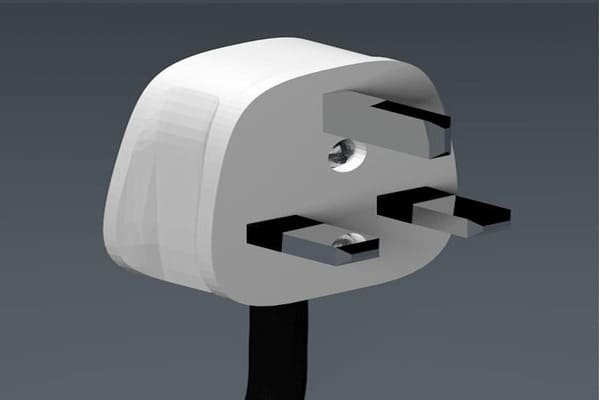
- Plugs: Primarily Type D (3-pin) and Type G (UK 3-pin).9 Shipping with incompatible plugs like the 2-pin Euro plug will lead to rejection.
Mandatory Labeling and Marking
Your product labeling is now a critical compliance point. The information on the product and its packaging must be clear and match your certification documents. Key requirements include:
- Brand Name and Manufacturer details.
- "Made in [Country of Origin]" marking.
- Model number and technical specs (voltage, wattage).
- The SONCAP logo must be displayed correctly on the product or packaging once certified.
This information must be consistent across the product itself, the retail packaging, the shipping cartons, and all your shipping documents. Any discrepancy is a red flag for inspectors.
What Are The Key Shipment Risks And How Can Exporters Comply?
Worried about the risks of non-compliance with Nigeria's new rules? Your cargo could be seized, you could face heavy fines, or even get blacklisted. Here are practical steps.
The biggest risks are cargo seizure, heavy fines, and forced re-exportation at your cost10. To comply: start certification early, do a pre-shipment inspection, double-check all labels, and partner with a knowledgeable logistics provider.
The financial hit from a non-compliant shipment can be devastating. I've seen companies have their entire profit margin wiped out by fines and fees. But the biggest risk is getting your goods stuck at the port in Lagos. You pay for storage every single day the cargo sits there. If you can't resolve the compliance issue quickly, the Nigerian authorities can order you to ship the goods back at your own expense. It’s a nightmare scenario. To avoid this, you need a solid plan before the container is even loaded. Think of it as a pre-flight checklist for your cargo. Being thorough at the start saves a world of trouble and money later on.
Understanding the High Stakes of Non-Compliance
The consequences for failing to meet the new SONCAP standards are severe and designed to deter violators.
- Cargo Seizure: Your shipment will be detained by the SON and Nigeria Customs Service.11
- Heavy Penalties: Fines can be calculated as a percentage of the cargo's value, often reaching thousands of dollars.
- Demurrage & Storage Costs: While your cargo is held, port storage fees accumulate daily.12
- Mandatory Re-exportation: If compliance cannot be achieved, you will be forced to pay to ship the goods back to the origin.
- Damage to Reputation: A history of non-compliance can get you blacklisted, making future business in Nigeria very difficult.
Your Practical Compliance Checklist
We walk our clients through this checklist for every shipment to Nigeria. It’s a simple but effective way to ensure everything is in order.
| Step | Action Item | Why It's Important |
|---|---|---|
| 1. Start Early | Begin the PC application process at least 2-3 months before your planned ship date. | Lab testing and document verification take time. Rushing leads to mistakes. |
| 2. Verify Specs | Confirm your product's voltage, frequency, and plug type match Nigerian standards. | This is a common and easily avoidable reason for rejection. |
| 3. Get Accredited Tests | Only use an ISO 17025 accredited lab for your product test reports. | The SON will reject reports from non-accredited sources. |
| 4. Pre-Shipment Check | Conduct your own inspection before packing. Check labeling, markings, and quality. | Ensures the physical goods match the certificate details perfectly. |
| 5. Align Documents | Ensure the product description is identical on the invoice, packing list, and Bill of Lading. | Inconsistencies are a major red flag for customs and the SON. |
| 6. Work with an Expert | Partner with a freight forwarder who has proven experience with the new SONCAP rules. | An experienced partner can spot potential issues before they become problems. |
Conclusion
Adapting to Nigeria's new SONCAP rules is essential. Pre-checking specs, getting the right certificates, and standardizing packaging are your keys to successful shipments and avoiding costly customs issues.
SONCAP FAQ — official guidance on the Conformity Assessment Programme — *Standards Organisation of Nigeria (SON)*: https://son.gov.ng/soncap-faq/ ↩
Standards Organisation of Nigeria (SON) — the government agency responsible for setting and enforcing product standards, including SONCAP — *Wikipedia*: https://en.wikipedia.org/wiki/Standards_Organisation_of_Nigeria ↩
Standards Organisation of Nigeria Conformity Assessment Programme — detailed overview of NIS compliance — *Academia.edu*: https://www.academia.edu/3800498/STANDARDS_ORGANISATION_OF_NIGERIA_Standards_Organisation_of_Nigeria_Conformity_Assessment_Programme ↩
SONCAP Service — official two-certificate system portal — *Standards Organisation of Nigeria (SON)*: https://son.gov.ng/soncapservice/ ↩
ISO/IEC 17025 — the international standard for the competence of testing and calibration laboratories — *Wikipedia*: https://en.wikipedia.org/wiki/ISO/IEC_17025 ↩
Bill of lading — a legal document issued by a carrier detailing the type, quantity, and destination of goods being shipped — *Wikipedia*: https://en.wikipedia.org/wiki/Bill_of_lading ↩
HQTS Certificate of Conformity (CoC) for Nigeria SONCAP Certification — inspection process explained — *HQTS*: https://www.hqts.com/hqts-coc-for-nigeria-soncap-certification/ ↩
Mains electricity — the general-purpose alternating-current electric power supply; Nigeria operates on a 230V/50Hz standard — *Wikipedia*: https://en.wikipedia.org/wiki/Mains_electricity ↩
AC power plugs and sockets — the international types of domestic plugs; Nigeria uses Type D and Type G — *Wikipedia*: https://en.wikipedia.org/wiki/AC_power_plugs_and_sockets ↩
Nigeria — Trade Standards — country commercial guide on import compliance and penalties — *International Trade Administration, U.S. Department of Commerce (trade.gov)*: https://www.trade.gov/country-commercial-guides/nigeria-trade-standards ↩
Nigeria Customs Service — the government agency responsible for customs and excise duties and enforcement — *Wikipedia*: https://en.wikipedia.org/wiki/Nigeria_Customs_Service ↩
Demurrage — charges levied for cargo that remains at a port or terminal beyond the allowed free time — *Wikipedia*: https://en.wikipedia.org/wiki/Demurrage ↩