
Shipping from China to the US East Coast faces new hurdles. These Panama Canal changes could mean costly delays and budget overruns. Here is what you need to know to stay ahead.
The 2026 restrictions mean fewer daily transits, lower vessel draft limits, and a more competitive slot auction system. This leads to higher costs, potential delays, and reduced capacity for cargo moving from China to the US East Coast, requiring shippers to plan more carefully.
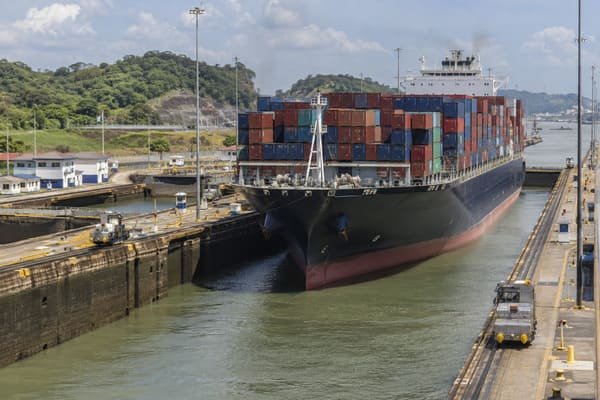
For years, we've treated the Panama Canal as a reliable shortcut.
But things are changing. These changes will affect your supply chain whether you ship electronics, furniture, or heavy machinery.
I've been in logistics for over two decades, and disruptions like this are where careful planning makes a difference.
Why the Panama Canal Matters for China–US East Coast Shipping?
You know the Panama Canal is important, but its central role can be easy to overlook. Ignoring its function in your supply chain is a risk you can't afford.
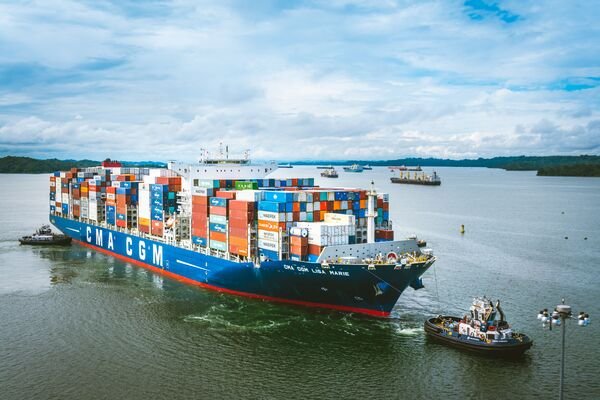
The Panama Canal is the shortest and most cost-effective maritime route connecting Asia to the US East Coast. It saves ships thousands of nautical miles, cutting down transit time and fuel costs compared to sailing around South America or through the Suez Canal.
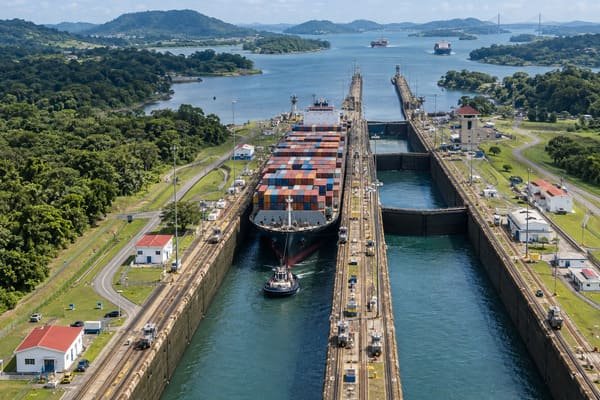
For shipments originating in China and heading to ports like New York, Savannah, or Miami, the Panama Canal is the default choice. It's the key that unlocks efficient access to the massive consumer markets of the Eastern United States. Before the canal, a ship leaving Shenzhen would have to take a much longer journey. The alternatives simply don't compare for most standard cargo.
Let's break down the main routes.
Route Options from China to the US East Coast
| Route | Typical Transit Time | Key Considerations |
|---|---|---|
| Via Panama Canal | 25-35 Days | Most direct, cost-effective. Now subject to draft and slot limits. |
| Via Suez Canal | 35-45 Days | Longer transit time, higher fuel cost. A viable but slower alternative. |
| US West Coast + Rail | 20-30 Days | Faster but often more expensive. Involves transloading and rail risks. |
As you can see, the Panama Canal offers a sweet spot of time and cost. When this route faces restrictions, the ripple effects force shippers and carriers to make difficult choices between speed, cost, and reliability. That's why these new rules are such a big deal for global trade.
What Changed at the Panama Canal in 2026?
The Panama Canal introduced several operational changes that directly affect shipping capacity.
You've been planning your shipments the same way for years. Now, those old assumptions might lead to trouble. The rules of the game at the Panama Canal have changed significantly.
Due to historic low water levels, the Panama Canal Authority has reduced the number of daily vessel transits and lowered the maximum allowable vessel draft. This directly limits how many ships can pass through and how much cargo each ship can carry.
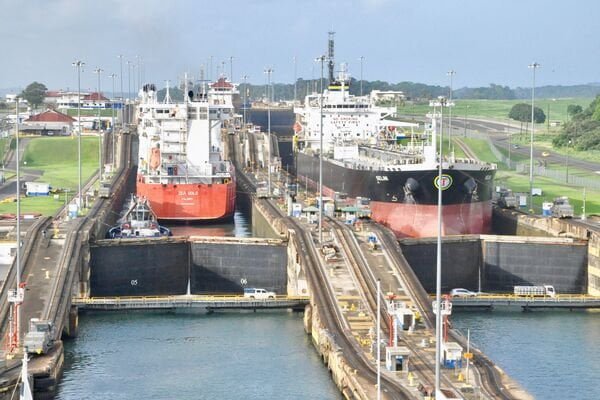
This isn't a decision made lightly. The canal relies on a massive freshwater reservoir, Gatun Lake, to operate its locks. Years of changing weather patterns and severe drought have left the lake at critically low levels. To conserve water, the Panama Canal Authority (ACP) had no choice but to implement restrictions.
Here’s a simple breakdown of the key changes.
Key Operational Changes in 2026
- Fewer Transit Slots: The number of daily transits has been cut. For example, the daily transits were reduced from a typical 36 to as low as 24 at certain points. This creates a bottleneck, as more ships are competing for fewer available crossing opportunities.
- Lower Draft Limits: The "draft" of a ship is how deep it sits in the water. The ACP has lowered the maximum draft from around 50 feet to 44 feet or even less. This means vessels cannot be loaded to their full capacity, directly impacting how much cargo can move on a single voyage.
These two factors create a perfect storm: fewer ships can cross, and the ships that do cross must be lighter. This directly impacts the capacity and efficiency of the entire China–US East Coast shipping lane.
How Panama Canal Slot Reservations and Auctions Work?
Getting a spot to cross the canal has become more complicated. Without understanding the system, you could face unexpected delays or find yourself paying a fortune to get your cargo through on time.
Carriers typically book transit slots weeks or months in advance through a reservation system. When demand exceeds the limited supply of slots, leftover or canceled slots are sold at auction to the highest bidder, sometimes for millions of dollars.
Think of it like booking a flight. Most people buy their tickets in advance. But if the flight is almost full, the last few seats can become incredibly expensive. That's what's happening at the Panama Canal. With fewer "seats" (transit slots) available, competition is fierce.
I remember a situation with a client shipping time-sensitive promotional goods for a major holiday. Their carrier lost its reserved slot. We were faced with a choice: pay an astronomical auction fee to secure a new slot or reroute the cargo and risk missing the delivery deadline.
The Two Ways to Get a Slot
- The Reservation System: Major shipping lines have long-term relationships and book their slots far in advance based on their planned service schedules. This provides some level of predictability. However, with fewer slots available overall, even these planned bookings are not guaranteed.
- The Auction: This is where the real drama happens. If a carrier doesn't have a reservation or needs an urgent transit, they must enter a bidding war. Auction prices, which were once a minor cost, have skyrocketed. These costs don't just disappear; they are eventually passed down to you, the shipper, in the form of surcharges.
Which US East Coast Ports Are Most Affected?
Not all ports feel the impact equally. If your cargo is destined for one of the major East Coast gateways, you need to understand how these disruptions could specifically affect your delivery point.
The busiest US East Coast ports—including New York/New Jersey, Savannah, Virginia, Charleston, and Miami—are the most exposed to Panama Canal disruptions because they rely heavily on all-water services from Asia that pass through the canal.
These ports serve as the primary entry points for goods flowing into the Eastern and Southeastern US markets. When canal capacity tightens, these gateways experience knock-on effects like vessel bunching, berth congestion, and unpredictable arrival windows. Here's a closer look at the key ports in the line of fire.
Major US East Coast Ports Impacted by Canal Restrictions
| Port | Location | Why It's Affected |
|---|---|---|
| Port of New York & New Jersey | New York / New Jersey | The largest East Coast port and the busiest gateway for Asian imports. High volume means it's highly sensitive to any capacity reduction. |
| Port of Savannah | Georgia | One of the fastest-growing container ports in the US. A major hub for retail and furniture imports from China. |
| Port of Virginia | Norfolk, Virginia | A deep-water port serving the Mid-Atlantic. Handles significant volumes of both consumer goods and heavy machinery. |
| Port of Charleston | South Carolina | A key Southeastern gateway with strong ties to manufacturing and automotive supply chains. |
| PortMiami | Miami, Florida | The primary gateway for the Southeast and a critical link for cargo bound for Latin America and the Caribbean. |
| Port of Baltimore | Maryland | A major hub for automobiles, machinery, and project cargo. Delays here ripple into the Northeast and Midwest. |
If your delivery point is one of these ports, expect the disruptions to be felt more acutely during peak season. Congestion at these hubs can add days to your final delivery, even after your vessel clears the canal. Understanding your specific destination port's situation is a critical part of smart planning.
Which US West Coast Ports Could Also Be Affected?
Here's something many shippers overlook: the Panama Canal problems don't just impact the East Coast. As carriers and shippers divert cargo to avoid the canal, the busy West Coast ports absorb the overflow—and that creates a whole new set of challenges.
When shippers reroute cargo to the US West Coast to bypass the Panama Canal, ports like Los Angeles, Long Beach, and Oakland face surging volumes. This can trigger congestion, longer dwell times, and rail bottlenecks that delay cargo headed inland or to the East Coast.
The West Coast is the natural "Plan B" when the Panama Canal is constrained. But when everyone has the same idea, these ports can quickly become overwhelmed. I've seen firsthand how a sudden influx of diverted cargo can turn a normally efficient port into a bottleneck overnight. If your contingency plan relies on the West Coast, you need to know which ports are involved and their limitations.
Major US West Coast Ports Absorbing Diverted Cargo
| Port | Location | Why It's Affected |
|---|---|---|
| Port of Los Angeles | Los Angeles, California | The busiest container port in the US. It absorbs the largest share of diverted Asian cargo, making it highly prone to congestion during surges. |
| Port of Long Beach | Long Beach, California | Adjacent to LA and equally critical. Together, the two form the San Pedro Bay complex—the main US gateway for transpacific trade. |
| Port of Oakland | Oakland, California | A key Northern California gateway. Often used to relieve pressure on LA/Long Beach, but has more limited capacity. |
| Northwest Seaport Alliance (Seattle & Tacoma) | Washington State | Serves the Pacific Northwest and offers strong rail connections to the Midwest. An important alternative for inland-bound cargo. |
When cargo moves through the West Coast to reach East Coast destinations, it typically relies on intermodal rail (IPI) or transloading. This adds handling steps and introduces new risks—rail car shortages, chassis availability issues, and inland terminal congestion. So while the West Coast can be a smart alternative, it's not a "free pass." You're simply trading one set of risks for another, which is why professional route planning is so important.
What Does This Mean for China–US East Coast Cargo?
These canal issues aren't just a headache for carriers. They have direct, tangible consequences for your cargo, your timeline, and your budget. Your supply chain is now more vulnerable than ever.
Expect longer overall transit times, higher and less predictable freight costs, and an increased risk of schedule changes like "blank sailings." Shippers must build more buffer time and budget flexibility into their logistics planning.
The effects are cascading through the entire supply chain. What starts as a water level problem in Panama ends with a potential stockout in a warehouse in Ohio. As a shipper, you need to be prepared for a new reality on this trade lane.
Let's look at the specific impacts.
Key Impacts on Your Shipments
| Impact Area | Description | What It Means for You |
|---|---|---|
| Higher Costs | Carriers pass on high auction fees and operational costs from delays through "Panama Canal Surcharges." | Your shipping budget needs to be more flexible. The cheapest base rate might come with expensive surcharges. |
| Longer Transit | Vessels may wait for days for a slot or take a longer alternative route (e.g., via the Suez Canal). | Your lead times will increase. You need to order inventory earlier to avoid stockouts. |
| Capacity Reduction | Lower draft limits and fewer transits mean less total cargo can move through the canal each month. | Space on vessels becomes a premium. It may be harder to secure a booking, especially during peak season. |
| Schedule Unreliability | Carriers may cancel entire sailings ("blank sailings") to consolidate cargo or adjust to slot availability. | Your planned shipment date could change at the last minute, disrupting your entire production and delivery schedule. |
Why Cargo Weight and Vessel Draft Matter?
You might think your cargo's weight is just a number for the bill of lading. Now, it's a critical factor that can determine if your shipment even gets on the vessel.
A ship's draft is how deep it sits in the water. Heavier cargo makes a ship sit lower. With new, stricter draft limits at the canal, carriers must lighten their vessels, sometimes by refusing heavy containers or charging extra for them.
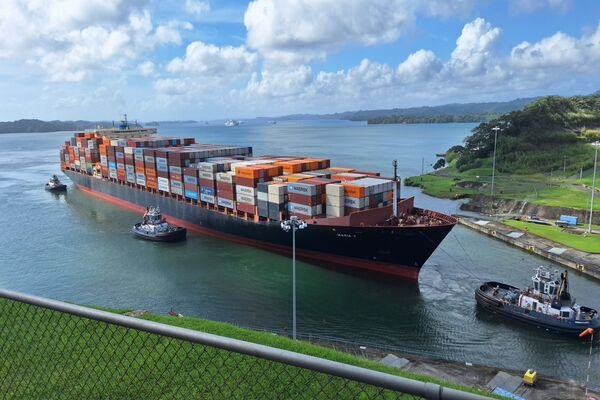
Imagine a small boat. If you put too many heavy people in it, it will sit low in the water and might run aground in a shallow river. A massive container ship is no different. The Panama Canal is now a "shallow river."
This is especially important for shippers dealing with dense products. I worked with a company exporting heavy machinery parts from China. For years, they had no issues. Suddenly, their carrier started questioning the weight of their containers. We had to work closely with the carrier to ensure the weight was distributed correctly across multiple bookings to stay compliant with the new restrictions.
What Carriers Do to Manage Weight
- Impose Weight Limits: Some carriers are simply refusing to accept containers over a certain weight for their US East Coast services.
- Introduce Heavyweight Surcharges: Others will accept heavier containers but apply a significant surcharge to compensate for the lost capacity, as one heavy container might mean they have to leave two lighter ones behind.
- "Shut Out" Cargo: In a worst-case scenario, a carrier might load your container but then be forced to "shut it out" (unload it) at the last minute if the vessel is found to be over the draft limit.
How Shippers Can Reduce Panama Canal Risks?
The situation at the Panama Canal is challenging, but you are not helpless. Your supply chain can become vulnerable if you do nothing. You can take concrete steps to protect your business from delays and rising costs.
Plan further in advance, communicate accurate cargo weights, discuss alternative routes with your forwarder, and prioritize reliability over the lowest price. A proactive approach is the best defense against this uncertainty.
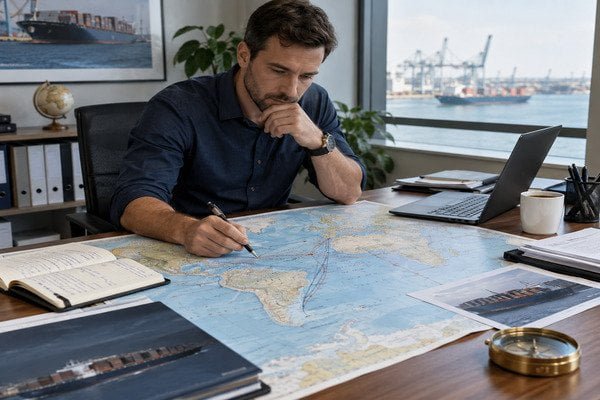
In my experience, shippers who get ahead of the problem fare much better than those who react to it. Waiting for a delay to happen is too late. The key is to shift your mindset from simply booking a shipment to strategically managing your logistics.
Here are the most effective strategies I recommend to my clients.
Actionable Strategies for Shippers
- Communicate and Plan Ahead: Book your shipments as early as possible. Give your logistics partner precise cargo weight and dimensions. This information is no longer just a formality; it's critical for securing your spot.
- Budget for Contingencies: The cheapest ocean freight quote is not always the best deal. Factor in potential surcharges and the cost of delays. A slightly more expensive but reliable service can save you a fortune in the long run.
- Explore Alternative Routes: Don't automatically default to the Panama Canal. Have a conversation with your forwarder about the pros and cons of alternatives.
| Alternative Route | Pros | Cons |
|---|---|---|
| US West Coast + IPI | Potentially faster transit time overall. | Higher cost, risks of port congestion and rail delays, requires transloading. |
| Suez Canal | Avoids Panama bottleneck entirely. | Significantly longer transit time (10-15 extra days), higher fuel costs. |
Ultimately, the best strategy is to work with a logistics partner like Deeplinker who is on the front lines of these changes. We have the expertise and network to help you navigate the complexity and find the most resilient solution for your specific cargo.
FAQ
How early should I book a container from China during the 2026 US peak season?
There is no single booking window that works for every shipment. During peak periods, shippers should start planning before the cargo is fully ready and confirm space based on the origin port, destination, carrier, sailing schedule and cargo-ready date. Extra time should also be allowed for trucking delays, missed cut-offs or schedule changes.
What peak season surcharges can affect China–US shipping costs?
Depending on the carrier and service, shippers may encounter Peak Season Surcharges (PSS), rate adjustments, equipment-related charges and other temporary fees. After the cargo arrives in the US, seasonal demand surcharges from parcel carriers such as FedEx or UPS may also increase final delivery costs. Always compare the all-in logistics cost rather than ocean freight alone.
How can shippers reduce demurrage and detention risks during peak season?
Confirm container free time, customs documentation, port pickup arrangements and warehouse receiving capacity before the vessel arrives. During busy periods, port or warehouse congestion can make timely container pickup and return more difficult, so importers should leave additional operational buffer and coordinate closely with their freight forwarder, customs broker and warehouse.
Conclusion
The new reality at the Panama Canal requires a shift in strategy.
Shippers need better planning, route diversification, and reliable logistics partners.
Early preparation can help reduce unexpected delays and costs.