
Who Is the Importer of Record in a DDP Shipment?
Feeling lost about who is legally responsible for your DDP shipment? A simple mix-up can cause costly delays and fines. Let's clear up this crucial role.
In a DDP (Delivered Duty Paid) shipment, the seller handles most costs, but the Importer of Record (IOR) is the entity legally responsible to customs1. This can be the seller, the buyer, or a designated third party2, as long as they meet legal requirements.
Understanding the difference between the party paying for duties and the party legally liable is a game-changer in international trade. It's not always as straightforward as it seems. But before we figure out who can be the IOR in a DDP deal, let's first make sure we're on the same page about what an IOR even is.
What Is an Importer of Record (IOR)?
Think the Importer of Record is just another name for the person buying the goods? This common mistake can lead to serious compliance issues and unexpected legal trouble.
The Importer of Record (IOR) is the official entity or individual responsible for ensuring imported goods comply with all customs regulations3. They are liable for the import declaration, paying duties, and holding all necessary permits for the goods entering the country.
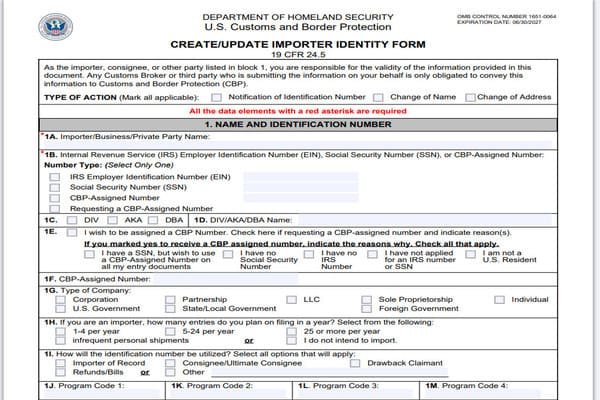
The IOR is more than just a name on a form; they are the legal owner of the import process in the eyes of the government. This means they carry significant responsibilities. I remember a case years ago where a client thought our shipping company was the IOR. When customs flagged the shipment for incorrect classification, it was my client's business, not us, that faced the penalties. It was a tough lesson. The IOR's duties are non-negotiable and cover several key areas.
Key Responsibilities of an IOR
| Responsibility | Description |
|---|---|
| Classification | Correctly classifying goods with the proper HS/HTS codes4. |
| Valuation | Accurately declaring the commercial value of the goods. |
| Duty & Tax Payment | Ensuring all import duties and taxes are paid on time. |
| Compliance | Meeting all legal requirements and regulations of the importing country. |
| Record Keeping | Maintaining all import-related documents for a specified period, often several years5. |
This role is absolutely foundational to a successful and compliant import. Choosing the right IOR is a critical step that you can't afford to overlook.
What Does DDP Mean in International Shipping?
DDP sounds like the perfect deal for a buyer—all costs covered! But this simplicity can hide crucial details about legal liability that might surprise you during customs clearance.
DDP, or "Delivered Duty Paid," is an Incoterm where the seller bears maximum responsibility6. They must arrange for all transportation and pay all costs, including import duties and taxes7, to deliver the goods to the buyer's destination, cleared for import.
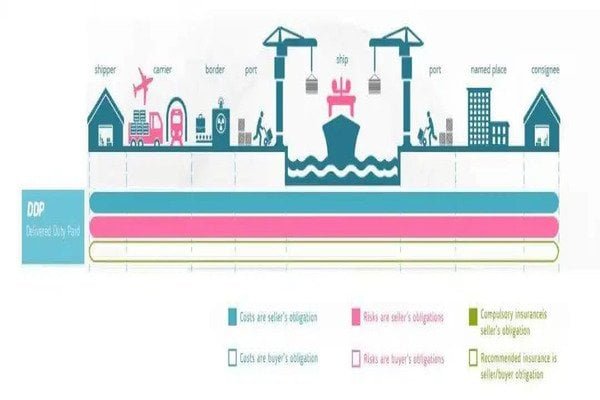
Under the DDP Incoterm, the transfer of risk happens very late in the process—when the goods are at the destination, ready for unloading8. The seller handles almost everything. This makes it a popular choice for buyers who want a seamless, door-to-door experience. However, the phrase "cleared for import" is where things get tricky. While the seller pays for the clearance, they aren't automatically the legal Importer of Record. Let's break down the obligations.
DDP Responsibilities Breakdown
| Responsibility | Seller's Obligation | Buyer's Obligation |
|---|---|---|
| Transportation | Handles all transport to the final destination. | Responsible for unloading the goods. |
| Export Clearance | Yes, handles and pays for it. | No obligation. |
| Import Clearance | Arranges and pays for the process. | Must provide assistance if needed9. |
| Duties & Taxes | Pays all import duties and applicable taxes. | No obligation. |
| Risk | Bears all risk until goods are ready for unloading. | Takes over risk after goods are available for unloading. |
The key takeaway here is that DDP defines the financial and logistical responsibility. The separate legal role of Importer of Record is a critical appointment that must be addressed clearly.
Who Can Be the Importer of Record in a DDP Shipment?
It seems logical that the seller is the IOR in a DDP deal since they pay for everything. But this assumption can bring your shipment to a dead stop.
In a DDP shipment, there are three main options for who can be the Importer of Record: the seller, the buyer (consignee), or a qualified third-party IOR service provider. The choice depends on who has the legal presence and capacity to meet the import country's requirements.

Choosing the right IOR is a strategic decision, not just a logistical one. The party named as the IOR must have a legal right to import into that country10. This often means having a registered business entity and a local tax ID. A foreign seller, for example, might not have this. This is why you can't just assume the seller will handle it. Here’s a look at the common choices and their implications.
IOR Options for DDP Shipments
| IOR Candidate | When It Works Best | Potential Challenges |
|---|---|---|
| The Seller | When the seller has a registered legal entity in the import country. | Many foreign sellers do not have a local business registration, making them ineligible. |
| The Buyer | The buyer is already established in the country and agrees to be the IOR. | This blurs the lines of a true DDP shipment, as the buyer now takes on legal liability. |
| A Third-Party IOR | When neither the seller nor the buyer can, or wants to, act as the IOR. | This requires hiring and paying a specialized service provider, adding a cost. |
In our experience, using a third-party IOR is often the cleanest solution when the seller is foreign and the buyer wants a true hands-off experience. It ensures compliance without placing liability on the buyer.
Can a Foreign Company Be the Importer of Record in the USA?
Trying to act as the Importer of Record for your DDP shipments to the USA without a local presence? This can lead to an immediate rejection by U.S. Customs.
Generally, a foreign company cannot act as the Importer of Record in the USA because the IOR must have a U.S. business presence11. To comply, the foreign seller needs a U.S. agent or can appoint the buyer or a third-party IOR service.

The United States has one of the clearest policies on this. U.S. Customs and Border Protection (CBP) requires the IOR to be a party residing in the U.S. with a valid tax identification number, like an Employer Identification Number (EIN). This is because CBP needs a U.S.-based entity to hold legally accountable. Furthermore, the IOR must secure a customs bond, which is a financial guarantee between the importer, a surety company, and CBP12. A foreign entity typically cannot obtain this bond directly.
Options for Foreign Sellers Shipping to the USA
- Appoint the Consignee (Buyer): The US-based buyer can agree to act as the IOR.
- Use a Third-Party IOR Service: Hire a company that specializes in IOR services in the US.
- Establish a US Entity: The foreign seller can register a subsidiary company in the US.
For most of our clients, option 1 or 2 is the most practical path for selling DDP into the American market, ensuring goods clear customs without any legal hurdles.
What Are Common Problems When Choosing an IOR?
You’ve named an Importer of Record, so you think you’re all set. But common, overlooked mistakes can cause your shipment to be delayed for weeks or even confiscated.
The most common problems include choosing an IOR that is not legally established in the import country, has no customs bond, lacks necessary permits for the goods, or is simply unaware of their legal responsibilities, leading to compliance failures and costly delays.
Over the past two decades, I've seen the same IOR-related issues appear time and again. They are almost always preventable with proper planning. Getting this wrong isn't just a paperwork problem; it directly impacts your bottom line and your customer's satisfaction. A client once named their customer's warehouse manager as the IOR without confirming. The manager had no authority or knowledge, and the cargo sat at the port for a month, racking up demurrage fees. It was a costly lesson in communication.
Watch Out for These IOR Pitfalls
| Problem | Why It's a Big Deal |
|---|---|
| No Legal Presence | The named IOR is invalid in the eyes of customs. The shipment will be stopped. |
| Lack of Customs Bond | A bond is mandatory in countries like the US. No bond means no entry. |
| Missing Permits/Licenses | Some goods (e.g., chemicals, electronics) need special licenses. The IOR must hold them. |
| The Unwilling IOR | Naming a party as IOR without their explicit consent and understanding of the risks. |
| Incorrect Declaration | The IOR is liable for incorrect classification or valuation, leading to fines and penalties. |
Always confirm your chosen IOR is eligible, willing, and able to take on the responsibility. A short conversation upfront can save you a massive headache later.
Conclusion
In DDP shipping, the seller pays, but the legally liable Importer of Record must be a qualified entity in the import country. Choose your IOR wisely to ensure compliance.
"Tips for New Importers and Exporters", https://www.cbp.gov/trade/basic-import-export/importer-exporter-tips. A customs authority or trade compliance source should define the importer of record as the party responsible for entry documentation, duty payment, and compliance with import requirements. Evidence role: definition; source type: government. Supports: In a DDP shipment, the Importer of Record is the entity legally responsible to customs.. ↩
"H324098 - CROSS Ruling - U.S. Customs and Border Protection", https://rulings.cbp.gov/ruling/H324098. A customs broker, customs authority, or legal reference should show that the importer of record may be the owner, purchaser, consignee, or an authorized party, depending on national customs rules. Evidence role: general_support; source type: government. Supports: The Importer of Record in a DDP shipment can be the seller, the buyer, or a designated third party if legal requirements are met.. Scope note: The permitted IOR categories vary by importing country, so a source may support the principle rather than every jurisdiction. ↩
"Tips for New Importers and Exporters", https://www.cbp.gov/trade/basic-import-export/importer-exporter-tips. A customs authority definition should support that the importer of record is responsible for making proper entry and ensuring imported merchandise complies with applicable customs requirements. Evidence role: definition; source type: government. Supports: The Importer of Record is responsible for ensuring imported goods comply with customs regulations.. ↩
"Harmonized Tariff Schedule", https://hts.usitc.gov/. A customs tariff or World Customs Organization source should establish that imported goods must be classified under the Harmonized System or national tariff schedule for customs entry and duty assessment. Evidence role: mechanism; source type: institution. Supports: IOR responsibilities include correctly classifying goods with the proper HS/HTS codes.. Scope note: Such a source may describe classification requirements generally, while liability for errors depends on national customs law. ↩
"Entry Summary Record-Keeping - help.CBP.gov", https://www.help.cbp.gov/s/article/Article1840. A customs recordkeeping regulation should document that importers must retain entry records for a defined period after importation. Evidence role: general_support; source type: government. Supports: Importers of record must keep import-related records for a specified period, often several years.. Scope note: The retention period differs by country; U.S. rules, for example, may not establish the period in other jurisdictions. ↩
"Know Your Incoterms - International Trade Administration", https://www.trade.gov/know-your-incoterms. An Incoterms reference should state that Delivered Duty Paid places the greatest obligation on the seller among Incoterms rules. Evidence role: definition; source type: institution. Supports: DDP is an Incoterm under which the seller bears maximum responsibility.. Scope note: Incoterms define commercial obligations between seller and buyer, not all public-law customs liabilities. ↩
"Incoterms DDP - Delivered Duty Paid - AIT Worldwide Logistics", https://www.aitworldwide.com/resources/incoterms/incoterms-ddp-delivered-duty-paid/. An Incoterms DDP source should support that under Delivered Duty Paid the seller bears costs needed to bring the goods to the named destination, including import clearance, duties, and taxes where applicable. Evidence role: definition; source type: institution. Supports: Under DDP, the seller pays transportation costs, import duties, and applicable taxes to deliver the goods to the destination.. Scope note: Tax treatment may vary by country and contract wording, so the source supports the Incoterms default rule rather than every tax scenario. ↩
"Know Your Incoterms - International Trade Administration", https://www.trade.gov/know-your-incoterms. An Incoterms DDP reference should state that risk transfers from seller to buyer when the goods are placed at the buyer’s disposal at the named place of destination, not unloaded. Evidence role: definition; source type: institution. Supports: Under DDP, risk transfers when the goods are at the destination and ready for unloading.. Scope note: The exact point of risk transfer should be checked against the current Incoterms wording and the named place in the contract. ↩
"Know Your Incoterms - International Trade Administration", https://www.trade.gov/know-your-incoterms. An Incoterms guide or legal commentary should support that the buyer may have an obligation to assist the seller with information or documents needed for import clearance under DDP. Evidence role: general_support; source type: institution. Supports: Under DDP, the buyer must provide assistance for import clearance if needed.. Scope note: The buyer’s assistance obligation is contractual and depends on the applicable Incoterms version and the parties’ agreement. ↩
"Importers - U.S. Customs and Border Protection", https://www.cbp.gov/border-security/ports-entry/cargo-security/ctpat/importers. A customs authority source should show that the importer of record must be legally eligible to make entry and meet importer-identification, registration, or authorization requirements in the importing country. Evidence role: general_support; source type: government. Supports: The party named as IOR must have a legal right to import into the destination country.. Scope note: Eligibility criteria differ by jurisdiction, so this supports the general principle rather than a universal rule. ↩
"Tips for New Importers and Exporters", https://www.cbp.gov/trade/basic-import-export/importer-exporter-tips. A U.S. CBP or customs-law source should clarify whether a nonresident company may act as importer of record and what U.S. identification, agent, bond, or address requirements apply. Evidence role: expert_consensus; source type: government. Supports: A foreign company generally cannot act as the Importer of Record in the USA without meeting U.S. presence, agent, identification, or bond requirements.. Scope note: This claim may require qualification because U.S. practice can allow nonresident importers under specified conditions; the source should be used to support a corrected or narrowed statement if necessary. ↩
"19 USC §1504(d); Surety Bond Liability - CROSS Ruling", https://rulings.cbp.gov/ruling/H070919. A CBP customs bond resource should state that a customs bond is a contract among the principal, surety, and CBP that guarantees payment of duties, taxes, and compliance with customs obligations. Evidence role: definition; source type: government. Supports: For U.S. imports, the IOR may need a customs bond that serves as a financial guarantee involving the importer, surety, and CBP.. Scope note: Bond requirements vary by entry type and shipment circumstances; the source may support U.S. imports specifically rather than global practice. ↩