
Shipping energy storage products is complex. A simple mistake in declaring your cargo can lead to port hold-ups, fines, and angry buyers. It's time to get clarity.
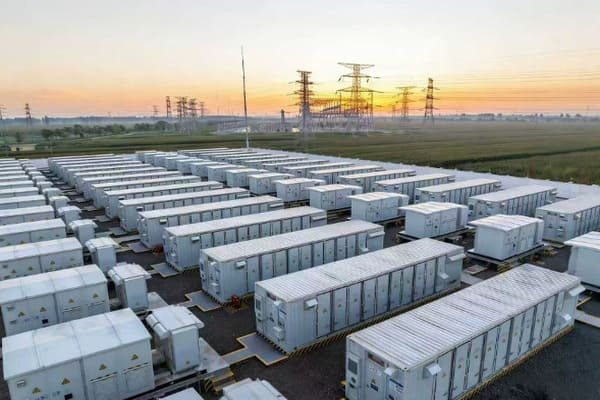
Energy storage cabinets (BESS) are special dangerous goods due to their massive energy capacity and specific UN3536 classification1. Unlike loose batteries, they are considered a complete system, demanding stricter packaging, handling, and documentation to prevent thermal runaway and ensure safe global transit.
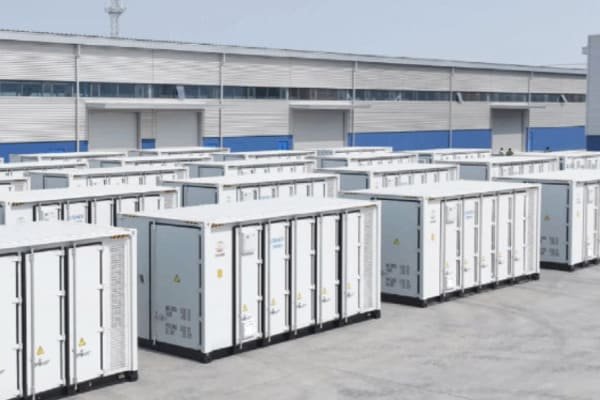
I've seen firsthand how confusing this can be for shippers. You might think a large cabinet is just a big battery, but the rules are completely different. This lack of clarity is where major problems begin. To help you avoid these issues, we need to look closer at what separates these products. Let's dive into the specifics of why these cabinets get special treatment.
Why Are Energy Storage Cabinets Defined As Special Dangerous Goods?
You're shipping a large, sealed unit. It seems safer than loose batteries, right? So why do regulators treat it with such high caution, causing you extra paperwork and costs?
Energy storage cabinets are defined as special dangerous goods because of their high-density energy, complex internal systems, and the potential for catastrophic thermal runaway. Their unique UN3536 classification reflects this heightened risk, which requires specialized handling and emergency response plans.
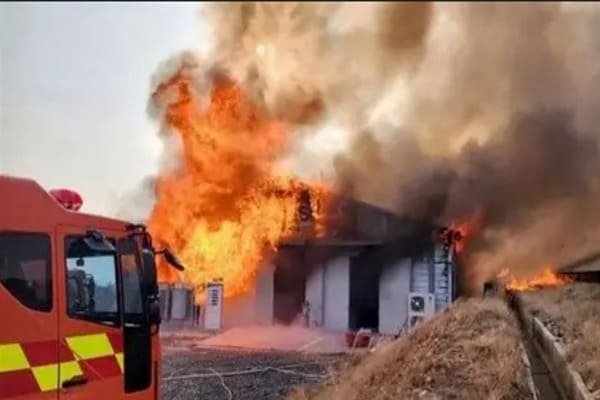
The key is understanding the UN3536 classification. This code isn't just for batteries; it's for "CARGO TRANSPORT UNITS containing lithium ion batteries."2 This means regulators see the entire cabinet—with its integrated inverters, cooling systems, and wiring—as a single, complex dangerous good. It's a different beast entirely from a pallet of individual battery packs. The regulations are designed to manage the immense potential energy stored inside these units, which is far greater than that of individual battery modules shipped separately.
Why a "System" is Riskier
The risk isn't just about one battery failing; it's about a chain reaction. A single faulty cell in a massive, interconnected system can trigger a thermal runaway event that spreads through the entire cabinet3. The energy release would be catastrophic, far greater than from a single loose battery. This is why the regulations are so strict. They demand special stowage on vessels4, away from other sensitive cargo, and require a freight forwarder with proven DG experience to manage the entire process, from factory pickup to final delivery. We handle this by ensuring every unit is properly declared and that the carrier understands the specific emergency response procedures required for UN3536 cargo.
What Are the Classification & UN Code Differences Between BESS and Loose Lithium Batteries?
You have two types of cargo: a pallet of battery modules and a fully assembled energy storage cabinet. They seem similar, but declaring them the same way will get you into trouble.
The main difference is the UN code. Loose lithium-ion batteries typically fall under UN3480.5 Energy storage cabinets (BESS) are classified under UN3536. This distinction is critical as UN3536 has far more stringent shipping requirements, including mandatory DG declaration and special vessel stowage.
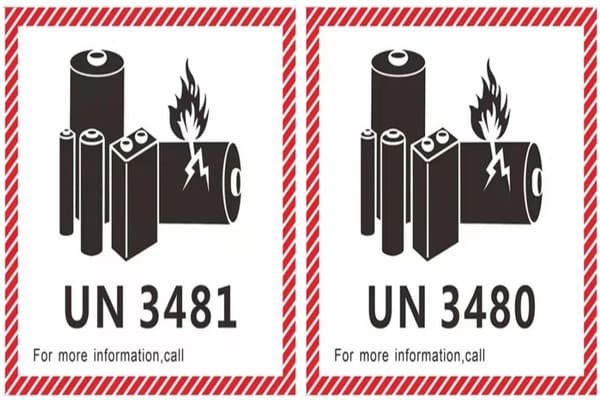
Let's get practical. Shipping loose batteries under UN3480 involves specific packaging instructions (like PI965 for air freight)6 and labeling. You pack them in UN-certified boxes, put the right labels on, and provide the Material Safety Data Sheet (MSDS). It's a defined process that, while complex, is fairly standardized across the industry. The focus is on the individual battery packs and ensuring they are packaged safely to prevent short circuits or damage during transit.
Beyond the Battery Box
UN3536, for BESS, treats the entire cabinet as the package. There's no outer box. This means the cabinet itself must be certified as strong enough to withstand transit. The documentation goes beyond a simple MSDS. You need to provide detailed technical specifications, test summaries, and proof of compliance with special provisions. As your forwarder, we need to submit this entire package to the carrier for approval long before the container even gets to the port. It’s a proactive, document-heavy process that trips up many inexperienced shippers. We manage this by creating a complete compliance dossier for your shipment, ensuring every technical detail is vetted and approved by the shipping line.
What's the Fundamental Gap Between Storage Cabinets and Household Power Banks?
Everyone has a power bank for their phone. So when you ship a pallet of them, it feels simple. But how does that compare to shipping a single, large energy storage cabinet?
The gap is scale and regulation. A power bank is a small, consumer item with a low Watt-hour (Wh) rating, often qualifying for shipping exemptions. A BESS is an industrial-grade system with an enormous energy capacity, falling under the strictest dangerous goods regulations with no exemptions.
The difference comes down to energy content, measured in Watt-hours (Wh). A typical power bank might be around 20-30 Wh. Air cargo regulations often have a 100 Wh limit per battery for them to be even considered for simpler shipping procedures. Because their energy content is so low, they are seen as a manageable risk, especially when shipped in limited quantities. These are consumer products designed for portability and personal use, and the regulations reflect that.
Industrial Power vs. Personal Power
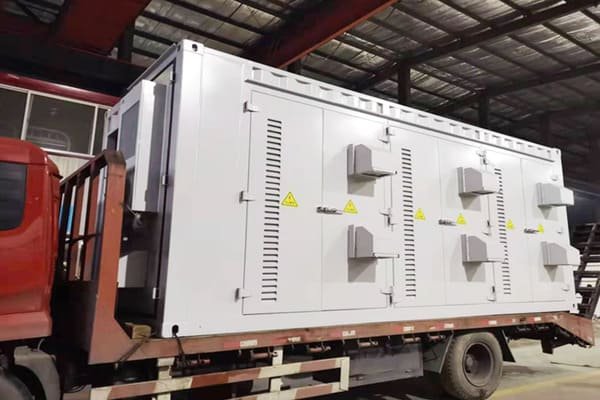
An energy storage cabinet, on the other hand, can contain thousands or even millions of Watt-hours7. It's designed to power a building or support a power grid8. Because of this massive energy concentration, there are zero exemptions. While you can ship a large quantity of power banks as general cargo if packed correctly, a single BESS unit always requires full DG handling. The construction also reflects this. Power banks are in simple plastic cases. A BESS is a heavy-duty, reinforced steel cabinet designed for industrial environments and to contain potential failures. They are fundamentally different products in purpose, construction, and most importantly, risk level.
How Does the Logistics Process Compare for BESS, Lithium Batteries, and Power Banks?
You have three different battery products ready to ship. Creating three separate logistics plans is a headache. Can't you just use one streamlined process for all of them?
No, the logistics are vastly different. BESS requires specialized heavy-lift equipment, full DG documentation under UN3536, and pre-approved vessel stowage. Loose batteries need UN-spec packaging and UN3480 declaration. Power banks might ship as general cargo if they meet certain low-energy criteria.
To make this crystal clear, let's compare the logistics requirements side-by-side. Each product category demands a unique approach, and trying to apply a one-size-fits-all strategy is a recipe for disaster. The differences in handling, documentation, and cost can be huge. Understanding these differences is the first step to a successful shipment.
Side-by-Side Logistics Comparison
Here is a breakdown of what you need to prepare for each type of cargo.
| Feature | BESS (Energy Storage Cabinet) | Loose Lithium Batteries | Household Power Banks |
|---|---|---|---|
| UN Code | UN3536 | UN3480 | Often exempt or general cargo |
| Packaging | The unit itself is the package | UN-certified boxes/crates | Standard export cartons |
| Documentation | Full DG Declaration, MSDS, Test Summary, Technical Specs | DG Declaration, MSDS, Test Summary | Commercial Invoice, Packing List |
| Handling | Heavy-lift cargo, crane/forklift | Standard pallet handling | Standard carton handling |
| Shipping Mode | Sea (special stowage), Rail DG | Air (cargo only), Sea, Rail | Air (passenger/cargo), Sea, Rail |
| Primary Risk | Catastrophic thermal runaway | Short-circuit, fire | Low risk due to small size |
As you can see, shipping a BESS is a project logistics task, not a standard freight movement. It involves heavy cargo transport, crane operations, and coordination with port authorities and carriers on a much deeper level.
What Are Common Shipping Pitfalls and How Can a Professional Forwarder Help?
You've double-checked your paperwork and feel confident. But your shipment is still flagged at the port. What did you miss? These hidden pitfalls can be incredibly frustrating and expensive.
Common pitfalls include incorrect UN code declaration9, incomplete MSDS or test summaries, and improper container loading. A professional forwarder prevents these by pre-vetting all documents with the carrier, supervising DG packing and loading, and managing the entire compliance process from start to finish.
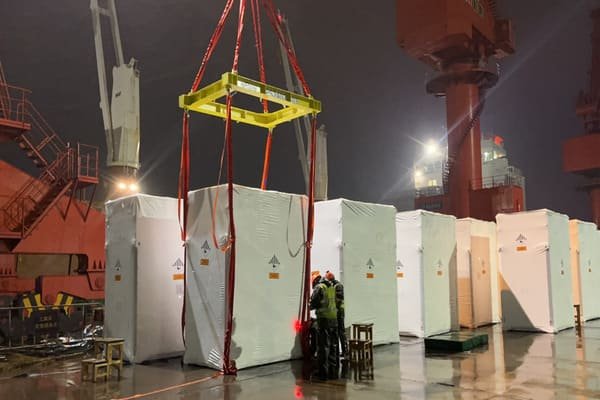
In my years of handling new energy cargo, I've seen the same mistakes repeated. These aren't small errors; they can lead to blacklisting by carriers, massive fines, and destroyed business relationships. The key is to be proactive and meticulous, which is often difficult without specialized experience.
Pitfall 1: Wrong UN Code
The most frequent error is declaring a UN3536 cabinet under the UN3480 code for loose batteries. Shippers sometimes do this thinking it will be easier or cheaper. It's not. Carriers and customs officials are highly trained to spot this discrepancy, and it results in immediate rejection of the cargo, causing major delays and rework costs.
Pitfall 2: Bad Paperwork
Another common failure is submitting an incomplete, expired, or inconsistent MSDS. The battery test summary (required under UN 38.3) must also be available and correct. Carriers will reject a booking if any document is missing or if the information doesn't perfectly match the cargo description. This is where we step in. Our team doesn't just book space. We act as your compliance department. We collect and pre-vet every single document, submitting them to the carrier for pre-approval before we even arrange a truck. We can supervise the container loading to ensure it meets IMDG standards, providing photos and reports. This proactive management is the only way to guarantee a smooth shipment.
Conclusion
Correctly classifying your BESS, batteries, or power banks is non-negotiable. Partnering with a DG expert like us ensures your energy products ship safely, compliantly, and without costly delays.
[PHMSA – Lithium Battery Guide (2024)](https://www.phmsa.dot.gov/sites/phmsa.dot.gov/files/2024-11/Lithium-Battery-Guide-2024.pdf) ↩
[PHMSA – Lithium Battery Guide (2024)](https://www.phmsa.dot.gov/sites/phmsa.dot.gov/files/2024-11/Lithium-Battery-Guide-2024.pdf) ↩
[NREL – Technical Report (FY08OSTI/42716)](https://docs.nlr.gov/docs/fy08osti/42716.pdf) ↩
[PHMSA – Lithium Battery Guide (2024)](https://www.phmsa.dot.gov/sites/phmsa.dot.gov/files/2024-11/Lithium-Battery-Guide-2024.pdf) ↩
[PHMSA – Lithium Battery Guide (2024)](https://www.phmsa.dot.gov/sites/phmsa.dot.gov/files/2024-11/Lithium-Battery-Guide-2024.pdf) ↩
[FAA – ICAO Lithium Battery Summary Chart](https://www.faa.gov/hazmat/safecargo/icao-lithium-battery-summary-chart) ↩
[NREL – Technical Report (FY19OSTI/74426)](https://docs.nlr.gov/docs/fy19osti/74426.pdf) ↩
[EIA – Energy Storage for Electricity Generation](https://www.eia.gov/energyexplained/electricity/energy-storage-for-electricity-generation.php) ↩
[FAA – Civil Penalty Against LG Energy Solution](https://www.faa.gov/newsroom/faa-proposes-60000-civil-penalty-against-lg-energy-solution-alleged-hazardous-materials) ↩