
Worried about 2026 peak season shipping? Rising costs and delays can disrupt your business. A smart plan is your best defense against the coming chaos.
To avoid 2026 peak season congestion and surcharges, you must plan far in advance. Book your shipments early, be flexible with your routes, and partner with an experienced freight forwarder who has stable carrier relationships. This proactive approach is key to smooth shipping.
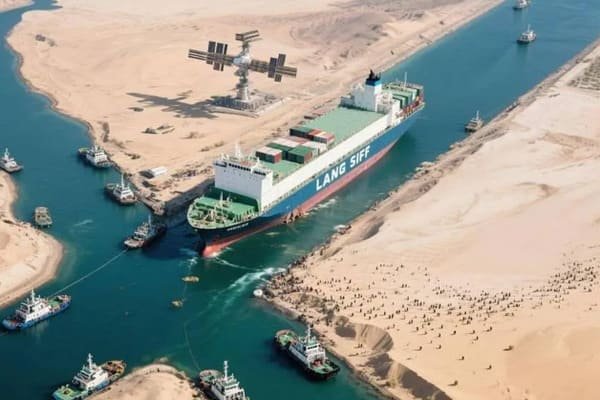
The global shipping landscape is more volatile than ever.1 What worked last year might not work in 2026. The turmoil across major shipping lanes means that delays and extra costs are almost guaranteed if you don't prepare. Understanding these new challenges is the first step to overcoming them. Let's break down exactly what you need to know to protect your supply chain and your bottom line.2
When Is The 2026 Peak Shipping Season?
Don't get caught by surprise. Shipping during peak season without knowing the key dates can lead to unexpected delays and costs. Let's map out the timeline for you.
The 2026 peak shipping season typically starts in late summer (August) and runs through late autumn (November)3. This period sees high demand for holidays like Black Friday and Christmas. However, other events throughout the year also create smaller, but significant, shipping peaks.
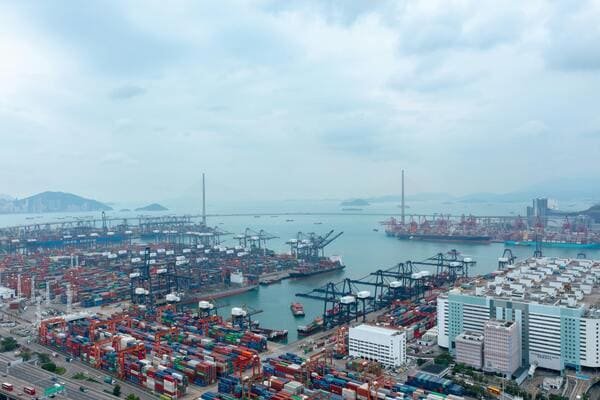
While we often think of peak season as one long period in the fall, it's more accurate to think of it as a series of sprints throughout the year. Each one puts pressure on vessel space and port capacity. Based on my years in this business, I've seen many companies miss their targets because they only focused on the main holiday rush. In 2026, you need to be aware of the full calendar.
Key Shipping Rush Periods in 2026
| Period | Timeframe | Main Drivers | Impact |
|---|---|---|---|
| Pre-Lunar New Year Rush | Jan - Early Feb | Factories in China and other parts of Asia close for Lunar New Year. Companies rush to ship out products before the shutdown. | A sharp, intense spike in demand for vessel space out of Asia. |
| Back-to-School Season | Jul - Aug | Retailers stock up on electronics, apparel, and school supplies for the upcoming school year. | The official start of the major peak season, with rates beginning to climb. |
| Holiday Peak Season | Aug - Nov | This is the big one. Global demand for Black Friday, Cyber Monday, and Christmas inventory is at its highest. | Extreme pressure on capacity, highest freight rates, and increased risk of port congestion. |
Understanding these windows allows you to plan your production and shipping schedules to avoid the absolute worst of the congestion.
Why Will 2026 Be An Especially Challenging Peak Season?
Think 2026 will be business as usual? Geopolitical tensions and ongoing capacity shortages are creating a perfect storm for shippers. Ignoring these risks is a costly mistake.
2026 will be especially challenging due to persistent global issues. The turmoil in the Red Sea and other key lanes means longer routes, less vessel space, and higher freight rates. This instability makes delays and shipment roll-overs much more common than in previous years.
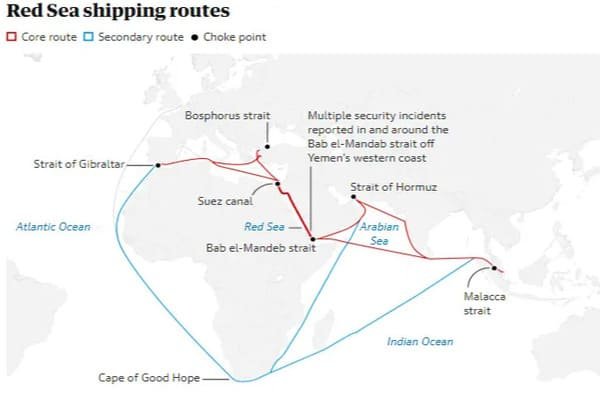
I've been in logistics for over 20 years, and the current situation is one of the most unpredictable I've ever seen. The "new normal" is constant disruption. The issues that began in the Red Sea are not going away quickly.4 They have a domino effect across the entire global supply chain. Carriers are forced to reroute ships around the Cape of Good Hope in Africa, which adds 10-14 days to a typical Asia-Europe journey5.6 This ties up vessels for longer, effectively reducing the total available capacity on the market. When there are fewer ships available, competition for space becomes fierce. This leads to the frequent "roll-overs" we're seeing, where a container gets bumped to a later sailing even though it was booked. It’s a massive headache for businesses trying to manage inventory.
The Three Core Challenges for 2026:
- Persistent Route Instability: Ongoing conflicts in the Red Sea, Middle East, and parts of South America force carriers to use longer, more expensive routes. This isn't a temporary problem; it's a long-term strategic shift that will define 2026.
- Reduced Effective Capacity: Even with the same number of ships, longer transit times mean each vessel can make fewer trips per year. This creates a capacity crunch, pushing rates up and making it harder to secure space.
- Port Congestion Knock-On Effects: Unpredictable vessel arrivals overwhelm ports7. A ship arriving a week late can cause a backlog that takes weeks to clear, leading to delays in unloading your cargo.
What Are The Hidden Costs & Surcharges To Watch For?
Your freight quote is just the beginning. Hidden surcharges can inflate your final shipping bill significantly. Knowing what to look for protects your budget from surprises.
You must watch for surcharges like the Peak Season Surcharge (PSS), General Rate Increase (GRI), and Emergency Bunker Surcharge (EBS). Carriers add these fees to cover increased operational costs during high-demand periods or due to unexpected events like fuel price spikes.
One of the biggest frustrations for my clients is an invoice that is much higher than the initial quote. This is almost always due to surcharges. In a volatile market like the one we expect in 2026, carriers will use these fees to protect their own margins. A GRI can be announced with little notice, adding hundreds of dollars per container. A PSS is almost guaranteed during the peak months. And with longer routes being taken, fuel consumption goes up8, making Emergency Bunker Surcharges more likely. The key is to not see these as "hidden," but as expected variables. A good logistics partner will help you anticipate and budget for them.
Common Surcharges in 2026
| Surcharge Name | Abbreviation | What It Is |
|---|---|---|
| Peak Season Surcharge | PSS | An extra fee applied by carriers during high-demand periods to manage the increased volume and operational strain. |
| General Rate Increase | GRI | An adjustment to ocean freight rates across the board, usually implemented by carriers in response to market demand. |
| Emergency Bunker Surcharge | EBS | A fee to cover unexpected, significant increases in fuel (bunker) costs. Very common when routes are changed suddenly. |
| Congestion Surcharge | CGS | A fee applied when ships have to wait at congested ports, covering the cost of delays. |
| Demurrage & Detention | D&D | Fees for using the container beyond the allotted free time, either inside the port (Demurrage) or outside (Detention). |
How Can You Avoid Congestion & Surcharges With Actionable Tips?
Feeling helpless against shipping chaos? You have more control than you think. These actionable tips can help you navigate the peak season smoothly and save money.
To avoid issues, book your shipments at least 4-6 weeks in advance. Also, consider alternative routes or ports, consolidate smaller shipments into a Full Container Load (FCL), and maintain clear communication with a reliable freight forwarder. These proactive steps are your best defense.
Over the years, I've helped thousands of clients navigate tough peak seasons. The successful ones all have one thing in common: they plan ahead and stay flexible. Waiting until the last minute is the surest way to face delays and pay the highest prices. In 2026, this will be more true than ever. We hold stable allocations with major carriers precisely because we work with our clients to forecast their needs far in advance. This allows us to reserve space before the market goes crazy. Here are the strategies we advise our most successful clients to follow.
Your 2026 Peak Season Action Plan
1. Book Far in Advance
This is the single most important tip. For peak season 2026, you should be looking to book your container space at least 4-6 weeks ahead of your desired departure date, if not more. This gives you the best chance of securing space at a reasonable rate.
2. Prepare Your Documents Perfectly
Customs delays are a common and costly problem.9 Ensure your commercial invoice, packing list, bill of lading, and any required certificates are 100% accurate and complete before the shipment leaves. One small error can hold up your container for weeks.
3. Be Flexible with Routes and Ports
If your primary port is congested, ask your forwarder about alternatives. Shipping to a less busy port nearby and using trucking for the final leg can sometimes be faster and cheaper than waiting in a long queue at a major hub.
4. Partner with a Reliable Forwarder
In a chaotic market, your forwarder is your most important ally. A good partner, like us at DeepLinker, has deep industry relationships and access to carrier allocations that you can't get on your own. We can help you find solutions when space is tight.
5. Consider a Multi-Modal "Sea-Air" Solution
If you're running late but can't afford full air freight, a sea-air combination can be a great compromise.10 This service ships your cargo by sea to a hub like Dubai or Los Angeles, then transfers it to a plane for the final, urgent leg of the journey. It's faster than the ocean and cheaper than air.
Conclusion
The 2026 peak season will be challenging, but not impossible. Early planning, flexibility, and a strong logistics partner are your keys to avoiding delays and unexpected costs. Prepare now.
Global Supply Chain Stress Index — interactive data tracking global supply chain pressure — *World Bank*: https://www.worldbank.org/en/data/interactive/2025/04/08/global-supply-chain-stress-index ↩
Supply chain — the network of organizations, people, and activities involved in moving a product from supplier to customer — *Wikipedia*: https://en.wikipedia.org/wiki/Supply_chain ↩
Seasonal Demand Patterns in Global Trade — peer-reviewed research on peak-season shipping cycles — *National Center for Biotechnology Information (NCBI/PMC)*: https://pmc.ncbi.nlm.nih.gov/articles/PMC10076166/ ↩
Red Sea crisis — the ongoing disruption to shipping through the Red Sea and Suez Canal route — *Wikipedia*: https://en.wikipedia.org/wiki/Red_Sea_crisis ↩
Red Sea Diversions Add Distance and Time to Shipping Routes — energy and transit-time analysis of Cape of Good Hope rerouting — *U.S. Energy Information Administration (EIA)*: https://www.eia.gov/todayinenergy/detail.php?id=61363 ↩
Cape of Good Hope — the rocky headland on the Atlantic coast of South Africa, now a major detour route for Asia-Europe shipping — *Wikipedia*: https://en.wikipedia.org/wiki/Cape_of_Good_Hope ↩
Port Congestion and Supply Chain Resilience — World Bank report on unpredictable vessel arrivals and port backlogs — *World Bank*: https://documents1.worldbank.org/curated/en/099060324114539683/pdf/P17583313892300871be641a5ea7b90e0e6.pdf ↩
Fuel Consumption and Emissions in Maritime Shipping — peer-reviewed research on route length and bunker fuel use — *National Center for Biotechnology Information (NCBI/PMC)*: https://pmc.ncbi.nlm.nih.gov/articles/PMC9051841/ ↩
Trade Facilitation and Customs Delays — analysis of the costs of customs clearance bottlenecks — *International Monetary Fund (IMF) eLibrary*: https://www.elibrary.imf.org/display/book/9798400200120/CH004.xml ↩
Multimodal transport — the movement of goods using two or more modes of transport (e.g., sea-air) under a single contract — *Wikipedia*: https://en.wikipedia.org/wiki/Multimodal_transport ↩