
Shipping large, unpacked cargo is stressful. You worry about damage from movement and the elements. Proper preparation is the key to ensuring your valuable goods arrive safely and intact.
The best way to prevent slippage and damage is by using a multi-layered approach. This includes securing the cargo with proper lashing and blocking, using anti-slip mats to increase friction, and protecting it from moisture with waterproof tarps or specialized VCI film1.
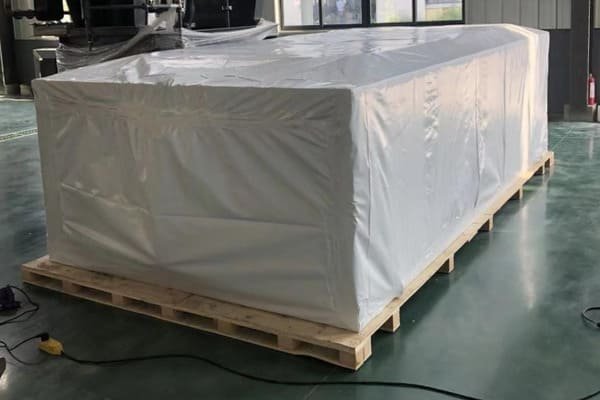
When I first started in logistics, I saw a client lose a huge amount of money because a piece of custom machinery arrived rusted and dented. They thought just putting it on a ship was enough. That experience taught me a valuable lesson: preparation isn't just a step, it's everything. Understanding the specific dangers your cargo faces at sea is the first step toward building a bulletproof shipping plan. Let's explore what those risks are and how you can defeat them.
What are the main risks for heavy bare cargo during ocean transportation?
Shipping heavy equipment feels like a gamble. A single incident at sea can lead to costly damages and project delays. Understanding the specific threats is your first line of defense.
The primary risks are physical movement, collision, and environmental damage2. Slippage from the ship's motion, impact against other items or container walls, and corrosion from saltwater and humidity are the main things you need to prevent.
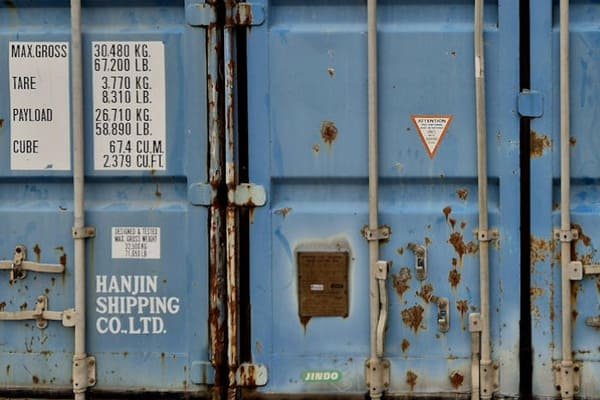
A ship at sea is a constantly moving platform. It doesn't just move forward; it rolls, pitches, and sways. These ship motions are powerful and can easily overcome the simple friction holding your cargo in place.3 Once it starts to slide, even by a few inches, a chain reaction can begin. The cargo can slam into the container walls or collide with other items, causing dents, cracks, or critical structural damage. Beyond physical forces, the marine environment itself is an enemy. Saltwater spray and high humidity create a perfect storm for rust and corrosion4, especially for unpacked metal machinery. Even condensation inside a container, known as "container rain," can cause significant water damage over a long voyage.
Key Risks Breakdown
| Risk Category | Specific Threat | Potential Consequence |
|---|---|---|
| Movement | Slippage, Shifting | Cargo breaks loose, lashing fails, uneven weight distribution |
| Impact | Collision, Abrasion | Dents, scratches, structural damage, broken components |
| Environment | Corrosion, Moisture | Rust, water damage, electrical system failure |
What practical methods for anti-slip, anti-collision and moisture protection?
You know the risks, but how do you fight them? It seems complex, and using the wrong materials or methods can be as bad as using none. The solution is in proven, practical techniques.
Use high-friction rubber mats and wooden blocks (dunnage) to stop sliding. Secure the cargo with heavy-duty chains or straps (lashing) to prevent movement. Finally, wrap it in waterproof tarps or VCI film to block moisture and rust.
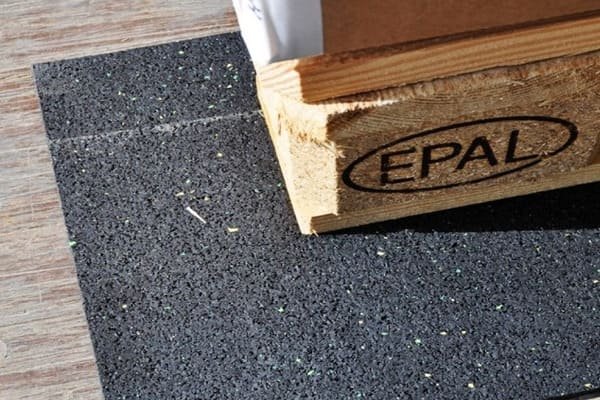
Protecting your cargo is a hands-on job that combines basic physics with the right materials. Think of it as building a safe, custom-made cocoon for your shipment. For anti-slip, we place special rubber mats under the cargo to dramatically increase friction.5 Then, we build a frame of wooden blocks, called dunnage%%%FOOTNOTE_REF6%%%, to chock and block the base, preventing any movement. For anti-collision, we use heavy-duty [lashing](https://en.wikipedia.org/wiki/Lashing(ropework)).7 This involves securing the cargo from multiple angles with chains or synthetic straps to fixed strong points on the flat rack or ship deck. The angles and tension are calculated to counteract the ship's motion. For moisture, a simple heavy-duty tarp is good, but for sensitive machinery, we use VCI (Volatile Corrosion Inhibitor) film. This special plastic wrap releases a harmless vapor that stops rust from forming on metal surfaces.
Protection Methods Overview
| Protection Goal | Method | How It Works |
|---|---|---|
| Anti-Slip | Anti-Slip Mats, Dunnage | Increases friction and physically blocks the cargo from sliding. |
| Anti-Collision | Lashing, Bracing, Padding | Tightly secures the cargo to prevent any movement and cushions potential impact points. |
| Moisture-Proof | Tarpaulins, VCI Film | Creates a physical barrier against water and a chemical barrier against corrosion. |
Integrated logistics support for cargo safety and delivery?
Knowing the right methods is one thing, but executing them perfectly on a busy port is another. You might worry about finding the right materials and skilled labor. A specialized partner removes this burden.
An integrated logistics partner manages the entire process. We handle the carrier selection, and provide end-to-end tracking to ensure your cargo arrives safely and on time.
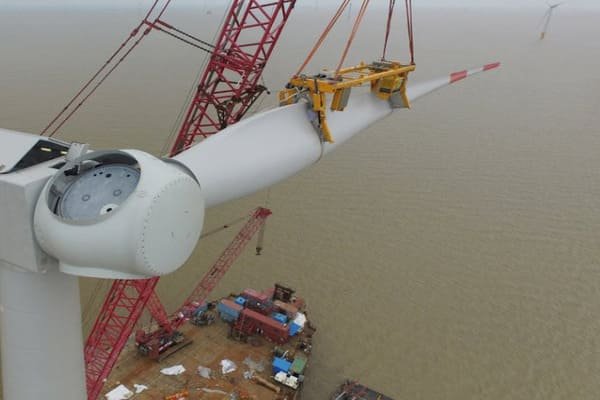
Working with a partner like us, Deeplinker, transforms the process from a series of challenges into a single, managed solution. It starts long before your cargo reaches the port. We conduct a detailed survey of your cargo to understand its specific needs—its weight, center of gravity, and lifting points.8 Based on this, we create a detailed method statement that outlines exactly how it will be lifted, placed, and secured. I remember a project involving a delicate, oversized generator for a plant in Mexico. Our team designed a custom steel cradle and specified the exact lashing pattern and tension required. We supervised the entire loading process to ensure our plan was followed perfectly. This is what integrated support means: we provide the expertise, source the correct materials, manage the skilled labor, and handle all the complex documentation, ensuring nothing is left to chance.
Conclusion
The key to safe sea freight for oversized cargo is proactive protection. By planning ahead, using the right methods, and working with an experienced logistics partner, you can ensure your goods arrive safely.
Volatile corrosion inhibitor (VCI) — a chemical compound that releases vapor to protect metal surfaces from rust — *Wikipedia*: https://en.wikipedia.org/wiki/Volatile_corrosion_inhibitor ↩
CTU Code — the IMO/ILO/UNECE Code of Practice for Packing of Cargo Transport Units — *International Plant Protection Convention (IPPC)*: https://www.ippc.int/sites/default/files/documents/1362665459_CTU_Code_Draft_CoP_2013_v1.pdf ↩
Ship motions — the six degrees of freedom (roll, pitch, yaw, heave, sway, surge) that a vessel experiences at sea — *Wikipedia*: https://en.wikipedia.org/wiki/Ship_motions ↩
Atmospheric Corrosion of Metals in Marine Environments — peer-reviewed research on saltwater and humidity-induced corrosion — *National Center for Biotechnology Information (NCBI/PMC)*: https://pmc.ncbi.nlm.nih.gov/articles/PMC5506973/ ↩
Friction — the force resisting relative motion between surfaces in contact — *Wikipedia*: https://en.wikipedia.org/wiki/Friction ↩
Cargo Securing Methods for Packages in Transport Vehicles or Freight Containers — official rulemaking on blocking and bracing (dunnage) — *U.S. Federal Register*: https://www.federalregister.gov/documents/2010/01/08/2010-106/cargo-securing-methods-for-packages-in-transport-vehicles-or-freight-containers ↩
Lashing (ropework) — the technique of securing cargo with ropes, chains, or straps to prevent movement — *Wikipedia*: https://en.wikipedia.org/wiki/Lashing_(ropework) ↩
Center of mass (center of gravity) — the point where an object's weight is evenly distributed, critical for safe lifting and stowage — *Wikipedia*: https://en.wikipedia.org/wiki/Center_of_mass ↩