

Are you worried about shipping delays during the World Cup? This global event creates huge logistics challenges1, leaving your cargo stuck and your customers waiting.
To avoid World Cup shipping delays, you need to plan ahead. Book your container space at least 4-6 weeks in advance, maintain flexible shipping dates.2
Shipping during a massive global event like the World Cup can feel like trying to navigate a storm. The demand for everything skyrockets, and the logistics network feels the pressure first.3 I’ve seen it happen time and time again. Businesses that aren't prepared get left behind, facing huge delays and unexpected costs. But it doesn't have to be that way. Understanding why these problems happen is the first step to avoiding them. Let's look at what's really going on behind the scenes so you can keep your supply chain moving smoothly.4
Why do shipping delays increase during the World Cup peak season?
The excitement of the World Cup creates a sudden, massive demand for goods. This surge overwhelms carriers and ports, causing a ripple effect of delays across the globe.
Shipping delays increase during the World Cup because of a sharp rise in demand for promotional items, electronics, and merchandise%%%FOOTNOTE_REF5%%%. This sudden volume overwhelms limited container space and port capacity, creating [bottlenecks](https://en.wikipedia.org/wiki/Bottleneck(production)) that slow down the entire supply chain from factory to final destination.6
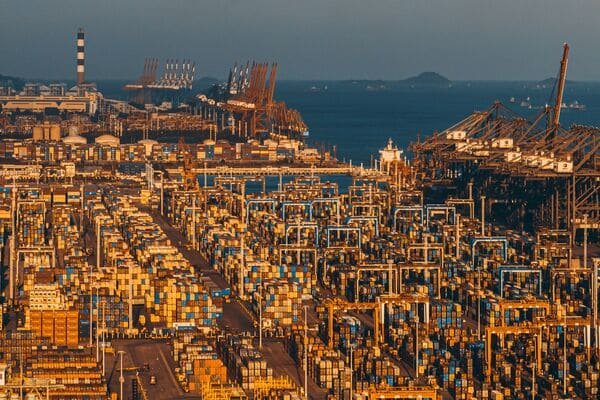
The Ripple Effect of Global Events
During major events like the World Cup or the Olympics, the demand for specific products explodes. Think about all the branded merchandise, new TVs for viewing parties, and promotional materials that need to be shipped worldwide. This isn't just regular cargo; it's time-sensitive freight that everyone wants delivered before the event starts. This sudden spike in demand puts immense pressure on shipping lines. Carriers have a fixed number of ships and containers.7 When demand outstrips supply, they start prioritizing cargo that pays a higher rate. I once had a client shipping outdoor furniture who got their booking bumped for a last-minute shipment of official team jerseys. It taught me a valuable lesson: during these peak times, you’re not just competing for space, you’re competing against urgency.
| Factor | Impact on Shipping |
|---|---|
| Increased Cargo Volume | Puts pressure on available container and vessel space. |
| Time-Sensitive Goods | Creates intense competition for the fastest routes. |
| Port Labor Shortages | Holiday schedules can reduce workforce and slow processing. |
| Carrier Prioritization | Airlines and shipping lines may favor higher-paying freight. |
How does port congestion affect transit time?
Your container has arrived at the port, but it's not moving. This gridlock adds unexpected weeks to your delivery schedule, frustrating you and your customers waiting for their products.
Port congestion directly adds days or even weeks to your transit time8. Ships wait in long queues to dock, containers are slow to unload, and ground transport faces major backlogs. This domino effect means your cargo sits idle at multiple stages, delaying its final delivery.
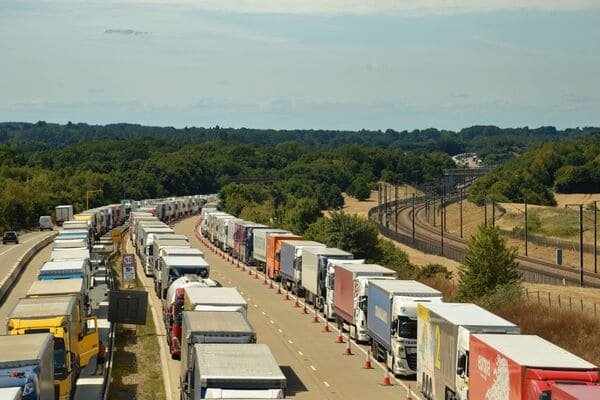
Breaking Down the Congestion Chain
Port congestion is not just one problem; it's a chain reaction of several smaller issues. First, ships arrive and have to wait at anchor for days because all the berths are full.9 Once a ship finally docks, the process of unloading the containers is slowed down because the container yard on shore is already full. Your container might be offloaded, but it then joins a massive pile, waiting to be picked up. Then comes the next hurdle: customs. With the surge in shipments, customs officials are overwhelmed, leading to longer inspection times.10 Finally, even if your container is cleared, there may not be enough truck drivers or available chassis to move it out of the port.11 I’ve seen containers sit at a port for over two weeks after being unloaded, simply waiting for a truck. Each step in this chain adds another layer of delay, turning a predictable timeline into a frustrating waiting game.
| Congestion Stage | Typical Delay Added |
|---|---|
| Vessel Queuing | 2-7 days |
| Yard Congestion | 3-10 days |
| Customs Clearance | 1-5 days |
| Truck/Rail Backlog | 2-7 days |
How can you secure container space during high demand?
Finding an available container during peak season feels impossible. Your products are ready, but you have no way to ship them, while your competitors' goods are already on the water.
To secure container space, you must book your shipment 4-6 weeks in advance. Also, build a strong relationship with your freight forwarder, be flexible with your shipping dates and routes, and consider paying for premium, guaranteed services for your most critical shipments.12

Proactive Booking Strategies
Waiting until the last minute during a peak season like the World Cup is a recipe for disaster. The key is to be proactive. The single most effective strategy is to book your space far in advance. At Deeplinker, we advise our clients to confirm bookings at least a month, sometimes even six weeks, ahead of their desired departure date. This gives us time to lock in space with carriers before it's all gone. Flexibility is also a huge advantage. If you can be flexible with your shipping dates by a week or two, or if you're open to using a slightly less direct route or an alternative port, it opens up many more options. Sometimes, shipping from a smaller, less congested port can save you both time and money. For extremely urgent cargo, it's worth discussing premium service options with your forwarder. These services cost more, but they often come with a "no roll" guarantee, meaning your container won't be bumped from the vessel.13
| Booking Strategy | Description | Best For |
|---|---|---|
| Standard Booking | Booking 1-2 weeks in advance. | Low-priority cargo during off-peak season. |
| Advance Booking | Booking 4-6+ weeks in advance. | All cargo during peak season. |
| Flexible Routing | Using alternative ports or routes. | Cost-sensitive shippers who can tolerate longer transit. |
| Premium Service | Paying extra for guaranteed space. | Time-sensitive, high-value shipments. |
How do freight forwarders help manage shipping risks?
Shipping is filled with uncertainties, from lost cargo to customs fines. Trying to manage it all yourself can lead to costly mistakes that damage your business and reputation.
A good freight forwarder acts as your risk manager. They use their network to secure space, handle complex customs paperwork to prevent delays, offer cargo insurance to protect your investment14, and provide real-time tracking and problem-solving when issues arise.15

Your Logistics Partner in Action
A freight forwarder is more than just a booking agent; we are your strategic partner in navigating the complexities of global logistics. Our value comes from our expertise and our network. We have long-standing relationships with multiple carriers, which gives us leverage to find space and negotiate better terms, especially during chaotic times. We also handle all the documentation. I remember a new client who tried to handle their own customs paperwork to save money. Their container was held for three weeks due to a simple error, costing them far more in delays than our fee would have been. We prevent that from happening. Furthermore, we manage risk. We can advise on the best way to pack your cargo and offer comprehensive insurance to protect you from damage or loss.16 When something goes wrong—and in logistics, it sometimes does—we are the ones on the phone at 3 AM with the port or the carrier, finding a solution so you don't have to.
| Forwarder Service | Risk Mitigated |
|---|---|
| Carrier Network Access | Risk of not finding space or paying high rates. |
| Customs Brokerage | Risk of delays, fines, and confiscation due to errors. |
| Cargo Insurance | Financial risk from damaged or lost goods. |
| Real-Time Tracking | Risk of uncertainty and poor supply chain visibility. |
| Contingency Planning | Risk of disruption from unforeseen events (e.g., strikes, weather). |
Conclusion
With advance planning and a trusted logistics partner, you can navigate World Cup shipping peaks, ensuring your cargo arrives safely and on time without the stress.
Sustainable Transportation and Mega Sporting Events in Arab Countries: the Case of Qatar — *Academia.edu*: https://www.academia.edu/106860101/Sustainable_Transportation_and_Mega_Sporting_Events_in_Arab_Countries_the_Case_of_Qatar ↩
Intermodal container — a standardized steel box used for the efficient transport of goods across ship, rail, and truck — *Wikipedia*: https://en.wikipedia.org/wiki/Intermodal_container ↩
Logistics — the management of the flow of goods between origin and point of consumption to meet customer requirements — *Wikipedia*: https://en.wikipedia.org/wiki/Logistics ↩
Supply chain — the network of organizations, people, and activities involved in moving a product from supplier to customer — *Wikipedia*: https://en.wikipedia.org/wiki/Supply_chain ↩
Sports Industry: Managing & Marketing research guide — *Library of Congress*: https://guides.loc.gov/sports-industry/sports-managing-marketing ↩
Bottleneck — a point of congestion in a system that limits overall throughput and capacity — *Wikipedia*: https://en.wikipedia.org/wiki/Bottleneck_(production) ↩
Shipping lines — companies operating cargo vessels on fixed routes; carrier capacity is finite during peak demand — *Wikipedia*: https://en.wikipedia.org/wiki/List_of_freight_ship_companies ↩
Port congestion and its economic impact — *World Bank*: https://documents1.worldbank.org/curated/en/099060324114539683/pdf/P17583313892300871be641a5ea7b90e0e6.pdf ↩
Berth — a designated location in a port where a vessel is moored for loading and unloading — *Wikipedia*: https://en.wikipedia.org/wiki/Berth_(moorings) ↩
Customs — the authority responsible for controlling the flow of goods and collecting duties at borders — *Wikipedia*: https://en.wikipedia.org/wiki/Customs ↩
Container chassis — a wheeled trailer frame used to transport shipping containers by road — *Wikipedia*: https://en.wikipedia.org/wiki/Container_chassis ↩
Freight forwarder — an agent that organizes shipments and arranges carriage of goods on behalf of shippers — *Wikipedia*: https://en.wikipedia.org/wiki/Freight_forwarder ↩
Rolled cargo — freight bumped from its booked vessel to a later sailing, often due to overbooking or congestion — *Wikipedia*: https://en.wikipedia.org/wiki/Rolled_cargo ↩
Cargo Insurance — *International Trade Administration (trade.gov)*: https://beta.trade.gov/article?id=Cargo-Insurance ↩
Customs broker — a licensed professional who handles clearance procedures and documentation on behalf of importers/exporters — *Wikipedia*: https://en.wikipedia.org/wiki/Customs_broker ↩
Marine insurance — coverage protecting cargo owners against loss or damage of goods during transport — *Wikipedia*: https://en.wikipedia.org/wiki/Marine_insurance ↩