
Shipping electric cars to Kenya seems complicated and full of risks. But you could be missing a huge market opportunity. This guide will help you navigate the process with confidence.
The best way to benefit is by using Kenya's new duty-free policy for the first 100,000 EVs. Combine this with the right container choice and proper loading methods. This strategy cuts your costs and ensures your vehicles arrive safely, boosting your business.

I've been in the logistics business for over 20 years, and I've seen how government policies can create incredible chances for growth. Kenya's latest move with electric vehicles is one of those moments.1 But just knowing about the policy isn't enough. You also need to master the practical side of shipping, which is getting the cars from your factory to the customer without a scratch. It's a process with many small but important steps. In this article, I'll walk you through everything I've learned, from understanding the new tax rules to physically loading the cars. This information will help you avoid common mistakes and make your expansion into the East African market a success.
What Is Kenya's New 100,000 EV Import Tax Exemption Policy?
High import taxes often stop businesses from entering new markets. You could waste a lot of money on duties. Now, Kenya’s new policy offers a massive tax break.
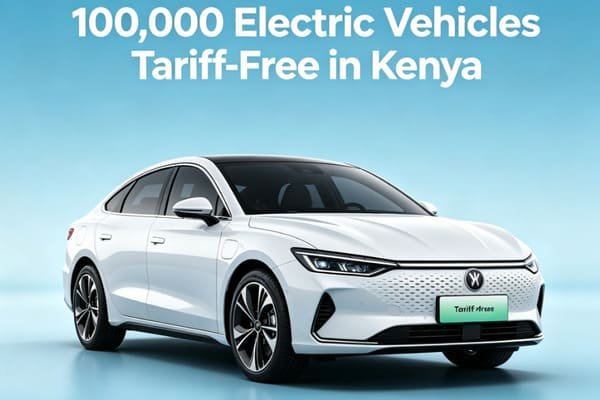
Kenya now allows the import of 100,000 electric vehicles completely duty-free2. This is a limited-time opportunity for exporters. It helps you cut import costs by a lot and gives you a big advantage in the competitive East African market.
This new policy is a game-changer for anyone looking to export EVs to Kenya. I've seen policies like this open up entire markets overnight. The government is trying to encourage green energy and reduce its reliance on fossil fuels, and this tax exemption is their way of making it happen fast. For you, the exporter, the benefits are immediate and clear. You can offer your vehicles at a much more competitive price, which can make all the difference.
The Financial Impact
The savings are significant. Normally, importing a vehicle into Kenya involves several layers of taxes. This can include import duty, excise duty, and VAT3, which together can add a huge amount to the final cost. With this new policy, those taxes are waived for the first 100,000 units. Let’s look at a simple breakdown:
| Cost Component | Standard Import | Duty-Free EV Import |
|---|---|---|
| Vehicle Cost | $20,000 | $20,000 |
| Shipping & Ins. | $2,000 | $2,000 |
| Import Duties | ~$5,000 | $0 |
| Excise Duties | ~$4,000 | $0 |
| Landed Cost | ~$31,000 | $22,000 |
Note: These figures are estimates to show the potential savings.
Seizing the Opportunity
The key thing to remember is that this opportunity is limited to 100,000 units. This creates a sense of urgency. The first movers who can navigate the shipping and customs process efficiently will capture the market. As a freight forwarder, my job is to help you be one of them. We keep track of the policy details and ensure all your paperwork is perfect, so you can claim this benefit without any hitches.
Which Container Should You Choose for Shipping Sedans and SUVs?
Choosing the wrong container can damage your valuable vehicles or waste money. Imagine your cars arriving scratched or paying for unused space. I'll show you the right container choice.
For most sedans, a standard 40-foot container can safely fit two vehicles. If you are shipping larger SUVs, you will need a 40-foot High Cube (HC) container. The extra height is necessary to provide enough room for safe loading and securing.
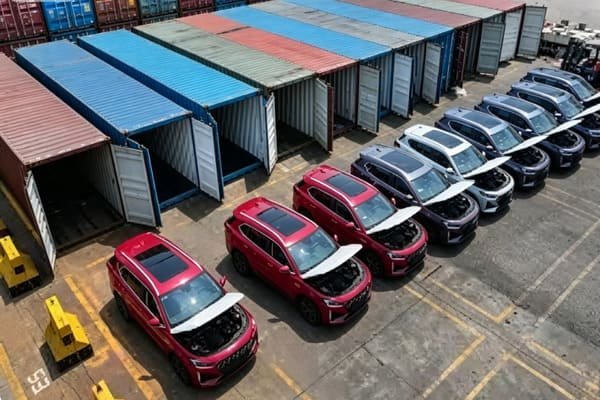
Choosing the right container is one of the first decisions you'll make, and it has a big impact on both cost and safety. Over the years, I've seen clients try to save a little money by picking the wrong size, only to face bigger costs from damages later. Let's break down the common choices so you can make an informed decision for your sedans and SUVs.
Container Types for Vehicle Shipping
The most common containers for shipping cars are 40-foot intermodal containers.4 A 20-foot container is usually not cost-effective for this job, as it can only hold one car5, and the cost per car ends up being much higher than shipping two in a 40-foot container.
-
40-foot Standard Container: This is the workhorse for shipping sedans. It has enough length to fit two standard-sized cars, one behind the other. We build a wooden ramp inside to load the second car above the front of the first one. It’s a very efficient method.
-
40-foot High Cube (HC) Container: This is my recommendation for SUVs and other large vehicles. An HC container is about a foot taller than a standard container. That extra height is crucial. It gives you the clearance needed to load tall vehicles without risking damage to the roof. Trying to squeeze a large SUV into a standard container is a recipe for disaster.
A Quick Comparison
Here is a simple table to help you decide.
| Container Type | Best For | Capacity | Key Feature |
|---|---|---|---|
| 40ft Standard | Sedans, Small Cars | 2 cars | Cost-effective for standard-sized vehicles. |
| 40ft High Cube (HC) | SUVs, Vans, Trucks | 2 cars (or 1 large) | Extra height for tall vehicles, ensures safety. |
I remember a client who insisted on using a standard 40-foot container for two large SUVs. We strongly advised against it. After we showed them the measurements, they realized the roofs would be just centimeters from the container ceiling, leaving no room for movement during transit. They switched to a High Cube, and the vehicles arrived in perfect condition. It’s always better to have a little extra space than not enough.
How Should You Properly Load and Secure Vehicles in a Container?
Improper loading is the number one cause of damage during vehicle shipping. Your cars could shift, collide, and arrive in terrible condition. Follow these standard procedures for a safe journey.
First, drive or winch the vehicle into the container carefully. Then, secure it at all four wheels using strong ratchet straps and wheel chocks to stop any movement. Finally, disconnect the battery6 and make sure the fuel tank is almost empty to follow safety rules.
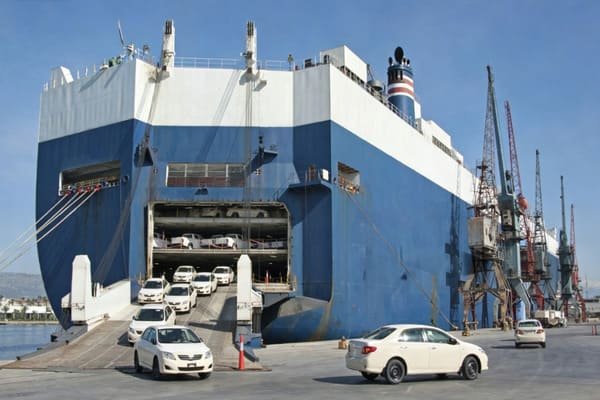
I can't stress this part enough: securing the vehicle is the most critical step in the entire shipping process. A car is a heavy, rolling object. Inside a container on a ship that is rocking on the ocean, it can become a very destructive force if it's not tied down correctly. At my company, we have a strict, standardized process for loading every single car because we know there are no shortcuts to safety.
Step-by-Step Loading and Securing Guide
Here is the process our professional teams follow every time.
-
Preparation is Key: Before the car even goes near the container, we make sure it's ready. This means the fuel tank should be no more than 1/4 full7, which is a requirement for safety. We also disconnect the battery to prevent any electrical issues during transit. We do a final check for any fluid leaks.
-
Careful Loading: We use a specialized ramp to guide the vehicle into the container. We never rush this part. The car is moved in slowly, either by driving it carefully or using a winch for non-running vehicles.8 We position it precisely to leave enough room on all sides for the securing process.
-
The Four-Point Tie-Down: This is the industry standard for a reason. We use four heavy-duty ratchet straps, one for each corner of the vehicle.9 These straps are hooked into the strong lashing points built into the floor of the container. We attach the other end to the vehicle's frame or through the wheels, never to fragile parts like the suspension or exhaust.
-
Final Securing and Checks: After the straps are in place, we use wooden or rubber wheel chocks, wedging them tightly against the front and back of each tire. This provides a second layer of protection against rolling. Then, we tighten the ratchet straps until the vehicle's suspension is slightly compressed. This ensures the car is truly part of the container and won't bounce or shift. We take photos of the secured vehicle as proof of proper loading.
This detailed process ensures that the vehicle stays exactly where we put it, no matter how rough the journey gets.
What Are the Key Things to Remember When Shipping Vehicles to Kenya?
Shipping to a new country can have hidden problems. A small mistake with paperwork or timing can lead to huge delays and fees. Here are the key points for Kenya.
You must have all your documents in order, like the Bill of Lading and Certificate of Conformity. Pay close attention to the vessel's cut-off times to avoid extra charges. Working with a freight forwarder who understands Kenyan customs is essential for a smooth process.

After helping clients ship goods all over the world for two decades, I know that success often comes down to paying attention to the details. Shipping to Kenya is no different. The Port of Mombasa has its own specific rules and rhythms.10 Getting these details right will save you time, money, and a lot of headaches. Let’s go over the most important points you need to keep on your radar.
Your Essential Checklist for Kenya Shipments
-
Documentation Must Be Perfect Accuracy is your best friend. Before your container is even booked, you need to gather all the required paperwork. This includes a Commercial Invoice, a detailed Packing List, the Bill of Lading (B/L), and for vehicles, a Certificate of Conformity (CoC) is often required to prove it meets Kenyan standards11.12 Any mistake or missing document can cause your container to be held by customs, leading to costly delays and storage fees.
-
Respect the Cut-Off Times Every shipping line has strict deadlines, known as "cut-off times." There's a cut-off for booking your spot, a cut-off for delivering the container to the port, and a cut-off for submitting shipping instructions. I once saw a client miss a document submission cut-off by just a few hours. Their container missed the vessel, and they had to pay fees to have it moved and re-booked for the next sailing a week later. We help our clients manage these timelines to prevent that.
-
Local Knowledge is Power Having a partner on the ground who understands the local customs procedures in Kenya is invaluable. They know how to classify goods correctly, how to handle inspections, and how to resolve issues quickly. This local expertise is what separates a smooth delivery from a logistical nightmare. Our team keeps up with the latest procedures at the Port of Mombasa to ensure your cargo clears customs as efficiently as possible.
-
Stay Updated on Policies The EV duty-free policy is a fantastic opportunity, but policies can change. It’s important to work with a forwarder who is always monitoring these regulations. We make it our business to know about these changes as they happen, so we can advise you on the best strategy for your shipments, ensuring you are always compliant and taking advantage of every available benefit.
Conclusion
Seizing Kenya's EV duty-free policy is a great opportunity. Proper container selection and secure loading are vital. We can help you navigate this process safely and cost-effectively for your business.
Electric vehicle — a vehicle powered by one or more electric motors using energy stored in batteries — *Wikipedia*: https://en.wikipedia.org/wiki/Electric_vehicle ↩
Government Exempts First 100,000 Imported Electric Vehicles from Import Duty — official policy announcement — *ITV Kenya (Facebook)*: https://www.facebook.com/ITV6Kenya/posts/government-exempts-the-first-100000-imported-electric-vehicles-from-import-duty-/1444868117655683/ ↩
KRA Motor Vehicle Import Duty Calculator — breakdown of import duty, excise duty, and VAT for vehicles entering Kenya — *CarLuv*: https://carluv.co.uk/kra-motor-vehicle-import-duty-calculator/ ↩
Intermodal container — a standardized steel container used across ship, rail, and truck transport — *Wikipedia*: https://en.wikipedia.org/wiki/Intermodal_container ↩
20 ft Container Dimensions — specifications and capacity limits of standard shipping containers — *Mobile Modular Containers*: https://www.mobilemodularcontainers.com/blog/20-ft-container-dimensions ↩
Electric and Hybrid Vehicles — safety guidance including battery handling for EVs — *U.S. National Highway Traffic Safety Administration (NHTSA)*: https://www.nhtsa.gov/vehicle-safety/electric-and-hybrid-vehicles ↩
49 CFR Part 177 — Carriage by Public Highway, including fuel and safety requirements for transporting vehicles — *Electronic Code of Federal Regulations (eCFR)*: https://www.ecfr.gov/current/title-49/subtitle-B/chapter-I/subchapter-C/part-177 ↩
Winch — a mechanical device used to pull in or let out cable to move heavy loads such as non-running vehicles — *Wikipedia*: https://en.wikipedia.org/wiki/Winch ↩
Strap (ratchet strap / tie-down) — a fastening device used to secure cargo tightly against movement — *Wikipedia*: https://en.wikipedia.org/wiki/Strap ↩
Port of Mombasa — Kenya's largest port and the main gateway for East African cargo — *Wikipedia*: https://en.wikipedia.org/wiki/Port_of_Mombasa ↩
Kenya Pre-Verification of Conformity (PVoC) Program — official requirements for the Certificate of Conformity — *U.S. International Trade Administration (trade.gov)*: https://www.trade.gov/market-intelligence/kenya-pre-verification-conformity-pvoc-program ↩
Bill of lading — a legal document issued by a carrier acknowledging receipt of cargo for shipment — *Wikipedia*: https://en.wikipedia.org/wiki/Bill_of_lading ↩