
Are you watching ocean freight rates to the US and feeling sticker shock? You're not alone. This article will break down what’s happening and how to handle it.
The current spike in US-bound ocean freight is a short-term bubble. It is driven by a temporary vessel and container imbalance, not strong market demand1. I expect rates to correct as the pre-peak season rush fades and capacity realigns, making this a poor time to lock in long-term contracts.
I’ve seen many market cycles in my two decades in logistics, but the current situation is causing a lot of confusion for shippers. It seems illogical for standard ocean freight prices to get so close to premium express services. Everyone is asking the same questions: Why is this happening, how do I compare my options, and what should my strategy be? Let's dive into the details to clear things up and help you make the best decision for your business.
Why have 2026 US route freight rates skyrocketed, with OA ocean freight closing in on Matson prices?
Seeing standard ocean freight prices climb this high is unsettling. It disrupts budgets and makes reliable forecasting almost impossible. Let’s look at the factors driving this surge.
This price explosion is due to a perfect storm of short-term factors. Red Sea diversions have pulled vessels from Pacific routes2, creating artificial scarcity. This, combined with an early peak season rush and container shortages in Asia, has temporarily inflated prices for standard Ocean Alliance (OA) services.
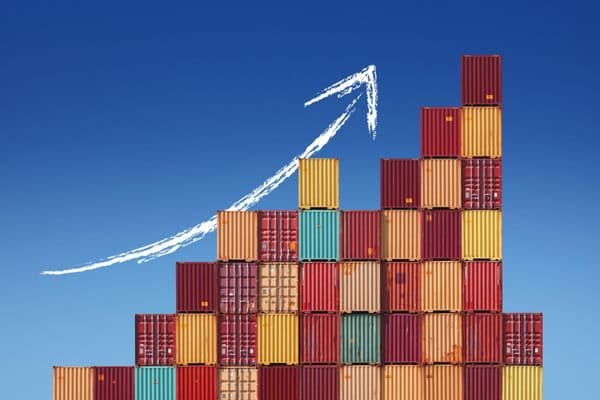
This situation isn't supported by strong fundamentals. From what I see on the ground, end-user demand in the US is not strong enough to justify these rate levels for a long period. The current market feels more like a panic-driven bubble than a sustainable trend. Shippers are rushing to move cargo before anticipated peak season surcharges, creating a self-fulfilling prophecy of tight space and high rates. However, this momentum is already showing signs of slowing. Once this initial wave of cargo clears, I fully expect to see a market correction. The price and service level for standard OA carriers are simply mismatched right now, and the market can't sustain this imbalance.
Key Drivers of the Current Rate Surge
| Factor | Description | Impact on Rates |
|---|---|---|
| Red Sea Diversions | Vessels are rerouted around Africa, increasing transit times and pulling capacity away from other trade lanes, including the Trans-Pacific. | Creates an artificial vessel shortage on the US routes, driving up prices due to limited space. |
| Container Imbalance | Slower return journeys for vessels from Europe and the US East Coast mean empty containers are not getting back to Asia fast enough. | A shortage of available containers at origin ports in China leads to fierce competition and higher rates. |
| Early Peak Season Rush | Shippers are pulling cargo forward to avoid even higher rates and potential delays later in the year, creating a concentrated burst of demand. | This front-loading of shipments creates a temporary demand spike that outstrips available capacity. |
| Blank Sailings | Carriers cancel sailings to manage capacity, but this can exacerbate space shortages when demand unexpectedly surges. | Reduces the total available slots, allowing carriers to push rates up significantly on the remaining voyages. |
How do US East Coast and US West Coast ocean freight compare in terms of ports, transit time, and rates?
Choosing between the US West Coast and East Coast has always been a key strategic decision. Now, with rates fluctuating wildly, making the right call is more critical than ever.
The US West Coast offers the fastest transit times and historically lower base freight rates3, making it ideal for time-sensitive goods. The US East Coast has longer transit times and higher rates but can be more cost-effective for cargo destined for the eastern half of the country.
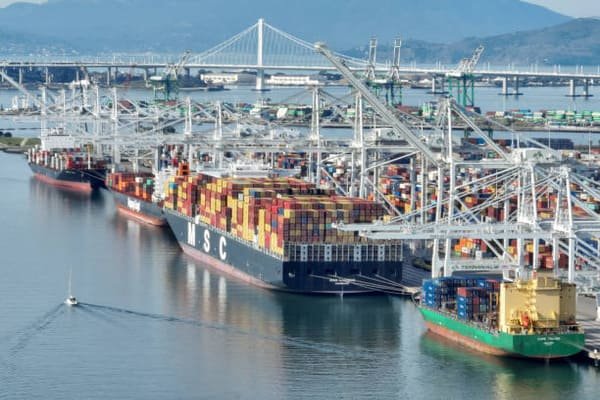
The choice is no longer as simple as speed versus cost. We must now consider port congestion, inland logistics, and potential choke points like the Panama and Suez Canals. For years, the West Coast, primarily the ports of Los Angeles and Long Beach, has been the main gateway for goods from Asia4. It's fast, but it's also prone to congestion that can lead to delays and extra fees like demurrage. The East Coast ports, such as New York/New Jersey and Savannah, offer an alternative route. Recent diversions from the Red Sea have actually sent more traffic to the West Coast to avoid the longer journey around Africa, putting renewed pressure on those terminals. Your final decision should depend not just on the ocean freight quote, but on the total landed cost and delivery timeline to your warehouse.
Comparing USWC and USEC Shipping Lanes
| Feature | US West Coast (USWC) | US East Coast (USEC) |
|---|---|---|
| Major Ports | Los Angeles, Long Beach, Oakland | New York/New Jersey, Savannah, Charleston |
| Typical Transit Time (from China) | 14-20 days | 30-40 days |
| Speed | Faster ocean transit | Slower ocean transit |
| Base Freight Rates | Generally lower | Generally higher |
| Inland Distribution | Efficient for Western US and Midwest | More direct for Eastern US and parts of the Midwest |
| Current Challenges | High risk of port congestion, labor issues | Impacted by Panama Canal water levels, longer routes due to Red Sea diversions |
What are the real differences between OA ocean freight and Matson Express?
With OA prices nearly matching Matson, many of our clients are asking if the premium for Matson is still justified. The answer is a clear "yes," if speed and reliability are your priorities.
Matson provides a premium, expedited service with guaranteed transit times, a private terminal, and faster cargo availability. OA represents standard, slower ocean freight. The current narrow price gap highlights that OA services are temporarily overpriced, not that Matson has lost its value.
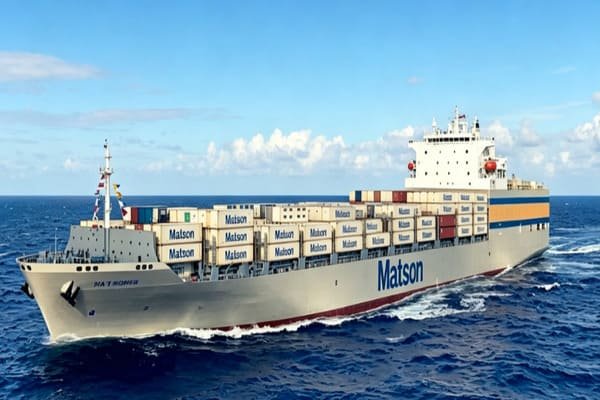
I always tell my clients to think of Matson as a hybrid between standard ocean freight and air freight. You are paying for certainty. Matson's vessels are smaller and faster, and they operate on a strict, reliable schedule. Their biggest advantage is the dedicated terminal in Long Beach. While OA vessels might wait days for a berth, Matson ships pull right in. Their use of a dedicated chassis pool means your container gets off the ship and onto a truck frame almost immediately. This can save you a week or more in total transit time compared to a standard carrier, whose container might get buried in a stack at a congested public terminal. When you absolutely need your product on shelves by a certain date, that reliability is worth the premium. The current market hasn't changed this fundamental difference.
Service Breakdown: Matson CLX vs. Standard OA
| Feature | Matson Express (CLX) | Ocean Alliance (OA) & Others |
|---|---|---|
| Service Type | Expedited, Time-Guaranteed | Standard, Non-Guaranteed |
| Carriers | Matson | COSCO, CMA, OOCL, Evergreen, etc. |
| Transit Time (Shanghai to LA) | 11 days (port-to-port) | 14-25 days (port-to-port) |
| Cargo Availability (at LA) | 1-2 days after arrival | 3-10+ days after arrival |
| Terminal Operations | Private, dedicated terminal (Pier C) | Shared, public terminals |
| Reliability | Extremely high; consistent schedule | Variable; subject to port congestion, delays |
| Best For | Time-sensitive, high-value goods, e-commerce | Price-sensitive, bulk goods with flexible timelines |
| Cons | Higher price, limited capacity | Slower, unpredictable, hidden delay costs |
What's the best strategy for my 2026 US shipping plan?
Facing this volatile market, the worst thing you can do is panic. A smart, calm approach will save you money and headaches. Let's build a practical survival guide.
For non-urgent shipments, wait. The current high rates are not sustainable. For time-critical cargo, Matson remains the superior choice for its reliability. Avoid locking in today's peak prices for long-term contracts and focus on securing the best value for each specific shipment.
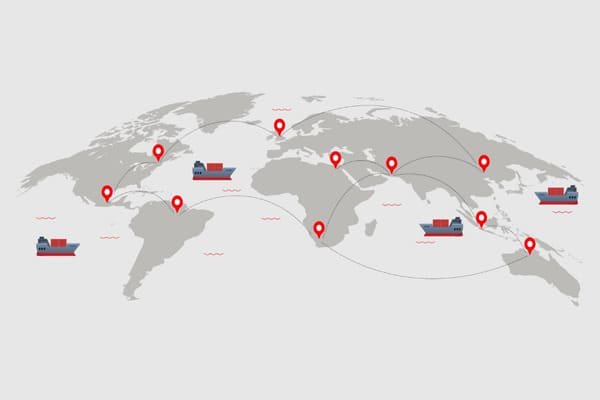
Your strategy should be tailored to your inventory needs. Not all cargo is created equal, and applying a one-size-fits-all approach right now will be costly. You need to analyze your supply chain, categorize your products, and make informed decisions based on real-time data, not fear. This is where having a logistics partner who provides clear insights becomes invaluable. We can help you weigh the true cost of each option—not just the ocean rate, but the potential costs of delays, storage, and lost sales. A flexible and informed approach is the only way to navigate this market successfully.
Your Strategic Action Plan
1. Assess Your Cargo's Urgency
First, categorize your upcoming shipments. Are they essential products needed to prevent a stockout, or are they replenishment inventory with a flexible delivery window? For your most urgent goods, paying a premium for a reliable service like Matson can prevent much larger losses from missed sales. For less urgent cargo, delaying shipment by a few weeks could result in significant savings as the market bubble deflates. Don't treat every container with the same level of urgency.
2. Analyze the Total Landed Cost
Don't be tempted by a seemingly lower OA freight rate. You must calculate the total cost. This includes the risk of demurrage and detention fees if your container gets stuck at a congested port. These fees can add up to thousands of dollars and completely erase any initial savings. Matson's efficient terminal operations almost eliminate these risks. The "cheaper" option can often end up being more expensive once all the hidden costs of delay are factored in.
3. Stay Flexible and Partner Wisely
This is not the time to lock into fixed, long-term rate agreements at peak prices. The market is too volatile. Work with a freight forwarder who offers flexibility and provides transparent, real-time market intelligence. We can help you explore different routing options, secure space on the best-value services, and decide on the optimal timing for your shipments. Staying agile is key to protecting your margins.
Conclusion
The current US freight rate surge is a temporary market distortion. Shippers should evaluate cargo urgency, wait if possible, and use premium services like Matson for critical shipments to navigate this bubble wisely.
References
U.S. Census Bureau, *Monthly Retail Trade — Retail Sales*. https://www.census.gov/retail/index.html ↩
IMF PortWatch, *Red Sea Shipping Disruptions & Global Trade Monitor*. https://portwatch.imf.org/pages/573013af3b6545deaeb50ed1cbaf9444 ↩
U.S. Bureau of Transportation Statistics (BTS), *Freight Rates: 40-Foot Container, East-Bound*. https://www.bts.gov/browse-statistical-products-and-data/info-gallery/freight-rates-40-foot-container-east-bound-and ↩
U.S. Bureau of Transportation Statistics (BTS), *Freight Indicators*. https://www.bts.gov/freight-indicators ↩