
The latest Chinese EVs are incredible, but you think shipping one home is a complex nightmare. I will show you how to navigate the process with a trusted logistics partner.
Shipping a Chinese EV overseas is straightforward with an expert freight forwarder. We handle the entire process, from factory pickup and export licensing to customs clearance and final delivery at your door, ensuring a compliant and hassle-free experience for you.
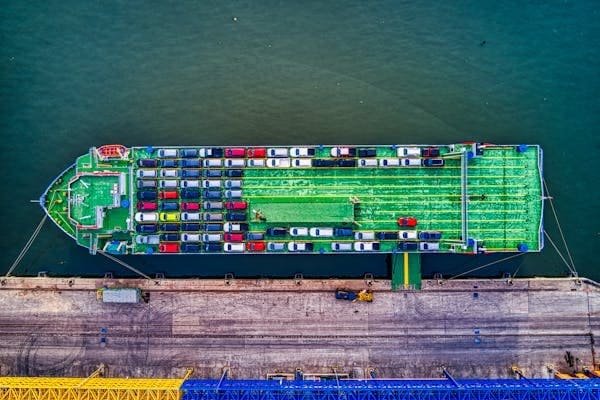
The Beijing Auto Show always gives us a glimpse into the future of driving. The technology, design, and features of Chinese cars are now leading the world. But turning that dream car on the showroom floor into a reality in your driveway involves a few key steps. I want to break down exactly what you need to know, so you can buy your next car with total confidence. Let's walk through the entire journey together, from purchase to delivery.
Which Countries Are Actively Embracing Chinese EVs?
You have found the perfect Chinese EV for your needs. But you worry if your country will even let it in. I see buyers stress about high tariffs and import bans every day.
Many regions actively welcome Chinese EVs. The Middle East, Southeast Asia, and Latin America often have low tariffs and supportive policies. Russia is also a growing market. You must always check your specific country's latest import regulations before you buy.
When I talk to clients, the first question is always about their home country. The good news is that global demand for Chinese EVs is creating more open markets. Some regions are much easier to ship to than others. I have seen this firsthand with the shipments we manage at Deeplinker.
Key Welcoming Regions
Countries in the Middle East, like the UAE and Saudi Arabia, are very open to Chinese vehicles. They have favorable trade policies and a strong appetite for new technology. Similarly, Southeast Asian markets such as Thailand and Malaysia are lowering barriers to encourage EV adoption. Latin American countries, including Brazil and Mexico, are also becoming major destinations for these cars.
High-Barrier Markets
On the other hand, North America and parts of Europe present more challenges. These regions have strict local standards, known as homologation1, that a vehicle must meet to be street-legal. They also have higher import tariffs on Chinese-made electric vehicles2. It is not impossible to ship a car there, but it requires more paperwork and cost.
Here is a quick overview:
| Region | Import Friendliness | Key Considerations |
|---|---|---|
| Middle East | High | Low tariffs, strong demand. |
| Southeast Asia | High | Government incentives for EVs. |
| Latin America | Medium-High | Growing market, variable regulations. |
| Russia & CIS | High | Strong trade links, established routes. |
| Europe/North America | Low-Medium | Strict homologation, high tariffs. |
How Can Foreigners Actually Purchase a Chinese Vehicle?
You want to buy a Chinese car, but you're not in China. The process feels confusing and risky. I help clients navigate this purchase process all the time, making it simple and secure.
Foreigners can purchase Chinese EVs through several channels. You can work with an official dealer in China, use a trusted export agent, or buy directly from some manufacturers. An experienced freight forwarder can often connect you with reliable sellers we already know.
Getting your hands on the car is the first real step. Over the years, I've seen this process become much easier for overseas buyers. You don't need to fly to China to make it happen. There are a few reliable paths you can take, and we can help guide you to the right one based on your situation.
Three Main Buying Options
-
Work with an Official Dealership: You can contact a brand's official dealer in China. Some are set up to handle export sales. This is a secure method, but it may require some communication effort. I sometimes help my clients by making initial contact to confirm the dealer has export experience.
-
Use a Specialized Export Agent: This is a very popular choice. An export agent in China acts as your representative. They find the car, negotiate the price, handle the local payment, and prepare it for pickup. It’s a great service that simplifies the buying process.
-
Buy Directly from the Manufacturer: Some Chinese EV brands are beginning to sell directly to international buyers, especially for larger orders. This is more common for business-to-business (B2B) purchases but is becoming an option for individuals too.
No matter which path you choose, the most important thing is to verify the seller. You also need to confirm that the specific vehicle has an official export license3. We always check this for our clients before we arrange a pickup.
Shipping Methods: Ro-Ro vs. Container vs. Rail?
Your new EV is paid for and ready to ship. But which method is best for you? Choosing the wrong one can lead to delays, damage, or unexpected costs down the line.
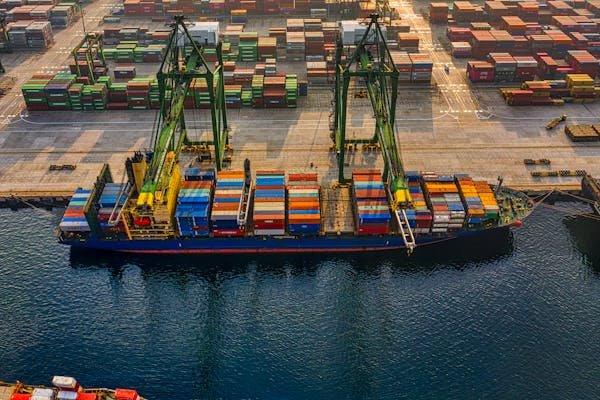
The best shipping method depends on your destination, budget, and timeline. Ro-Ro (Roll-on/Roll-off)4 is cost-effective for single cars. Container shipping offers better protection. Rail is a fast option for destinations in Europe and Central Asia.
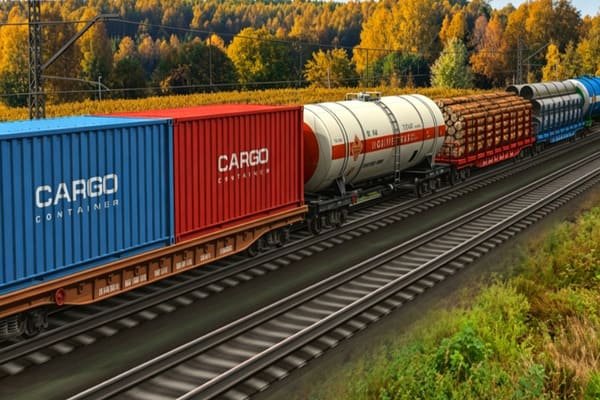
I always tell my clients that there is no single "best" way to ship a car. The right choice depends entirely on your specific needs. We ship cars using all three methods, and I can help you decide which one makes the most sense. Let’s look at the pros and cons of each.
Comparing Your Options
Each method serves a different purpose. Ro-Ro is like a floating parking garage, container shipping is a private steel box for your car, and rail is the land-based express route.
| Method | Best For | Pros | Cons |
|---|---|---|---|
| Ro-Ro | Budget-conscious buyers | Lower cost, simpler process. | Exposed to weather, not all ports support it. |
| Container | Buyers wanting max protection | Secure and protected, can ship extra items. | Higher cost, more complex loading. |
| Rail | Buyers in Europe/Asia | Faster than sea freight, secure. | Limited to destinations on the rail network. |
For most of my clients shipping a single, high-value EV, I often recommend container shipping. We secure the vehicle inside its own 20-foot container. This prevents any exposure to saltwater or weather during the long ocean journey. It gives you the ultimate peace of mind that your new car will arrive in perfect condition.
The "Door-to-Door" Service: What Freight Forwarders Actually Do?
You hear the term "door-to-door" service, but it sounds too good to be true. You worry about hidden steps and surprise fees. I want to show you exactly what it means.
"Door-to-door" service means your freight forwarder5 manages the entire logistics chain. This includes picking up the car in China, handling all export customs, managing the freight, clearing import customs, and arranging final delivery to your address. It’s a complete, managed solution.
When you ask us for door-to-door service, you are handing the entire project over to my team. You buy the car, and we take care of every single step until it’s in your driveway. I believe in total transparency, so let me break down what we actually do behind the scenes. It’s a coordinated effort between our team in China and our trusted partners in your country.
The Four Stages of Door-to-Door Shipping
-
Pickup and Export: First, we arrange to pick up your vehicle from the dealership or factory in China. My team then prepares all the necessary Chinese export documents and clears the car through customs. This part is critical and requires expertise.
-
International Transit: Next, we book space for your car on a ship or train. We manage the entire journey, whether it’s crossing the ocean or traveling overland. Throughout this stage, we provide you with tracking so you can follow your car’s progress.
-
Arrival and Import: When the car arrives at the destination port or rail terminal, our local agent takes over. They are experts in your country’s import laws. They handle customs clearance and pay any duties and taxes on your behalf.
-
Final Delivery: Once the car is released from customs, we arrange for a local truck to transport it to your final address. We make sure it arrives safely at your home or office, ready for you to drive.
What Critical Documents Must You Prepare?
Paperwork is often the biggest headache in international shipping. A single missing or incorrect document can leave your new car stuck at the port for weeks. I see this happen all the time.
Key documents include the Commercial Invoice, Bill of Lading, and Certificate of Origin. For EVs, the battery's MSDS and UN38.3 test report6 are mandatory. Your freight forwarder will guide you through gathering every required piece of paper.
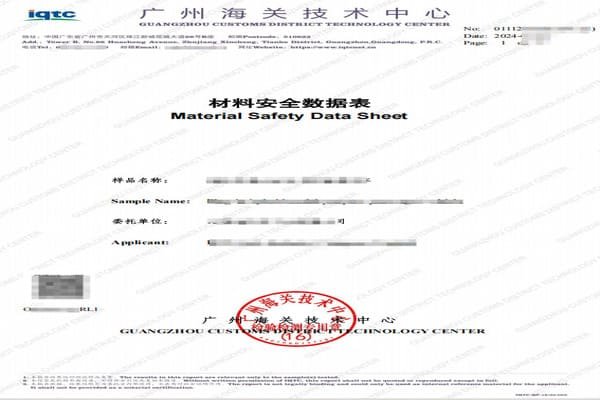
Handling the documentation is one of the most valuable services a freight forwarder provides. For shipping an EV, the paperwork is even more strict because the lithium-ion battery is classified as dangerous goods7. I personally review the document checklist for every car we ship to ensure nothing is missed. You don't have to be an expert; you just need a partner who is.
Key Documents for EV Shipping
Here’s a breakdown of the paperwork we will help you prepare.
Vehicle & Sale Documents
- Commercial Invoice8: This is the bill of sale for your car. It proves ownership and value for customs.
- Vehicle Title / Certificate of Conformity: This document proves the car’s identity and its technical specifications.
- Export License: The Chinese government requires this to legally export a vehicle. We ensure the seller provides it.
Shipping & Customs Documents
- Bill of Lading (B/L)9: This is the contract between you and the shipping line. It acts as a receipt and title for the shipment.
- Certificate of Origin (COO)10: This proves the car was manufactured in China, which can be important for tariff calculations.
EV-Specific Dangerous Goods Documents
- Material Safety Data Sheet (MSDS)11: This sheet details the chemical properties of the car's battery.
- UN38.3 Test Report: This is the most critical document. It is a certificate proving the lithium-ion battery has passed the UN Manual of Tests and Criteria, Section 38.3 safety tests12 and is safe for transport. Without it, your car cannot be shipped.
What Are the Top 5 "Pitfalls" to Avoid When Shipping a Chinese EV?
Shipping a car internationally seems simple on the surface, but rookie mistakes can be very costly. I have seen buyers lose thousands of dollars from overlooking small details. I want to help you avoid these traps.
Avoid these pitfalls: underestimating customs duties, choosing a forwarder without EV experience, neglecting cargo insurance, buying a car without an export license, and ignoring your country's local vehicle standards (homologation).
After 20 years in this business, I've seen every mistake possible. My goal is to make sure my clients avoid them. Shipping a high-value item like an EV requires careful planning. A small oversight at the beginning can turn into a huge problem at the end. Here are the five most common and costly pitfalls I see people fall into.
1. Ignoring the Total Landed Cost
The shipping quote is not the final price. You must also budget for import duties, taxes (like VAT or GST13), port fees, and local delivery charges. I always provide my clients with a detailed estimate of these costs so there are no surprises.
2. Using a Forwarder Without EV Experience
This is the biggest risk. EVs are dangerous goods. If your forwarder doesn't understand UN38.3 battery regulations, your car could be rejected by the shipping line or held by customs. You need a specialist.
3. Skipping Cargo Insurance
Your car will travel thousands of miles. While we take every precaution, accidents can happen. Standard carrier liability is very low and will not cover the full value of your car. Cargo insurance is a small price for complete peace of mind.
4. Buying a Car Without an Export License
Not every car sold in China is eligible for export. Some are for the domestic market only. You must confirm with the seller that the car has a valid export license before you pay.
5. Overlooking Homologation
This is a crucial final step. The car must comply with your country's safety and environmental standards to be registered and driven legally. You should research these requirements before you even start the buying process.
Conclusion
Shipping a Chinese EV overseas is very possible with the right logistics partner. We handle all the complexities for you, so you can focus on the excitement of driving your new car.
"Homologation - Wikipedia", https://en.wikipedia.org/wiki/Homologation. Reference overview of homologation, the process of certifying that a vehicle meets a country's regulatory, safety, and environmental standards for legal sale and road use. Evidence role: definition; source type: reference. Supports: Many countries require imported vehicles to pass homologation before they can be registered and driven legally. Scope note: Specific homologation requirements and testing procedures vary significantly by country and vehicle category. ↩
"Section 301 Tariffs on Chinese Goods - International Trade Administration", https://www.trade.gov/feature-article/section-301-tariffs-chinese-goods. U.S. government guidance describing Section 301 tariffs applied to certain Chinese-origin products, including elevated duties affecting electric vehicles. Evidence role: general_support; source type: government. Supports: Some markets, including the United States, apply elevated import tariffs on Chinese-made electric vehicles. Scope note: Tariff rates and coverage change over time and differ by destination country; buyers should verify current rates for their jurisdiction. ↩
"China - Import Requirements and Documentation - International Trade Administration", https://www.trade.gov/country-commercial-guides/china-import-requirements-and-documentation. Official U.S. Commercial Service guidance describing Chinese trade documentation and licensing requirements relevant to exporting goods from China. Evidence role: general_support; source type: government. Supports: Exporting a vehicle from China requires proper export documentation and licensing to be completed legally. Scope note: The guide addresses general documentation practices; vehicle-specific export licensing rules are administered by Chinese authorities and may change. ↩
"Roll-on/roll-off - Wikipedia", https://en.wikipedia.org/wiki/Roll-on/roll-off. Reference description of Roll-on/Roll-off (Ro-Ro) vessels, which carry wheeled cargo that is driven on and off the ship. Evidence role: definition; source type: reference. Supports: Ro-Ro shipping transports drivable vehicles by rolling them directly onto and off the vessel, offering a cost-effective option for single cars. Scope note: Ro-Ro service availability depends on port infrastructure and route coverage. ↩
"Freight forwarder - Wikipedia", https://en.wikipedia.org/wiki/Freight_forwarder. Reference overview of freight forwarders, intermediaries that organize shipments and coordinate the logistics chain on behalf of shippers. Evidence role: definition; source type: reference. Supports: A freight forwarder manages the end-to-end logistics chain, including pickup, export/import customs, freight, and final delivery. Scope note: The exact scope of services varies by forwarder and contract. ↩
"UN Recommendations on the Transport of Dangerous Goods - Manual of Tests and Criteria - UNECE", https://unece.org/transport/dangerous-goods/rev-8-2023. Official UNECE publication containing the UN Manual of Tests and Criteria, whose Section 38.3 defines the safety tests required for lithium batteries in transport. Evidence role: requirement; source type: institution. Supports: Lithium-ion batteries must pass the UN38.3 tests to be certified safe for international transport. Scope note: Requirements are updated periodically; the applicable revision depends on the transport mode and enforcing authority. ↩
"Dangerous Goods - International Maritime Organization (IMO)", https://www.imo.org/en/OurWork/Safety/Pages/DangerousGoods-default.aspx. Official IMO guidance on the transport of dangerous goods by sea under the IMDG Code, which classifies lithium batteries as dangerous goods (Class 9). Evidence role: requirement; source type: institution. Supports: Lithium-ion vehicle batteries are classified as dangerous goods and are regulated under the IMDG Code for ocean transport. Scope note: Classification, packaging, and documentation requirements depend on battery type, state of charge, and whether the battery is installed in equipment. ↩
"Commercial invoice - Wikipedia", https://en.wikipedia.org/wiki/Commercial_invoice. Reference definition of the commercial invoice as the customs document stating the value, description, and parties of a shipment, used to assess duties and prove ownership. Evidence role: definition; source type: reference. Supports: The Commercial Invoice documents the sale value and ownership of the vehicle for customs purposes. ↩
"Bill of lading - Wikipedia", https://en.wikipedia.org/wiki/Bill_of_lading. Reference definition of the bill of lading as a contract of carriage, receipt for goods, and document of title issued by a carrier. Evidence role: definition; source type: reference. Supports: The Bill of Lading serves as the carriage contract, cargo receipt, and title document for the shipment. ↩
"Certificate of Origin - Guide to Customs Procedures - CBP", https://www.cbp.gov/trade/nafta/guide-customs-procedures/cert-origin. Official U.S. Customs and Border Protection guidance describing the Certificate of Origin and its role in verifying where goods were produced for tariff purposes. Evidence role: definition; source type: government. Supports: A Certificate of Origin verifies the vehicle's country of manufacture, which can affect tariff treatment at import. Scope note: The role of a COO in tariff calculation depends on the destination country's trade agreements and rules of origin. ↩
"Safety data sheet - Wikipedia", https://en.wikipedia.org/wiki/Safety_data_sheet. Reference overview of the Safety Data Sheet (SDS/MSDS), a document detailing the chemical properties and hazards of a material for safe handling and transport. Evidence role: definition; source type: reference. Supports: The MSDS/SDS documents the chemical properties of the EV battery required for safe handling and transport compliance. ↩
"UN Manual of Tests and Criteria, Section 38.3 (Lithium batteries) - UNECE", https://unece.org/transport/dangerous-goods/rev-8-2023. The UN Manual of Tests and Criteria Section 38.3 specifies the series of tests (altitude, thermal, vibration, shock, short circuit, and others) that lithium batteries must pass before transport. Evidence role: requirement; source type: institution. Supports: The UN38.3 test report certifies that a lithium-ion battery has passed the mandated transport safety tests and is required before shipping. Scope note: Testing obligations and acceptable documentation may vary slightly by transport mode and destination enforcement. ↩
"Value-added tax - Wikipedia", https://en.wikipedia.org/wiki/Value-added_tax. Reference definition of VAT (and comparable GST), a consumption tax commonly levied on imported goods at the destination country. Evidence role: definition; source type: reference. Supports: Imported vehicles are commonly subject to VAT or GST in the destination country, adding to the total landed cost. Scope note: Rates and application rules for imported vehicles vary by country. ↩