
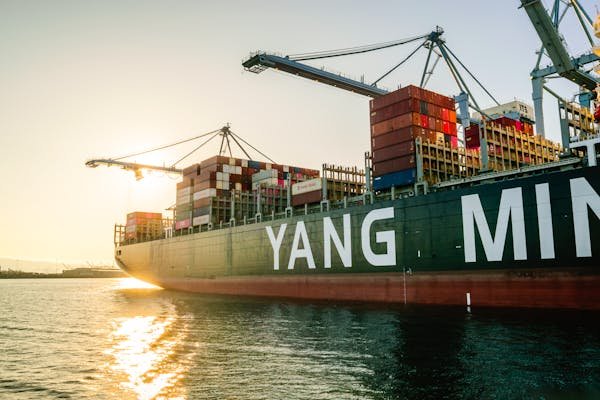
Shipping to Brazil feels like a huge challenge with complex customs and delivery issues. These problems can cause lost sales, angry customers, and damage your profits. But you can navigate it smoothly.
Solving Brazil's shipping pain points requires a clear strategy. You need to understand customs rules, choose the right shipping mode, use local warehouses wisely, and partner with reliable last-mile delivery services1. Planning these steps is key to unlocking this massive market without the usual headaches.
Navigating Brazil's logistics landscape might seem daunting, but it's completely manageable when you break it down. The country has its own set of rules, but they are not impossible to follow. With the right knowledge and a solid plan, you can turn these challenges into a competitive advantage. Let's look at the specific steps you need to take to ensure your products reach your Brazilian customers smoothly and efficiently. We will cover everything from choosing how to ship your goods to getting them delivered to the final doorstep.
How to Choose the Right Shipping Mode for Brazil?
Choosing between air and sea freight to Brazil can be confusing. Making the wrong choice means you might pay too much or wait too long, which hurts your business.
The best shipping mode depends on your needs. Air freight is fast but expensive, perfect for high-value or urgent items. Sea freight is much cheaper for bulk goods but takes longer. Carefully weigh your product's value, your budget, and your customer's expectations to decide.
Choosing the right transport method is the first major decision in your shipping process. Each option has clear pros and cons that directly impact your costs and delivery speed. It's not just about picking the cheapest or fastest way; it's about finding the best balance for your specific products and business model.
Air Freight: For Speed and High-Value Goods
Air freight is your best bet when speed is critical. If you are shipping high-value electronics, seasonal fashion items, or urgent replacement parts, air transport can get your goods to Brazil in days instead of weeks. I remember working with a client who sold premium outdoor gear. For their initial product launch in São Paulo, we used air freight to get a small test batch there quickly. The speed allowed them to capture market interest right away. However, this speed comes at a high price, so it's not sustainable for large, heavy, or low-margin products.
Sea Freight: For Cost-Effectiveness and Bulk Shipments
For larger quantities, sea freight is the most economical choice. You can ship goods using a Full Container Load (FCL) or Less than Container Load (LCL). After that initial air shipment, my outdoor gear client switched to LCL sea freight for their regular inventory replenishment. This dramatically lowered their per-unit shipping cost, which improved their profit margins. The key is to plan ahead. Sea transit can take 30-45 days, so you must manage your inventory and order cycles carefully to avoid stockouts.
Comparing Your Options
To make it simple, here is a table to help you decide.
| Factor | Air Freight | Sea Freight |
|---|---|---|
| Speed | 5-10 days | 30-45 days |
| Cost | High | Low |
| Volume | Best for small, light shipments | Best for large, heavy shipments |
| Best For | High-value, time-sensitive goods | Bulk inventory, low-margin items |
Where to Choose Brazil Overseas Warehouses?
Storing inventory in Brazil seems complicated, and you might not know where to start. If you choose the wrong warehouse location, you could face slow deliveries and high storage fees.
For your Brazil overseas warehouse, focus on the major economic hubs. São Paulo and Rio de Janeiro are top choices because they are close to the largest consumer bases and have strong logistics networks. Warehouses near key ports like Santos also offer huge advantages for import efficiency.
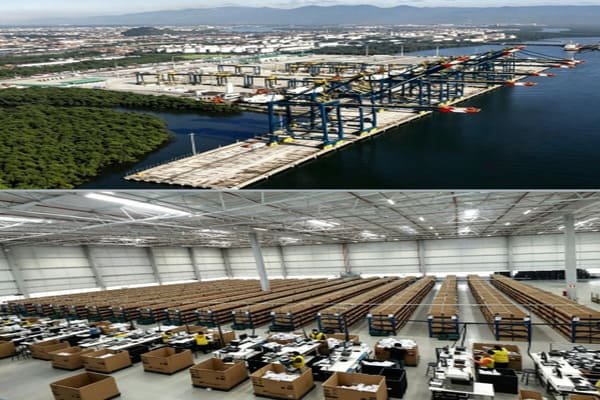
Using an overseas warehouse in Brazil is a game-changer for any e-commerce seller. It transforms your business from a distant international seller into a local competitor. The location of your warehouse is the most important factor in making this strategy work. A well-placed warehouse can significantly reduce your delivery times and costs, which directly improves your customer's experience.
The São Paulo2 Advantage
The state of São Paulo is Brazil's economic powerhouse. Its metropolitan area is home to over 20 million people with significant purchasing power. Placing your warehouse here means you are physically close to a huge portion of your potential customers. This allows for faster, cheaper last-mile delivery. I had a client selling home goods who was struggling with long delivery times from China. We helped them move their inventory to a fulfillment center near São Paulo. Their delivery time dropped from over a month to just 3-5 days. This change had a massive positive impact on their customer reviews and repeat business.
The Role of Port Cities like Santos
The Port of Santos is the busiest container port in Latin America. Choosing a warehouse near Santos can streamline your import process. Your containers can be unloaded, cleared through customs, and moved to your nearby warehouse quickly. This reduces the time your products spend in transit and minimizes the risk of delays at the port. From there, your goods can be efficiently distributed throughout the country.
Bonded vs. Fulfillment Warehouses
You should also understand the difference between a bonded warehouse and a standard fulfillment center. A bonded warehouse allows you to store imported goods without paying duties and taxes immediately. You only pay them when the goods are sold and shipped to a customer in Brazil. This can be a huge help for your cash flow. A fulfillment center, on the other hand, focuses on picking, packing, and shipping orders after all duties have been paid. Many modern logistics partners offer both services.
What Materials Are Needed for Brazil Freight?
Brazilian customs paperwork is famous for being complex and confusing. If you miss just one document or make a small mistake, your entire shipment can get stuck for weeks.
To clear Brazilian customs, you need several key documents: a Commercial Invoice, a Packing List, and a Bill of Lading or Air Waybill. Most importantly, the importer must have a RADAR license3. All documents must be perfectly accurate and consistent to avoid costly delays.
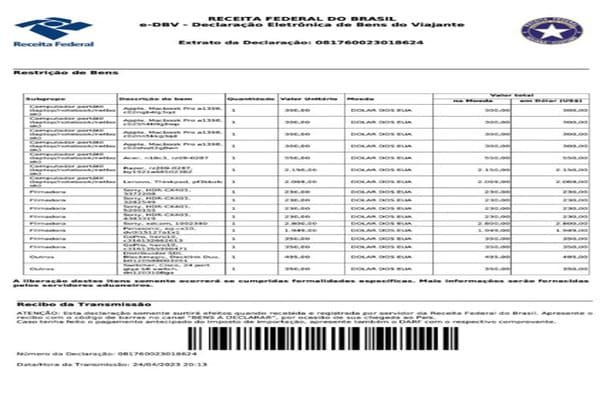
Dealing with customs is often the most stressful part of shipping to Brazil. The Brazilian government is very strict about its import regulations. But if you are prepared with the right paperwork, you can make the process much smoother. Think of it as a checklist: if you have every item, you are ready to go.
Core Shipping Documents
These three documents are the foundation of any international shipment to Brazil.
- Commercial Invoice: This is more than just a bill. It must detail the buyer, seller, description of goods, quantity, unit price, total value, and the Harmonized System (HS) code for each item. Brazilian customs officials are very strict about valuation, so be sure the declared value is accurate.
- Packing List: This document details the contents of each box or pallet. It must match the commercial invoice4 exactly. It should include weights, dimensions, and markings for each package.
- Bill of Lading5 (B/L) or Air Waybill (AWB): This is the contract between you and the carrier. The consignee (the person or company receiving the goods) listed on this document must match the holder of the import license.
The Crucial RADAR License
The RADAR (Registro e Rastreamento da Atuação dos Intervenientes Aduaneiros) is a mandatory license for any company that wants to import goods into Brazil. Without it, your shipment will be rejected. Obtaining this license can be a long and complicated process. For many small and medium-sized sellers, the best solution is to work with a freight forwarder or a third-party logistics (3PL) partner in Brazil who can act as the Importer of Record (IOR) on your behalf.
Accuracy is Everything
I learned a hard lesson about accuracy early in my career. We had a shipment of electronics held up for a month. The reason? The HS code on the commercial invoice had a single digit that was different from what the customs system expected. It was a small typo that caused a huge delay and cost thousands in storage fees. Double-check, and then triple-check, every single detail on your documents before the shipment leaves.
| Document | Purpose | Key Information |
|---|---|---|
| Commercial Invoice | Declares the value and details of the goods for customs. | HS Codes, Accurate Value, Seller/Buyer Info |
| Packing List | Details the contents and packaging of the shipment. | Weight, Dimensions, Package Contents |
| Bill of Lading/AWB | Serves as the contract of carriage. | Consignee Info, Port of Loading/Discharge |
| RADAR License | Grants legal permission for the importer to trade. | Importer's Tax ID (CNPJ) |
What Precautions Should Be Taken for Brazil Freight?
You have prepared your shipment, but what hidden traps are still waiting for you? Unexpected fees, cargo damage during transit, and sudden customs inspections can destroy your budget and timeline.
Always insure your cargo for its full value, as the risk is higher. Use strong, durable packaging to withstand rough handling. Be prepared for random customs inspections and the complex Brazilian tax system. Working with an experienced local partner is the best precaution you can take.
Shipping to Brazil requires a defensive mindset. You need to anticipate potential problems and take steps to protect yourself and your cargo. A little extra preparation can save you from major headaches and financial losses down the road. It's about being proactive rather than reactive.
Insure
I cannot stress this enough: get comprehensive cargo insurance. Do not rely on the carrier's limited liability. The journey to Brazil is long, and the cargo passes through many hands, increasing the risk of damage or theft. All-risk insurance will cover your goods for their full invoice value, giving you peace of mind.
Prepare for Scrutiny
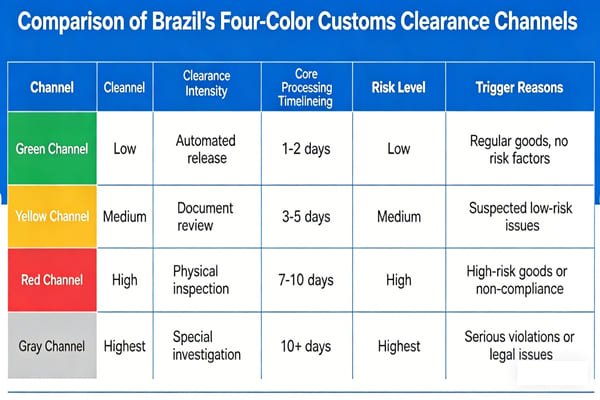
Brazil has a "channel" system for customs clearance: Green, Yellow, Red, and Grey. Green means your shipment is cleared automatically. Any other color means there will be a review of your documents (Yellow) or a full physical inspection of your goods (Red). These inspections are common, so you should build potential delays and extra costs for storage and inspection fees into your plan. Also, ensure your packaging is easy to open and reseal for inspections. Any wooden packaging materials must be fumigated and stamped according to ISPM 15 standards.
Understand the Tax Burden
Brazil's tax system is notoriously complex. When you import goods, you will face a series of taxes on top of the import duty, including IPI (Industrialized Product Tax), PIS/COFINS (social contributions), and ICMS (a state-level value-added tax). These taxes can add up quickly and significantly increase your final cost. It is essential to work with a customs broker or your logistics partner to get a clear estimate of all taxes and duties before you ship. This will help you price your products correctly and avoid any nasty surprises.
How to Solve Brazil’s Last-Mile Delivery Challenges?
Getting your goods into a warehouse in Brazil is a big step, but the job isn't done. Delivering the product to your customer's door, known as last-mile delivery, has its own set of challenges.
To solve Brazil's last-mile delivery, you should use a mix of carriers. Partner with Correios for its nationwide reach and private couriers6 for speed in major cities. The most effective strategy is to use a local fulfillment center that manages this process for you.
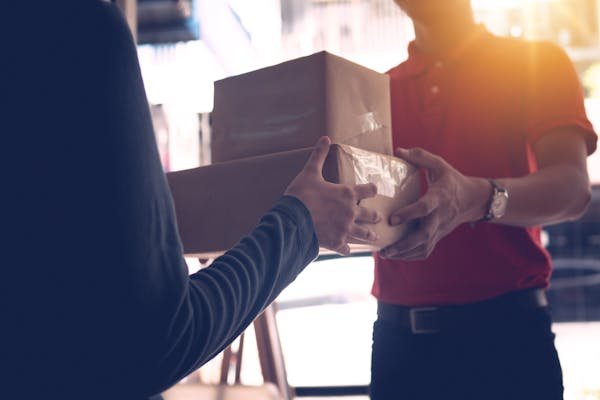
The final step of the journey is often where things can go wrong. Brazil is a huge country with varied infrastructure. A successful last-mile strategy is crucial for customer satisfaction. A fast and reliable delivery is what customers remember, and it is what will make them buy from you again.
Correios7 vs. Private Couriers
You have two main types of options for domestic delivery in Brazil.
- Correios: This is Brazil's national postal service. Its biggest advantage is its unmatched coverage—it can deliver to virtually every address in the country. It is also the most affordable option. However, it can be slower, and its tracking services are not always reliable.
- Private Couriers: Companies like Jadlog, Total Express, and Sequoia offer faster and more reliable services, especially in the major cities in the Southeast. They provide better tracking and customer service but are more expensive and have a more limited delivery network than Correios.
The Power of Local Fulfillment
The best way to manage last-mile delivery is through a local fulfillment partner. By holding your inventory in a Brazilian warehouse, you can offer your customers fast and affordable shipping. Your fulfillment partner can choose the best carrier for each order based on the customer's location and the required delivery speed.
Getting the Address Right
Brazilian addresses can be tricky. They often include details like block numbers, apartment numbers, and neighborhood names that must be correct. An incomplete or incorrect address is a common reason for failed deliveries. It's important to use an address validation8 tool at checkout to ensure your customers provide accurate information. This small step can prevent a lot of delivery headaches. Conclusion Shipping to Brazil has its challenges, but they are not impossible to overcome. With careful planning for customs, warehousing, and last-mile delivery, you can successfully enter this huge and growing market.
Conclusion
Shipping to Brazil has its challenges, but they are not impossible to overcome. With careful planning for customs, warehousing, and last-mile delivery, you can successfully enter this huge and growing market.
Reliable last-mile delivery services are essential for ensuring your products reach customers quickly. ↩
São Paulo's economic power and population density make it an ideal warehouse location for e-commerce. ↩
The RADAR license is essential for legal imports, ensuring compliance with Brazilian regulations. ↩
A detailed commercial invoice is vital for customs clearance and avoiding shipment delays. ↩
The Bill of Lading serves as a contract and is crucial for the shipping process. ↩
Private couriers provide faster service and better tracking, enhancing customer satisfaction. ↩
Correios offers extensive coverage and affordability, making it a viable option for many shipments. ↩
Address validation helps ensure accurate deliveries, reducing failed attempts and customer frustration. ↩