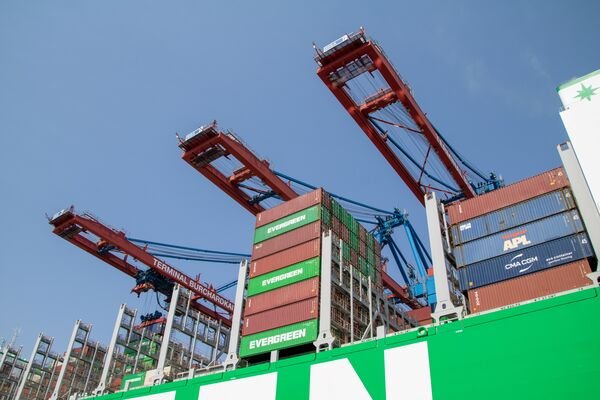

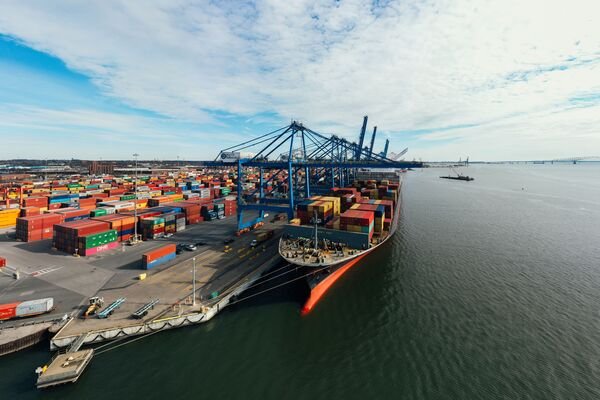
Canton Fair shipping options include LCL, FCL and air freight, but the right choice depends on more than cargo volume.
Business buyers should also consider supplier completion dates, warehouse delivery requirements, inventory levels and total logistics costs. Orders from different factories may need consolidation, separate departures or a combination of air and ocean freight.
This guide explains how to compare LCL, FCL and air freight for Canton Fair purchases based on cargo size, urgency, budget and delivery commitments.
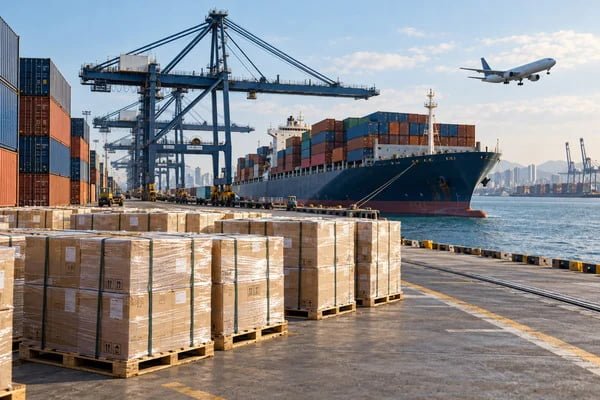
LCL, FCL and Air Freight: Which Procurement Scenarios Do They Suit?
| Shipping option | Business procurement scenarios worth considering | Key details to check |
|---|---|---|
| Ocean LCL | Trial orders, smaller replenishment orders, or consolidated purchases that still occupy a relatively small volume | Origin and destination handling fees, minimum charges, consolidation and deconsolidation arrangements, and cargo collection procedures |
| Ocean FCL | Larger inventory purchases, orders consolidated from multiple suppliers, or shipments requiring a dedicated container | Loading plan, container suitability, weight limits, warehouse unloading arrangements and container return conditions |
| Air freight | Initial stock for product launches, urgent replenishment, or suitable cargo with firm delivery deadlines | Chargeable weight, package dimensions, cargo acceptance requirements and onward delivery from the destination airport |
LCL allows suitable smaller ocean shipments to share container space with other cargo. FCL provides a dedicated container for the booking; you do not have to fill it completely.
Air freight may suit time-sensitive procurement requirements. Its suitability depends on the cargo, overall costs and the specific inventory or delivery problem that earlier arrival would address.
1. Define the Business Purpose of Your Purchase Order
Before choosing a shipping option, establish how the goods will support your business:
- Routine replenishment: How long will your current inventory last, and when must the next shipment reach your warehouse?
- Product launches or promotions: Which products must arrive first, and how much initial stock do you need?
- Wholesale or distribution orders: Have you already committed to delivery dates with downstream customers?
- Project procurement: Must delivery align with installation, an opening date or a production schedule?
- Multi-supplier purchasing: Will the factories finish production at similar times, and should the goods be consolidated before shipping?
Two businesses purchasing similar cargo volumes may need different shipping plans because their inventory positions and delivery requirements differ.
For purchasing teams, freight budgets should be assessed alongside order fulfillment. A lower-cost shipment may still fail to meet an established sales schedule or customer delivery commitment.
2. Work Backward from Your Required Warehouse Delivery Date
When briefing your freight forwarder, state the delivery requirement directly:
“These goods need to reach our warehouse by this date so we can complete receiving, distribution or customer delivery.”
A preferred sailing or flight departure date alone is not enough to determine whether a shipping plan meets your procurement needs. Factory preparation, pickup, consolidation, export handling, destination customs clearance and final delivery all need to be included in the schedule.
For example, wholesalers buying ahead of a peak sales season need time to allocate and distribute stock after arrival. Brands preparing a product launch must also allow for warehouse receiving, inventory processing and making products available for sale.
Check where a quoted transit time starts and ends. Port-to-port or airport-to-airport transit is not the same as the full journey from the factory to your warehouse.
The plan should also reflect actual supplier readiness. If a factory delays completion, reassess the remaining shipping arrangements and their effect on the expected warehouse delivery date.
3. Coordinate Consolidation and Separate Departures Across Suppliers
Canton Fair procurement often involves several suppliers. Their factories may be in different cities, with different completion dates, packaging methods and production schedules.

Before selecting a transport mode, prepare a shipment schedule covering:
- Each supplier’s pickup address and expected cargo-ready date.
- Carton counts, packed volumes and gross weights for each order.
- Products and quantities that must be delivered first.
- Orders that can wait to ship with other goods.
If suppliers will be ready around the same time, assess consolidation into one shipment. If some goods will be ready much later, compare the cost and delivery implications of waiting versus shipping in separate batches.
For example, routine replenishment orders from several suppliers may be candidates for consolidation, while an order tied to a confirmed customer deadline may need a separate departure. The decision should reflect inventory needs and customer commitments.
4. Calculate Shipping Requirements Using Final Packed Dimensions
Purchase value and product quantities do not directly indicate how much transport space the goods will occupy or what shipping will cost.
Ask suppliers for final outer package dimensions, package counts and gross weights. If goods will travel on pallets or in wooden crates, use the dimensions and weights after palletizing or crating. Also disclose stackability, fragility and any special characteristics, such as batteries.
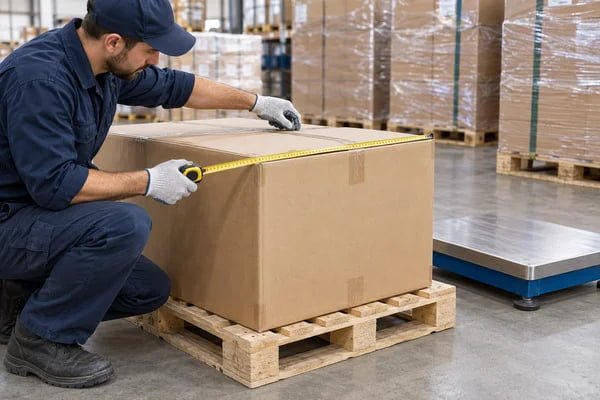
For air freight, confirm how actual weight and volumetric weight determine chargeable weight.
For FCL, check whether the goods can pass through the container doors, how they will be positioned safely and whether the shipment meets applicable weight limits. Large equipment, irregular packages and heavy cargo require particular attention to the loading plan.
Accurate packing data helps purchasing teams check their budgets before shipping and reduces the need for revised quotations or arrangements when packaging changes.
5. Compare the Total Logistics Cost of the Shipment
The relevant question for business procurement is: What will it cost to move this shipment from the agreed pickup point to the designated warehouse?
When requesting quotations from different providers, use the same pickup address, destination, cargo details and service scope. Confirm:
- Pickup, consolidation and warehouse handling charges in China.
- Export handling and main freight charges.
- Destination handling, customs clearance services and final delivery charges.
- Excluded items and conditions that could trigger additional charges.
- Quotation validity and underlying assumptions.
If you are calculating the full landed cost, also establish whether customs duties, import taxes and other relevant items are included or must be estimated separately.
For LCL, examine destination deconsolidation, handling and cargo collection charges. For FCL, confirm unloading requirements, free time for container use and return arrangements. For air freight, establish who will handle customs clearance and warehouse delivery after airport arrival.
Check the agreed trade terms and cost responsibilities with each supplier to avoid omissions or duplicated charges.
6. Consider Air Freight for Initial Stock and Ocean Freight for Replenishment
Not every part of a commercial order needs to use the same shipping mode.
For example, a brand purchasing new products at the Canton Fair may need a small initial quantity for launch, with the balance intended for later replenishment. In this case, compare:
Air freight for the urgent initial quantity, with LCL or FCL ocean freight for the remaining stock.

Assess the business value of earlier arrival alongside the extra packing, documentation, transport and destination handling costs. Whether a split shipment makes sense depends on initial inventory requirements and the budget for the overall order.
If you choose this approach, ask suppliers to separate the goods by shipment batch and prepare the corresponding packing information in advance. This supports accurate pickup, dispatch and warehouse receiving.
FAQ: Shipping Canton Fair Orders for Business Buyers
1. Can a Smaller Commercial Order Be Shipped by LCL?
LCL is worth considering for suitable trial orders, smaller replenishment purchases and other commercial shipments that do not require a dedicated container.
Suitability depends on the route, cargo characteristics, minimum charges and destination fees. Compare total costs using the same delivery scope.
2. At What Volume Should We Switch from LCL to FCL?
There is no fixed threshold that applies to every route and shipment.
Freight rates, cargo weight, packaging, stackability, destination charges and container availability all affect the comparison. When both options are feasible, request LCL and FCL quotations and compare total costs, handling arrangements and expected warehouse delivery timing.
3. Can Orders from Different Suppliers Be Shipped Together?
Consolidation can be assessed after confirming pickup locations, cargo-ready dates, cargo compatibility and documentation requirements.
It may involve additional collection, storage and handling charges. If some suppliers will finish later, also assess how waiting would affect the delivery schedules of other orders.
4. Should We Switch the Entire Order to Air Freight If Stock Is Running Low?
First establish when stock will run out, which products are urgent and how much you need. Then compare the available options.
If only part of the order requires urgent replenishment, assess air freight for that portion while keeping the balance on ocean freight. Consider the additional logistics cost alongside the inventory gap, sales plans and customer delivery requirements.
5. When Should We Start Speaking with a Freight Forwarder?
Initial planning can begin once the orders, supplier locations and expected completion dates are reasonably clear.
Early discussions help clarify packing requirements, consolidation arrangements and shipping options. Final booking and quotation confirmation should be based on actual cargo details, cargo-ready dates and transport conditions at the time.
6. What Information Should Our Purchasing Team Provide?
Prepare product details, packing lists, supplier pickup locations, expected cargo-ready dates, the destination warehouse address and the required delivery date.
Also specify the agreed trade terms, any special cargo characteristics, and the products and quantities that need priority delivery. This helps the forwarder assess the complete shipping plan.
Conclusion: Align Freight with Procurement, Inventory and Customer Delivery
Choosing LCL, FCL or air freight for a Canton Fair order requires a combined assessment of cargo volume, supplier readiness, warehouse delivery requirements and total logistics costs.
For importers, wholesalers, brands and corporate purchasing teams, the right plan should support specific business needs: replenishment arriving on schedule, launch stock available when required and downstream orders aligned with customer delivery commitments.
Organizing order and packing information before factories finish production, then comparing shipping options on a consistent service basis, helps purchasing teams establish budgets and dispatch arrangements earlier.
Planning shipments for your Canton Fair purchases? Share your packing lists, supplier locations, cargo-ready dates and destination warehouse details with Deeplinker. We can help you compare suitable LCL, FCL and air freight options based on your purchasing batches and delivery requirements.