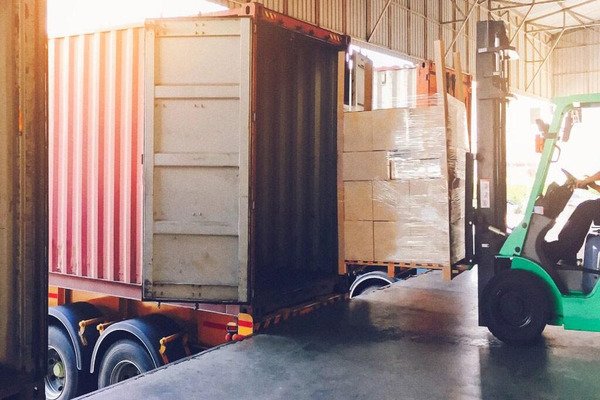

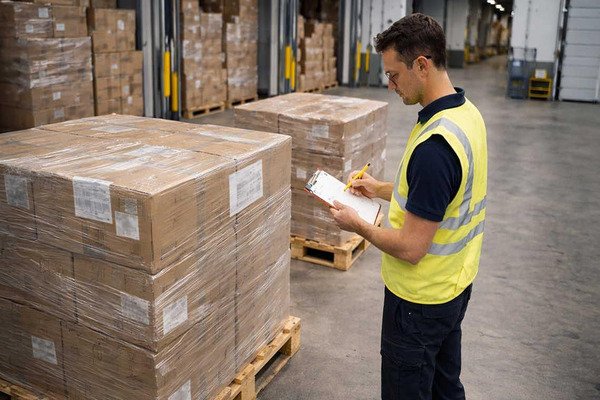
Imagine ordering 500 cartons of products from a supplier in China. The commercial invoice and packing list both show 500 cartons, and the shipping documents appear correct.
However, when the container arrives at the destination, your warehouse team counts only 470 cartons.
Where are the missing 30 cartons?
This situation is commonly described as a short shipment. It can happen before cargo leaves the supplier's warehouse, during container loading, at a port, or somewhere along the transportation and delivery process.
For importers, the immediate concern is not only the missing goods. It is also determining when the shortage occurred, which party may be responsible, and whether sufficient evidence is available to support a claim.
This guide explains the common causes of short shipments, how to investigate quantity discrepancies, what to do when cargo is missing, and how importers and exporters can reduce the risk.
1. What Is a Short Shipment in International Shipping?
A short shipment generally occurs when fewer goods are shipped or delivered than the quantity expected, ordered, declared, or recorded in the relevant shipping documents.
For example, an importer purchases 500 cartons from a Chinese supplier, but only 470 cartons are loaded into the shipping container.
The remaining 30 cartons were never shipped, even though the commercial documents may indicate the full order quantity.
Short shipments can also occur when cargo is handed over between warehouses, terminals, carriers, and other parties during transportation.
1.1 Common Examples of Short Shipments
Short shipments can take several forms:
- Missing cartons: The consignee receives fewer cartons than stated in the packing list.
- Missing pallets: One or more pallets are missing from the delivered shipment.
- Partial loading: Some goods are left behind at the origin warehouse and never loaded onto the vessel.
- Incomplete delivery: Only part of the contracted cargo is delivered to the consignee.
- Quantity discrepancies: The actual number of packages or units does not match the shipment records.
Not every quantity difference automatically means that cargo has been lost.
For example, a supplier may have shipped fewer products than the buyer ordered. In that situation, the problem may have occurred before the goods entered the international transportation process.
The first step is therefore to establish what quantity was actually handed over at each stage.
1.2 Short Shipment vs. Cargo Loss vs. Short Delivery
These terms are related, but they describe different situations.
| Term | Meaning |
|---|---|
| Short Shipment | Fewer goods are shipped than expected or declared |
| Cargo Loss | Goods are wholly or partially lost during the relevant process |
| Short Delivery | The consignee receives fewer goods than expected |
| Cargo Damage | Goods arrive but are physically damaged or deteriorated |
Consider three examples:
Example A: Short Shipment
An exporter prepares 500 cartons for an order but loads only 470 cartons into the container. The remaining 30 cartons stay at the warehouse.
Example B: Cargo Loss
A shipment is properly handed over for transportation, but some packages subsequently go missing.
Example C: Short Delivery
A buyer expects 500 cartons but receives only 470. The cause has not yet been established.
The third example describes the problem observed at destination, but it does not establish whether the shortage occurred before loading, during transportation, or during final delivery.
Understanding this distinction is important because the investigation and potential claim may involve different parties.
2. Common Causes of Short Shipments
A cargo shortage does not always happen at sea or during international transportation.
In many cases, the problem begins much earlier, when goods are prepared, counted, or handed over at the origin.
2.1 Supplier or Warehouse Shipping Errors
One common cause is a discrepancy between the quantity ordered and the quantity actually prepared for shipment.
For example:
- The supplier dispatches fewer cartons than the purchase order specifies.
- Warehouse staff miscount packages.
- Some products are left behind during order preparation.
- Inventory records are updated incorrectly.
- Multiple orders are mixed during warehouse handling.
This problem is particularly common when an exporter handles several orders at the same time.
For importers purchasing from multiple Chinese suppliers, it is important to verify the quantity delivered by each supplier before consolidation.
A packing list should not automatically be treated as proof that every listed package has physically entered the warehouse or container.
2.2 Cargo Not Fully Loaded at Origin
Another possible cause is incomplete container loading.
For example, a shipment is scheduled to contain 300 cartons, but only 280 cartons are loaded into the container.
The remaining 20 cartons may have been:
- Left in the warehouse.
- Placed in the wrong loading area.
- Missed during the loading operation.
- Separated from the shipment.
- Delayed and moved to another sailing.
This type of discrepancy can be difficult to identify if the loading team does not maintain accurate package-counting records.
For containerized cargo, loading lists, warehouse dispatch records, loading photographs, and container seal information can help establish what was actually packed.
2.3 Handling and Transshipment Problems
Cargo may pass through several locations before reaching the final destination.
A typical international sea freight shipment may involve:
- Supplier warehouse.
- Origin container freight station or loading warehouse.
- Origin port terminal.
- Transshipment port, where applicable.
- Destination port.
- Final delivery warehouse.
At each stage, cargo may be handled, transferred, inspected, or recorded by different parties.
Potential problems include:
- Packages being separated from the original shipment.
- Incorrect cargo identification.
- Incomplete handover records.
- Packages being delivered to the wrong warehouse or consignee.
- Counting discrepancies during unloading.
For containerized FCL shipments, the container may remain sealed throughout the main sea transportation leg. This can make it easier to narrow down where a shortage occurred, although it does not by itself prove when or how the shortage happened.
LCL shipments may involve additional warehouse handling and consolidation or deconsolidation operations, creating more opportunities for package-count discrepancies.
2.4 Documentation and Counting Errors
Sometimes, the physical cargo is correct, but the documents contain incorrect quantities.
For example:
- The packing list states 200 cartons, but the actual shipment contains 190.
- The commercial invoice reflects the original purchase quantity rather than the dispatched quantity.
- The warehouse records count pallets while the packing list records cartons.
- The same packages are counted twice during consolidation.
- Different parties use different package-counting methods.
One particularly important issue is the difference between outer packages and the products inside them.
A Bill of Lading may record 10 pallets, while the packing list describes 500 cartons loaded on those pallets.
If the consignee reports missing cartons, the investigation must establish whether the missing quantity relates to the outer packages or the internal contents.
This distinction can affect how the shortage is documented and assessed.
3. How to Identify Where Cargo Went Missing
When a shipment arrives with missing goods, the first priority is to establish where the discrepancy occurred.
Do not immediately assume that the carrier lost the cargo.
Instead, reconstruct the shipment's movement from the supplier's warehouse to the final delivery point.
3.1 Compare the Commercial Documents
Start by collecting the documents associated with the shipment.
| Document | What to Check |
|---|---|
| Purchase Order | Original quantity ordered |
| Commercial Invoice | Quantity and value declared for the transaction |
| Packing List | Number and type of packages |
| Bill of Lading | Cargo description and recorded package information |
| Warehouse Receiving Records | Quantity received at the origin warehouse |
| Delivery Receipt | Quantity recorded at final delivery |
These documents serve different purposes, so their package-counting information may not always be identical.
For example, a commercial invoice may record 1,000 individual products, while the packing list records 100 cartons.
Before comparing the numbers, confirm that everyone is using the same unit of measurement.
3.2 Check Container Loading Records
If the cargo was transported in a container, the loading records are particularly important.
Request and review:
- Container loading lists.
- Warehouse dispatch records.
- Package-counting records.
- Loading photographs and videos, if available.
- Container number.
- Container seal number.
- Container handover records.
These records help establish whether the expected quantity was actually packed before the container left the origin facility.
For example, if the warehouse records show that only 470 cartons entered the container, the shortage may have occurred before the container was handed over for international transportation.
However, if records confirm that 500 cartons were loaded, further investigation may be needed to determine what happened during subsequent handling or delivery.
3.3 Review Transshipment and Cargo Handover Records
For shipments involving transshipment, the investigation should also consider intermediate handling records.
Depending on the transportation arrangement, useful evidence may include:
- Terminal gate-in and gate-out records.
- Container interchange records.
- Cargo tally reports.
- Transshipment handling records.
- Exception or incident reports.
- Carrier and terminal communications.
For LCL shipments, warehouse receiving and deconsolidation records may be especially important because individual packages are handled separately.
A missing carton in an LCL shipment may need to be traced through several warehouse and handling operations rather than only through container movement records.
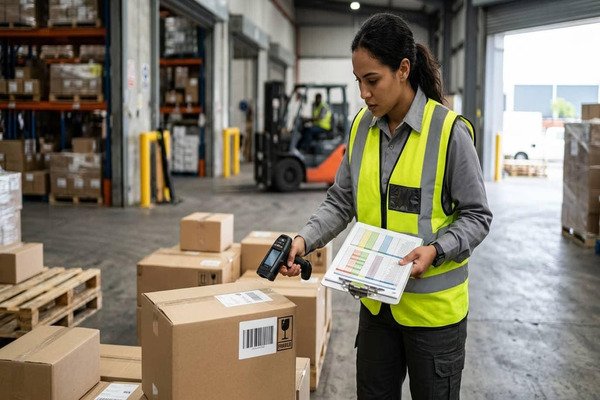
3.4 Inspect Cargo at Destination
When cargo arrives, the consignee should conduct a proper quantity check.
Do not rely only on the number of containers or pallets delivered.
Check the actual packages against the relevant shipping documents.
The inspection should include:
- Recording the container number.
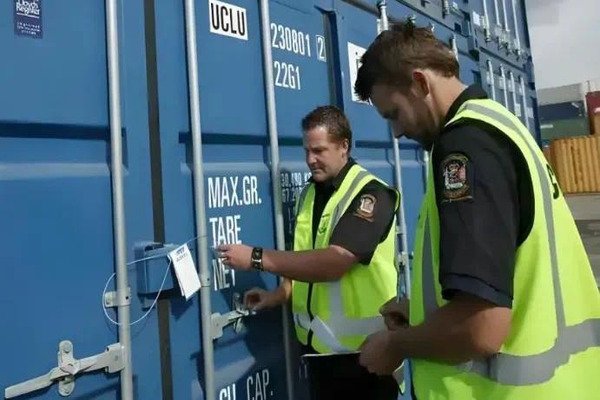
- Checking the seal number and its condition before opening.
- Photographing the container doors and seal.
- Counting the packages during unloading.
- Recording any missing or damaged packages.
- Taking photographs of unusual cargo conditions.
- Preparing a written shortage or inspection report.
If the seal is damaged, missing, or different from the recorded number, document the condition immediately and notify the relevant parties.
An intact seal does not conclusively prove that the shipment contained the correct number of packages, but it can be an important part of the investigation.
The IMO/ILO/UNECE CTU Code provides guidance on packing, sealing, handling, and unpacking cargo transport units throughout the intermodal transportation chain.1
The objective is to build a clear timeline: what was received, what was loaded, what was handed over, and what was finally delivered.
4. What Should Importers Do When They Discover a Short Shipment?
Discovering missing cargo can be stressful, especially when the goods are needed for production, retail distribution, or customer orders.
However, the first response should be organized and documented.
4.1 Record the Missing Quantity Immediately
As soon as a shortage is identified, record the details.
Include:
- Shipment reference and booking number.
- Container number, where applicable.
- Expected package quantity.
- Actual package quantity received.
- Number of missing packages.
- Date and location of delivery.
- Condition of the container and seal.
- Names of the parties involved in receiving and unloading.
For example:
| Item | Details |
|---|---|
| Expected quantity | 500 cartons |
| Actual quantity received | 470 cartons |
| Missing quantity | 30 cartons |
| Container number | Record actual container number |
| Delivery date | Record actual date |
| Seal condition | Intact / Damaged / Missing / Discrepancy |
Avoid relying on verbal statements such as "some cartons are missing."
A clear written record makes it easier for the freight forwarder, carrier, insurer, and supplier to investigate.
4.2 Notify the Relevant Parties
Once the discrepancy is identified, notify the relevant parties promptly and in writing.
Depending on the shipment, these may include:
- Supplier or exporter.
- Freight forwarder.
- Ocean carrier or its local agent.
- Origin or destination warehouse.
- Cargo insurer, where applicable.
The notification should state:
- What quantity was expected.
- What quantity was received.
- How many packages are missing.
- When the discrepancy was discovered.
- What supporting evidence is available.
- Whether a joint inspection is requested.
Do not wait until the entire investigation is complete before sending an initial written notice.
The applicable transport contract and legal rules may impose specific notice requirements.
4.3 Preserve Supporting Evidence
Evidence is essential when investigating a short shipment.
The consignee should retain copies of:
Commercial documents
- Purchase Order.
- Commercial Invoice.
- Packing List.
- Bill of Lading.
- Delivery Receipt.
Loading and transportation records
- Warehouse receiving records.
- Container loading list.
- Loading photographs.
- Container and seal records.
- Terminal and handover records.
- Relevant tracking information.
Destination inspection records
- Unloading photographs and videos.
- Package-counting reports.
- Warehouse inspection reports.
- Delivery discrepancy reports.
- Correspondence with the supplier and carrier.
Where possible, request a joint inspection or tally with the carrier, warehouse, or relevant handling party.
Do not discard damaged packaging, broken seals, or other physical evidence before documenting the condition and obtaining appropriate advice.
4.4 Submit a Formal Short Shipment Claim
Once the shortage has been documented, the cargo owner or other party entitled to claim can assess the appropriate claim against the responsible party.
A formal short shipment claim may include:
- Shipment identification and transport details.
- Expected and actual cargo quantities.
- Description of the missing goods.
- Commercial value of the missing cargo.
- Supporting transport and commercial documents.
- Evidence showing where the discrepancy may have occurred.
- Relevant inspection and delivery reports.
- The amount of compensation being claimed.
The claim should clearly explain the basis of the alleged responsibility.
For example, if records show that 500 cartons were handed over to a carrier but only 470 were delivered, the claimant may investigate whether the shortage occurred during the carrier's period of responsibility.
However, if the origin warehouse records show that only 470 cartons were loaded, the claim may need to be directed toward the supplier or another party involved before carrier handover.
Important: A claim notification is not the same as a formal legal action. Do not assume that sending an email or opening a carrier claim automatically stops a contractual or statutory limitation period.
For sea freight, the applicable notice and limitation requirements depend on the governing contract, applicable national law, and the international rules that apply to the carriage.

5. Who Is Responsible for a Short Shipment?
Determining responsibility is often the most complicated part of a short shipment investigation.
Several parties may be involved in the international transportation process, but their responsibilities are not identical.
The key question is:
At what point did the goods become missing, and which party had responsibility for them at that time?
5.1 Supplier Responsibility
If the supplier dispatched fewer goods than the buyer ordered, the issue may be a commercial delivery discrepancy rather than a transportation loss.
For example:
- The purchase order specifies 500 cartons.
- The supplier prepares only 470 cartons.
- The packing list incorrectly records 500 cartons.
In this situation, the buyer should review the sales contract, purchase order, supplier dispatch records, and warehouse inventory records.
The supplier's contractual obligations and the agreed delivery terms will help determine the appropriate next step.
5.2 Freight Forwarder and Warehouse Responsibility
Freight forwarders may coordinate cargo collection, warehouse receiving, consolidation, loading, documentation, and transportation arrangements.
However, a freight forwarder is not automatically responsible for every shortage occurring during the shipment.
Its legal position depends on the services provided, the contract, and whether it acted as an agent, contractual carrier, warehouse operator, or in another capacity.
For example, if a warehouse records receiving 500 cartons but its loading records show only 470 cartons placed into the container, the warehouse handling records may become central to the investigation.
The actual contractual relationship and evidence must be reviewed before assigning responsibility.
5.3 Carrier Responsibility
If evidence indicates that cargo was received by the carrier but fewer goods were subsequently delivered, the carrier's responsibility may need to be examined.
For sea freight, the relevant questions may include:
- What quantity was received into the carrier's charge?
- What quantity was recorded in the transport document?
- Was the cargo delivered to the consignee?
- Were there any exceptions or discrepancies recorded?
- Which carriage rules and contractual terms apply?
Under the Hague-Visby framework, the carrier's obligations and liability are governed by the applicable rules and contract. Article III addresses the carrier's responsibilities for handling, carriage, and discharge, while Article III Rule 5 addresses the shipper's responsibility for the accuracy of particulars supplied for the bill of lading.2
A Bill of Lading showing a particular package quantity can be important evidence, but its legal effect also depends on its wording, the circumstances in which it was issued, and whether it was transferred to a third party acting in good faith.
Some documents include wording such as "Shipper's Load and Count." This may be relevant when evaluating what the carrier actually verified at the time of receipt.
It should not, however, be treated as automatic proof that the carrier has no responsibility.
5.4 Cargo Insurance
Cargo insurance may provide protection against certain types of physical loss or damage during transportation.
However, not every shortage is automatically covered.
Coverage depends on:
- The insurance policy.
- Insured risks.
- Exclusions.
- The circumstances of the loss.
- The evidence available.
- Applicable claim notification requirements.
For example, a shortage caused by a supplier delivering fewer goods than ordered may be treated differently from cargo physically disappearing during an insured transportation period.
Importers should review their policy wording and notify their insurer promptly when a potential claim arises.
5.5 Where Should You Investigate First?
The following table provides a practical starting point.
| Possible stage | Records to review first |
|---|---|
| Supplier warehouse | Purchase Order, dispatch records, inventory records |
| Origin warehouse | Receiving records, tally sheets, loading list |
| Origin port | Gate-in records, terminal records, loading information |
| Transshipment | Container handover and exception records |
| Destination port | Discharge and terminal records |
| Final delivery | Delivery receipt, unloading report, inspection records |
These are investigation priorities, not automatic liability rules.
The actual responsible party must be determined from the evidence and applicable contractual and legal framework.
6. How to Prevent Short Shipments in International Shipping
Although not every shortage can be prevented, better cargo management and documentation can significantly reduce the risk.
For exporters and importers, the most effective approach is to establish quantity checks at every important handover point.
6.1 Verify Cargo Quantities Before Dispatch
Before goods leave the supplier's warehouse, confirm that the physical quantity matches the purchase order and packing list.
For larger shipments, consider:
- Physical package counting.
- Barcode scanning.
- Warehouse inventory verification.
- Third-party inspection where appropriate.
- Photographic records of completed cargo preparation.
For multi-supplier shipments, each supplier's cargo should be recorded separately before consolidation.
This makes it easier to identify which supplier's goods are missing if a discrepancy occurs later.
6.2 Standardize Loading and Inventory Records
Different parties should use consistent package descriptions and counting methods.
For example, if one warehouse records pallets and another records cartons, the relationship between the two quantities should be clearly documented.
A good loading record should identify:
- Supplier or cargo owner.
- Package type.
- Package quantity.
- Gross weight, where relevant.
- Container number.
- Loading date.
- Loading completion status.
Where possible, photographs should show the cargo before loading, during loading, and after loading is completed.
The CTU Code recommends advance packing planning and appropriate supervision or inspection to help ensure that the planned packing arrangement is implemented correctly.1
6.3 Record Container Seals and Handover Details
For FCL shipments, the container number and seal number are important transportation records.
After loading:
- Close the container doors.
- Apply the appropriate seal.
- Record the seal number.
- Photograph the sealed container.
- Communicate the relevant information to the responsible transportation parties.
At destination, check the seal number before opening the container.
If there is a discrepancy, document it immediately and notify the relevant parties.
For LCL shipments, package-level identification and warehouse handover records are particularly important because cargo is handled separately from other consignments.
6.4 Conduct Destination Cargo Checks
Importers should not assume that receiving a sealed container means every package is present.
During unloading:
- Count packages against the packing list.
- Record any missing or damaged items.
- Photograph unusual conditions.
- Check package labels and markings.
- Keep unloading and receiving records.
- Report discrepancies promptly.
For valuable or sensitive shipments, an independent surveyor may be considered when a shortage or other serious discrepancy is discovered.
6.5 Improve Multi-Supplier Consolidation Controls
Consolidated shipments require particular attention because cargo from several suppliers may be delivered to one warehouse before export.
A practical control process includes:
Step 1: Create a separate cargo list for each supplier.
Record the supplier name, package quantity, dimensions, and shipment reference.
Step 2: Check quantities when cargo arrives at the warehouse.
Compare physical packages against each supplier's packing list.
Step 3: Record any discrepancies immediately.
Do not combine unidentified or unverified packages with other shipments.
Step 4: Reconcile the total quantity before container loading.
Check that the warehouse receiving records match the planned loading list.
Step 5: Keep loading records and photographs.
Maintain a clear record of which packages entered the container.
For businesses sourcing from several suppliers in China, our Huaqiangbei Sourcing Guide explains additional considerations when coordinating multi-supplier cargo and export consolidation.
7. Short Shipment Case Study: How a Quantity Discrepancy Can Be Traced
Consider a hypothetical shipment from China to an overseas importer.
The importer purchases 500 cartons of products from a supplier. The commercial invoice and packing list both show 500 cartons.
However, after the container arrives and the goods are unloaded, the consignee counts only 470 cartons.
The initial shortage is 30 cartons.
How should the investigation proceed?
Step 1: Check the Supplier's Dispatch Records
The importer requests the supplier's warehouse dispatch records and the original package-counting information.
The objective is to establish whether all 500 cartons were actually prepared and released from the supplier's warehouse.
If only 470 cartons were dispatched, the investigation may focus on the supplier's fulfillment and commercial obligations.
Step 2: Check the Origin Warehouse Receiving Records
The freight forwarder or warehouse is asked to provide the cargo receiving records.
The importer compares:
- Supplier dispatch quantity.
- Warehouse received quantity.
- Package inspection records.
- Warehouse discrepancy reports.
If the warehouse records show 500 cartons received, the investigation can move to the loading stage.
Step 3: Review the Container Loading Records
The loading team is asked to provide:
- Container loading list.
- Package tally records.
- Loading photographs.
- Container number.
- Seal number.
These records may help establish whether all 500 cartons were placed into the container before departure.
If the loading records show only 470 cartons, the shortage may have occurred before the container left the origin warehouse.
Step 4: Check Container and Transportation Records
If the origin records indicate that all 500 cartons were loaded, the investigation should continue.
Review:
- Container handover records.
- Seal information.
- Terminal records.
- Transshipment records, if applicable.
- Any reported incidents or inspection records.
The objective is to identify whether the shortage may have occurred during a subsequent handling or transportation stage.
Step 5: Compare Destination Unloading Records
Finally, review the destination warehouse's unloading report.
Confirm:
- Whether the seal number matched the origin record.
- Whether the seal appeared intact.
- Whether all packages were counted.
- Whether any packages were recorded as missing during discharge or delivery.
What Can Be Concluded?
The investigation may identify the stage at which the discrepancy first appears in the available records.
However, if the documentation is incomplete, it may not be possible to establish exactly when or how the 30 cartons went missing.
This example highlights an important lesson:
A shortage claim is much stronger when the shipment has a complete and consistent record of cargo quantities and handovers.
This is an illustrative scenario, not a report of an actual Deeplinker shipment or a confirmed carrier liability case.
8. Short Shipment Prevention Checklist for Importers and Exporters
Use the following checklist to reduce quantity discrepancies throughout the shipping process.
Before Shipment
Confirm purchase order quantities. Verify supplier dispatch records. Count packages before warehouse delivery. Check packing list accuracy. Record cargo quantities by supplier. Keep cargo loading photographs where available.
During Transportation
Record container numbers. Record seal numbers. Keep cargo handover records. Retain warehouse and terminal records. Monitor shipment milestones. Preserve available transshipment records.
After Arrival
Check the container seal before opening. Record any seal discrepancies. Count packages during unloading. Compare actual quantities with shipping documents. Photograph missing or damaged packages. Prepare a written inspection report. Notify relevant parties promptly. Preserve supporting documents and physical evidence.
A consistent checking process at origin and destination can make it easier to identify quantity discrepancies and reduce disputes between suppliers, forwarders, carriers, and importers.
Conclusion: Accurate Cargo Records Help Prevent Short Shipment Disputes
Short shipments can occur at different stages of international transportation, from supplier dispatch and warehouse handling to container loading, port operations, and final delivery.
When goods arrive in smaller quantities than expected, the first priority should be to establish where the discrepancy occurred.
Commercial documents, warehouse records, loading photographs, container seals, handover records, and destination inspection reports all help build a clearer picture of the shipment's movement.
For importers and exporters, maintaining accurate package counts and transportation records is not simply an administrative task. It is an important part of protecting cargo interests and managing potential claims.
Need help coordinating cargo shipments from China?
Deeplinker helps businesses coordinate cargo collection, warehouse handling, consolidation, container loading, and international freight arrangements.
For shipments involving multiple suppliers, mixed cargo, or complex delivery requirements, proper coordination and accurate cargo records can help reduce operational discrepancies.
Explore Deeplinker International Freight Services
Frequently Asked Questions
1. What does short shipment mean in international shipping?
A short shipment occurs when fewer goods are shipped or delivered than the quantity expected, ordered, or recorded in the relevant documents.
It may result from supplier dispatch errors, incomplete container loading, handling problems, or discrepancies during transportation and delivery.
2. What is the difference between short shipment and short delivery?
Short shipment generally describes a situation where fewer goods are shipped than expected or declared.
Short delivery describes a situation where the consignee receives fewer goods than expected.
A short delivery may result from a short shipment, but the two terms do not necessarily identify the same stage of the problem.
3. What should I do if my shipment arrives with missing packages?
Record the expected and actual quantities immediately, check the container seal where applicable, photograph the cargo condition, and prepare a written inspection report.
Notify the supplier, freight forwarder, carrier, and insurer where relevant. Preserve the shipping documents and other evidence for further investigation.
4. Who is responsible for a short shipment?
Responsibility depends on where the shortage occurred, the contractual obligations of the parties, the evidence available, and the applicable transport rules.
The supplier may be responsible for an order that was never fully dispatched, while a carrier or warehouse operator may have responsibility in other circumstances.
5. Can I claim compensation for missing cargo?
Potentially, yes. However, the right to compensation depends on the contract, applicable law, evidence of the shortage, the responsible party, and any relevant insurance coverage.
The claimant should document the discrepancy and submit the appropriate notification or claim within the applicable time limits.
6. What documents are needed for a short shipment claim?
Common supporting documents include:
- Purchase Order.
- Commercial Invoice.
- Packing List.
- Bill of Lading or other transport document.
- Warehouse receiving and dispatch records.
- Container loading records.
- Delivery Receipt.
- Cargo inspection or shortage report.
- Photographs and relevant correspondence.
The exact documents depend on the nature of the shortage and the party against whom the claim is made.
7. How can importers prevent short shipments?
Importers can reduce the risk by verifying quantities before dispatch, checking warehouse receiving records, maintaining accurate loading lists, recording container seal numbers, and conducting package counts at destination.
For consolidated shipments, each supplier's cargo should be recorded and checked separately before container loading.
References
Legal and operational note: This article provides general information for international shipping and cargo shortage investigations. The Hague Rules, Hague-Visby Rules, Hamburg Rules, national legislation, and contractual terms do not apply identically to every shipment. Notification periods, limitation periods, carrier liability, and available remedies must be assessed according to the actual transport document, governing law, and applicable jurisdiction. An initial claim notification should not be assumed to suspend a legal time limit.
[UNECE – IMO/ILO/UNECE Code of Practice for Packing of Cargo Transport Units (CTU Code)](https://unece.org/transport/intermodal-transport/imoilounece-code-practice-packing-cargo-transport-units-ctu-code). Provides guidance for parties involved in packing, securing, receiving, and unpacking cargo transport units. ↩
[International Convention for the Unification of Certain Rules of Law Relating to Bills of Lading (Hague Rules)](https://www.jus.uio.no/english/services/library/treaties/07/7-04/hague-rules.html). Contains provisions concerning the carrier's responsibilities, bill of lading particulars, and notice of loss or damage. The Hague-Visby amendments and applicable national implementation should also be checked where relevant. ↩