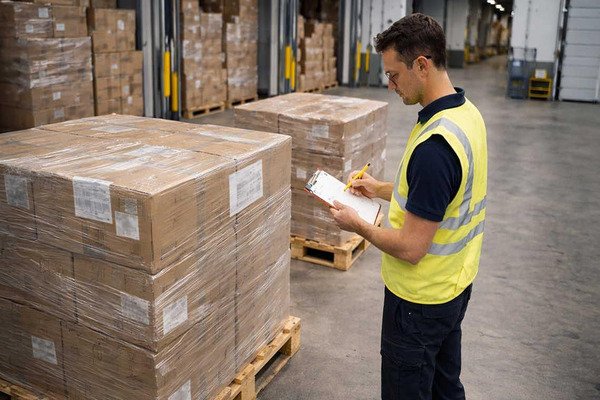

For many first-time dangerous goods exporters, the booking process seems straightforward: send the MSDS to a freight forwarder, receive a quotation, and wait for the shipping confirmation.
In practice, there are several steps between submitting the initial cargo information and receiving a confirmed booking.
The freight forwarder first needs to understand what the cargo is, how it is classified, and whether it can be transported under the proposed shipping arrangement. The carrier may then review the dangerous goods details and request additional information or approval.
A typical sea freight process looks like this:
1. What Happens After You Submit an MSDS?
The dangerous goods booking process generally involves the following steps:
- Cargo information submission: The shipper provides the MSDS/SDS and basic cargo details.
- Initial document and classification review: The freight forwarder checks the available information and identifies missing details.
- Carrier DG application: Dangerous goods information is submitted through the carrier's booking or approval process.
- Carrier review and acceptance: The shipping line reviews the cargo and may approve, reject, or request additional information.
- Booking confirmation: The booking is confirmed subject to the carrier's approval and available capacity.
- Final documentation and cargo preparation: Required transport documents, packaging, marks, and labels are checked.
- Port delivery and loading: The cargo is delivered, declared, checked, and prepared for loading.
The actual submission order and deadlines vary by shipping line, port, cargo type, and trade lane.
One important point: submitting an MSDS does not mean the cargo has been approved for shipment. It is an initial source of product safety and transport information. The shipper remains responsible for providing the correct dangerous goods classification and declaration.
For example, Maersk's guidance on MSDS queries explains the shipper's responsibility for dangerous goods classification and the importance of accurate product information.1
This is why the information submitted at the beginning of the process matters so much.
2. How Freight Forwarders Review Dangerous Goods Information
Before submitting a dangerous goods application to a shipping line, the freight forwarder needs to review the information provided by the shipper.
The purpose is to identify inconsistencies, missing information, and potential transportation restrictions before the cargo reaches the port.
2.1 Check the Product Description and Chemical Composition
The first step is understanding exactly what the shipper intends to transport.
A general description such as "industrial chemical," "cleaning liquid," or "battery material" is usually insufficient for a proper dangerous goods review.
The forwarder may need:
- Commercial product name and detailed description.
- Chemical composition and relevant concentrations.
- Product specifications.
- Latest Safety Data Sheet (SDS/MSDS).
- Intended packaging type and quantity.
One important section of the SDS is Section 14: Transport Information.
This section normally provides information such as UN number, Proper Shipping Name, transport hazard class, packing group where applicable, and other relevant transport details.
However, Section 14 should not be treated as automatic proof that the cargo is correctly classified for every transport mode. The information must be checked against the applicable regulations and the actual product.
2.2 Verify the UN Number and Hazard Classification
Once the cargo information is available, the next step is checking its transport classification.
The main details commonly reviewed include:
| Information | What it means |
|---|---|
| UN Number | Four-digit identification number assigned to the dangerous goods entry |
| Proper Shipping Name | Official transport name used in dangerous goods documentation |
| Hazard Class | Main dangerous goods hazard category |
| Subsidiary Risk | Additional hazard presented by the substance, where applicable |
| Packing Group | Indicates the degree of danger for substances assigned a packing group |
For example, a shipment declared as UN 1760, CORROSIVE LIQUID, N.O.S., must have its technical name and other applicable information checked against the relevant IMDG Code requirements.
The forwarder should not simply copy the UN number from an old shipment or another supplier's documents. Different formulations of products with similar commercial names may have different transport classifications.
2.3 Check Packaging and Shipment Conditions
Correct classification is only one part of dangerous goods compliance.
The packaging and proposed shipping arrangement must also meet the relevant requirements.
The forwarder may check:
- Type of packaging, such as drums, IBCs, or cartons.
- UN packaging specification marks, where required.
- Net and gross weight per package.
- Total quantity of dangerous goods.
- Package dimensions and number of packages.
- Container type and loading arrangement.
- Special stowage, segregation, or handling requirements.
For example, a chemical classified under the same UN number may have different packaging and quantity requirements depending on its packing group and the applicable packing provisions.
If the cargo information is incomplete, the forwarder may need to request clarification before submitting the DG application.
The key point: a freight forwarder can review the submitted information and coordinate carrier requirements, but the shipper remains responsible for accurate cargo classification, packaging, and declarations.
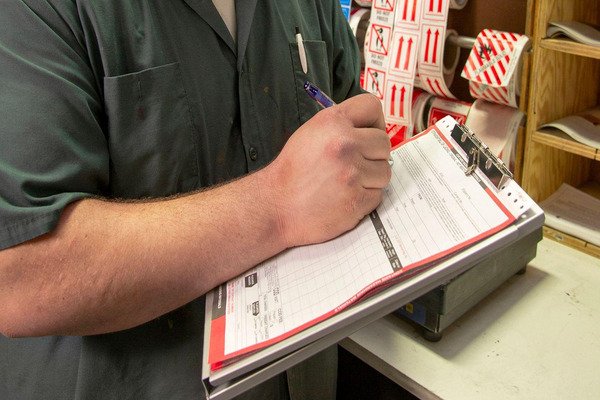
3. What Documents Are Required for Dangerous Goods Shipping?
This is one of the most common questions from exporters arranging dangerous goods shipments for the first time.
There is no single document checklist that applies to every dangerous goods shipment. The requirements depend on the cargo classification, transport mode, packaging, destination, and carrier.
For sea freight from China, the following documents and information are commonly involved.
3.1 Safety Data Sheet (SDS/MSDS)

The SDS/MSDS is generally one of the first documents requested during the initial cargo assessment.
It provides information about the product's chemical properties, hazards, handling precautions, and transport classification.
For shipping purposes, the forwarder may pay particular attention to:
- Section 1: Identification of the substance or mixture.
- Section 2: Hazard identification.
- Section 3: Composition and information on ingredients.
- Section 9: Physical and chemical properties.
- Section 10: Stability and reactivity.
- Section 14: Transport information.
Common problem: The shipper submits an old SDS, an SDS belonging to a different product formulation, or a document with incomplete transport information.
The forwarder may then request an updated version or additional technical information.
Remember that an SDS is not a Dangerous Goods Declaration and does not replace the shipper's legal responsibility for correct transport classification.
3.2 Dangerous Goods Declaration (DGD)
The Dangerous Goods Declaration is a formal transport document used to declare dangerous goods in accordance with the applicable regulations.
For sea freight, the dangerous goods transport document must contain the required cargo description and certification.
Depending on the shipment, information generally includes:
- UN Number.
- Proper Shipping Name.
- Hazard Class and Subsidiary Risk, where applicable.
- Packing Group, where applicable.
- Number and type of packages.
- Total quantity.
- Additional information required by the applicable IMDG provisions.
- Shipper's certification and signature.
The document must accurately describe the cargo being offered for transportation.
For example, if the booking is approved for a particular UN number and Proper Shipping Name, the final dangerous goods documentation must be consistent with the approved shipment details.
A discrepancy may result in additional checks or a requirement to amend the documents before loading.
Important: Some dangerous goods shipments qualify for specific exemptions or simplified documentation arrangements. Do not assume that every shipment requires an identical DGD.
3.3 Dangerous Goods Packaging Information and Certificates
Dangerous goods packaging must comply with the applicable IMDG Code packing requirements.
Depending on the cargo, the forwarder or carrier may request:
- UN packaging specification information.
- Packaging test certificates or supporting records.
- Packaging photographs.
- Package markings and labels.
- Details of the packaging type and capacity.
For example, a shipper transporting corrosive chemicals in drums may need to demonstrate that the packaging is suitable for the substance and meets the relevant packaging requirements.
A UN packaging mark indicates that a packaging design has met specified performance requirements. It does not automatically mean that the packaging is suitable for every dangerous good or every packing configuration.
The correct packaging must be selected according to the applicable regulations.
3.4 Container Packing Certificate
A Container Packing Certificate, also referred to as a Container/Vehicle Packing Certificate, is particularly relevant to dangerous goods packed into a container or vehicle.
It certifies that the packing operation has been carried out in accordance with applicable requirements.
The responsible packing party generally confirms matters such as:
- The container or vehicle was clean, dry, and suitable to receive the goods.
- Packages were checked for apparent damage.
- Required segregation requirements were followed.
- Packages were properly secured.
- Applicable loading and packing requirements were observed.
The person or company responsible for packing the container must ensure the declaration is accurate.
Under the IMDG Code, the dangerous goods transport document and Container/Vehicle Packing Certificate may be combined into one document if the required information and certifications are included. Otherwise, they are provided separately.2
3.5 Additional Documents Depending on Cargo Type
Some dangerous goods require additional supporting documents.
These depend on the product and the applicable transport provisions.
| Cargo type | Possible additional information |
|---|---|
| Lithium batteries | UN 38.3 Test Summary, battery specifications |
| Chemicals | Technical data and relevant test reports |
| Waste chemicals | Waste classification and additional declarations |
| Tank containers | Tank inspection and approval documentation |
| Specially regulated cargo | Competent authority permits or approvals, where applicable |
For lithium battery shipments, see our Lithium Battery Shipping Guide: SP188 vs. PI965/966/967.
The following table summarizes the purpose of the main documents.
| Document | Main purpose | Required for every DG shipment? |
|---|---|---|
| SDS/MSDS | Product safety and initial assessment | Not universally |
| DGD | Formal dangerous goods transport declaration | Subject to applicable provisions |
| Packaging test information | Demonstrates packaging compliance | Depending on packaging and requirements |
| Container Packing Certificate | Certifies container packing operation | Where applicable |
| UN 38.3 Test Summary | Supports applicable lithium battery transport requirements | Only relevant battery shipments |
| Commercial Invoice | Commercial transaction details | According to customs and trade requirements |
| Packing List | Package quantities and shipment details | According to shipment and customs requirements |
The most important thing is to confirm the required document set before cargo dispatch rather than preparing every possible document unnecessarily.
4. How Shipping Lines Review and Approve DG Cargo
After the initial information has been checked, the next stage is carrier coordination.
This is where many first-time exporters become confused.
They may assume that once the freight forwarder has received the MSDS and quoted the freight, the shipping line has already accepted the cargo.
That is not necessarily the case.
4.1 DG Application Submission
The freight forwarder collects the necessary dangerous goods information and submits it through the shipping line's designated booking or DG approval process.
Depending on the carrier and trade lane, the application may include:
- UN Number and Proper Shipping Name.
- Hazard Class and Packing Group.
- Cargo description and quantity.
- Package type and packaging details.
- Container information, where required.
- SDS/MSDS or other supporting documents when requested.
Some shipping lines request supporting documents at the booking stage, while others first collect the mandatory DG details and request additional documents only when necessary.
For example, Maersk's dangerous cargo documentation guidance explains that mandatory hazardous cargo details such as the IMO class and UN number are needed when placing a booking request, with additional documents requested if necessary.3
This means exporters should not assume that every carrier follows the same submission procedure.
4.2 Carrier Compliance Review
Once the application is submitted, the shipping line reviews the cargo against its acceptance requirements.
The review may consider several factors.
Cargo acceptance
- Is the declared UN number accepted by the carrier?
- Is the dangerous goods class permitted on the proposed service?
- Are additional approvals required?
Packaging and documentation
- Does the packaging meet applicable requirements?
- Are the cargo details consistent across the submitted documents?
- Are any additional certificates or declarations required?
Vessel and route restrictions
- Is the cargo permitted on the intended vessel?
- Are there restrictions at the transshipment port?
- Are there stowage or segregation requirements?
- Are there destination-specific restrictions?
A cargo that is acceptable on one route may not automatically be accepted on another.
This is why carrier confirmation should be obtained before arranging final cargo delivery.
4.3 Approval, Rejection or Additional Information Requests
After reviewing the application, the carrier may provide one of three general outcomes.
| Status | Meaning | What the shipper should do |
|---|---|---|
| Approved | Cargo has received the relevant carrier acceptance | Proceed with the remaining booking requirements |
| Pending | Additional information or clarification is needed | Provide the requested documents or corrections |
| Rejected | The carrier does not accept the proposed cargo or arrangement | Review alternative carriers, routes, or compliant arrangements |
An approval should always be read within its scope. It may relate to the declared cargo and booking details rather than granting unrestricted approval for all future shipments of the same product.
If the cargo description, UN number, packaging, quantity, or route changes, the forwarder should check whether a revised application or new approval is required.
5. Why Are Dangerous Goods Bookings Delayed or Rejected?
Even when the shipper has submitted an MSDS, the booking may still be delayed.
In many cases, the problem is not the shipping line itself. It is incomplete cargo information, incorrect classification, unsuitable packaging, or a mismatch between the documents and the actual shipment.
Here are five common situations.
5.1 Incomplete or Outdated MSDS
An MSDS may be missing important information or may not reflect the current product formulation.
For example:
- The product name differs from the commercial invoice.
- The chemical composition is incomplete.
- Section 14 contains insufficient transport information.
- The document relates to an older product version.
How to avoid it: Ask the manufacturer or supplier for the latest SDS corresponding to the exact product being exported.
5.2 Incorrect UN Number or Cargo Classification
This is a more serious problem.
A shipper may provide a UN number based on an old shipment or information received from another supplier without checking whether it applies to the actual product.
The consequences can include:
- Reclassification requests.
- Additional technical assessments.
- Revised dangerous goods declarations.
- Booking delays or rejection.
How to avoid it: Verify the classification using the applicable dangerous goods regulations and competent technical expertise. Do not rely exclusively on the commercial product name or an old shipping document.
5.3 Packaging Does Not Meet Requirements
A product may be correctly classified but still fail to meet the applicable packaging requirements.
For example, a chemical may require a specific UN-tested packaging type, but the shipper uses packaging that is unsuitable for the product or does not meet the applicable performance requirements.
The carrier may request packaging information, photographs, certificates, or repacking before accepting the shipment.
How to avoid it: Confirm the packaging requirements before purchasing packaging materials or arranging cargo collection.
5.4 Inconsistent Information Across Documents
This is one of the most preventable problems.
Consider a shipment where:
- The MSDS states one UN number.
- The DG application uses a different Proper Shipping Name.
- The DGD shows a different package quantity.
- The packing list shows a different gross weight.
Even if the actual cargo is correctly classified, these discrepancies can trigger additional reviews.
How to avoid it: Use one verified set of cargo information when preparing the DG application, DGD, packing list, and other shipping documents.
5.5 Carrier or Route Restrictions
Not every shipping line accepts every type of dangerous goods cargo.
Acceptance may depend on:
- Dangerous goods class.
- UN number and packing group.
- Vessel type and available stowage arrangements.
- Transshipment port restrictions.
- Destination regulations.
- Carrier-specific requirements.
How to avoid it: Check carrier acceptance and route feasibility before finalizing the shipment schedule.
A cheaper freight quotation is not necessarily the best option if the selected carrier cannot accept the cargo.
6. DG Approval vs. Booking Confirmation: What's the Difference?
This is one of the most important distinctions for first-time dangerous goods exporters.
DG Approval and Booking Confirmation are two different milestones.
DG Approval means the carrier has accepted the declared dangerous goods under the relevant conditions.
Booking Confirmation means the carrier has confirmed the booking and its associated shipping arrangements.
| Item | DG Approval | Booking Confirmation |
|---|---|---|
| Main purpose | Acceptance of declared dangerous goods | Confirmation of shipping arrangements |
| Focus | Cargo classification and acceptance conditions | Vessel, schedule, space and booking details |
| Confirms cargo acceptance? | Yes, within the scope of approval | Depends on the carrier's booking process and conditions |
| Confirms a shipment slot? | Not necessarily | Generally confirms the booking, subject to stated conditions |
| Does it mean cargo is loaded? | No | No |
For example, a shipper may receive DG Approval for a chemical shipment but still need to complete the booking process and secure the required space.
Similarly, a booking reference or preliminary booking status should not automatically be interpreted as final dangerous goods acceptance.
Some shipping lines integrate DG approval into their booking workflow. Others may issue a booking confirmation subject to pending DG documentation or further conditions.
Maersk's Dangerous Cargo Booking Guideline illustrates the distinction between carrier DG approval, booking confirmation, and final loading requirements.4
What should exporters remember?
Before arranging the final cargo delivery, confirm:
- Whether the dangerous goods application has been approved.
- Whether the booking has been confirmed.
- Whether all outstanding documentation requirements have been completed.
- Whether the cargo details match the approved booking.
Do not arrange cargo delivery based solely on an informal message saying that the documents have been received.
7. What Happens Before the Cargo Is Loaded?
Receiving DG Approval and Booking Confirmation does not mean the entire transportation process is finished.
There are still several important steps before the container can be loaded onto the vessel.
7.1 Final Document Submission
The shipper or responsible party prepares and submits the final dangerous goods transport documentation.
For applicable sea freight shipments, this includes the Dangerous Goods Declaration and other required certifications.
The information must match the approved cargo details.
Pay particular attention to:
- UN Number.
- Proper Shipping Name.
- Hazard Class.
- Packing Group, where applicable.
- Package quantity and type.
- Total dangerous goods quantity.
- Container and booking information, where required.
Any changes to the declared cargo should be communicated to the forwarder and carrier before loading.
7.2 Cargo Packing and Marking Inspection
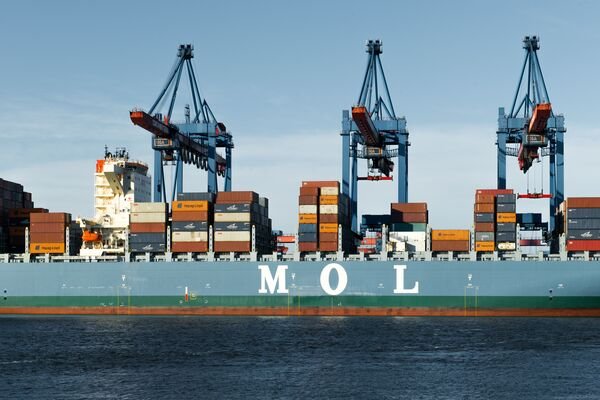
Before the cargo is delivered or loaded into the container, the packaging and markings should be checked.
Depending on the applicable requirements, this may involve:
- Checking the condition of packages.
- Confirming the correct UN packaging marks.
- Checking hazard labels and package markings.
- Ensuring packages are properly secured.
- Confirming applicable segregation requirements.
- Checking container suitability and loading arrangements.
Damaged, leaking, incorrectly marked, or improperly packed cargo may be refused or require corrective action.
7.3 Port Declaration and Terminal Delivery
Once the required documents and cargo preparations are completed, the shipment proceeds to the relevant port operations.
The exact process varies by port and shipping line, but may include:
- Dangerous goods declaration submission.
- Terminal or port acceptance checks.
- Container delivery within the applicable cut-off time.
- Verification of dangerous goods information.
- Additional inspections where required.
Exporters should not assume that a carrier's initial approval automatically satisfies every port or terminal requirement.
7.4 Loading Confirmation and Bill of Lading
After the container has been accepted and loaded, the shipment proceeds through the normal shipping documentation process.
The Bill of Lading (B/L) is issued according to the agreed shipping arrangement and carrier procedures.
The cargo's actual dangerous goods description must remain consistent with the relevant transport documentation.
If there are discrepancies, the carrier may request corrections before finalizing the documents.
The important point is that DG Approval, Booking Confirmation, Port Acceptance, and Actual Loading are separate stages.
Understanding these stages helps exporters avoid assuming that a shipment is ready to sail before all requirements have been completed.
8. Dangerous Goods Booking Checklist for Exporters
If you are arranging your first dangerous goods shipment from China, use the following checklist before contacting a freight forwarder.
Cargo Information
- [ ] Full product name and cargo description.
- [ ] Latest SDS/MSDS for the actual product.
- [ ] UN Number and Proper Shipping Name, where applicable.
- [ ] Hazard Class and Subsidiary Risk, where applicable.
- [ ] Packing Group, where applicable.
- [ ] Chemical composition or technical specifications when required.
Packaging and Cargo Details
- [ ] Packaging type and specification.
- [ ] Package quantity.
- [ ] Net and gross weight.
- [ ] Package dimensions.
- [ ] Relevant UN packaging information.
- [ ] Applicable marks and hazard labels.
- [ ] Loading and segregation requirements.
Supporting Documents
- [ ] Dangerous Goods Declaration, where required.
- [ ] Container/Vehicle Packing Certificate, where applicable.
- [ ] Relevant test reports and certificates.
- [ ] Additional carrier or authority approvals, where required.
- [ ] Commercial Invoice and Packing List.
Booking and Transportation
- [ ] Confirm the proposed shipping line accepts the cargo.
- [ ] Check the intended route and transshipment restrictions.
- [ ] Submit the DG application.
- [ ] Obtain the relevant carrier approval.
- [ ] Receive and verify the booking confirmation.
- [ ] Confirm final document submission deadlines.
- [ ] Arrange cargo delivery according to the port cut-off requirements.
The checklist is a preparation guide, not a universal mandatory document list. The actual requirements must be confirmed for each shipment.
Conclusion: Prepare Your Dangerous Goods Shipment Before Booking
Shipping dangerous goods from China involves more than submitting an MSDS and requesting a freight quotation.
The process includes cargo information review, classification verification, packaging checks, carrier approval, document preparation, and port delivery.
For first-time exporters, the most important thing is to understand that an MSDS submission, DG Approval, and Booking Confirmation are not the same thing.
Each stage has a different purpose, and completing one does not automatically mean the next stage is finished.
Preparing accurate cargo information early and confirming the carrier's requirements before dispatch can help reduce document revisions, booking delays, and unexpected shipping costs.
Need help arranging dangerous goods shipments from China?
Deeplinker helps exporters coordinate dangerous goods shipping requirements, documentation checks, carrier communication, and international freight arrangements.
Whether you are shipping chemicals, batteries, industrial materials, or other regulated cargo, contact our team to discuss your cargo details and available shipping options.
Explore Deeplinker Dangerous Goods Shipping Services
Frequently Asked Questions
1. Is an MSDS enough to book dangerous goods?
No. An MSDS/SDS is an important document for the initial cargo assessment, but it does not automatically replace the dangerous goods transport declaration or other documents required by the applicable regulations and carrier.
The shipper must provide accurate cargo classification and supporting information.
2. How long does dangerous goods approval take?
There is no universal approval time.
It depends on the shipping line, cargo type, completeness of the submitted information, route, and whether additional technical documents are required.
Submitting complete and consistent information early can help reduce unnecessary delays.
3. Can a shipping line reject dangerous goods after reviewing the MSDS?
Yes. A shipping line may reject a shipment if the cargo is not accepted on the proposed service, the classification is incorrect, the packaging does not meet requirements, or the shipment cannot satisfy applicable carrier restrictions.
4. What is the difference between DG Approval and Booking Confirmation?
DG Approval relates to the carrier's acceptance of the declared dangerous goods. Booking Confirmation relates to the confirmed shipping arrangement.
A shipment may need both before proceeding to final cargo delivery and loading.
5. Does every dangerous goods shipment require a DGD?
No. Documentation requirements depend on the applicable IMDG Code provisions, cargo classification, and any relevant exemptions or special provisions.
Always confirm the correct documentation requirements before shipment.
6. Can dangerous goods be shipped with any shipping line?
No. Shipping lines have their own dangerous goods acceptance policies and operational restrictions.
Acceptance depends on cargo classification, vessel arrangements, route, ports, and carrier-specific requirements.
7. What happens if the shipping line requests additional documents?
The shipper or freight forwarder should review the request, identify the missing information, and provide the correct supporting documents.
If the original cargo information is inaccurate, the classification and declaration may need to be reassessed before the application can proceed.
References
Regulatory note: This article provides general operational guidance for packaged dangerous goods transported by sea. Requirements vary by cargo, route, port, carrier, and applicable national rules. The IMDG Code 2024 Edition incorporating Amendment 42-24 became mandatory on January 1, 2026. Always check the current regulations and carrier instructions before shipping.
[Maersk – MSDS Queries](https://www.maersk.com/news/articles/2025/03/11/msds-queries). Explains the shipper's responsibility for dangerous goods classification and the role of MSDS information. ↩
[International Maritime Organization – IMDG Code Amendment 42-24](https://wwwcdn.imo.org/localresources/en/KnowledgeCentre/IndexofIMOResolutions/MSCResolutions/MSC.556%28108%29.pdf). Covers dangerous goods transport documentation, certification, and container/vehicle packing certificates. ↩
[Maersk – Documents Required for Dangerous Cargo Booking](https://www.maersk.com/de-de/support/faqs/documents-for-dangerous-cargo). Explains the carrier's initial dangerous goods information requirements and requests for additional documents. ↩
[Maersk – Dangerous Cargo Booking Guideline](https://www.maersk.com/~/media_sc9/maersk/local-information/files/asia-pacific/japan/export/dangerous-and-various-applications/dangerous-cargo/dangerous-cargo-booking-guideline-02-05-2025.pdf). Provides an example of carrier DG approval, booking confirmation, and final loading requirements. ↩